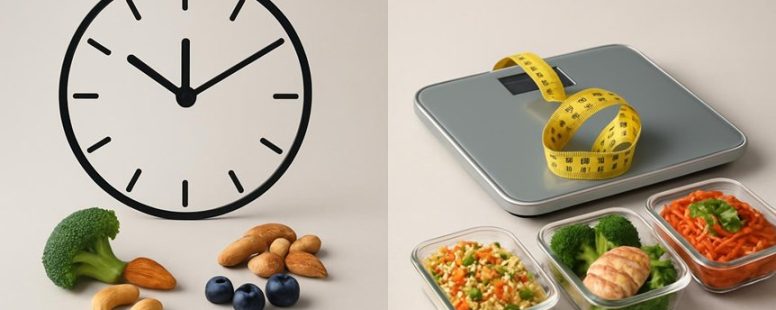
Choosing between intermittent fasting and calorie counting is like navigating a maze where every turn reveals a different challenge.
Imagine feeling your stomach rumble during an important meeting or savoring a satisfying meal that fuels your entire day.
These methods aren’t just trendy buzzwords—they’re tools that shape how you experience hunger, energy, and social moments.
Surprisingly, one approach might boost your mental clarity more than you expect, like a lighthouse guiding you through foggy days.
Before you pick your route, understanding the real tradeoffs can help you stay steady on your path and turn your wellness journey into a clear, confident voyage.
Understanding Intermittent Fasting and Calorie Counting Basics
Intermittent fasting is a way of eating that focuses on when you eat, not how much. It means you set specific times to eat and times to fast. For example, some people eat only during an 8-hour window each day and fast the rest. This can change how your body uses energy because during the fasting period, your hormones may help burn fat more effectively. Some folks find this simpler because they don’t have to think about every bite, but others might feel hungry or tired during the fasting times.
Calorie counting is a different method. It means tracking the amount of energy, or calories, that you eat and drink. The goal is to stay within a certain calorie limit to manage weight. For example, if you aim for 1500 calories a day, you check labels and measure portions to stay on track. This method puts the focus on portion sizes and food quality. Some people find calorie counting helpful because it gives them clear numbers, but it can also be time-consuming and lead to obsession or stress.
Both methods have pros and cons. Intermittent fasting can make it easier to avoid constant snacking, but it might not be good for everyone, especially those with certain health conditions or who get very hungry. Calorie counting can help you see exactly what you eat, but it can also make eating feel like a math test.
When choosing between these, think about your lifestyle and what feels manageable. Do you prefer eating within set hours or tracking every calorie? Some people even combine both. For example, they might fast during the day and count calories at night.
In the end, both strategies aim to help you control your weight, but what works best depends on your habits and goals. Remember, no method is perfect, and it’s always good to talk with a healthcare provider before making big changes.
Tracking Intermittent Fasting and Calorie Counting Made Easy
Tracking your fasting periods or calorie intake is simple with the right tools. Apps like MyFitnessPal or Lose It! help you record what you eat and when you fast. Timers or alarms can remind you when to start or stop eating. Using these tools makes it easy to stay consistent without feeling overwhelmed. For example, setting a regular fasting window each day can become a habit just like brushing your teeth.
But some people worry that counting calories or tracking fasting might feel like a lot of work or cause stress. If you’re new to this, start small. Use an app for a few days and see how it feels. Others might say that relying on apps can be distracting or lead to obsessing over numbers. It’s true — tracking can become a hassle if you focus too much on perfection. So, remember, the goal is progress, not perfection.
In the end, simple tools can make tracking easier, but it’s okay to adjust your method. Some prefer writing things down, while others like digital apps. Find what works for you, and don’t stress if you miss a day. The key is to stay steady and make small changes that last.
Simplifying Tracking Methods
Tracking your eating habits can be simple if you focus on just a few key things. First, knowing when to eat is more important than counting every calorie. For example, setting a regular breakfast and dinner time helps your body get used to a routine. Second, listening to your hunger signals can guide you on when to eat or stop. If you’re hungry, eat; if not, wait a little longer. This makes it easier to avoid overeating.
Some people find that keeping a food journal or using apps like MyFitnessPal makes tracking easier. But others worry that tracking too much can cause stress or make eating feel like a chore. So, it’s better to find what works for you—like just noting your meal times or how hungry you felt.
Tools For Easy Monitoring
Using the right tools makes tracking your fasting or calorie goals simple. Here’s what you need to know.
First, fasting apps help you stay on schedule. They remind you when to eat and when to fast, so you don’t forget. For example, apps like Zero or Life Fasting offer meal alerts and send notifications to keep you on track. They also show graphs of your progress and key health numbers like weight or blood sugar. These visual tools motivate you and help you see how well you’re doing. But, some apps may require a lot of input or may not sync well with other devices. Make sure the app you choose is easy for you to use every day.
Second, calorie counters and food diaries make counting calories less overwhelming. Apps like MyFitnessPal or Lose It! let you log meals quickly and see detailed nutrient info. They break down your carbs, fats, and protein intake and show trends over weeks. This helps you stay accountable. However, some apps can be complicated to use at first, or you might forget to log meals. Look for tools that are simple and clear so you won’t get discouraged.
Both tools work best when they are easy to use and show your progress clearly. Think about what feels easiest for you to keep up long-term. A fasting app with good reminders or a calorie counter that simplifies food logging can make monitoring feel less like a chore. Instead, it becomes part of your daily routine.
Counter-Strategy:
The Ruthless Competitor might say many apps are just hype, and some don’t work well in real life. They might push their own premium tools or question the actual health benefits.
The Cynical Consumer would doubt if these apps truly help or just waste time. They want proof that tracking leads to results.
The Distracted Scroller might forget to open the app or get bored quickly. They need something quick and visually appealing to catch their attention.
Final note: Choose tools that fit your style, and don’t rely on fancy features alone. Simple, consistent use makes all the difference.
Why Sustainability Matters for Long-Term Success
Sustainability means sticking with a plan over time. It is the key to making lasting changes. For example, if you try a diet like intermittent fasting or counting calories, it’s best to choose one you can keep doing. If a plan feels too hard or confusing, you might stop before seeing real results.
Some people say it’s better to find a method that fits your life. For instance, if you enjoy eating regular meals, calorie counting might work best. But if you prefer fewer meals, intermittent fasting could be easier. Both can work if you stick with them.
However, some warn that not all plans are easy to keep long term. For example, very strict diets can be hard to follow every day. Over time, this can make people give up and go back to old habits. So it’s a good idea to pick a plan that feels realistic and can change as your needs change.
Long-term success depends on consistency. Think of it like driving a car — staying on course is what gets you to your destination, not just the speed or the destination itself. If you choose a plan you can live with, you’re more likely to see results that last.
Would you stick with a plan that’s too complicated or feels like a chore? Probably not. That’s why making changes that fit your life — and that you can keep doing — really matters.
Consistency Over Time
Pick a simple routine that feels natural so it doesn’t use up all your willpower. For example, if you want to eat healthier, choose easy swaps like fruit instead of candy.
Focus on small actions you can do repeatedly. Big changes can be overwhelming. For example, walk for five minutes daily instead of trying to run five miles right away.
Keep track of your progress in a way that makes you want to keep going. Use a journal or an app that rewards your efforts. Seeing improvement helps make habits stick.
Adapting to Lifestyle
Sticking with a plan is not just about showing up every day. It’s about fitting it into your life so it doesn’t feel like a burden. For example, if you enjoy family dinners or meet friends often, your plan should work around those events. If it clashes with your schedule, it’s unlikely you’ll stick to it. To succeed, you need to match meal times and food choices with what works best for you. Making small changes that fit your everyday life is easier than trying to overhaul everything at once. When I focus on reducing stress and leave room for adjustments, I keep going longer. Whether you try intermittent fasting or counting calories, your plan must feel doable in your daily routine. Adaptability isn’t just nice to have — it’s a key part of sticking with your goals over time. If your plan feels like a burden or doesn’t fit your life, it’s probably not going to last.
How These Methods Affect Your Social Life and Routine
Intermittent fasting and calorie counting can change your daily habits, especially when it comes to social events. They are not just about food but about how you live your life. Here are some simple tips to help you keep your social life while staying on track:
Meal planning is very helpful. If you know when and what you will eat, you can avoid surprises during outings with friends or family. For example, if you plan to fast in the morning, you might choose lunch as your main meal and pick healthy options at restaurants.
Peer pressure is real. Sometimes friends will invite you to parties or dinners, and it can be hard to stick with your plan. Having a clear plan before going out helps. You can politely explain your goals or bring your own snacks to feel more confident.
Flexibility is important. It might be okay to change your fasting times or calorie limits if you want to join a special meal or celebration. For example, if you normally fast on Monday, but you’re invited to a birthday dinner, you can adjust your schedule for that night.
Some people worry that these methods will make them miss out on fun or feel lonely. That’s true in some cases. But if you plan well and stay flexible, you can enjoy social events without feeling guilty or falling behind. Remember, the key is to find a balance that works for your lifestyle.
How Each Method Influences Hunger, Energy, and Focus
Eating habits can change how hungry, energetic, and focused you feel each day. Here are two common methods and how they affect you.
Intermittent fasting means eating during certain hours and fasting the rest of the time. It helps control hunger because it keeps hormones that make you feel hungry steady. When your body isn’t busy digesting food all the time, your energy levels stay more even. This can help you concentrate better and stay alert longer. For example, people who do intermittent fasting might find they’re less hungry in between meals and feel more clear-headed. But some might feel extra hungry or tired at first. It works well if you prefer fewer meals.
Calorie counting is about tracking how many calories you eat each day. It encourages eating balanced meals with lots of nutrients. This method keeps your metabolism steady and can prevent energy crashes. It’s good if you want consistent energy and don’t want to feel hungry often. However, counting calories can be boring and may make you focus too much on tracking instead of enjoying your food. Some people find it stressful to keep track all the time, and hunger signals can be more frequent if you don’t eat enough.
Both methods change how you feel. Intermittent fasting can give you better control over hunger and help you stay focused longer. But it might not work for everyone, especially if you get very hungry or have health issues. Calorie counting offers steady energy throughout the day but needs effort to track and can make you feel hungry if not done right.
In the end, choosing between these methods depends on your lifestyle and goals. Some people prefer fasting because it reduces meal times, while others like counting calories to spread out their nutrients. Think about what fits your daily routine best.
Weight Loss Results: What the Research Says
Weight loss methods like intermittent fasting and calorie counting work differently and have different results depending on the person. Here’s what research shows about these two popular plans:
First, intermittent fasting mainly changes hormones and how your metabolism works. It often involves eating within specific time windows, like skipping breakfast or fasting for 16 hours. Calorie counting, on the other hand, involves tracking every food and drink to make sure you eat fewer calories than you burn. Both methods can lead to weight loss, but how well they work depends on the person.
Second, sticking to the plan is very important. If a method makes you feel hungry or deprived, you might give up on it. People who enjoy their chosen plan are more likely to stay with it long term. For example, some people find fasting easier because they don’t have to count every bite, while others prefer tracking because they like seeing their progress. If you don’t enjoy the plan you pick, losing weight becomes harder.
Third, individual differences matter. Some people respond better to fasting because their bodies handle hormones differently. Others do better with calorie counting because they prefer structure and control. For example, a person with a busy schedule might find fasting easier, while someone who enjoys meal planning might prefer calorie counting.
Research shows there is no perfect way for everyone. Some people succeed with intermittent fasting, others with calorie counting. It’s best to try different methods and see what fits your lifestyle. Remember, no plan works if you can’t stick with it. So, choose what feels doable for you and stick to it.
Counter-attack from competitors: They’d say this sounds too simple. They might argue that both methods require discipline and that success depends on overall lifestyle, not just the method. They could claim that some plans marketed as “easy” are actually hard to maintain long-term.
Skeptical consumer: They’d think, “Yeah, sure, but how many people really stick to these plans? And what about the people who lose weight but then gain it all back?” They want proof that these methods work in real life, not just in studies.
The distracted scroller: They’d tune out if the message isn’t quick and clear. If the explanation feels like too much effort or sounds like advice they’ve heard before, they might forget it by morning.
Summary: Both intermittent fasting and calorie counting can help with weight loss, but the best method depends on you. It’s key to pick a plan you can keep long term. Remember, what works for one person might not work for another. Try different approaches and find what fits your life best.
How to Choose Between Intermittent Fasting and Calorie Counting
Choosing between intermittent fasting and calorie counting depends on what fits your lifestyle best. Both methods aim to help you lose weight but work in different ways.
Intermittent fasting means eating during certain times and fasting at others. For example, some people eat only between 12 pm and 8 pm each day. This approach can help your body burn fat because of changes in hormones and metabolism. But it can also be tough mentally. Skipping meals might make you stressed or cause you to overeat later. If you like structure and can handle hunger, this might work for you.
Calorie counting focuses on tracking what you eat. You decide how many calories to eat each day and keep track of your food. This gives you control over your diet and lets you choose what to eat. But it needs consistency and can be time-consuming to log everything. If you want to know exactly what you’re eating and prefer flexibility, calorie counting could be better.
Both methods have their pros and cons. Intermittent fasting can be simple once you get used to it but may cause hunger or stress. Calorie counting offers more detailed control but can be annoying to track daily. The key is to pick the approach that feels easier to stick with in the long run. If you like planned meal times and can handle hunger, fasting might work. If you prefer knowing exactly what you eat without time limits, calorie counting may suit you better.
To provide the best experiences, we use technologies like cookies to store and/or access device information. Consenting to these technologies will allow us to process data such as browsing behaviour or unique IDs on this site. Not consenting or withdrawing consent, may adversely affect certain features and functions.
Functional
Always active
The technical storage or access is strictly necessary for the legitimate purpose of enabling the use of a specific service explicitly requested by the subscriber or user, or for the sole purpose of carrying out the transmission of a communication over an electronic communications network.
Preferences
The technical storage or access is necessary for the legitimate purpose of storing preferences that are not requested by the subscriber or user.
Statistics
The technical storage or access that is used exclusively for statistical purposes.The technical storage or access that is used exclusively for anonymous statistical purposes. Without a subpoena, voluntary compliance on the part of your Internet Service Provider, or additional records from a third party, information stored or retrieved for this purpose alone cannot usually be used to identify you.
Marketing
The technical storage or access is required to create user profiles to send advertising, or to track the user on a website or across several websites for similar marketing purposes.