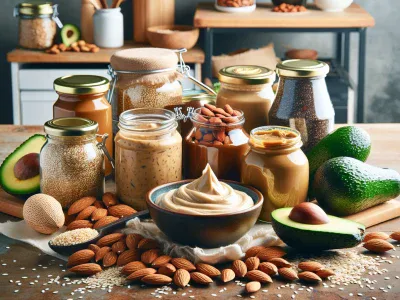
Picture the creamy texture of your favorite spread, but without the peanuts. Whether it’s due to allergies, dietary preferences, or just a desire to try something new, finding a substitute for peanut butter can feel like an adventure in flavor. The good news? There are plenty of delicious alternatives that pack just as much richness and versatility.
Why Look For A Substitute For Peanut Butter?
Health concerns drive many to seek peanut butter alternatives. Allergies to peanuts affect approximately 1% of the U.S. population, according to Food Allergy Research & Education (FARE). If you’re managing a peanut allergy or catering to someone who is, avoiding even trace amounts becomes essential.
Dietary choices often exclude traditional peanut butter. Vegans may opt for substitutes without added animal-derived ingredients like honey in some brands. Similarly, keto or low-carb diets might prioritize nut butters with fewer carbohydrates and sugars.
Cultural or taste preferences also lead people toward substitutes. Some cuisines favor almond butter or tahini due to regional availability and flavor profiles that align better with local recipes.
Variety can be another motivator when looking beyond peanut butter. Exploring options like sunflower seed butter introduces new nutritional benefits, including higher vitamin E content compared to peanuts.
Environmental sustainability plays a role for environmentally conscious individuals. Peanuts typically require less water than almonds; still, choosing products sourced responsibly remains important if reducing your ecological footprint matters to you.
Popular Peanut Butter Alternatives
Peanut butter alternatives offer a range of flavors, textures, and nutritional profiles. They’re suitable for dietary restrictions, allergies, or simply diversifying your pantry.
Almond Butter
Almond butter delivers a creamy consistency with a slight nutty sweetness. Packed with monounsaturated fats and vitamin E, it supports heart health while offering antioxidant benefits. Use it in smoothies, spread on toast, or as a dip for fruits like apples and bananas.
Cashew Butter
Cashew butter offers a rich, buttery texture with mild sweetness. It’s high in copper and magnesium, aiding energy production and bone health. Incorporate it into sauces for Asian-inspired dishes or enjoy it paired with crackers.
Sunflower Seed Butter
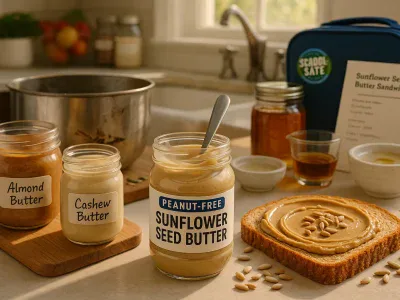
Sunflower seed butter suits those avoiding tree nuts and peanuts. It’s abundant in vitamin E and selenium, boosting immune function. Spread it on sandwiches or mix it into oatmeal for an allergy-friendly option.
Soy Butter
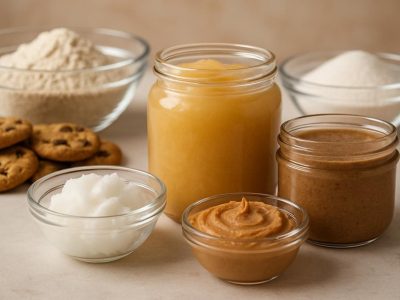
Soy butter is crafted from roasted soybeans and contains plant-based protein. It’s ideal if you follow vegan diets or require peanut-free spreads. Use it in baking recipes like cookies to achieve similar results to peanut butter without the allergens.
Nut-Free Options For Peanut Butter Substitutes
For those avoiding nuts, several options offer similar textures and flavors to peanut butter. These alternatives cater to allergies, dietary preferences, and culinary creativity.
Coconut Butter
Coconut butter provides a creamy texture derived from pureed coconut flesh. It delivers a slightly sweet flavor profile that complements smoothies, toast, and baked goods. Rich in medium-chain triglycerides (MCTs), it aids energy production and supports metabolism. Unlike nut butters, coconut butter solidifies at room temperature; warm it slightly for smooth spreading or dipping.
Examples include using coconut butter as a topping for pancakes or blending it into curries for added creaminess. Its tropical taste pairs well with fruits like bananas or mangoes.
Tahini
Tahini is made from ground sesame seeds and offers an earthy, savory flavor distinct from peanut butter’s sweetness. It’s packed with calcium, magnesium, and healthy fats while being gluten- and nut-free. Versatile in both sweet and savory dishes, tahini enhances salad dressings, sauces for roasted vegetables, or desserts like halva.
You can drizzle tahini over grain bowls or mix it with honey as a dip for apple slices. Middle Eastern recipes frequently incorporate tahini in traditional spreads like hummus or baba ghanoush.
Pumpkin Seed Butter
Pumpkin seed butter boasts a vibrant green hue along with its rich nutritional content of zinc and iron. This spread has an earthy taste that’s slightly nutty yet free of allergens associated with peanuts or tree nuts. High-protein levels make it ideal for active individuals seeking plant-based snacks.
Health Benefits Of Peanut Butter Substitutes
Peanut butter substitutes not only cater to allergies and dietary needs but also offer unique health advantages. They provide diverse nutrients, making them excellent additions to various diets.
Nutritional Comparison
Peanut butter alternatives differ in nutrient profiles, providing benefits for specific health goals. Almond butter contains high amounts of vitamin E and monounsaturated fats, which support heart health and skin vitality. Sunflower seed butter supplies magnesium and selenium, aiding bone strength and immune function. Pumpkin seed butter is rich in zinc and protein, promoting muscle repair and immune resilience.
Tahini offers calcium and healthy fats essential for bone density. Cashew butter includes copper, supporting red blood cell production and energy metabolism. Coconut butter provides medium-chain triglycerides (MCTs), enhancing energy levels during workouts or busy days.
Allergen Considerations
For those avoiding nuts or specific allergens, nut-free options like sunflower seed butter stand out as safe choices for peanut-sensitive individuals. Soy-based spreads work well for vegans seeking a protein-rich alternative without tree nuts or peanuts involved.
Pumpkin seed butter serves as an allergen-friendly choice packed with antioxidants that benefit overall health while staying free from common triggers like gluten or dairy components.
How To Use Peanut Butter Substitutes In Recipes
Peanut butter substitutes offer versatility in recipes while catering to dietary needs or allergies. Whether you’re making spreads, smoothies, or baked goods, these alternatives provide delicious solutions.
Spreads And Sandwiches
Spread peanut butter substitutes directly onto bread or crackers for a quick snack. Almond butter pairs well with whole-grain toast and sliced bananas, delivering a balance of protein and natural sweetness. Sunflower seed butter complements savory sandwiches; try it with turkey slices and fresh spinach for added nutrients. For nut-free options, tahini adds a creamy texture to wraps or can be drizzled over flatbreads with vegetables.
Pumpkin seed butter transforms traditional PB&J into an allergen-friendly option when paired with your favorite fruit jam. Coconut butter offers a sweet flavor that works well on pancakes as an alternative topping.
Smoothies And Desserts
Blend substitutes into smoothies for creaminess and nutritional benefits. Cashew butter enhances tropical-flavored blends like mango-pineapple by adding healthy fats without overpowering the taste. Sunflower seed butter creates a smooth base for green smoothies packed with spinach and avocado.
Use tahini in desserts like brownies or cookies to introduce unique flavors—its earthy profile balances sweetness effectively. Coconut butter can replace frosting on cupcakes; its subtle richness elevates both texture and presentation in plant-based treats.
Cooking And Baking
In savory dishes, peanut butter alternatives add depth to sauces and marinades. Tahini enriches hummus recipes while providing calcium-rich content suitable for vegan diets. Cashew butter thickens curries when whisked with coconut milk, creating creamy textures ideal for Southeast Asian-inspired meals.
For baking, almond or sunflower seed butters replace peanut butter seamlessly in cookies or energy bars due to their similar consistency. Pumpkin seed butter introduces vibrant color and nutritional value to muffins without compromising taste.
Conclusion
Finding a substitute for peanut butter doesn’t mean compromising on flavor, texture, or nutrition. Whether you’re addressing allergies, exploring new tastes, or aligning with dietary goals, there’s an alternative that fits your needs. From creamy almond and cashew butters to nut-free options like tahini and pumpkin seed butter, the possibilities are endless.
These substitutes not only offer versatility in recipes but also bring unique health benefits to the table. By experimenting with different options, you can discover spreads that elevate your meals while catering to your lifestyle and preferences.
To provide the best experiences, we use technologies like cookies to store and/or access device information. Consenting to these technologies will allow us to process data such as browsing behaviour or unique IDs on this site. Not consenting or withdrawing consent, may adversely affect certain features and functions.
Functional
Always active
The technical storage or access is strictly necessary for the legitimate purpose of enabling the use of a specific service explicitly requested by the subscriber or user, or for the sole purpose of carrying out the transmission of a communication over an electronic communications network.
Preferences
The technical storage or access is necessary for the legitimate purpose of storing preferences that are not requested by the subscriber or user.
Statistics
The technical storage or access that is used exclusively for statistical purposes.The technical storage or access that is used exclusively for anonymous statistical purposes. Without a subpoena, voluntary compliance on the part of your Internet Service Provider, or additional records from a third party, information stored or retrieved for this purpose alone cannot usually be used to identify you.
Marketing
The technical storage or access is required to create user profiles to send advertising, or to track the user on a website or across several websites for similar marketing purposes.