Imagine opening your pantry and realizing the butter beans are missing from your recipe. That creamy, velvety texture is hard to replace, but don’t worry—there are clever substitutes that can step in seamlessly.
When you need a reliable swap, some options bring their own delightful twists, like a secret ingredient that elevates your dish. Surprisingly, choosing the right replacement can even add a subtle richness that enhances the overall flavor.
Think of it as finding a hidden gem in your kitchen treasure chest—ready to turn a simple meal into something memorable.
Why Butter Beans Are Unique in Your Recipes
Butter beans are a special type of legume known for their creamy texture and mild, buttery flavor. Unlike many other beans, they stand out because they stay soft and smooth when cooked properly. To get the best results, it’s best to simmer them gently or cook them slowly. This helps keep their softness without turning them mushy. If you overcook them, they can become too soft and lose their shape, which might not be good for some recipes.
Many people love how butter beans absorb flavors from spices and herbs. For example, in a stew or salad, they soak up the taste and add a comforting creaminess. Their flavor is delicate but rich, making them perfect for dishes where you want a smooth, mild taste without overpowering spices. Some cooks say they’re the best choice for creamy soups or side dishes because of their unique mouthfeel.
But there are some things to watch out for. Butter beans are more delicate than other beans and can turn mushy if cooked too long. Also, some brands might be softer or firmer, so it’s good to try a few to see which you like best. While they are versatile, they may not hold their shape in certain recipes like salads if overcooked.
In the end, butter beans give a special touch to many dishes. They bring a gentle richness and smooth texture that many other beans can’t match. Whether you’re making a hearty stew or a simple side, they add a subtle, comforting flavor that makes your dish stand out. Would you try them in your next recipe?
Best Butter Bean Substitutes: What to Know Before You Swap
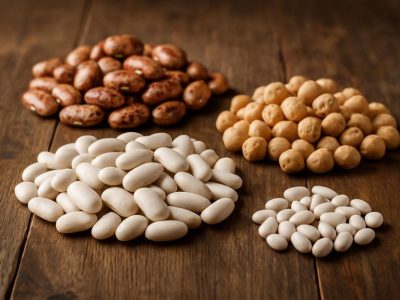
Butter beans are creamy and soft, but sometimes you need a substitute. The key is to find beans that match their texture and flavor. Not all beans cook the same or taste alike. Some break down easily, making your dish mushy, while others stay firm and keep their shape. Also, flavor matters—some beans have an earthy taste, others are mild and sweet. Picking the right substitute depends on your recipe and what you want it to taste and feel like.
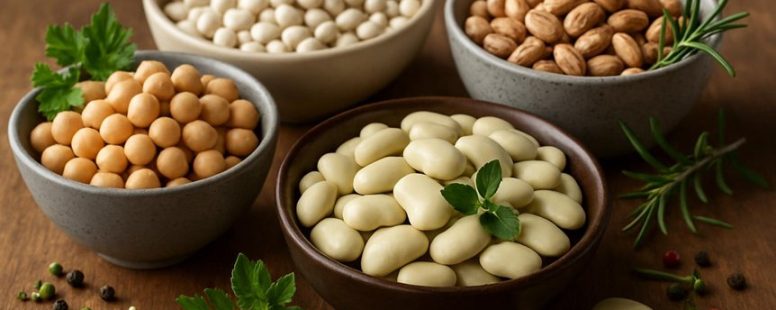
For example, if your dish needs a smooth, creamy texture, chickpeas or cannellini beans can work well. They are mild and hold their shape nicely. But if you want a more earthy flavor, navy beans or pinto beans might be better. Keep in mind that cooking times can vary. Some beans cook faster, while others take longer, so adjust your cooking accordingly.
If you are in a hurry, canned beans are a quick option. Just rinse them well before adding to your dish. Dried beans need soaking and longer cooking, so plan ahead.
Some people say kidney beans are a good substitute because they are similar in size and texture. But they have a stronger flavor, so they might change the taste of your dish. Be careful with beans that are too firm or too soft; they can throw off your recipe’s balance.
There are different opinions about the best substitutes. Some cooks prefer chickpeas for their neutral flavor, while others like navy beans for their subtle sweetness. Both choices can work, but they each bring different flavors and textures.
Remember, swapping beans is not always perfect. You might need to adjust cooking times or add extra seasoning. Sometimes, a substitute can change the dish more than expected, so taste as you go.
How to Use Navy Beans as a Butter Bean Substitute
Navy beans are a good substitute for butter beans because they are similar in size and texture. This makes swapping them easy in many recipes like soups, stews, and salads. Navy beans have a mild flavor that blends well, so they won’t change the taste of your dish much.
To use navy beans instead of butter beans, cook the navy beans until they are soft. Then season them just like you would with butter beans. For example, if a recipe calls for baked beans or creamy casseroles with butter beans, you can replace them with navy beans and still get a tasty result.
Navy beans are also healthy. They are high in fiber and protein, which helps make your meals more nutritious. But keep in mind, navy beans are smaller and might be a little firmer than butter beans. So if you want the exact same texture, they might not be perfect every time.
Some people find navy beans a good option because they are easy to find in grocery stores and usually cheaper than butter beans. Others might notice that navy beans have a slightly different flavor or texture. So it’s good to try them in small amounts first to see if you like the taste and feel.
Next time you run out of butter beans, give navy beans a shot. They are a simple and healthy way to keep your favorite dishes going.
Why Cannellini Beans Make a Great Butter Bean Swap
Cannellini beans are a good substitute for butter beans, especially if you want a creamier texture and a slightly nutty taste. They blend well into dishes where butter beans are usually used. You can cook them in different ways, whether simmered gently or added directly to baked recipes.
Here’s why many people choose cannellini beans instead of butter beans:
They have a creamier texture that closely mimics butter beans.
Their nutty flavor adds extra taste without overpowering the dish.
They are versatile and work well in soups, stews, and casseroles.
They soak up seasonings easily, making your dish tastier.
If you are looking for an alternative to butter beans that can make your meals better, cannellini beans are a solid choice. Just keep in mind that they are more delicate and can turn mushy if cooked too long, so watch your cooking time. Some cooks might prefer other options like gigante beans or lima beans, which can also work as substitutes but have different flavors and textures.
Sources like the American Heart Association say that beans are a healthy addition to your diet because they are high in protein and fiber. But, not everyone loves the nutty flavor or the creaminess, so it’s worth trying them out first before making a full switch. Would you like to know how to prepare cannellini beans step-by-step?
Using Great Northern Beans to Replace Butter Beans
Great Northern beans are a good choice if you want to replace butter beans in your recipes. They are similar because they have a mild flavor and a firm texture. This means they won’t change how your dish tastes or feels. Great Northern beans are also creamy when cooked, which makes them work well as a substitute for butter beans.
Some people worry that switching beans might make dishes less tasty, but Great Northern beans soak up spices and herbs nicely. For example, in baked bean casseroles or bean salads, they take on flavors easily. They also hold their shape during cooking, so your dish doesn’t turn mushy.
However, not everyone agrees. Some say that butter beans are softer and creamier than Great Northern beans, so the texture might be a little different. If you want a close match, Great Northern beans are a reliable choice. They give your dishes a satisfying bite and a good flavor without overpowering other ingredients.
If you’re trying to decide, ask yourself if you want a bean that’s similar in texture or one that’s more flavorful. Great Northern beans are a safe, easy swap, but they might not be perfect if you really need that super soft, buttery feel of butter beans.
In short, Great Northern beans are a smart option for replacing butter beans because they taste good, hold their shape, and soak up flavors well. Just remember, they are not exactly the same, so if perfect softness is what you need, you might want to stick with butter beans or try other options.
When Should You Choose Chickpeas as a Butter Bean Alternative?
Chickpeas are a good substitute for butter beans, especially when you want a different flavor and texture. They are firmer than butter beans and have a nutty taste. If you are looking for a stronger flavor that stands out, chickpeas are a great choice. They also add extra protein and fiber to your meal, making it more filling and nutritious.
Chickpeas are very versatile. You can use them in salads, stews, or dips like hummus. If your recipe needs a thicker, heartier ingredient with a slightly nutty flavor, chickpeas work well. But keep in mind, they are firmer and can change the texture of your dish.
Some people prefer chickpeas for their taste and health benefits, but they may not be the best if you want a softer, creamier texture like butter beans. Also, chickpeas can be a little more expensive or harder to find in some stores.
Adjusting Cooking Times for Butter Bean Substitutes
When you swap out butter beans for other beans like chickpeas or kidney beans, you need to change how long you cook them. Different beans take different times to get soft. For example, chickpeas usually take longer than cannellini beans. If you want your beans to be just right, pay attention to their texture. Some beans cook quickly but can turn mushy if you aren’t careful. Also, soaking beans overnight can cut their cooking time in half. Soaking helps beans soften faster and makes cooking easier. Just remember, skipping soaking might mean waiting longer, so plan ahead.
Some people prefer canned beans because they are already soft and ready to eat, but dried beans often taste better and cost less. If you’re in a hurry, canned beans are a good choice, but they are softer right out of the can. When using dried beans, always soak them first unless you want a longer cooking time.
There are two sides to this. Some cooks say soaking is necessary for the best flavor and texture. Others argue it’s okay to skip soaking if you’re in a rush and just want a quick meal. Be aware that undercooked beans can be hard to chew and might upset your stomach. So, if you’re new to cooking beans, follow soaking instructions for better results.
Think about it like this: cooking beans is like baking a cake. If you don’t give them enough time, they won’t turn out right. But too long, and they might fall apart. The key is to find the right balance based on the type of bean you use.
Sources say soaking can reduce cooking time from about 1 hour to 30 minutes for dried beans. But if you forget to soak, just be prepared to cook longer. So, whether you want quick or flavorful beans, choose the right method and keep an eye on their softness.
Cooking Times Comparison
Cooking times for butter bean substitutes vary a lot, so adjusting how long you cook them is key. Different beans need different methods and flavors also change how long they take. Here’s a simple guide to help you:
Cannellini beans are best cooked for 45 to 60 minutes on a simmer. They turn out creamy and have a mild taste. If you want a smooth texture for salads or soups, these are a good choice.
Lima beans cook faster, needing about 30 to 40 minutes boiling. They taste buttery and a little sweet. Perfect if you like a softer, richer bean.
Chickpeas take longer, needing 60 to 90 minutes soaking and then cooking. They have a nutty flavor and stay firm. Use them in hummus or salads.
Navy beans need about 60 to 70 minutes simmering. They have a subtle flavor and get soft, making them good for soups and stews.
Keep in mind, the method you choose and the flavor you want will change how long you should cook these beans. Do not forget to soak chickpeas ahead of time if you want them to cook faster. Also, overcooking can make beans mushy, so check them early. Remember, different brands and freshness can also affect cooking times.
Texture Impact On Timing
Cooking times mainly tell you how long to cook your butter bean substitute, but the texture you want really decides the exact time. Different beans feel and look different when cooked. Some get super creamy if you cook them longer, while others stay firm if you cook them less. For example, chickpeas need more time to soften, but lima beans get soft quickly. If you want beans that melt in your mouth, cook them a little longer, but be careful not to turn them mushy unless that’s what you like. If you want firm beans, cut down on cooking time or use gentle heat. Knowing how each bean feels after cooking helps you pick the right amount of time so your substitute matches the soft, buttery texture of real butter beans every time.
Soaking Effects On Cooking
Soaking is not always needed when cooking beans, but it can be very helpful. It helps your beans cook faster and improves their texture. For example, soaking butter bean substitutes like lima or cannellini beans makes a difference. Even soaking for a few hours can cut down cooking time and help beans cook evenly. This way, they won’t stay tough or turn mushy.
Here’s what soaking does for you:
It softens the beans, so they cook in half the time. Imagine cooking beans in just 30 minutes instead of an hour.
It helps improve the texture, so your beans don’t become too mushy or stay hard.
It removes some indigestible sugars that can cause stomach trouble. Soaking makes beans easier to digest.
It makes sure beans cook evenly, so none stay tough or split open.
Some people worry that soaking takes too long, but even a few hours can make a big difference. If you’re in a rush, you can soak beans overnight or do a quick soak by boiling them for 10 minutes and then letting them sit for an hour. Just remember, if you soak your beans, you might need less cooking time, so watch them carefully.
However, some folks say soaking isn’t necessary if you’re short on time. You can still cook beans without soaking, but they might take longer to cook and sometimes turn out less evenly. It all depends on what you prefer and how much time you have.
In the end, soaking is a simple trick that can make your beans taste better and cook faster. Whether you decide to soak or not, knowing how it works helps you make the best choice for your dish.
Nutritional Differences Between Butter Beans and Their Alternatives
Butter beans are known for being rich in protein, fiber, and key minerals like iron and magnesium. If you want to swap them out, it’s good to know how other foods compare. For example, chickpeas and lima beans are common alternatives. They have similar nutrients but differ in calories and fat. Chickpeas, for instance, have a bit more fiber and protein, which helps with digestion and muscle health. Lima beans usually have less fat but still offer plenty of fiber.
Some substitutes might not have the same amount of vitamins as butter beans. So, if you’re aiming for specific nutrients, check the labels or do a quick online search. This way, you can pick the best option for your health goals.
Think of it like choosing between different tools for a job. Each one might do the job well, but some are better for certain tasks. Remember, not all options are perfect, and some might lack certain vitamins butter beans provide. So, do your homework before making a switch. Understanding these differences helps you make smarter choices without losing the health benefits you expect from butter beans.
To provide the best experiences, we use technologies like cookies to store and/or access device information. Consenting to these technologies will allow us to process data such as browsing behaviour or unique IDs on this site. Not consenting or withdrawing consent, may adversely affect certain features and functions.
Functional
Always active
The technical storage or access is strictly necessary for the legitimate purpose of enabling the use of a specific service explicitly requested by the subscriber or user, or for the sole purpose of carrying out the transmission of a communication over an electronic communications network.
Preferences
The technical storage or access is necessary for the legitimate purpose of storing preferences that are not requested by the subscriber or user.
Statistics
The technical storage or access that is used exclusively for statistical purposes.The technical storage or access that is used exclusively for anonymous statistical purposes. Without a subpoena, voluntary compliance on the part of your Internet Service Provider, or additional records from a third party, information stored or retrieved for this purpose alone cannot usually be used to identify you.
Marketing
The technical storage or access is required to create user profiles to send advertising, or to track the user on a website or across several websites for similar marketing purposes.