Best Substitute for Vegetable Oil in Baking
Imagine biting into a perfectly moist cake, each crumb tender and bursting with flavor.
Replacing vegetable oil in baking isn’t just about swapping ingredients—it’s like tuning an instrument to create the perfect harmony of texture, taste, and moisture. When you choose a healthier alternative or run out of oil, your options can transform your recipe into an entirely new experience.
Did you know some substitutes can add a subtle hint of nuttiness or boost nutritional value without sacrificing fluffiness?
Navigating these choices is an adventure, and understanding their unique effects can turn your baking into a delightful discovery.
Why You Might Need a Vegetable Oil Substitute
Vegetable oil is a common ingredient in baking, but sometimes you need a substitute. The main reasons are health concerns, flavor preferences, texture effects, or simply not having it available.
Health reasons are a big concern. Some oils may not fit certain diets or allergies. For example, people with nut allergies might avoid oils like peanut or almond oil. Others might want to reduce saturated fats or avoid oils with trans fats.
Flavor is another reason. Vegetable oil has a neutral taste, but some bakers prefer oils with a richer or nuttier flavor. For example, coconut oil adds sweetness, while olive oil gives a slightly fruity taste.
Texture can also be affected by different oils. Some oils make baked goods moister or crisper. If you want a softer cake, you might choose a different oil or fat.
Availability is a simple reason. You might run out of vegetable oil or not have it on hand. In that case, knowing good substitutes can save your baking.
There are two main viewpoints. Some say using substitutes is fine as long as you understand their differences. Others warn that certain oils might change the texture or taste too much. For example, using butter instead of oil can make baked goods denser, and some oils like flaxseed oil may have strong flavors that compete with other ingredients.
In the end, choosing the right substitute depends on what you want from your baked goods. Consider health, flavor, texture, and what you have available. Keep in mind, not all substitutes work perfectly every time, so sometimes you need to experiment.
Criteria for Choosing the Right Vegetable Oil Substitute
Choosing the right vegetable oil substitute depends on what matters most to you. The first thing to think about is health. For example, extra virgin olive oil has healthy fats that are good for your heart, while coconut oil has more saturated fat, which might not be as healthy if you use it too often. Some oils, like avocado oil, are packed with nutrients and can boost your nutrition.
Next, consider how the substitute affects your baked goods. If you want moist, tender bread or cake, some oils work better than others. For example, applesauce or mashed bananas can add moisture without extra fat, but they might change the texture a little. If you want a crispy fry, vegetable or canola oil might be your best choice.
There are two main viewpoints. Some say health should always come first, so they pick oils low in saturated fat. Others focus on how the oil affects the taste and texture of food. For example, butter gives a rich flavor but doesn’t work well for frying.
A warning: not all substitutes are perfect. For example, using olive oil on high heat can burn easily, and some substitutions might change the flavor of your dish.
Here’s a simple way to choose. First, decide what’s most important for your recipe—health, taste, or texture. Then pick an oil or alternative that matches that goal. Sometimes, trying a few options helps you find what works best. For example, if you want a healthier option for baking, try using applesauce or Greek yogurt. If you need something for frying, vegetable oil or canola oil might be better.
In the end, it’s about balancing health, flavor, and how your food turns out. Don’t be afraid to experiment and see what you like best.
Health Benefits Comparison
Choosing the right substitute for vegetable oil can make a big difference in how your baked goods taste and how healthy they are. Here’s a simple guide to help you understand the main options and their benefits.
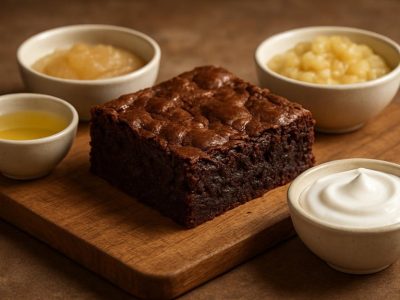
First, applesauce is a good choice if you want to add moisture with less fat. It keeps baked items soft and lowers calories, which is good for your heart. But, it might change the texture or flavor a little. For example, using applesauce in muffins can make them lighter but may make them a bit sweeter.
Coconut oil provides healthy fats called medium-chain triglycerides. These fats can give you quick energy and may support weight loss. However, coconut oil has a strong flavor that might not fit every recipe. If you bake cookies with it, they could taste more tropical. Keep in mind, some people worry about the saturated fat in coconut oil, so use it in moderation.
Yogurt is another option. It adds protein and probiotics, which help digestion. Yogurt makes baked goods moist and tender. But, it can also add a tangy taste that might not match every dessert. For example, using yogurt in banana bread can boost nutrition, but it might change the flavor slightly.
Understanding the nutritional differences helps you pick the best substitute for your needs. Applesauce is low in fat and calories, coconut oil offers healthy fats, and yogurt adds protein and probiotics. Each has its good and bad points, so think about what’s most important for your health and what flavor you want.
Some people might prefer one over the others depending on their health goals or taste preferences. But remember, no substitute is perfect. For example, applesauce might make baked goods softer but could reduce richness. Coconut oil adds flavor but has more saturated fat. Yogurt boosts nutrition but can change the taste.
In the end, trying different options can help you find what works best for you. Just be careful not to assume that all substitutes will give the same results. Testing small batches first can save you from surprises. When you pick the right substitute, your baked treats can be both tasty and healthier.
Baking Performance Impact
Choosing the best substitute for vegetable oil depends on what you want your baked goods to be like. Different options can change how your baked items turn out. For example, applesauce adds moisture and makes the texture softer, but it can also make cakes a bit more delicate. Melted butter gives baked goods a richer flavor and a tender crumb, but it can also make them denser. Coconut oil is another choice; it adds a subtle coconut taste and can improve moisture, but it might overpower other flavors if you use too much.
When picking a substitute, think about how it will affect the texture and flavor of your baked goods. Some substitutes work better for certain recipes. For instance, applesauce is good for muffins and quick breads, while butter works well for cookies and cakes. Keep in mind that some options, like coconut oil, give a distinct taste that not everyone may like.
If you want to make a healthier swap, applesauce or mashed bananas can replace oil without adding bad fats. But they might also make your baked goods softer or denser. On the other hand, using butter or coconut oil can give a richer flavor but adds more calories.
A good way to decide is to think about what you want from your baked goods. Do you want moist and soft, or rich and tender? Do you care about flavor or calories more? Trying small batches with different substitutes can help you find what works best for your recipes.
Best Vegetable Oil Substitutes for Baking
Vegetable oil substitutes for baking are popular because they can change how your baked goods turn out. The best substitute depends on what you want—moisture, flavor, or texture—and how the substitute reacts in your recipe.
One common substitute is applesauce. It adds moisture and helps baked goods stay soft. However, applesauce can make your treats denser and may affect the flavor, giving a slight fruity taste. It works well in cakes and muffins but might not be good for recipes that need a crisp crust like cookies.
Yogurt is another option. It adds moisture and a bit of tang, which can enhance flavor. Use plain Greek yogurt for a thicker texture. Keep in mind, yogurt can make baked items a little softer and may change their appearance. It’s great for quick breads or muffins but might not suit recipes where a crumbly texture is needed.
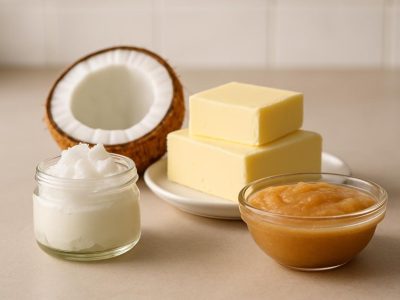
Melted butter is a traditional substitute. It adds richness and flavor, making baked goods taste more indulgent. Butter also helps with browning. But it’s higher in calories and saturated fat, so if you’re watching those, it may not be the best choice. Plus, butter can sometimes change the texture slightly, making items more tender.
Some bakers like using vegetable-based oils like olive oil or coconut oil. These are similar to vegetable oil but can add their own flavor. Olive oil gives a fruity note, while coconut oil adds a hint of sweetness. Just be careful with the amount because too much can overpower your baked goods.
A few tips if you want to swap oils: replace 1 cup of vegetable oil with about ¾ cup of applesauce or yogurt. For melted butter or oil, use the same amount as called for in the recipe. Remember, each substitute may change the texture or taste, so it might take a little experimenting to find what works best for you.
In the end, choosing the right substitute depends on what you’re baking and your personal preferences. Some people prefer healthier options like applesauce, while others want richer flavor from butter. Try small batches first to see how it turns out. And don’t forget, some substitutes work better in certain recipes than others.
Common Oil Alternatives
Vegetable oil is often used in baking, but there are good alternatives. Here are some common options and what they do:
Canola oil is a popular choice. It has a mild flavor and keeps baked goods moist without changing the taste too much. If you want your cake to stay soft and not taste oily, canola is a safe bet.
Olive oil adds a fruity flavor. It works well in savory breads or some cakes. But keep in mind, olive oil can change the texture slightly and might make baked goods taste a little different. If you like a hint of fruitiness, try using extra virgin olive oil.
Coconut oil gives a slight sweetness and makes baked items tender. It can make your cookies or muffins soft and moist. However, coconut oil firms up when cooled, so your baked goods might feel a little denser if chilled.
When choosing an alternative, think about the flavor and texture you want. For example, if you want a neutral taste, go with canola. If you prefer a richer flavor, olive or coconut oil can add extra taste.
Some people worry about using these oils. For example, coconut oil has more saturated fat, which some health experts suggest limiting. Also, olive oil might change the look and feel of your baked goods more than other options. So, try different oils to see what works best for your recipes.
Would you like to know how to swap oils in your baking step by step? Or want to hear more about which oil gives the best moisture? Just ask!
Benefits of Substitutes
Replacing vegetable oil in baking can bring some clear benefits. First, it can improve the flavor of your baked goods. For example, applesauce adds a fruity sweetness, while coconut oil gives a rich, tropical aroma. These substitutes can make your treats taste more interesting. Second, using plant-based or local options can be better for the environment. Producing these alternatives often creates less pollution or uses fewer resources than regular vegetable oil. But, it’s worth noting that some substitutes, like applesauce, might change the texture or moisture of your baked goods. So, they may not work perfectly in every recipe. Trying different options can help you find what tastes best and fits your needs. Overall, swapping vegetable oil can make your baking more flavorful and eco-friendly, but it’s good to know the limitations too.
Usage Tips and Ratios
Using the right ratios is the best way to swap vegetable oil in baking without losing moisture or changing the texture. For example, if you want to replace oil with applesauce, use the same amount — a 1 to 1 ratio — to keep the baked goods moist. Just remember to cut back on sugar a little, since applesauce adds sweetness. If you pick melted butter instead, match the amount exactly, but expect a richer flavor that can make your treats taste more buttery. Yogurt or sour cream also work well at a 1 to 1 ratio, giving moisture and a tiny tang that can add flavor. Liquid swaps like fruit purees might make the batter thinner, so you might need to add a little more flour to keep the right consistency. Trying out these tips can help you bake treats that stay moist and tasty, and making the switch from vegetable oil is usually pretty easy.
Common Pantry Oils That Replace Vegetable Oil
When you don’t have vegetable oil, there are some common pantry oils that can replace it easily. Olive oil is a popular choice because it adds a little richness to baked goods. It works well in savory breads, muffins, and even some cakes. But be aware that olive oil has a strong flavor, which might change how your recipe tastes. If you want a milder taste, you can try refined olive oil or light olive oil, which don’t have as much flavor.
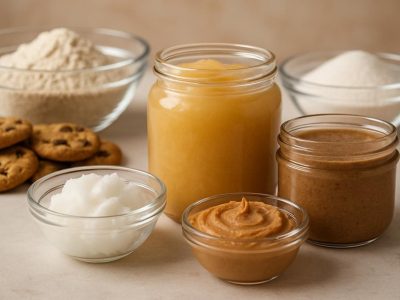
Coconut oil is another good substitute. It’s solid at room temperature but melts quickly when heated. This makes it perfect for baking cookies, cakes, or muffins. Coconut oil has a slight sweetness that can make treats taste better. But if you don’t want any coconut flavor, use refined coconut oil because it’s neutral. Both olive oil and coconut oil help keep baked items moist and tender, similar to vegetable oil.
Some people worry about using these oils because they have different flavors or textures. Olive oil can make baked goods taste more savory, which isn’t always what you want. Coconut oil might make your treats a little sweet or have a coconut smell. So, think about what flavor you prefer before choosing an oil. These pantry oils are handy because you probably already have them at home, and they can keep your baking going without a last-minute trip to the store.
Healthier Vegetable Oil Alternatives for Baking
Vegetable oil is common in baking, but there are healthier options that can improve nutrition without changing how your baked goods turn out. Olive oil, avocado oil, and coconut oil are good choices because they each offer unique benefits and flavors.
Olive oil is a good source of healthy fats called monounsaturated fats and contains antioxidants. It adds a subtle fruity flavor, making it great for savory breads or spiced treats. Some bakers prefer extra virgin olive oil for its richer taste. However, it has a strong flavor that might not work in all recipes.
Avocado oil is mild in taste and has a high smoke point, so it can be used at higher baking temperatures. It keeps baked goods moist and adds healthy fats, which are good for your heart. It’s a flexible choice for cakes, muffins, or cookies.
Coconut oil is slightly sweet and gives baked goods a firm texture because of its saturated fats. It’s perfect for certain cakes or cookies that benefit from a bit of crunch or firmness. Keep in mind, coconut oil can add a coconut flavor, which some people may not want.
Both advantages and limitations exist with these oils. For example, olive oil is healthy but can overpower delicate flavors. Coconut oil adds sweetness but may not suit everyone’s taste. Avocado oil is neutral but sometimes more expensive than other options.
Choosing the right oil depends on your recipe and health goals. If you want a subtle flavor and extra health benefits, go for olive or avocado oil. If you need firmness or a touch of sweetness, coconut oil might be better. Remember, trying different oils can help you find what works best for your baking needs.
Sources: Harvard T.H. Chan School of Public Health, “Healthy Cooking Oils,” 2022.
Fruit-Based Substitutes Like Applesauce and Banana
Fruit-based substitutes like applesauce and bananas are popular choices in baking because they add moisture and natural sweetness. If you want to make your baked goods healthier or reduce fat, these options are good alternatives to vegetable oil.
Applesauce is a neutral fruit that gives a subtle sweetness, making it easy to replace oil in most recipes. I often swap half or all of the oil with an equal amount of unsweetened applesauce when I want a softer texture without extra fat. Bananas, on the other hand, bring a richer flavor and make baked goods denser. They work best in recipes like banana bread or muffins that can handle a strong banana taste.
Both fruits add interesting texture to baked goods. They make the treats less uniform and more fun to eat. To use them, I usually replace half or all of the oil with an equal amount of fruit puree. Keep in mind that bananas are best in recipes that match their flavor, while applesauce fits almost any type of baked treat.
Some people love these fruit swaps because they make baking healthier and tastier. But be warned: using too much banana can make baked goods very dense and heavy, and applesauce may change the texture slightly. It’s good to experiment and see what works best for your favorite recipes.
Dairy-Based Options to Use Instead of Vegetable Oil
Dairy-based options can replace vegetable oil in baking, but they work differently. Yogurt, sour cream, and buttermilk are good choices if you want a moist and tender result. These ingredients add moisture and give baked goods a slight tang that can make flavors pop. For example, full-fat yogurt or sour cream can replace part of the butter or oil and keep cakes or muffins soft. But keep in mind, dairy options change the texture and density compared to oil. So, they work better in certain recipes. Some bakers prefer buttermilk in pancakes because it makes them fluffy and light. Others find yogurt best for muffins because it keeps them moist.
If you decide to use dairy instead of oil, start by replacing a quarter to half of the oil with yogurt, sour cream, or buttermilk. Mix well and see how the batter looks. You might need to adjust other ingredients, like flour or sugar, depending on the recipe. Remember, dairy options add richness but can make baked goods a little denser than oil.
Some people love dairy substitutes because they add flavor and moisture naturally. Others worry they might change the texture too much or make baked goods heavier. It’s good to experiment with small batches first. Dairy options work best in recipes that already have some tang or moisture. They might not be the best choice for recipes that need light and airy textures, like meringues.
How to Adjust Recipes When Using Vegetable Oil Substitutes
Using different ingredients instead of vegetable oil can change how your recipes turn out. To get the best results, you need to make some adjustments.
First, understand that substitutes have different moisture and texture. For example, if you use applesauce, you should cut back on other liquids in your recipe because applesauce adds extra moisture. If you use butter or margarine, melt it first so it mimics the liquid feel of oil.
Flavor is also important. Coconut oil, for example, adds a coconut taste that might change your dish. You might want to lessen sweeteners or spices if you use it. Also, some substitutes are heavier or denser, which can make baked goods feel heavier. You might need to change your baking time or oven temperature a little to fix this.
Here are some steps to follow when swapping ingredients:
- Pick the right substitute based on the recipe.
- Adjust liquids or other ingredients to match the new ingredient’s moisture level.
- Consider the flavor. Add less sweetener or spices if your substitute has a strong taste.
- Watch your baking time and temperature and change them if needed.
Some people love using applesauce because it makes baked goods moist and reduces fat. Others prefer butter for flavor but need to melt it to get the right consistency. Keep in mind that not all substitutes work perfectly in every recipe. It may take a few tries to get it right.

- Top Free Alternatives to VTube Studio for Streamers - October 24, 2026
- Software Development Models Comparison: SDLC Frameworks - October 23, 2026
- WxWidgets Alternatives for Cross-Platform GUI Development - October 22, 2026
by Ellie B, Site Owner / Publisher