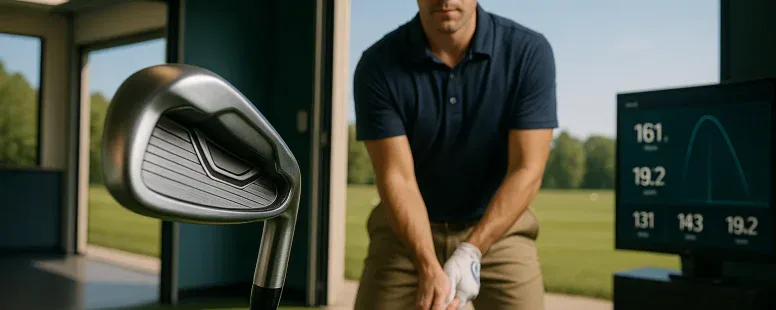
Best Beginners Irons: A Practical Guide To Choosing Your First Set
You want irons that forgive mishits, feel predictable, and help you lower scores without masking flaws. The best beginners irons do exactly that: they widen your margin for error, launch the ball higher, and make on-course feedback clear so you learn faster. Picture a club that softly hums at impact, sends the ball on a steady arc, and lets you watch progress round after round, that clarity speeds learning. In this guide you’ll find practical criteria, fitting pointers, and honest recommendations (including real brands like Ping, Callaway, TaylorMade, Cobra and Mizuno) to help you pick a first set that fits your swing, wallet, and improvement plan.
What Makes An Iron Good For Beginners
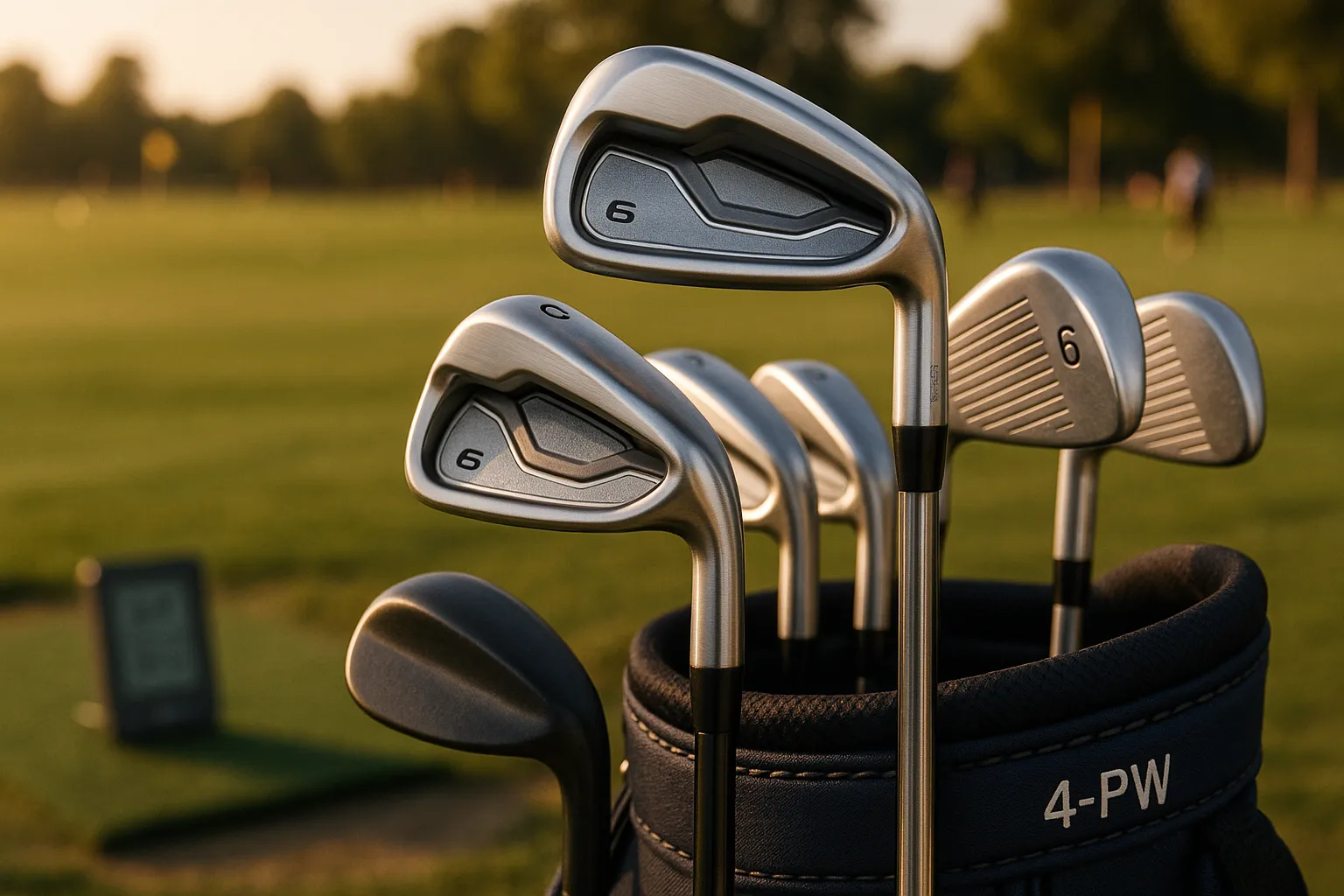
Fact: A good beginner iron is forgiving, consistent, and confidence-building.
Forgiveness And Sweet Spot
Start with the core idea: forgiveness reduces the penalty on off-center hits. For beginners you want cavity-back irons with wide soles and low-to-mid center of gravity. These features move the sweet spot closer to the clubface’s geometric center and widen the effective hitting area. Brands like Ping and Callaway add perimeter weighting and polymer inserts to mute mis-hits: that helps you stay positive after a poor strike.
Shaft Options: Graphite Vs. Steel
Clear answer first: graphite lowers weight and can increase clubhead speed: steel gives feedback and durability. If you have a slower swing speed or joint issues, graphite shafts often produce more distance and a higher launch. Steel shafts suit players who prefer sharper feedback and tighter dispersion. Try both: a 6-iron with graphite may feel springy, while steel will feel firmer and more connected.
Loft, Launch, And Distance Considerations
Beginners often benefit from stronger lofts and higher launch. Modern game-improvement irons use progressive lofts and varying CG between long and short irons. That means your 4–7 irons will help you get the ball airborne, while the shorter irons keep control. Don’t chase distance only: look for predictable gapping so each club covers a clear yardage window.
Set Composition And Gapping
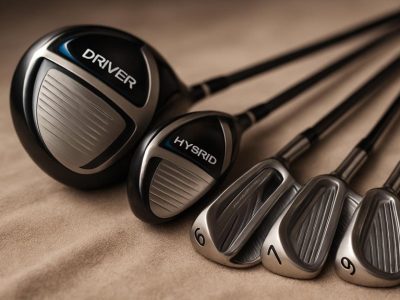
Beginner sets commonly include 4–PW or 5–PW plus a hybrid or 4-iron replacement. Fact: hybrids replace long irons for easier launch and better turf interaction. Ensure the yardage gap between clubs is roughly 10–15 yards: inconsistent gapping causes shot selection problems and confusion on the course.
Feel, Sound, And Confidence Factors
Fact: feel and sound shape confidence. A club that feels dead at impact saps your trust. Many manufacturers tweak inserts and hosel geometry to produce a fuller sound and softer feel. Mizuno, for example, is known for blade-like feel in forged models, while game-improvement irons push for a muted, reassuring click. Pick what makes you swing freely, confidence matters as much as tech.
How To Choose Beginner Irons Based On Your Game
Fact: Match the iron package to your current skills and realistic goals.
Match Irons To Your Handicap And Skill Level
If your index sits above 20, prioritize forgiveness and distance over workability. Players between 12–20 might benefit from slightly more compact heads that still offer perimeter weighting. Low-handicap beginners (under 12) can start to value shaping ability and shot control, but most true beginners need maximum help.
Account For Swing Speed And Ball Flight
Measure your swing speed. If your driver swing speed is under 85 mph, choose lighter shafts and higher-launch irons. Faster swingers should favor stiffer shaft options and a lower launch to control spin. Watch your ball flight in a session: if you see low flight and heavy spin, a stronger loft isn’t the answer, adjust shaft flex or ball choice instead.
Budget And Long-Term Value
Fact: new doesn’t always equal better value. Sets from major brands like TaylorMade and Callaway often bundle technology with support, while off-brand new sets can be cheaper but less consistent. Consider used clubs from reputable lines: a 2–3 year old Ping or Cobra game-improvement set can cost much less and perform nearly the same. Balance upfront cost with how long you expect to use the irons.
Playing Frequency And Improvement Goals
If you play twice a week and take lessons, invest in a quality fit and a mid-tier new set. If you play once a month, get a reliable budget or used set and spend more time practicing fundamentals. Set a realistic improvement window: plan to reevaluate equipment after 12–18 months of focused practice.
Best Beginner Irons (Top Picks By Category)
Fact: the best pick depends on the category you care most about, value, forgiveness, distance, or specific player needs.
Overall Best For Beginners
Ping G430 or Ping i59 (game-improvement variants). These deliver wide forgiveness, consistent gapping, and strong aftermarket support. Ping’s engineering centers weight low and back which helps launch and steadies mishits.
Best Budget Set
Wilson Staff D9 or Tour Edge Bazooka. Wilson and Tour Edge build dependable sets at lower price points. You get cavity-back forgiveness and acceptable feel without paying a premium.
Best For Game Improvement/Maximum Forgiveness
Callaway Paradym or TaylorMade Stealth HD game-improvement sets. They emphasize perimeter weighting, wide soles, and face technology that maintains ball speed on off-center strikes. These are raw forgiveness machines.
Best For Distance
Cobra Air-X and TaylorMade SIM2 Max. These models use strong face tech and lighter shafts to increase clubhead speed and ball speed. Expect longer carries and a higher peak height.
Best For Women And High-Loft Needs
Callaway Big Bertha or Ping GLe2. These sets come with higher lofts and lighter, more flexible graphite shafts designed for slower swing speeds and higher launch angles.
Best For Seniors And Slow Swing Speeds
Mizuno JPX Hot Metal or Cleveland Launcher HB Turbo. These favor light shafts, generous sweet spots, and higher launch to help you keep distance even with slower tempos. The clubs are easy to swing and produce soft feedback.
Note: models update frequently. Use these picks as starting points, test before you buy.
Buying And Fitting Tips For Newer Golfers
Fact: a basic fit will improve results more than buying the flashiest set.
When To Buy New Vs. Used
Buy new if you need the latest shaft options, a warranty, or precise loft/lie adjustments. Buy used to save cash and still get high-quality models (Ping, TaylorMade, Callaway often show well in the used market). Check serial numbers and ask about wear on the soles and grooves.
Basic Custom Fitting Elements To Prioritize
Prioritize shaft flex, lie angle, and grip size. These three affect ball flight and comfort most. Don’t obsess over tiny loft tweaks at first, get the right shaft and lie and you’ll hit better immediately.
Grips, Shafts, And Length Adjustments To Consider
Fact: small grip or length changes make a big difference. If your hands feel cramped, go up one grip size. If you consistently miss shots left or right, a lie adjustment (upright or flat) can correct your path. For height and posture issues, consider ¼- or ½-inch length changes.
How To Test Irons On The Range And Course
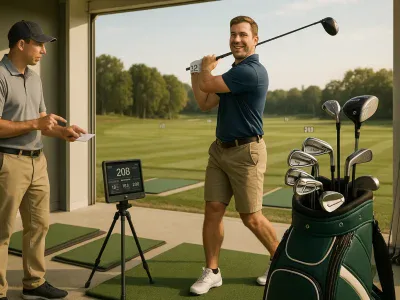
Start on a launch monitor if available: check carry distances and dispersion. Then hit a few on the course from typical lies. Test six clubs: 7-iron, 5-iron or hybrid, 9-iron, PW, and two others you want to use often. Pay attention to how the ball lands and how the club feels through turf. If you can’t tell the difference in 30–60 minutes, try another model.
Care And Progression: How To Get Better With Beginner Irons
Fact: steady practice and honest feedback accelerate improvement more than frequent equipment changes.
Practice Drills For Consistency And Ball-Striking
Use the impact bag drill to feel center contact. Place a tee two inches in front of the ball to promote forward shaft lean and crisp contact. Track your 7-iron carry on a launch monitor every month to watch progress. Small, measurable gains compound quickly.
When And How To Upgrade Your Irons
Upgrade when you outgrow forgiveness (you hit the sweet spot often) or when you need better workability. Typically that’s after 12–24 months of deliberate improvement. Move to a player-distance or player’s iron gradually: keep hybrids for long shots while shortening the set’s gap.
Common Misconceptions And Mistakes To Avoid
One clear fact: more expensive always isn’t better for beginners. Mistake: buying blades because they look pro-level: that usually hurts progress. Another mistake: changing brands often. Give a set time, at least a season, before swapping. And beware of over-flexing shafts because you heard they add distance: wrong flex ruins control.
Practical call to action: pick a forgiving set, get a basic fitting, practice targeted drills, and reassess after a season. You’ll lower your scores and enjoy the process more if you let the irons help you learn rather than hiding your mistakes. Good luck, go hit a bucket and see what you learn.

- The Best FDA-Approved LED Face Masks for Glowing Skin - September 30, 2026
- When Is the Best Time to Take a Pregnancy Test? - September 29, 2026
- Best Jyotish in Varanasi - September 29, 2026
by Ellie B, Site Owner / Publisher