Two classic apples, two different stories. Braeburn and Cox’s Orange Pippin sit on opposite ends of a flavor spectrum: one brings bright, snappy balance and long shelf life: the other offers perfume, complexity, and a fragile, fleeting peak. When you weigh Braeburn vs. Cox’s Orange Pippin you’re choosing not just taste but where the fruit will shine, your lunch, your tart, or a small-batch cider. This piece compares them bite by bite, branch by branch, and pantry to plate, so you can pick the right apple for your garden, kitchen, or market bag.
Head‑to‑Head Overview
Fact: Braeburn is a modern, versatile cultivar: Cox’s Orange Pippin is an older, aromatic English classic.
Appearance And Size
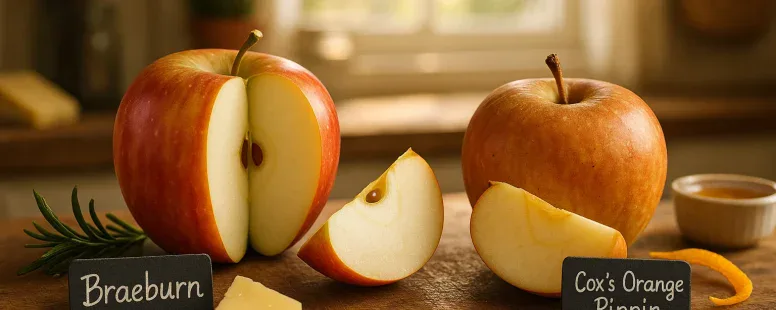
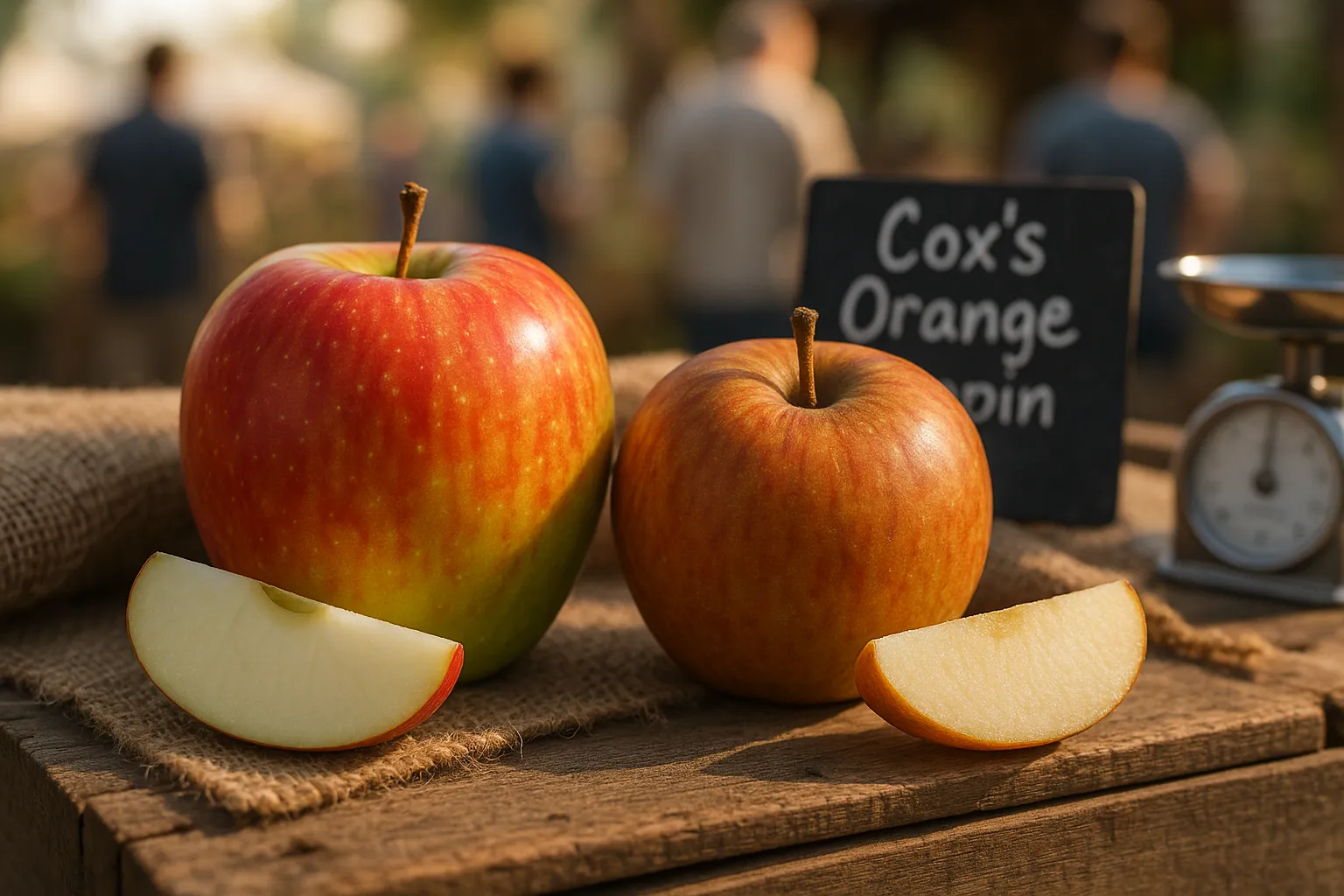
Braeburn: The fruit shows a bi-colored skin, green-yellow with red or orange streaks, and usually measures medium to large. The shape is often slightly conical. Cox’s Orange Pippin: You get a smaller to medium apple with warm orange flush and russeting around the stem. It looks more old-fashioned. You can spot Cox’s on sight in farmers’ markets.
Flavor Profile And Aroma
Fact: Braeburn tastes bright and balanced: Cox’s offers complex perfume and tea-like notes.
Braeburn has crisp acidity with a clear sweetness and a citrus-apple finish. The flavor is direct. Cox’s smells floral and honeyed, with layers of spice, tea, and sometimes a vinous tang. The aroma often precedes the first bite.
Texture And Mouthfeel
Braeburn gives a firm, crisp bite and a juicy crunch. It holds texture when cooked. Cox’s flesh is tender, slightly grainy at times, and melts sooner under heat. The mouthfeel of Cox’s is softer and more delicate.
Typical Uses (Eating, Cooking, Cider)
Fact: Use Braeburn for fresh eating, baking, and cider blends: use Cox’s for fresh tasting, fine desserts, and single-varietal expressions.
You’ll prefer Braeburn for pies and tarts because it keeps shape. Braeburn also works well in commercial cider blends for acidity and body. Cox’s is prized for eating out of hand and for refined tarts, applesauce, or small-batch artisan ciders where aromatic nuance matters.
Harvest Time, Yield, And Storage Life
Braeburn usually harvests mid to late season (October in many temperate zones). It gives consistent yield and stores well for months under cool conditions. Cox’s harvests earlier to mid-season (September) in the UK: yield can be variable and storage life is shorter, weeks to a few months depending on conditions.
Disease Resistance And Growing Difficulty
Fact: Braeburn is easier to grow than Cox’s, which is more disease-prone and fussy.
Braeburn shows moderate resistance to common issues and adapts to various climates. Cox’s Orange Pippin is susceptible to scab, canker, and mildew and often requires proactive care. If you start a home orchard and you want lower-maintenance, Braeburn will frustrate you less, but you’ll miss some of Cox’s perfume.
Taste, Texture, And Culinary Uses In Detail
Fact: The two apples perform differently when raw and when cooked: pick one by the end use.
Fresh Eating: What To Expect Bite‑By‑Bite
Braeburn: You get a sharp, juicy first bite, then steady sweetness. The skin gives a satisfying snap. The acid keeps your palate fresh. Cox’s Orange Pippin: The first bite releases complex perfume, orange blossom, honey, and faint spice. The flesh can be softer: flavors deepen as you chew. Some people describe after-notes like black tea. Expect subtler sugar and bright aromatic lift.
Cooking And Baking: Which Works Better For What Recipes
Fact: Braeburn keeps shape, Cox’s breaks down into rich puree.
Use Braeburn in pies, galettes, and roasted apple wedges when you want pieces to remain defined. Braeburn tolerates longer bake times. Use Cox’s in applesauce, fine tarts, and custards when you want an intensely flavored, smooth filling. Cox’s can turn to a silky mash quickly, which is great for sauces but not for pies that need structure.
Pairings: Cheese, Spices, And Beverage Matches
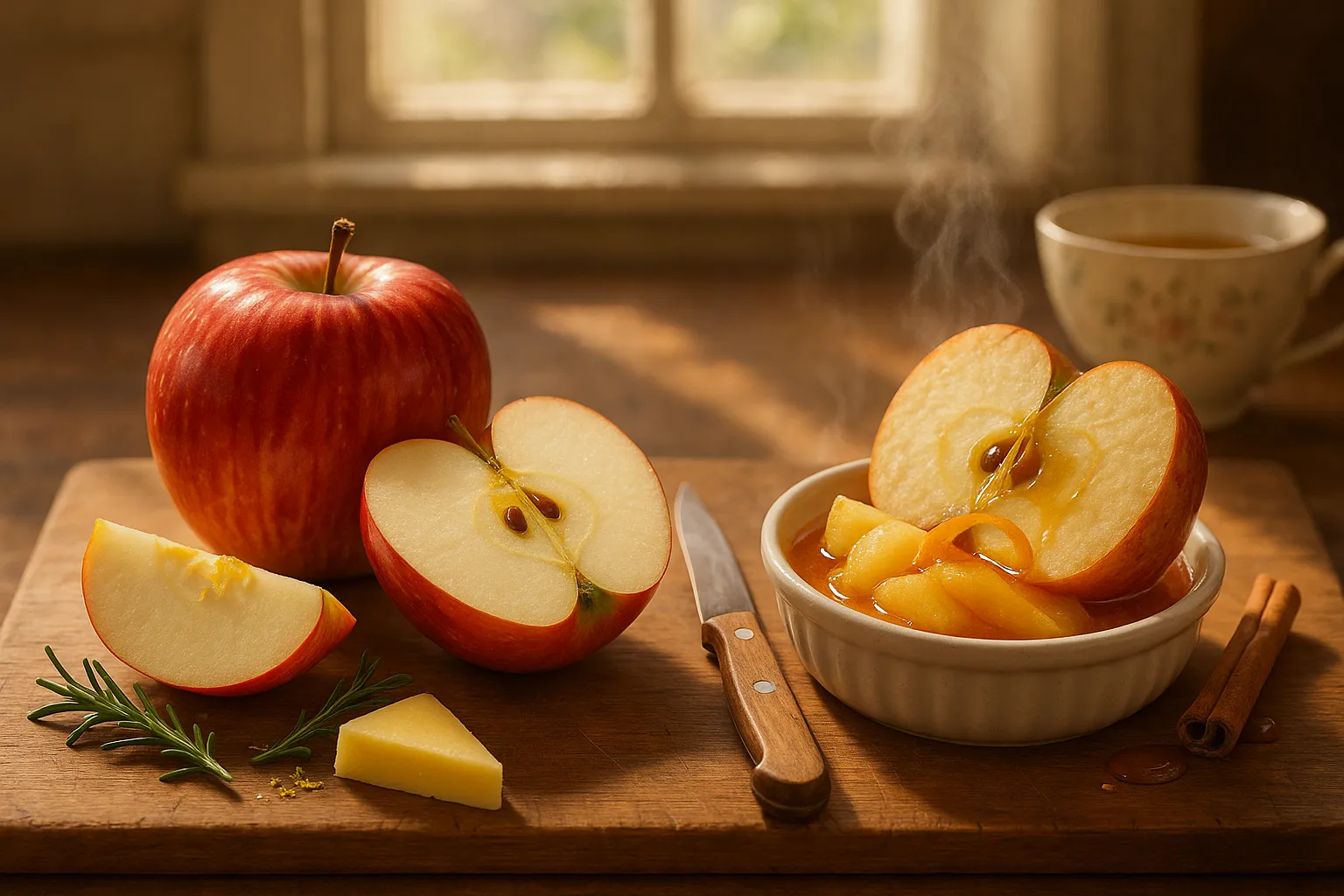
Braeburn pairs well with sharp cheddar, rosemary, cinnamon, and dry cider. It balances aged Gouda. Cox’s matches with Camembert, mild blue cheeses, nutmeg, and honeyed herbal teas. For beverages, Braeburn suits crisp white wines like Sauvignon Blanc: Cox’s pairs with nuanced English ales or a floral Riesling.
Simple Recipes To Showcase Each Variety
Braeburn: Roast Braeburn wedges with olive oil, thyme, and a pinch of sea salt. Finish with a squeeze of lemon and serve with roasted pork. Cox’s Orange Pippin: Make a quick Cox’s compote, simmer quartered apples with a tablespoon of honey, a strip of orange zest, and 1/4 cup water until soft. Use under panna cotta or with yogurt.
A warning: Cox’s flavor fades fast when overcooked, so stop when the fruit is tender. Braeburn will last through higher heat without losing texture.
Growing And Garden Considerations
Fact: Your climate determines which variety will succeed in your yard.
Climate And Soil Preferences
Braeburn prefers temperate climates with a regular chill period and well-drained soil. It tolerates a range of soil types if drainage is good. Cox’s Orange Pippin thrives in cool, maritime climates like southern England: it prefers fertile, well-drained loam and consistent moisture. In hot, dry summers you risk fruit stress and loss of aromatic complexity for Cox’s.
Pollination, Rootstock, And Space Requirements
Fact: Both require suitable pollinators: rootstock changes tree size and vigor.
You must plant compatible pollinators, Braeburn is partially self-fertile but sets better with nearby apples like Gala or Fuji. Cox’s also benefits from pollinators such as James Grieve or Golden Delicious. Choose rootstock based on space: M27 or M9 give smaller trees for tight gardens: M25 yields larger, long-lived trees. Space trees 3–5 meters apart for semi-dwarf forms.
Pruning, Training, And Seasonal Care Tips
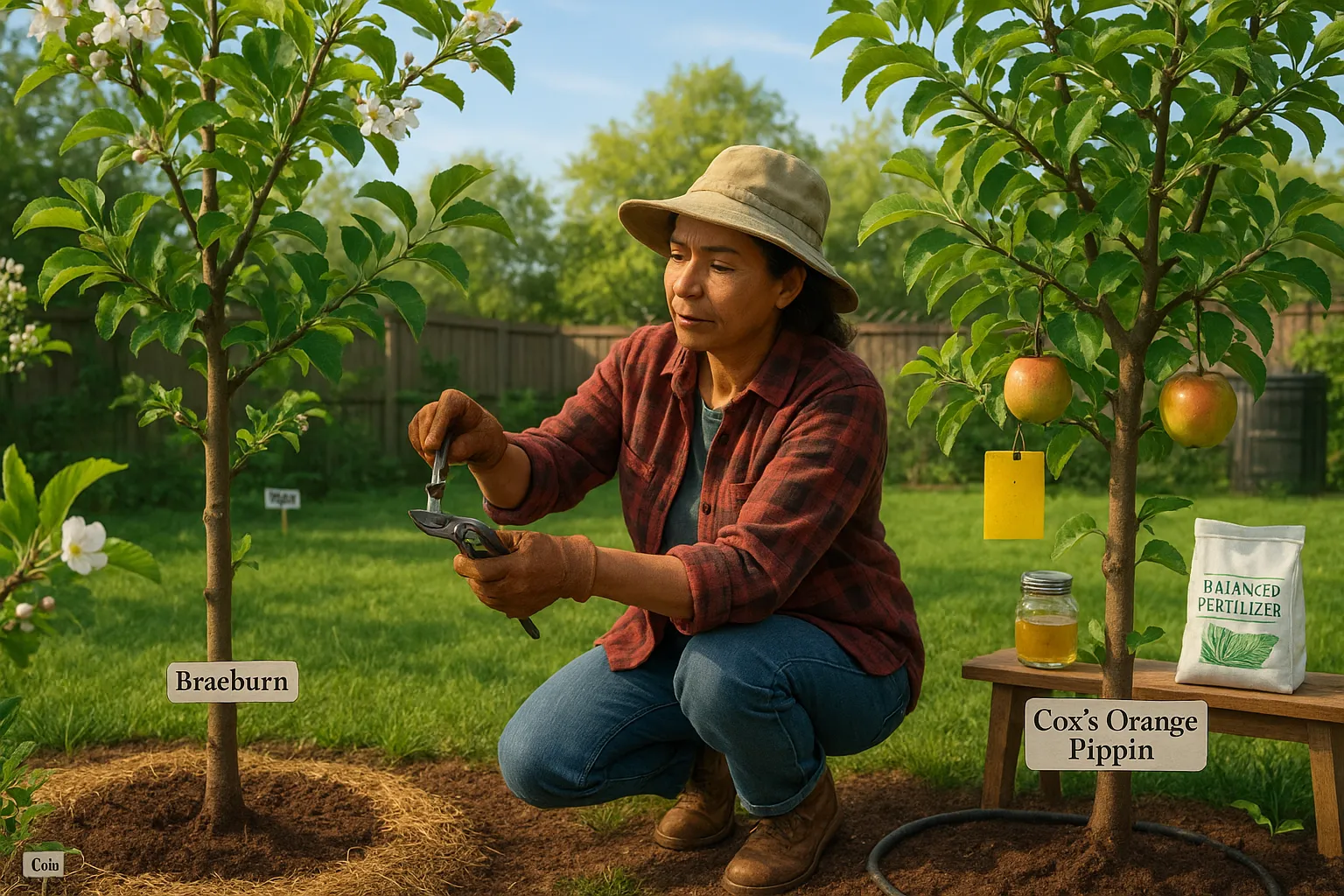
Start each season with formative pruning. Braeburn responds well to open-centre training or modified central leader. Cox’s needs careful pruning to improve air flow and reduce disease risk. Thin fruit early to improve size and flavor. Apply dormant oil and a balanced fertilizer in spring: adjust based on soil tests.
Pests, Diseases, And Resistance Profiles
Fact: Cox’s is more vulnerable to scab, powdery mildew, and canker than Braeburn.
Common pests for both include codling moth and aphids. Use integrated pest management: pheromone traps for codling moth, beneficial insects for aphids, and copper or sulfur sprays where appropriate. Keep canopy open to reduce fungal pressure. Be ready to treat Cox’s more often: the extra care yields great flavor, but it cost you time.
Harvesting, Storage, And Shelf‑Life Management
Fact: Timing the harvest changes both flavor intensity and storage life.
How To Harvest For Best Flavor And Longevity
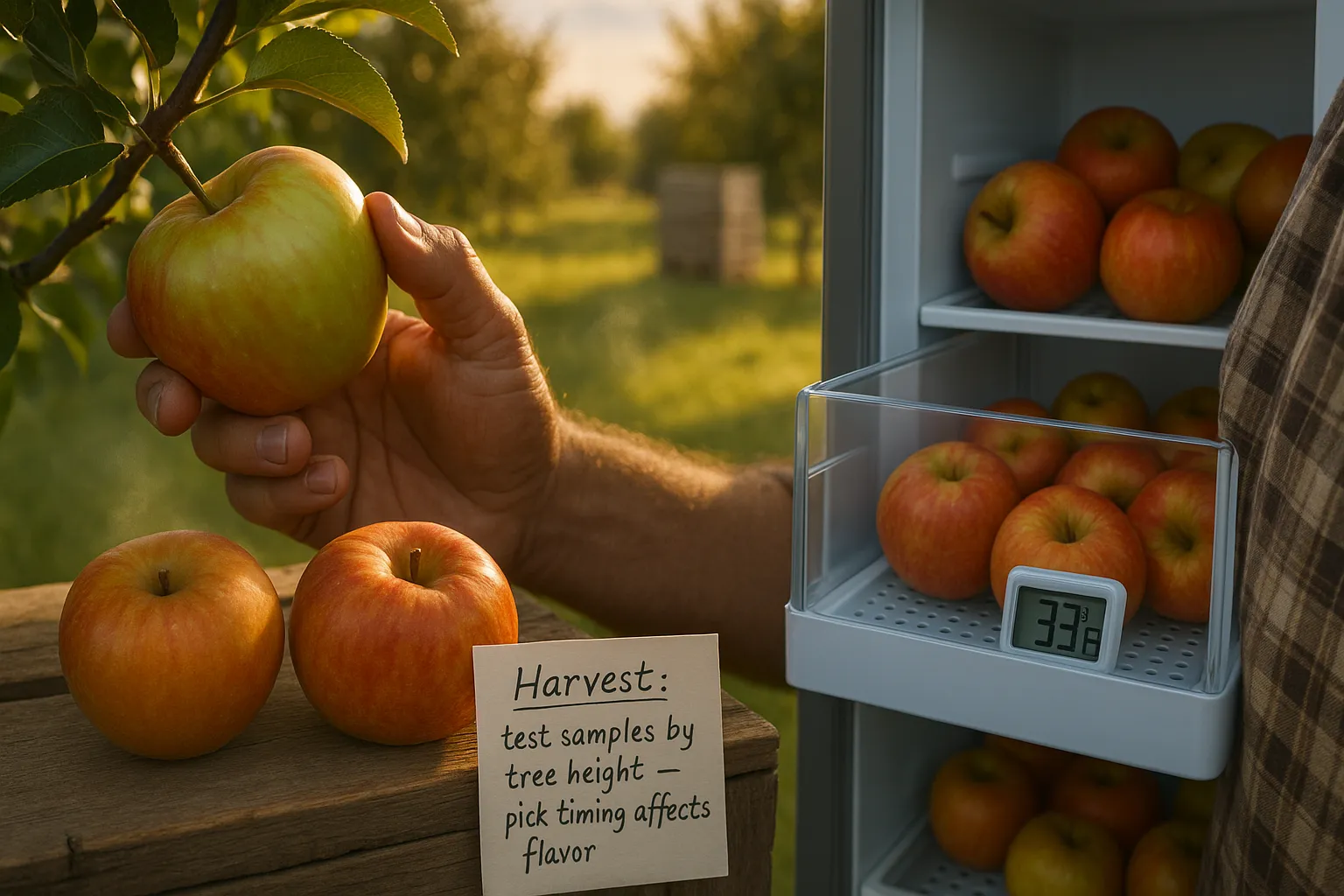
Harvest Braeburn when you see full ground color and a mild sheen: the fruit should detach easily with a gentle twist. For Cox’s, pick when the orange flush deepens and perfume is strong: pick slightly earlier if you plan to store, but not too early, aroma won’t develop off-tree well. Test flavor on a sample apple from different tree heights.
Home Storage Vs. Commercial Cold Storage Recommendations
Braeburn: At home, store in the crisper drawer at 32–34°F with high humidity and away from strong-smelling produce. In commercial controlled-atmosphere storage Braeburn keeps for several months. Cox’s: Home storage works for short-term (2–6 weeks) in cool, humid spots. Commercial cold rooms with precise humidity and ethylene control can extend Cox’s life, but flavor still changes.
Signs Of Overripeness Or Storage Breakdown
Fact: Look for soggy spots, fermented smell, or skin shriveling.
Overripe Braeburn becomes mealy and loses acidity. Overripe Cox’s loses aroma and turns floury. Brown pitting under the skin, darkened cores, or off-odors signal breakdown. Use those fruits in cooking immediately or discard if they smell fermented.
Buying, Choosing, And Using Apples As A Consumer
Fact: Choose apples by intended use, not just by looks.
How To Select The Best Fruit At Market
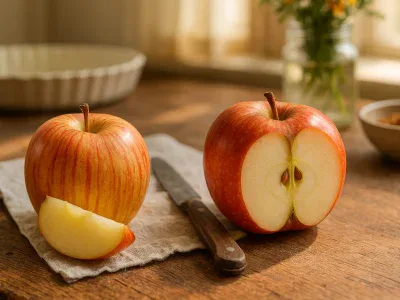
Pick apples that are firm, heavy for their size, and free of soft spots. Smell the stem end, Cox’s should smell floral, Braeburn fresh and slightly spicy. Check the skin for bruises or black spots. Buy local or specialty market Cox’s when you want peak aroma: Braeburn at supermarkets will often be consistent and long-lived.
When To Choose Braeburn Versus Cox’s For Your Needs
Choose Braeburn when you need storage life, reliable texture, and both cooking and eating versatility. Choose Cox’s when you want an aromatic eating apple or a dessert with delicate flavor. For cider: use Braeburn as a structural component: use Cox’s as a flavor accent in small proportions.
Substitutions And Blending For Recipes And Cider
Fact: You can swap or blend these apples to get desired balance.
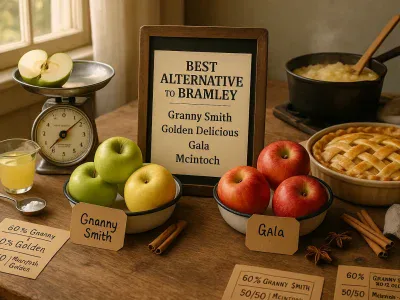
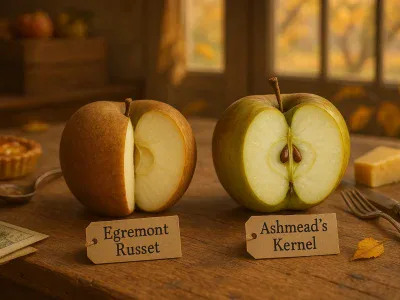
Substitute Braeburn for Gala or Honeycrisp when you need acidity and crunch. Substitute Cox’s with Jonathan or Ashmead’s Kernel for aromatic complexity, though each has unique differences. For cider, blend 20–40% Cox’s with a more tannic or acidic cider apple to preserve aroma without losing structure.
Practical note: If you cannot find Cox’s, buy local heirloom varieties at farmers’ markets, many will give you comparable perfume. And remember, taste changes with storage: buy what you plan to use soon for the best experience.
To provide the best experiences, we use technologies like cookies to store and/or access device information. Consenting to these technologies will allow us to process data such as browsing behaviour or unique IDs on this site. Not consenting or withdrawing consent, may adversely affect certain features and functions.
Functional
Always active
The technical storage or access is strictly necessary for the legitimate purpose of enabling the use of a specific service explicitly requested by the subscriber or user, or for the sole purpose of carrying out the transmission of a communication over an electronic communications network.
Preferences
The technical storage or access is necessary for the legitimate purpose of storing preferences that are not requested by the subscriber or user.
Statistics
The technical storage or access that is used exclusively for statistical purposes.The technical storage or access that is used exclusively for anonymous statistical purposes. Without a subpoena, voluntary compliance on the part of your Internet Service Provider, or additional records from a third party, information stored or retrieved for this purpose alone cannot usually be used to identify you.
Marketing
The technical storage or access is required to create user profiles to send advertising, or to track the user on a website or across several websites for similar marketing purposes.