Best Beginners Set of Golf Clubs
Imagine holding a set of golf clubs that feel like an extension of your own hand, every swing smooth and confident.
I was just chatting with a friend new to golf, and it struck me how crucial the right beginner set really is. Not just flashy bling, but clubs that forgive mistakes and build your confidence—like having a trusty sidekick on the course.
Choosing the perfect set can unlock surprising benefits, like faster skill development and a genuine love for the game.
With so many options swirling around, knowing what truly matters is the first step toward transforming those awkward swings into graceful shots.
Key Features to Consider in Beginner Golf Clubs
Choosing the right beginner golf clubs is very important. The most important feature is how the club is built. Clubs made to help beginners hit straighter shots are better because they forgive mistakes. These clubs often have special designs that make it easier to hit the ball well even if you don’t strike it perfectly. Materials used in the club also matter. Strong, lightweight materials like titanium or graphite make the clubs last longer and feel better when you hit the ball.
Another key feature is how the weight is spread out in the club. Clubs with weight around the edges or a low center of gravity make it easier to get the ball in the air and stay in control. This helps new players build confidence and improve faster. For example, a beginner might find it easier to hit a high, straight shot with these clubs than with others.
Some debates exist about choosing beginner clubs. Some say you should focus only on clubs with forgiveness and good weight distribution. Others argue that as you improve, you should upgrade to more advanced clubs. Keep in mind that cheap clubs might not last long or perform well, so it’s worth investing in good quality ones that suit your skill level.
If you are new to golf, look for clubs that are designed to be forgiving and have balanced weight. These features can help you develop your swing and enjoy the game more. Remember, the best clubs are the ones that fit your needs and help you keep improving.
How Different Club Types Impact Beginner Golfers
Different types of golf clubs serve different purposes and can affect beginners’ games in many ways. Knowing what each club does can help new players improve faster and enjoy their time on the course.
What is a driver?
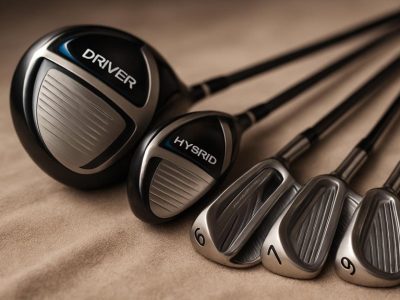
A driver is the club used to hit the ball the farthest, usually off the tee. It has a large head and a long shaft. Drivers need a wide, smooth swing to send the ball great distances. But because of their size and design, they can make it harder to aim accurately. If you’re just starting, using a driver might feel like trying to hit a moving target, especially if your swing isn’t perfect. Some brands like Callaway or Titleist make popular drivers that beginners often try.
What are irons?
Irons are clubs with flat faces, used for precision shots. They come in numbers from 3 to 9, with lower numbers hitting farther. Irons are easier to control than drivers and help you work on your swing. As a beginner, practicing with irons can boost your confidence because they help you aim better and hit more consistent shots. For example, a 7-iron can help you hit a moderate distance with good accuracy, making it great for learning shot control.
What are hybrids?
Hybrids combine features of woods and irons. They are easier to hit than long irons and can help you get out of tough spots. Hybrids are like a crossbreed in golf — they give you some distance and control at the same time. Many beginners find hybrids less frustrating than trying to hit a long iron, especially when facing tricky lies or rough patches.
Are there any drawbacks?
Each club type has limits. Drivers can be hard to aim well and sometimes cause slices or hooks. Irons require practice to master consistent contact. Hybrids might not always suit very specific shots, and not all brands feel the same. It’s good to test different clubs to see what fits you best.
Two viewpoints:
Some players prefer starting with irons because they build solid fundamentals, while others recommend trying hybrids early to gain confidence. Both approaches work, but patience and practice are key. Be aware that switching clubs too often without mastering them can slow your progress.
In summary:
Knowing what each club does helps you pick the right tools for your game. Drivers are for maximum distance but need a smooth swing. Irons give better control and help improve technique. Hybrids offer a mix of both, making them a good choice for beginners. Trying different clubs and understanding their roles can make golf more fun and less frustrating. Remember, no club will make you a pro overnight, but understanding them makes your practice smarter.
Why Club Fit and Comfort Matter More Than Brand
Getting the right golf club fit matters more than brand names. Even if a club is from a well-known brand like Titleist or Callaway, it won’t help if it doesn’t feel right or match how you swing. That’s why fitting and comfort are more important than just picking a famous label.
When you focus on fit, you get several benefits. First, you will have better control and feel more confident with each swing. Second, a properly fitted club reduces the chance of injury because it matches your grip and shaft length. Third, your shots become more consistent because the club moves with your natural motion. Lastly, golf becomes more fun because it feels easier and less frustrating.
Some beginners buy expensive clubs, thinking they will improve quickly. But if those clubs don’t fit their size or swing, they won’t see much progress. Instead, spend time getting a proper fitting. It might take a little effort, but it helps you play better and enjoy the game more. Comfort isn’t just about how a club feels in your hands; it affects how well you can hit the ball.
Counter-strategy insights:
- The claim that brand names matter less than fit might be challenged by brands like Titleist or TaylorMade, which are known for quality and innovation. However, the key point is that even top brands produce clubs that may not fit everyone perfectly.
- The article should acknowledge that some players may prefer certain brands for their feel or reputation but emphasize fit should come first.
Skeptic’s view:
- Many players are told to buy the latest brands or expensive clubs as a shortcut to better play. I’d ask, “Are they really better if they don’t fit?” and point out that money doesn’t guarantee improvement.
- The advice about proper fitting sounds good, but how many people actually get fitted? Most just grab what looks good or is on sale.
Scroller’s perspective:
– This is a lot of info to process. The key takeaway? Get clubs that feel right, not just expensive brands. Focus on fit, and golf will be easier and more fun. That’s what sticks.
Final note:
Choosing clubs based on fit and comfort is a smart move. It’s better to have clubs that match your swing than to chase after big brands that might not suit you. Take the time for a proper fitting, and watch your game improve.
Forgiveness and Game-Improvement Features Explained
What is forgiveness and game-improvement in golf clubs?
Forgiveness and game-improvement features are designs in golf clubs that help players hit better shots, even if their swing isn’t perfect. Forgiveness technology makes mishits less damaging, keeping shots straighter and longer. Game improvement features help with launching the ball higher, getting more distance, and making shots more consistent.
How do forgiveness features work?
Forgiveness in golf clubs reduces the penalties from off-center hits. For example, clubs with perimeter weighting shift weight to the edges, making the club more stable. Larger clubfaces also help, giving more room for the ball to hit, so mishits still go straight. Think of it like a safety net that catches bad shots before they go off course.
What about game-improvement features?
Game improvement clubs are designed to help beginners and high-handicap players. They usually have a lower center of gravity, which helps lift the ball easier. Wide soles on clubs make it easier to get under the ball and hit it high. These features make it simpler to hit consistent shots and improve your game faster.
Are there any downsides?
Some players might find that clubs with a lot of forgiveness and game-improvement features feel less like traditional clubs. They may sacrifice some control or workability. Plus, these clubs can be more expensive, and not everyone needs the extra help. If you are an experienced player, you might prefer clubs that offer more control over forgiveness.
Why choose clubs with these features?
If you are new to golf or struggle with consistency, clubs with forgiveness and game-improvement features can make playing more fun. They help reduce frustration and can boost your confidence. Imagine hitting a shot that feels good even if your swing isn’t perfect—that’s what these clubs aim for.
In summary:
Forgiveness features help your mis-hits stay on track. Game-improvement features make it easier to get the ball in the air and hit longer, more consistent shots. Choosing these clubs can help you enjoy golf more and get better faster, but they may not be the best fit if you want full control or are an experienced golfer.
Choosing Between Complete Sets and Custom Mixes
Choosing Between Complete Sets and Custom Mixes
A quick answer: for beginners, a complete set of golf clubs is usually better at first. It’s simple and reliable. But if you want to improve faster, creating a custom mix can help. Here’s what you need to know.
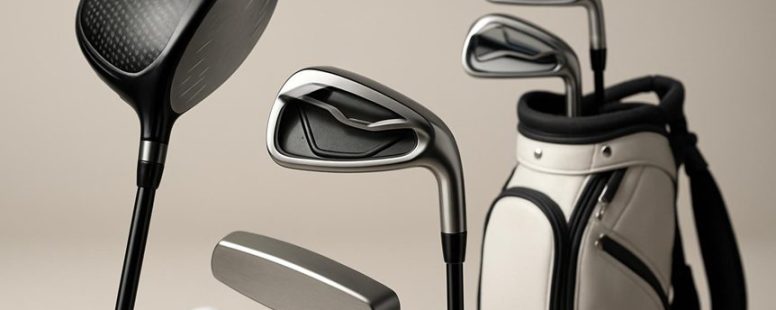
Complete sets give you everything you need in one package. They are easy to buy and use. For example, brands like Callaway and Wilson offer beginner sets that include a driver, irons, and a putter. These sets are great if you want to start playing right away without worrying about picking each club. However, sometimes these sets include clubs you don’t use much or aren’t right for your swing. That can slow you down or make your game less fun.
On the flip side, custom mixes let you choose clubs based on your strengths and weaknesses. For example, if you struggle with long shots, you might pick a better driver or more forgiving irons. Creating your own set takes more research and maybe a club fitting, but it can make playing easier and more enjoyable. The downside is that it can be confusing or expensive to pick each club on your own.
For beginners, I usually recommend starting with a complete set. It helps build confidence because everything looks and feels similar. Once you get better, you can think about customizing your clubs to improve your game even more. Just remember, whether you choose a complete set or a custom mix, the most important thing is to have fun and keep practicing.
Counter-Strategies:
- The Ruthless Competitor might say complete sets are too generic and limit growth. They’d push for custom right away.
- The Cynical Consumer will wonder if any of these sets or custom options are truly good value or just marketing hype.
- The Distracted Scroller might forget the details and just want the easiest, fastest route to playing.
Final thought: Starting simple with a complete set is usually best, but as you learn your game, customizing can give you an edge. Just don’t buy into the hype—pick what works for you and have fun on the course.
Best Budget Beginner Golf Club Sets to Try
If you’re just starting out, finding a budget golf club set that actually works is important. Many cheap sets are made with low-quality parts, but some affordable options give you good value for your money. These sets usually include everything a beginner needs and won’t make you break the bank.
Some popular brands like Callaway, Wilson, and Tour Edge make beginner sets that are well-reviewed. They often have clubs designed to help new players hit the ball better and feel comfortable on the course. For example, the Callaway Strata set is known for being easy to swing and comes with a driver, irons, and a putter. It’s a good choice if you want something simple and affordable.
However, there are some downsides. Cheaper sets might not last as long or perform as well as more expensive ones. If you play often or want to improve quickly, you might need to upgrade later. Also, some sets might not fit your height or strength, so it’s good to try them out first if possible.
On the other hand, some people say even low-cost sets are better than borrowing clubs or using rentals. They give you a chance to learn and practice without spending too much money. Just remember, you get what you pay for. Look for sets with good reviews, a decent warranty, and clubs that feel comfortable when you swing.
In short, the best budget beginner golf club set depends on your needs. If you want something affordable that helps you learn, brands like Callaway and Wilson are solid choices. But be careful of very cheap sets that might not last or feel right. Do your research, read reviews, and maybe visit a store to try out a few. That way, you can find a set that’s good enough to get started without wasting money.
Affordable Club Set Options
Affordable golf club sets are a good choice if you want to start playing without spending too much money. They are also helpful for beginners who need simple clubs that are easy to use. Some sets give you everything you need to learn the game and have fun. Here are four budget-friendly options that are worth considering:
- Callaway Strata Ultimate – This set has a strong build and is great for new players. It offers good quality at a fair price. Many beginners like it because it helps them hit the ball better without feeling overwhelmed.
- Wilson Profile XD – This set is lightweight and easy to swing. It is perfect if you want clubs that don’t tire your arms quickly. Wilson is a well-known brand, and this set is good for learning.
- Pinemeadow PGX – This is one of the cheapest sets but still performs well. It’s a good choice if you are on a tight budget and want decent clubs to practice with.
- Tour Edge Bazooka 370 – This set is forgiving, meaning it helps you hit the ball straighter even if your swing isn’t perfect. It’s good for new players who want to build confidence.
Choosing an affordable set lets you focus on your swing without worrying about expensive gear. It can help you enjoy the game more and stay motivated. Just remember, cheaper sets might not last as long or have all the fancy features of high-end clubs. So, pick one that fits your budget but also helps you improve.
Sources like Golf Digest recommend starting with simple, forgiving clubs and upgrading later as you get better. And always try out clubs if you can before buying. Would you rather buy a set online or try them at a store? Think about what feels comfortable and suits your game.
Quality Versus Price Balance
A good beginner golf club set should give you decent performance without costing too much. The key is to find clubs that are sturdy and made with decent materials, but not so expensive that they break your budget. When comparing options, think about how well the clubs hit the ball and how long they last. Some brands like Callaway and Wilson make affordable sets that are good for beginners.
You shouldn’t expect pro-level shots from these beginner sets, but they need to be reliable enough to help you learn. For example, a club that consistently hits the ball straight helps you improve faster. On the other hand, cheaper sets made from low-quality materials might fall apart quickly or give inconsistent results. So, it’s worth spending a little extra on a reputable brand because it can save you money in the long run by reducing the need for upgrades or repairs.
There are two sides to this. Some say spending more upfront gets you better clubs that last longer. Others think you can find decent beginner sets at low prices if you’re willing to compromise a little on performance. Just be aware that very cheap sets might not hold up or help you improve much.
Think of it like buying shoes. You want a pair that fits well and lasts, but you don’t need the most expensive designer shoes for your first golf set. A balanced choice will give you good value and durability. When shopping, compare what each set offers for the price. This helps you make a smart choice and feel confident about your purchase.
Top Mid-Range Beginner Golf Club Sets for Value
Choosing the right beginner golf clubs can be confusing, especially when you want good value. Mid-range sets are a smart choice because they balance quality and price. They give you decent performance without costing too much.
Here are four top mid-range beginner golf club sets to consider:
- Callaway Strata Plus – This set is known for forgiving clubs that help new players hit the ball well. It’s a popular choice for its solid performance and good quality. If you want clubs that make your shots more consistent, this one could be a good pick.
- Wilson Profile SGI – Wilson is a trusted brand, and this set offers great value. It delivers reliable results on the course and is often less expensive than other brands. Beginners who want dependable clubs without spending a lot will like this option.
- TaylorMade RBZ SpeedLite – This set is lightweight, making it easier for beginners to swing. TaylorMade is a well-known name in golf, so you get a brand you can trust. If you prefer clubs that are easy to handle, this set might be perfect.
- Pinemeadow Precept – If budget is your main concern, this set is affordable but still offers good forgiveness. It’s a good choice for new players who want to try out the game without a big investment.
Each set has its strengths and some limits. For example, cheaper sets like Pinemeadow might not last as long or perform as well as higher-end ones. It’s a good idea to try out a few sets in person if you can. That way, you’ll find the clubs that feel right for your game.
Steel vs. Graphite Shafts: What Beginners Should Know
Steel and graphite shafts are different types of golf club shafts, and choosing between them depends on what you need. Here are the main points to help you decide.
First, steel shafts are strong and last a long time. They give you a solid feel when you hit the ball. Some players like the way steel feels because it gives good feedback. Steel shafts are usually cheaper too, making them a good choice if you’re on a budget. But steel is heavier, which can make swinging feel more tiring, especially if your swing speed is slow.
Graphite shafts are lighter. They help you swing faster because of the weight difference. This can be helpful if you are a beginner and haven’t built up much strength yet. Graphite also absorbs more shock, which can make your shots more comfortable. However, graphite shafts often cost more than steel, and they might not last as long. Some players find graphite shafts feel a bit softer or more flexible, which can be good or bad depending on your preference.
When deciding, think about your swing speed and what feels comfortable. If your swing is slow or you want to build confidence quickly, graphite might be better. If you want durability and a firmer feel, steel could work well. It’s also smart to try both types at a golf store or driving range. Some brands like Callaway or TaylorMade offer good options for beginners.
Keep in mind, neither choice is perfect for everyone. Steel can feel too heavy if you’re just starting out, but it lasts longer. Graphite can be easier to swing but costs more and might need replacing sooner. So, ask yourself: Do I want a lighter club that helps me swing faster, or a tougher one that feels more solid? That’s the key to choosing the right shaft.
Must-Have Accessories for Beginner Golf Clubs
Must-Have Accessories for Beginner Golf Clubs
If you’re just starting out with golf, certain accessories can make your game easier and more enjoyable. Here’s what I recommend to help you get better faster and stay comfortable on the course:
- Golf glove – A good glove helps you grip the club tightly without slipping. It also makes your swing smoother and prevents blisters. Brands like Titleist and Callaway make popular gloves that many beginners like. If your hand gets sweaty, a glove can make a big difference.
- Tees – Tees come in different heights, and choosing the right one can improve your drives. For example, a taller tee might help you hit the ball higher, while a shorter one can give more control. Knowing which tee to use for each shot can boost your consistency. Try experimenting with different tees to see what works best for you.
- Ball markers – These small tools help you mark your ball on the green so you can lift it without delaying others. You can use a coin or a special ball marker like a plastic token. It seems small, but it keeps the game moving smoothly.
- Divot repair tool – This tool helps fix marks on the green caused by your club. Keeping the course in good shape shows respect for other players and keeps the greens smooth. A simple plastic or metal repair tool is enough for beginners.
Some players might say these accessories are not essential at first, but they actually make playing more comfortable and help you improve faster. Just remember, even with the best accessories, practice and patience are key. Do not forget, some accessories might be unnecessary if you’re just trying golf for fun and don’t plan to play often.
Imagine trying to learn a new sport without the right gear — it’s like trying to ride a bike with no helmet or training wheels. Accessories may seem small, but they can really help you enjoy the game and play better.
Sources like the PGA and golf experts recommend these basics for new players. So, try them out and see how they improve your game.
How to Maintain Your Beginner Golf Clubs for Longevity
Caring for your beginner golf clubs helps them last longer and perform better. Here are simple steps to keep your clubs in good shape.
First, cleaning your clubs after each round is important. Use a damp cloth or soft brush to wipe dirt and grass off the clubheads. This stops buildup that can affect your shots. Some brands like Callaway or Titleist suggest cleaning regularly for better performance.
Next, grip maintenance is key. Grips can get slippery or wear out over time. Clean them with warm, soapy water and a soft brush to keep them tacky. When grips become too worn or smooth, replace them. This is especially helpful if your hands slip during swings.
Shaft care is also necessary. Check for dents, rust, or cracks. Wipe shafts dry after playing in rain or dew, because moisture can cause rust or damage. If you notice any damage, take your clubs to a professional for repair. Using covers to protect clubheads during transport can prevent dents and scratches.
Storing your clubs the right way helps them last. Keep them in a dry, cool place like a closet or garage. Avoid leaving them in a hot car or outside during rain, as extreme heat or moisture can harm the materials. For example, a friend of mine left his clubs in a hot trunk all summer and found the shafts warped.
Some people disagree about storing clubs in a closet or garage. If you use a golf bag with a stand, make sure it is well-ventilated. Others say keeping clubs in a temperature-controlled room is better. Both views have points, but avoiding extreme heat and moisture is generally safe advice.

- Where to Find the Best Bak Kut Teh in Johor Bahru - September 14, 2026
- Best Vn Codes - September 13, 2026
- Mhd Alternatives - September 13, 2026
by Ellie B, Site Owner / Publisher