Best Clubs for Beginner Golf
Choosing your first golf clubs shapes how quickly you enjoy the game. The best clubs for beginner golf reduce punishment on off-center hits, build consistency, and make practice feel productive instead of frustrating. Picture a club that forgives a slice, gives you easy launch from the fairway, and makes putting less of a guessing game, those are the practical benefits beginners rarely expect, but quickly notice. This guide gives clear, actionable advice so you pick clubs that accelerate skill, save money, and keep golf fun.
Why Choosing the Right Clubs Matters for Beginners
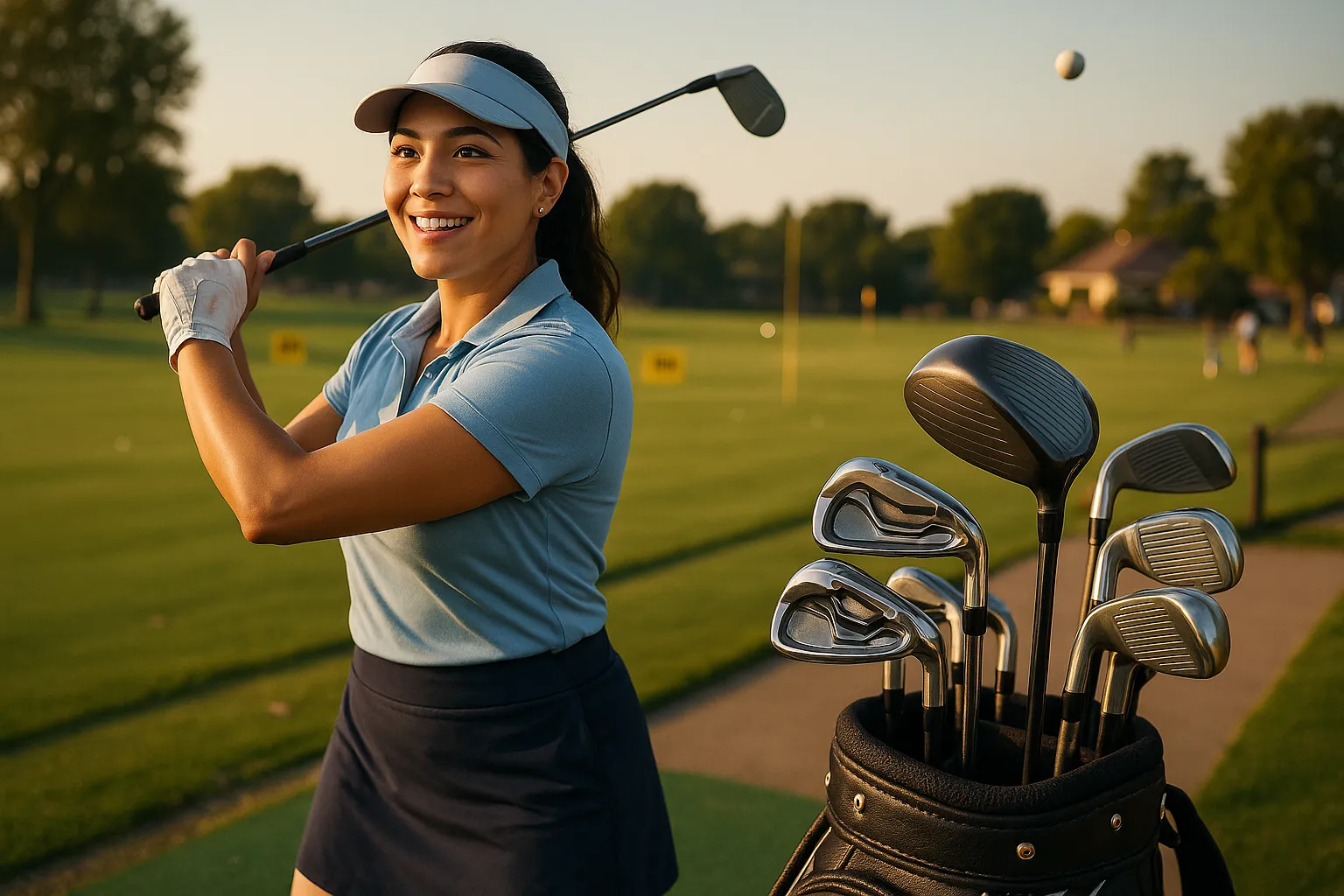
Fact: the right clubs change your learning curve. If you start with forgiving clubs, you get more solid shots and better tempo. That encourages practice and reduces frustration.
Clubs affect launch angle, spin, and distance. For example, a forgiving cavity-back iron like the TaylorMade SIM2 or Callaway Big Bertha drives straighter shots when you miss the center. A driver with a higher loft and a larger sweet spot produces more carry and less severe side spin. These mechanical differences matter because you learn motor patterns from what the club rewards.
A personal note: I once started with a blade iron set and thought I was terrible. After switching to game-improvement irons, my confidence rose within weeks because I hit fairways and greens. You will hit better shots when the gear matches your current skill. That truth saves time and money in the long run.
Questions you’ll ask next: what counts as “forgiving”? What trade-offs exist? Expect slightly less shot-shaping control early on, but you gain consistency and fewer penalty strokes. That’s the priority for most beginners.
Complete Beginner Sets Versus Building Your Own Bag
Fact: complete beginner sets offer value and simplicity. Buying a full set gives you all the essentials at once and often at a lower price than assembling clubs individually.
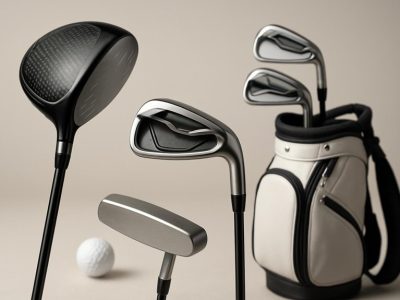
Complete sets from brands like Wilson, Precise, and Callaway provide a driver, fairway wood or hybrid, a set of irons, wedges, and a putter, plus a stand bag. They work well if you want one purchase and little fuss. For a new golfer, that reduces decision fatigue and gets you on the course fast.
But building your own bag has advantages. You can mix brands and choose specific club features: a particular driver head, a hybrid you trust, or wedges with exact lofts. If you plan to play more than a season, customize gradually. Start with one good investment club (often a driver or a hybrid) and pair it with an inexpensive set for the rest.
Real example: Many beginners buy a complete set for year one, then replace the driver or add a higher-quality wedge in year two. That approach spreads cost and lets you learn what fits your swing before spending more.
Warning: don’t buy used clubs older than 10–15 years without checking the shaft and grip. Technology improved loft and forgiveness: older clubs may mislead you about your progress.
Must-Have Clubs for New Golfers
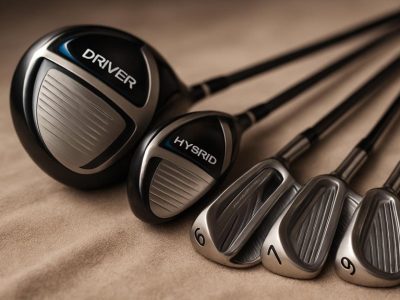
Fact: five club types will cover most of your needs as a beginner, driver (or fairway alternative), a hybrid or long iron replacement, mid and short irons, wedges, and a putter. Below I explain each and when to use them.
Driver and Fairway Alternatives: What Beginners Should Know
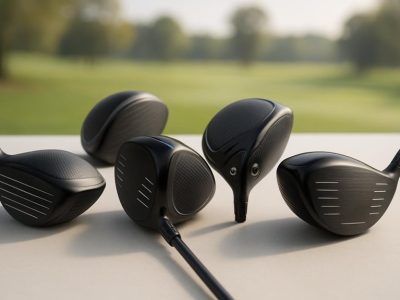
Fact: drivers can add distance but also magnify errors. Choose a driver with higher loft (10.5°–13°) and perimeter weighting to reduce side spin. If hitting a driver scares you, a 3-wood or a 5-wood works fine off the tee. Woods produce a more controlled ball flight and often more consistent contact for beginners.
Try: Callaway Rogue ST Max for forgiveness or Titleist TSR1 for lighter swing speeds. If you slice, a draw-bias model or adjustable hosel helps.
Hybrids Versus Long Irons: When To Use Each
Fact: hybrids replace long irons for easier launch and control. Use a 3-hybrid or 4-hybrid instead of a 3- or 4-iron. Hybrids have a lower center of gravity and a wider sole: you will hit them higher and land softer on greens.
Hybrids are especially useful from rough. Brands like Ping G430 and TaylorMade M6 hybrids are beginner-friendly.
Choosing the Right Irons for Forgiveness and Progression
Fact: game-improvement irons increase forgiveness through cavity back designs and perimeter weighting. Start with a set that covers 6-iron through pitching wedge: consider adding a 5-iron hybrid for bridging longer gaps.
Progression tip: as your ball-striking improves, you can move to players’ irons with thinner faces. But early on, choose forgiveness.
Wedges: Which Lofts Beginners Need and Why
Fact: most beginners need two wedges: a pitching wedge (typically 44°–48°) and a sand wedge (54°–56°). A gap wedge (50°) helps fill distance between PW and SW.
Choose simple, durable wedge grinds like the Cleveland RTX family or Titleist Vokey for reliable spin and consistent contact. Avoid exotic grinds until you understand your short-game tendencies.
Selecting a Putter That Inspires Confidence
Fact: the putter affects scoring more than any other short club. Pick a shape that aligns easily. Mallet putters offer stability: blade putters offer feel. Start with a mallet if you struggle with alignment.
Try brands like Odyssey White Hot or Scotty Cameron for solid feel. Confidence with your putter lowers three-putt rates quickly.
How To Choose Shaft Flex, Length, and Grip Size
Fact: shaft flex, length, and grip size must match your swing speed and body. Incorrect specs reduce control and cause compensations.
Shaft flex: measure swing speed. If you swing under 85 mph with the driver, choose a regular or senior flex. 85–95 mph typically fits regular/stiff boundary: above 95 mph often needs stiff. A too-soft shaft produces hooks and loss of accuracy: a too-stiff shaft can lead to slices and weak contact.
Length: standard club lengths suit most adults. Shorten clubs if you’re under 5’6″: add length if you’re over 6’3″. Even 1/2 inch matters for posture and contact.
Grip size: start with midsize grips unless you have very large or very small hands. Small grips can increase wrist action and hooks: oversized grips reduce wrist break and can cut distance but improve control for some.
Practical step: many stores offer a free swing-speed check and quick fitting. Use that data before you buy. If you buy online, buy from retailers with easy return policies.
Budget, Value, and Where To Buy or Try Clubs
Fact: you can get playable beginner clubs for $300–$800. Complete beginner sets often fall in that range and include a bag.
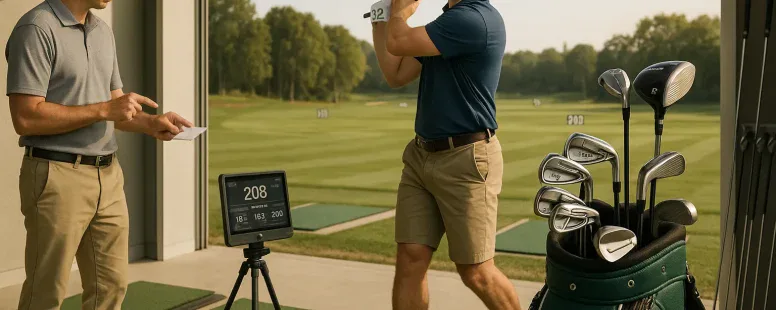
Where to buy: local shop fittings, big-box stores like Dick’s Sporting Goods, and online retailers such as GlobalGolf or 2nd Swing. Trying clubs in person is best. Many golf shops let you demo a driver or test irons on a launch monitor (TrackMan, Flightscope). That data is gold, take it.
Used options: certified pre-owned clubs from reputable sellers let you get higher-quality brands at lower prices. Check grips, shafts, and clubhead condition. Avoid bent shafts or heavily gouged faces.
Value tip: prioritize the driver, putter, and a reliable wedge if you must allocate budget. You can upgrade irons later as your swing improves.
Basic Club Fitting Checklist for Beginners (What To Test When Trying Clubs)
Fact: test clubs for feel, launch, and dispersion. Don’t guess, measure.
Checklist:
- Swing speed and ball speed: use a launch monitor to see appropriate shaft flex.
- Launch angle and spin rate: aim for a launch that gives carry without excessive spin.
- Shot dispersion: observe where your misses cluster. If you miss consistently right, try a draw-bias head or adjust grip/stance.
- Loft confirmation: check that the loft produces expected carry distance for each club.
- Comfort with length and grip: make sure posture feels natural and you control the club.
- Short-game feel: test wedges and putter on actual turf and real greens when possible.
- Visual confidence: pick a club you like looking down at, confidence matters.
During testing, be honest about weaknesses. I once ignored a persistent hook during fitting and blamed the shaft: the real problem was my grip. Admit the mistake, adjust, and test again. A good fitter will watch your swing and suggest small, evidence-based changes.
Takeaway action: schedule a 30–45 minute demo with a local shop or retailer. Bring a budget range and be willing to try a few brands. Testing saves money and builds trust in your clubs.

- VKC Competitors: Top Footwear Brands Compared - September 9, 2026
- Nutrien Competitors - September 9, 2026
- Top MTG Commanders That Will Dominate Your Table - September 8, 2026
by Ellie B, Site Owner / Publisher