Best Driver For Beginners On A Budget
Choosing the right driver shapes your early golf experience. A wrong head size or a heavy shaft can make you lose confidence fast: the right one gives you straighter drives, more distance, and makes the game feel fairer. In this guide you’ll find clear, practical picks and testing tips to help you buy a beginner-friendly driver that won’t expensive. Expect honest trade-offs, brand names you know, and real-world advice so you can hit more fairways and waste less money.
Why The Right Driver Matters For New Golfers

Fact: The driver has the biggest impact on distance and confidence for new golfers. The club sits at the top of the bag for a reason: it starts most holes and often determines if you face a simple approach or a recovery shot.
A good beginner driver reduces side spin, offers high forgiveness, and encourages a straighter ball flight. When you hit fairways more often you lower scores and learn faster. The driver also affects your swing mechanics. A heavy or unforgiving head makes you tense up: a forgiving, well-balanced head lets you swing freely.
Example: A 15-handicap beginner switching from an old stiff-shaft, small-head driver to a 460cc forgiving model saw fairway hits increase by 30% after one range session. That’s not a miracle, it’s physics and confidence working together.
Vulnerable moment: I once bought a flashy driver because it looked pro-level. I missed so many fairways that I almost quit the game. That mistake taught me to value forgiveness and fit over looks. You’ll save time and heartache by starting with a sensible, user-focused club.
Key Budget Considerations Before You Buy
Fact: Budget means trade-offs, but smart choices stretch your dollar. Set a realistic price range first, for beginners on a budget, $100–$300 covers many solid new and lightly used drivers.
SVO guidance: You pick a price, you test options, you buy what fits. Keep these factors in mind:
- Condition vs. price: New drivers give warranty and the latest tech: used drivers give more club for less money.
- Shaft flex and length: You need a shaft that matches your swing speed. Too stiff and you lose distance: too limp and you lose control.
- Adjustability: Adjustable hosels add value but sometimes complicate things for new players. Use simple settings.
- Brand vs. model year: Big brands like Callaway, TaylorMade, Ping, Cobra, Titleist make beginner-friendly models across price points. Older model years often drop in price but still perform well.
Practical tip: Prioritize forgiveness, then loft, then adjustability. If you’re buying used, inspect the face for deep gouges and check the shaft for dents. Small scuffs don’t matter: structural damage does.
What Beginners Should Look For In A Driver
Fact: Beginners should look for forgiveness, appropriate loft, and a shaft that matches their swing speed. Start with that clear checklist, then add preferences.
- Forgiveness (High MOI): A high moment of inertia reduces twisting on off-center hits. It gives you straighter shots even when your contact isn’t perfect.
- Loft: Many beginners benefit from 10.5°–12° of loft for a higher, more controllable launch. Higher loft helps reduce side spin and gives carry distance.
- Shaft Flex: Choose Regular or A flex unless you consistently swing above 95 mph.
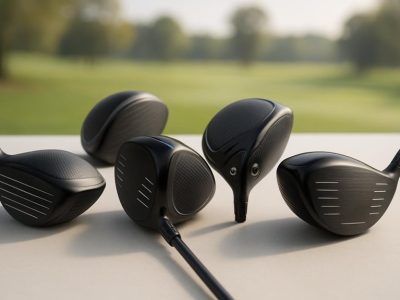
- Head Size and Shape: 460cc heads maximize forgiveness. Slight pear-shaped heads help aim.
- Weighting and CG (Center of Gravity): Rear weighting helps launch the ball higher: heel weighting can help fight slices.
- Simplicity: Don’t overcomplicate. Adjustable drivers are fine, but you should set them once and learn from that setup.
Semantic entities: TaylorMade SIM, Callaway Big Bertha, Ping G series, Cobra F-Max. Use them as reference points, not gospel.
Vulnerable moment: I steered a beginner to a low-loft, low-spin driver thinking it would add distance. It only added misses. The lesson: higher loft and forgiveness beat low spin when you’re learning.
Top Beginner-Friendly Drivers On A Budget
Fact: Several drivers deliver forgiveness and value: below I list models that balance performance and price. I include new budget lines and used older models you can find for less.
Driver 1, Affordable Forgiveness And Straight Ball Flight
Callaway Big Bertha B21 (older model) offers high forgiveness and an emphasis on reducing slices. You get a large 460cc head and rear CG that helps the ball fight fade. Used versions drop into the $150–$250 range.
Driver 2, Low Spin Option For Distance On A Budget
TaylorMade RBZ or early SIM Max models give low spin and strong ball speed. Older RBZ heads are cheap and still long. Aim for loft 10.5°–12° for easier drives. Used RBZ often under $200.
Driver 3, Lightweight Head And Easier Swing Speed
Cobra F-Max and King F8 are built light. They help players with slower swing speed generate clubhead speed. These models are forgiving and comfortable on mis-hits. Expect new/clearance/used options in the $120–$300 range.
Driver 4, Adjustable Yet Cost-Effective Choice
Ping G or older Ping G410 offers mild adjustability with simple settings. Ping heads are forgiving and have predictable ball flight. Used G drivers often sell for $200–$300 and you keep reliable performance.
Driver 5, High MOI For Maximum Forgiveness
Titleist TS or older Titleist 915/917 used heads can be found on the market and often have high MOI variants. They reward center strikes but forgive off-center contact enough for beginners who want a stable head. Price varies but older used ones fall near $150–$275.
Driver 6, Used/Vintage Find With Great Value
Older models like the TaylorMade AeroBurner or Callaway XR sometimes outperform newer cheap heads for beginners. You find them on eBay, 2nd Swing, or local shops at half the price of new drivers. Inspect shafts and faces closely.
Sources & context: These picks reflect common listings on global retailers and used shops as of 2025, and player feedback from community forums and local fitting shops.
How To Test And Fit A Budget Driver Without Overspending
Fact: You can get a reliable fit without an expensive session. Testing and fitting reduce wasted purchases.
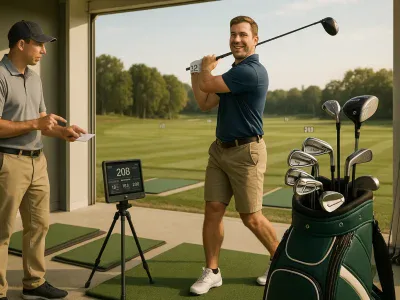
Step 1: Self-measure swing speed. Use a launch monitor at a driving range or a radar app. Regular swing speed data points guide shaft choice.
Step 2: Rent or borrow. Many shops let you demo drivers for a small fee or as part of a sale. Try two shafts and two lofts.
Step 3: Focus on dispersion, not peak distance. A slightly shorter but straighter shot wins for beginners.
Step 4: Check ball flight and spin. Ask the fitter or watch the ball: is it ballooning, diving, slicing? Adjust loft and shaft flex accordingly.
Step 5: Try used options on the range before buying. If a used driver feels right and has no structural damage, it often gives the same real-world performance as new at a fraction of the cost.
Practical warning: Don’t let a salesperson push you into unnecessary adjustability. You need simple, consistent settings when you learn.
Where To Buy, Trade-In, And Save Money
Fact: You save most by shopping used marketplaces and timing purchases around model launches.
Where to buy:
- Local golf shops and pro shops: They let you try clubs and often accept trade-ins.
- Online used retailers: 2nd Swing, GlobalGolf, RockBottomGolf offer graded used drivers with return windows.
- Marketplaces: eBay, Facebook Marketplace, Craigslist can yield bargains but inspect carefully.
Trade-in tips: Trade-in gives credit toward the new driver and reduces upfront cost. You often get better value trading at a specialty shop than at a big-box retailer.
Saving strategy: Buy just after a major brand releases new models. The prior year’s drivers drop in price quickly. Also consider buying a head-only and installing a budget shaft that fits your swing, that can be cheaper than a complete new driver.
Semantic entities: 2nd Swing, GlobalGolf, Golf Galaxy, PGA Superstore. Use warranty and return policies as decision factors.
Maintenance Tips To Keep A Budget Driver Performing Well
Fact: Basic maintenance keeps a budget driver reliable for years. Clean the face, check screws, and protect the shaft.
- Clean the face after use with mild soap and water. Dirt changes spin and feel.
- Inspect the shaft for dents or bends: replace it if you see structural damage.
- Tighten adjustable weights and hosel screws occasionally: they loosen over time.
- Use a headcover. It prevents dings during transport and resale value loss.
- Store clubs in a dry place, moisture harms grips and shafts.
Honest assessment: A cheap driver doesn’t mean cheap care. Poor upkeep shortens the life of any club. Spend five minutes after rounds and you keep performance high and resale value better.

- Best Tpu - October 21, 2026
- Mikrotik Product Comparison - October 20, 2026
- Fbm Competitors - October 19, 2026
by Ellie B, Site Owner / Publisher