Ever wondered about the difference between wrought iron and cast iron? You’re not alone. These two materials, while both types of iron, have distinct characteristics that set them apart in significant ways.
Understanding Iron and Its Types
What Is Iron?
Iron, symbolized as ‘Fe’ on the periodic table, sits at atomic number 26. It’s a ductile metal that’s known for its strength and durability. As one of Earth’s most abundant elements, it plays an integral role in many aspects of life – from being part of hemoglobin in our bodies to forming the core structure in buildings.
A fascinating aspect about iron is its ability to form various compounds with other elements due to its reactive nature. These properties give birth to different types of iron including wrought iron and cast iron which have distinct characteristics setting them apart significantly.
Pure Iron: Also referred as ferrite by metallurgists; purest form contains less than 0.008% carbon content.
Wrought-Iron: This type has low carbon content (less than 0:08%) but includes slag fibres giving it grain-like appearance resembling wood when viewed under microscope.
3.Sometimes considered softer compared other varieties
4.Largely used decorative purposes like fencing outdoor furniture
5.Cast-ironHigh carbon percentage (between %), making brittle yet excellent resistance wear tearCommonly utilized cookware heavy-duty tools machinerySteels Another category ranging alloyed steels stainless variantsDepending specific attributes these greatly differ applications industry sectorsWhile some exhibit high tensile strength others renowned corrosion-resistanceIn essence understanding differences between irons helps demystify why they’re chosen particular tasks projectsFrom constructions culinary world versatile material continues shape modern civilization
Properties of Wrought Iron
Composition and Manufacturing
Wrought iron, a semi-fused mass of iron with fibrous slag inclusions, stands out for its low carbon content. The presence of these unique inclusions gives it that characteristic grainy appearance when broken or bent. Now you might wonder how wrought iron is manufactured?
Well, the production process involves heating an ore rich in elemental iron until partial melting occurs. During this process called puddling, workers continually stir molten pig-iron to expose it to air while keeping the furnace temperature below 1°C per minute.
What’s interesting here is that as more oxygen interacts with impurities like silicon and manganese within the liquid metal mixture they oxidize leaving pure metallic particles behind known as ‘wrought’ or ‘worked’ material.
In essence, manufacturing wrought-iron includes multiple stages: smelting raw materials into pig-iron; refining through puddling; shingling (removing excess slag); rolling (forming desired shapes).
Applications and Benefits
Undeniably versatile due its strength yet malleability factor compared other forms – especially cast variants – makes incredibly useful across various sectors including construction industry where used decorative fences gates railings amongst others applications
Not only does wrought offer aesthetic appeal thanks grain-like structure also boasts resistance corrosion rust hence requires less maintenance Also capable enduring heavy load conditions which proves beneficial structures like bridges architectural designs It’s worth noting durability comes at higher cost so utilized luxury high-end projects prefer quality over economy
Properties of Cast Iron
Composition and Manufacturing
Cast iron, a distinctive member of the iron family, boasts high carbon content. Typically, it contains 2-4% carbon alongside traces of silicon, manganese, phosphorus and sulfur. Its manufacturing process involves melting pig iron along with substantial quantities of scrap steel and limestone in a blast furnace. This forms what’s known as “liquid pig iron”, which is then poured into molds to cool – hence the term ‘cast’.
This method endows cast iron with several unique characteristics that distinguish it from its counterparts like wrought or pure irons.
For instance:
Brittleness: Cast Iron tends to be brittle due to its higher percentage of carbon.
Melting Point: It has lower melting point compared other types such as wrought or stainless steels.
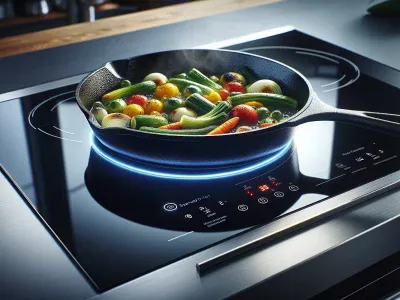
Heat Retention: The dense structure enables excellent heat retention capability making them an ideal material for cooking utensils.
The properties are determined by how rapidly cooling occurs during casting – faster cooling results in grey cast while slower yields white variants.
Applications and Benefits
Given these attributes highlighted above , you can understand why industries might favor using this type over others based on their specific needs.
To give some examples:
Cookware: Because it retains heat well and evenly distributes temperature throughout surface area makes great choice cookware especially items like frying pans skillets Dutch ovens where slow steady heating required achieve optimal culinary results,
Automotive Parts: Due durability wear resistance finds use many automotive parts such brake rotors cylinder blocks pistons,
Key Differences between Wrought Iron and Cast Iron
Let’s investigate into the core disparities that distinguish wrought iron from cast iron.
Structural Differences
The primary disparity lies in their structural composition. Wrought iron contains less than 0.2% carbon, manifesting as a pure form of this versatile metal with slag threads embedded throughout for added strength. This lower carbon content gives it ductility and malleability, allowing craftsmen to mold it into intricate designs easily — an attribute not found in its counterpart, cast iron.
In contrast, cast iron brims with anywhere from 2-4% carbon content plus additional elements like silicon or manganese. Its crystalline structure because of higher levels of impurities makes it more brittle compared to wrought variety—yet don’t let this brittleness mislead you about its usefulness!
Usage and Performance
When we move onto usage scenarios based on these differences—the picture becomes clearer still!
Wrought Iron’s low-carbon makeup affords impressive resistance against corrosion—a feature perfect for outdoor use in gates or railings exposed regularly to weather elements such as rain & snow without compromising aesthetics due largely those distinctive grainy patterns across surface areas.
But if your priority involves heat retention over visual appeal? Then certainly consider choosing Cast Iron! Thanks high level Carbon within matrix along excellent thermal properties—it excels applications demand steady slow release temperatures—for instance; cookware automotive parts where durability is paramount alongside efficient energy distribution.
Remember each type offers unique advantages depending respective application requirements so choose wisely based specific needs scenario at hand thereby ensuring optimal performance longevity investment made materials used project being undertaken today tomorrow beyond…
Conclusion
So, you’ve taken the deep jump into understanding wrought iron and cast iron. The lower carbon content in wrought iron lends it strength and corrosion resistance – making it your go-to for outdoor projects where durability is key. On the other hand, if heat retention matters more to you, like when picking cookware or automotive parts – that’s when cast iron steals the show with its higher carbon content.
Remember though: each type shines best under specific conditions based on their unique properties and advantages from composition to impurities. It all comes down to what fits your project requirements perfectly – be it longevity or performance optimization. And now that you’re armed with this knowledge of difference between these irons – choosing wisely should feel less daunting than ever before!
To provide the best experiences, we use technologies like cookies to store and/or access device information. Consenting to these technologies will allow us to process data such as browsing behaviour or unique IDs on this site. Not consenting or withdrawing consent, may adversely affect certain features and functions.
Functional
Always active
The technical storage or access is strictly necessary for the legitimate purpose of enabling the use of a specific service explicitly requested by the subscriber or user, or for the sole purpose of carrying out the transmission of a communication over an electronic communications network.
Preferences
The technical storage or access is necessary for the legitimate purpose of storing preferences that are not requested by the subscriber or user.
Statistics
The technical storage or access that is used exclusively for statistical purposes.The technical storage or access that is used exclusively for anonymous statistical purposes. Without a subpoena, voluntary compliance on the part of your Internet Service Provider, or additional records from a third party, information stored or retrieved for this purpose alone cannot usually be used to identify you.
Marketing
The technical storage or access is required to create user profiles to send advertising, or to track the user on a website or across several websites for similar marketing purposes.