Which Is More Popular: Anime or Cricket?
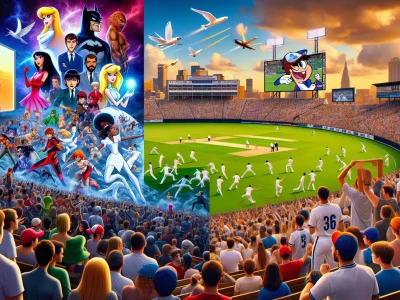
In a world buzzing with vibrant stories and roaring crowds, two cultural phenomena capture the hearts of millions: anime and cricket. Both have garnered extensive followings, yet they originate from vastly different realms. Imagine the allure of fantastical realms brought to life in anime, with its colorful characters and dramatic adventures, juxtaposed against the thunderous applause and high-stakes tension of a cricket match, where every ball bowled can shift the momentum. As we jump into the heated debate of anime versus cricket, we’ll uncover not just which is more popular, but also the unique ways each has left its mark on our global culture. Let’s explore their reach, engagement, and the intricate web of passion that binds us to these beloved pastimes.
Understanding Popularity Metrics
When we explore the popularity of any medium, defining the metrics we’ll use is critical. Popularity can be quantified through various means: box-office earnings, television viewership, streaming statistics, merchandise sales, and social media engagements. For anime, we often refer to online streaming platforms like Crunchyroll and Funimation to gauge viewership counts. Likewise, the International Cricket Council (ICC) provides insights into match viewership, fan engagement, and ticket sales during global events like the Cricket World Cup.
Using a combination of these metrics allows us to paint a clearer picture of how anime and cricket resonate within our societies. Recent reports show an increasing trend in anime subscriptions, while cricket maintains a robust fan base in regions like South Asia and the United Kingdom. By looking at these metrics, we can begin to understand how each fandom contributes to its medium’s overall popularity. If you’re curious how anime’s popularity compares against other global entertainment giants, our article on anime versus Bollywood offers a similarly revealing cross-cultural comparison.
Global Reach and Audience Engagement
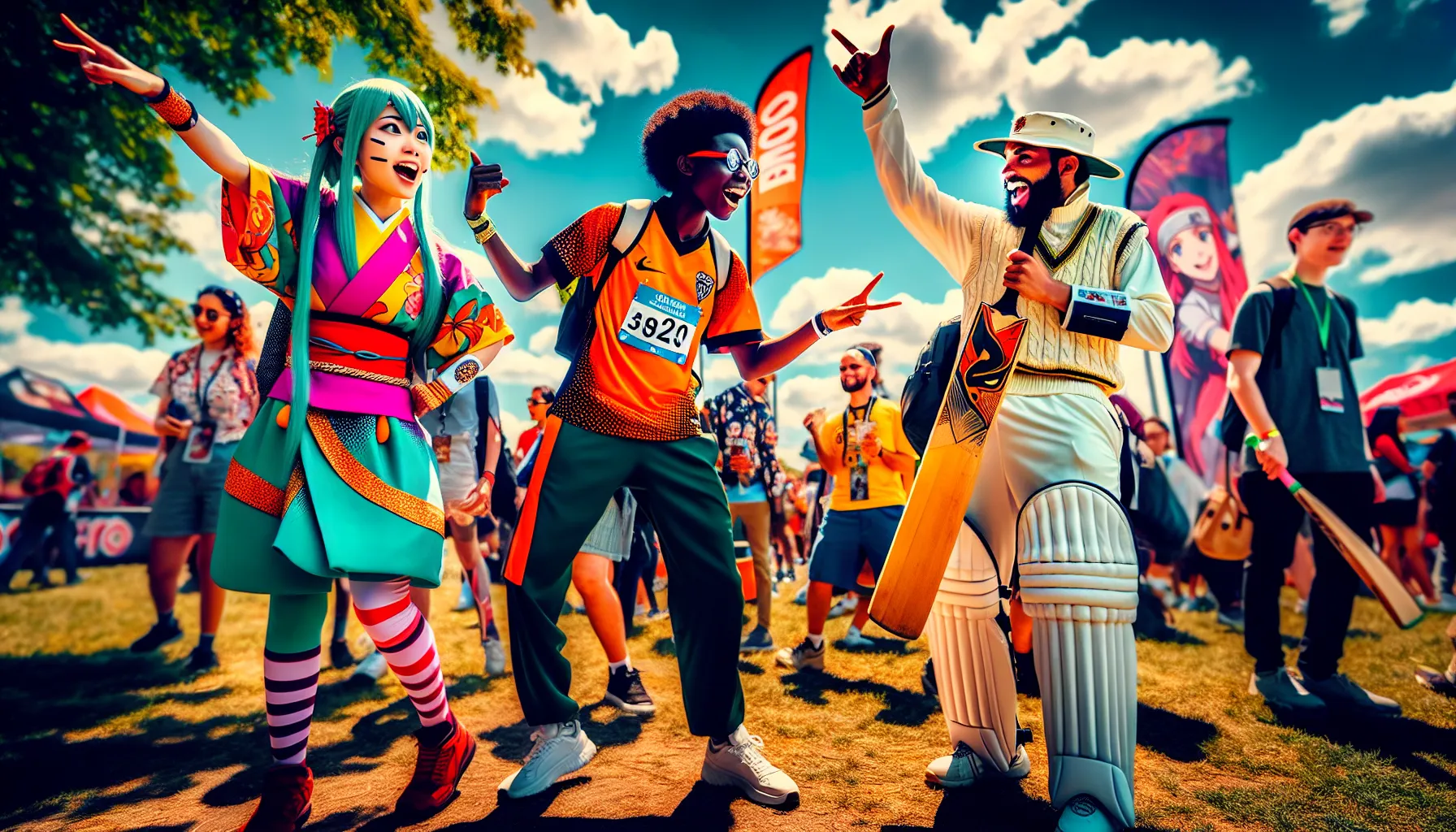
When we think about global reach, anime is not just limited to Japan: it has transcended borders, gaining immense popularity in North America, Europe, and beyond. Platforms like Netflix have expanded the accessibility of anime, allowing fans worldwide to binge-watch series that were once confined to Japan.
Conversely, cricket has its strongholds, particularly in countries like India, Pakistan, Australia, and England. The IPL (Indian Premier League) is a prime example of cricket’s global appeal, attracting audiences both locally and internationally. But, even with devoted fans, cricket’s overall reach is narrower compared to the widespread phenomenon that anime has become.
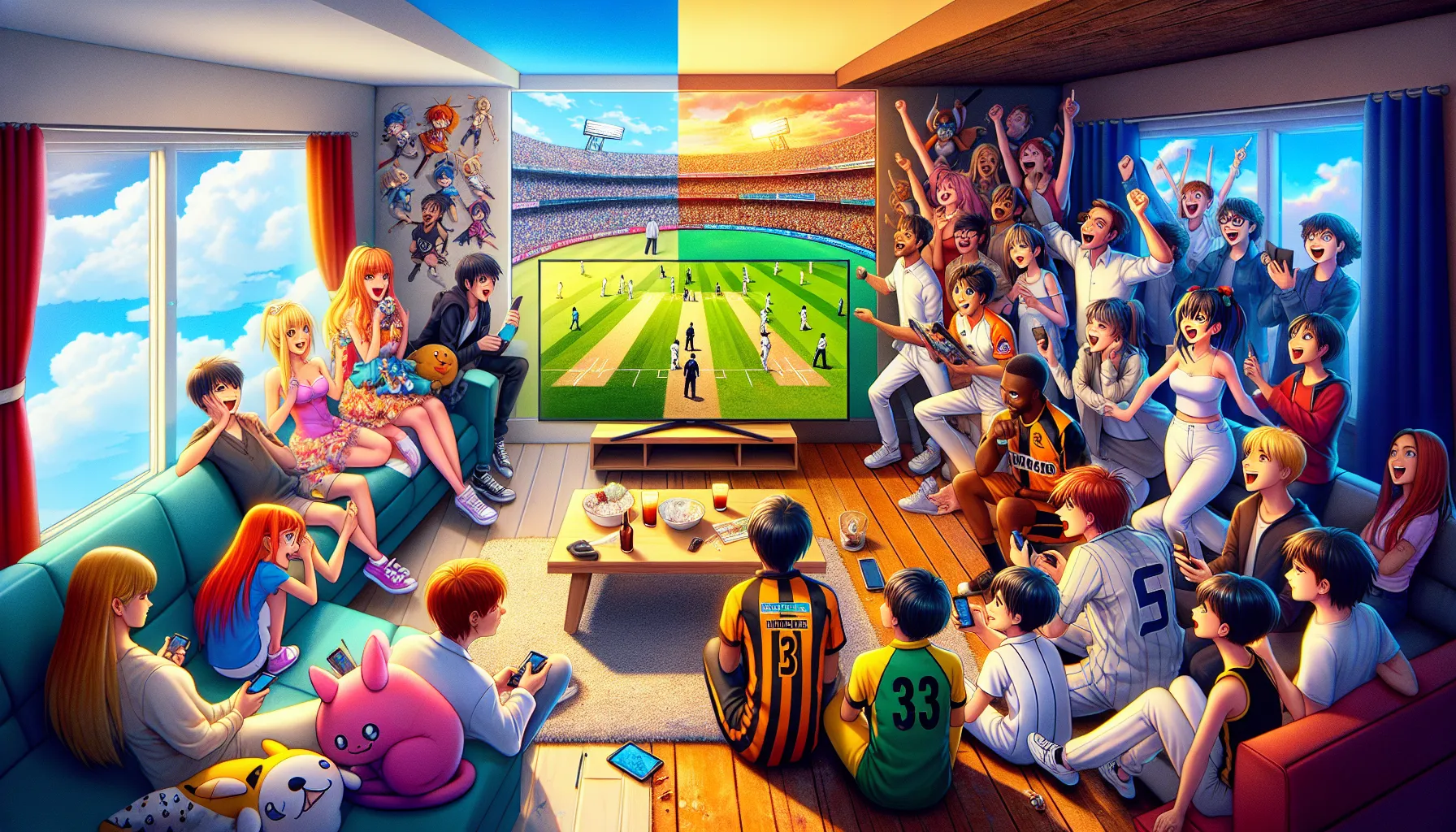
Engagement can also be seen through fan interactions. Anime enthusiasts actively participate in cosplay, fan art, and conventions, while cricket fans engage through local clubs, community events, and watch parties. The intimacy of these engagements adds to their popularity, a crucial difference in how each fandom connects with its audience.
Cultural Impact of Anime and Cricket
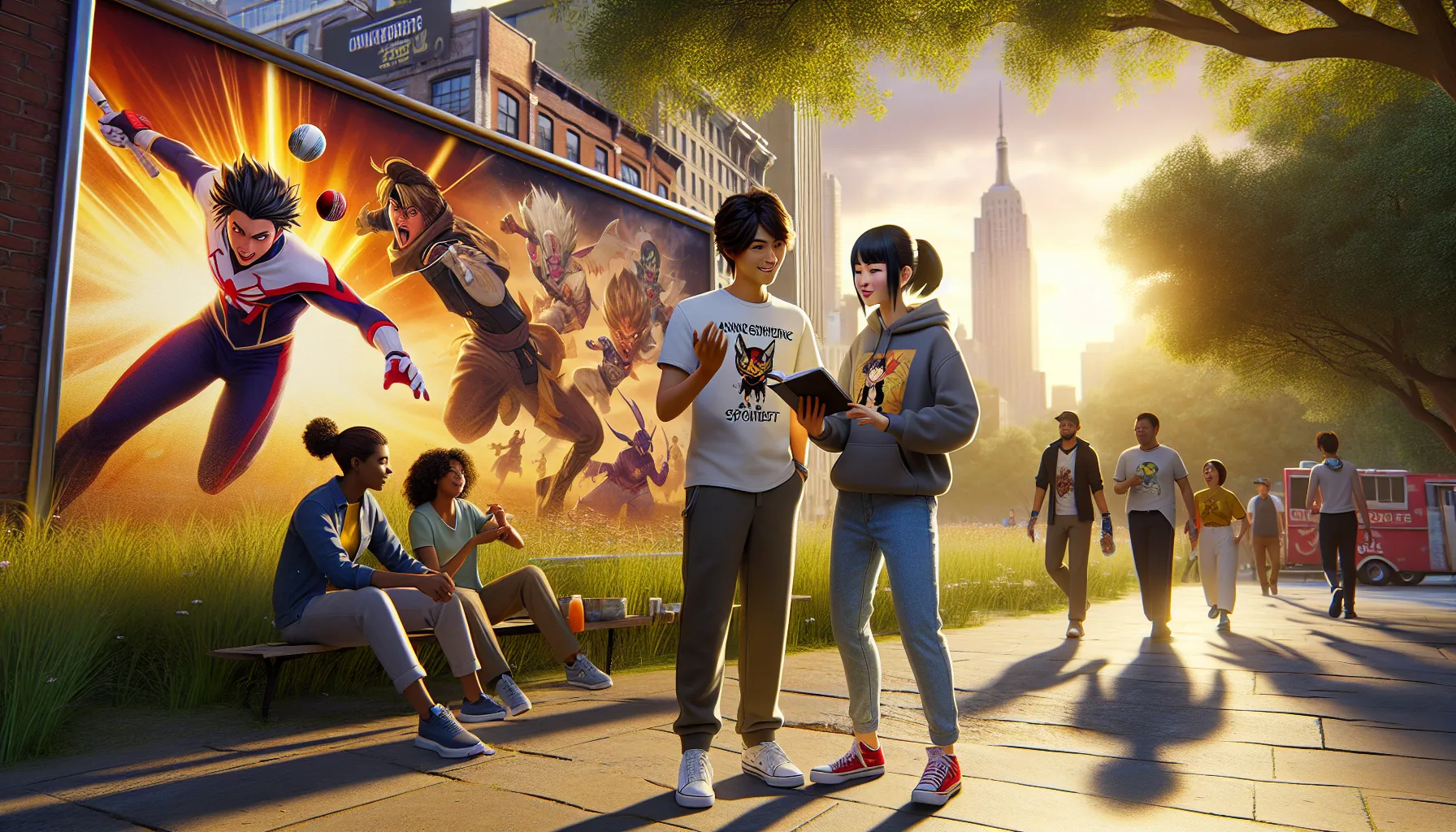
Anime and cricket both embody cultural identities but in distinct ways. Anime reflects Japanese culture, often weaving in elements of mythology, social issues, and contemporary themes. Series like “My Hero Academia” and “Attack on Titan” raise questions about heroism, power, and morality, sparking discussions that resonate beyond entertainment.
On the flip side, cricket is often intertwined with national pride. For many countries, cricket matches are cultural events, bringing communities together. The 1983 Cricket World Cup win significantly shaped India’s national identity, showcasing cricket as not just a game but a unifier of people.
In some areas, anime fandom has also influenced fashion, music, and art, while cricket’s cultural impact is often seen in literature and film, referencing iconic matches and players. Both have enriched our understanding of cultural narratives but through different lenses.
Demographics and Viewership Trends

Demographics play a significant role in how we perceive the popularity of anime and cricket. Anime tends to attract a younger audience, with many viewers ranging from teens to millennials. This demographic is not just passive consumers: they actively create content around their favorite series, sustaining and growing the anime community.
In contrast, cricket has a broader age range but often sees higher viewership in males aged between 18 and 45. Events like the Cricket World Cup are major spectacles, drawing in viewers from various backgrounds, but primarily in regions where cricket is popular. Viewership trends indicate that while both anime and cricket are gaining traction among younger audiences, the way these trends manifest reflects the unique environments in which each thrives.
Social Media Influence and Online Communities
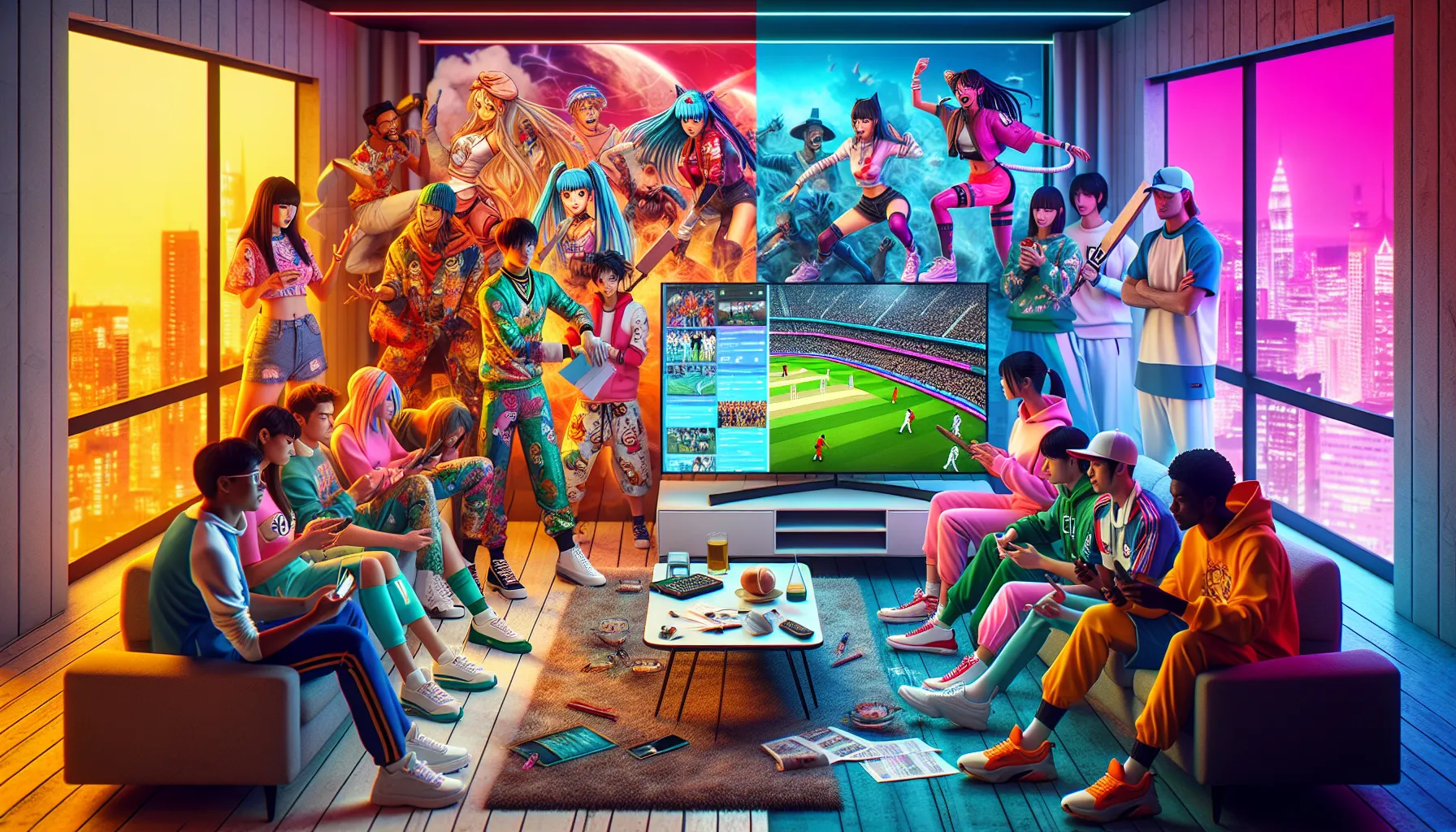
The rise of social media has transformed how we interact with both anime and cricket. Platforms like Twitter and TikTok allow fans to share insights, memes, and updates in real-time. Anime has thrived in this digital environment, with hashtags creating trending conversations including fan theories, reviews, and recommendations. Communities on platforms like Reddit foster in-depth discussions, while TikTok challenges often go viral, introducing new viewers to the genre.
Cricket also utilizes social media to connect with fans, providing live updates, match highlights, and fan interactions that deepen the relationship between followers and their favorite teams. But, the engagement style differs: cricket’s audience often leans towards analytics and expert opinions, while anime fandom is characterized by creative expression and enthusiastic discussions around plot and character development. To see how anime fandom compares with another music-driven global community, our article on anime versus BTS is worth exploring.
Economic Aspects of Both Industries
From an economic perspective, the industries behind anime and cricket are thriving yet operate differently. The anime industry generates revenue through streaming services, merchandise sales, and fan conventions. Anime conventions like Anime Expo have grown exponentially, showcasing the economic potential of engaging with fans face-to-face.
On the cricket side, the sport is supported by massive sponsorship deals, broadcasting rights, and ticket sales, which can yield millions during major events. The IPL is notable for its significant financial impact, drawing in sponsorships from global brands and transforming cricket into a lucrative entertainment package.
While both industries have strong economic foundations, cricket tends to command higher revenues, thanks in part to its long-standing history and established fan base. For perspective on how anime’s animation-based storytelling has grown its own economic empire, our comparison of anime versus cartoons traces how the medium distinguishes itself commercially and creatively.
Conclusion
As we wrap up this exploration of anime and cricket, it’s clear that both have carved out remarkable spaces in our culture. While the metrics can vary and engagement styles differ, what remains constant is their ability to shape our experiences and connect people across the globe. Whether we’re rooting for our favorite anime character or cheering for a cricket team, both offer unique narratives that resonate deeply within our hearts. The debate on which is more popular goes beyond mere statistics, it reflects our preferences, passions, and the stories that inspire us.

- Must-Watch KK Menon Movies for Film Lovers - October 15, 2026
- Free Alternatives to Mobbin - October 15, 2026
- Kia Seltos Competitors: Top Compact SUVs - October 14, 2026
by Ellie B, Site Owner / Publisher