Which Is More Popular: Anime or Bollywood
In a world overflowing with entertainment options, the battle between anime and Bollywood emerges as a captivating topic of discussion. Each has carved out a niche that resonates with millions globally, but what exactly drives their popularity? Just imagine the vibrancy of Bollywood’s colorful dance numbers unfolding on the big screen, enticing us to join in the jubilation, while simultaneously, stunning anime visuals transport us to fantastical realms filled with gripping narratives and complex characters. As we explore this intriguing comparison, we’ll uncover not just the facts but the heartbeats that fuel the fervor of fans for both genres. What cultural nuances elevate them? How does the global audience vary? These are questions that go beyond mere numbers and statistics, they touch on the essence of storytelling itself.
Understanding Popularity: Definitions and Metrics
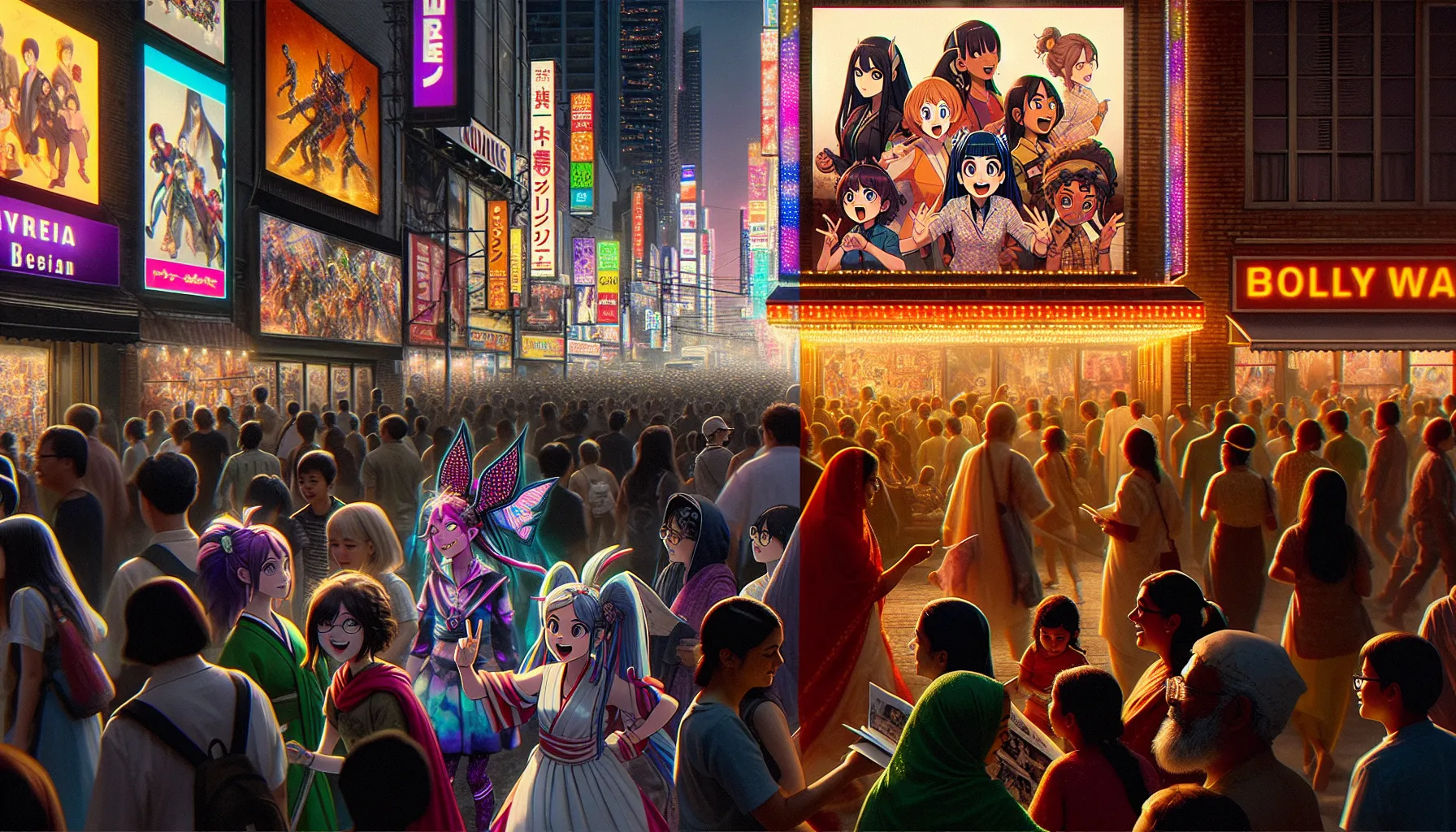
To embark on our analysis, we must first grasp what we mean by popularity. Popularity can often be measured in various ways, including viewership numbers, social media engagement, and critical reception. Anime, characterized by its unique art style and storytelling, has reveled in an explosive rise in viewership over recent years, particularly in the West. Conversely, Bollywood, the vibrant film industry of India, boasts a staggering output of films and a massive fan base, particularly within the Indian diaspora and beyond. By examining the metrics, box office revenues, streaming statistics, and social media mentions, we can start to discern which form of entertainment holds more sway over global audiences. It’s also worth noting that anime’s cross-cultural appeal extends well beyond Bollywood — our article on anime versus BTS examines how these two very different entertainment worlds compare on a global stage.
Global Reach and Audience Demographics
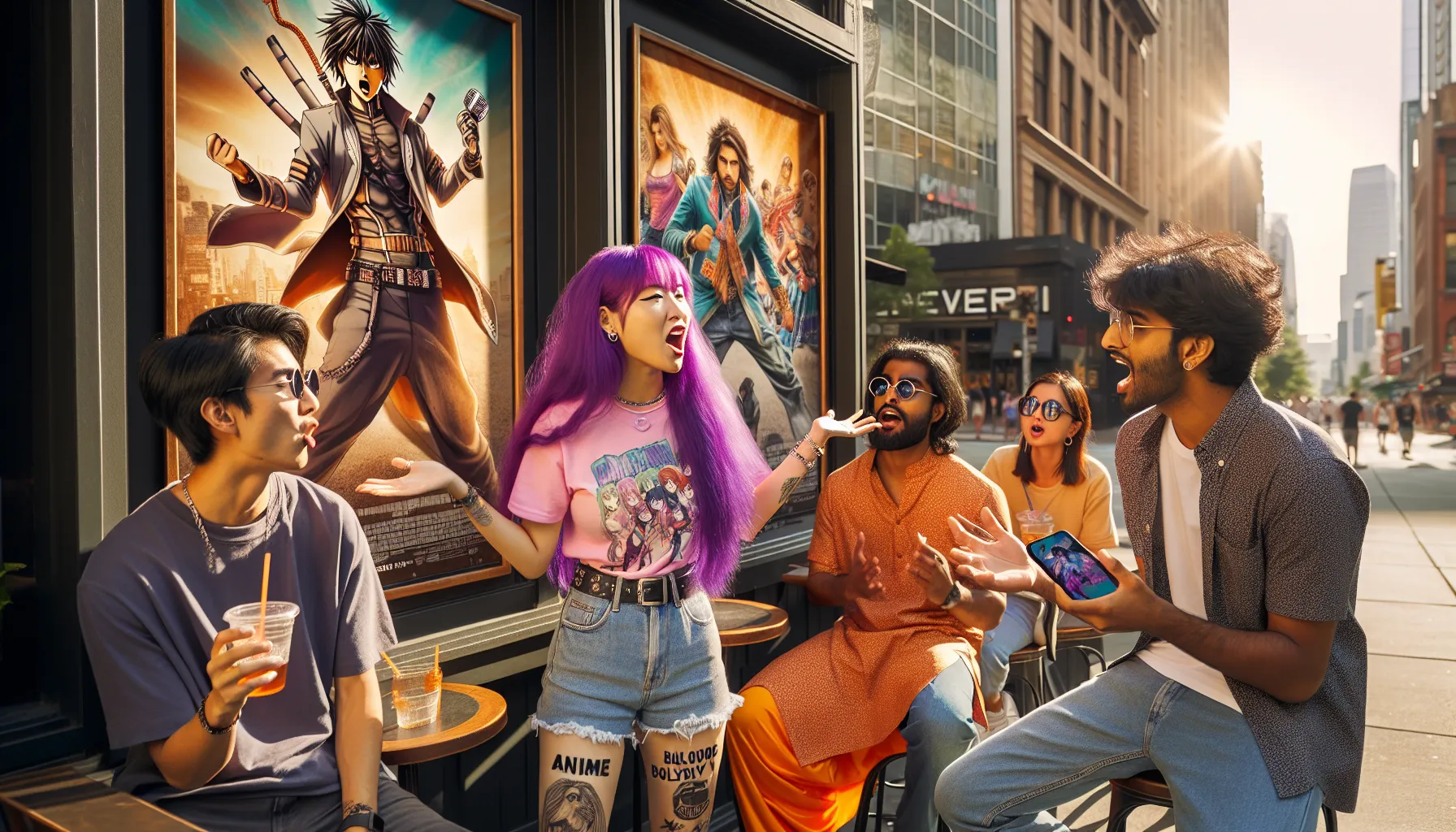
When we explore the global reach of both anime and Bollywood, interesting patterns emerge. Anime has seen an impressive surge in popularity in North America and Europe, driven largely by platforms like Crunchyroll and Netflix. According to a report from Statista, anime streaming services saw significant growth, with millions subscribing to content-rich platforms dedicated solely to animated masterpieces. Conversely, Bollywood films maintain a robust hold in South Asia and among the Indian diaspora in various countries, fetching appreciation beyond borders, especially in regions like the Middle East and Africa. The demographics differ: anime attracts a youthful crowd drawn to its artistic flair and often profound themes, while Bollywood enchants audiences of varying ages with its fusion of drama, song, and dance.
Cultural Impact and Representation
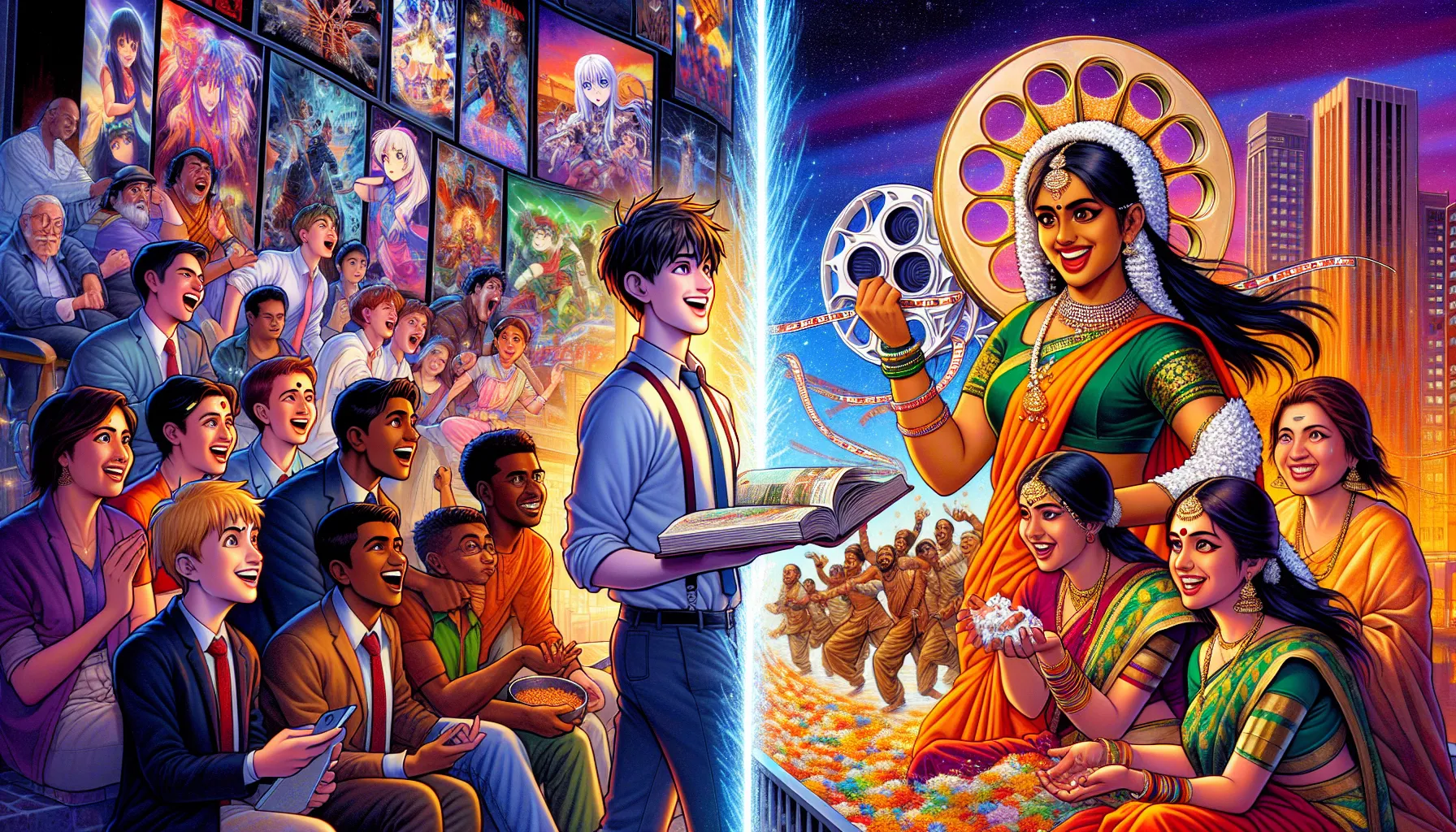
Cultural representation plays a pivotal role in the popularity of both anime and Bollywood. Anime often grapples with themes like identity, morality, and the human condition, reflecting both Japanese society’s nuances and universal truths that resonate globally. Series like “Attack on Titan” or “My Hero Academia” blend personal struggles with epic storytelling, inviting viewers into richly built worlds. Alternatively, Bollywood showcases the vibrancy and diversity of Indian culture, encapsulating social issues, relationships, and celebrations. Films like “Lagaan” and “Dangal” not only entertain but also create dialogues around significant societal issues. This cultural dialogue fosters a stronger connection with viewers, eventually elevating both forms of storytelling.
Market Economics: Revenue and Industry Size
Analyzing the economic aspect reveals stark distinctions between anime and Bollywood. The global anime industry has ballooned over the years, boasting revenues that reached approximately $23 billion in 2021, thanks to a burgeoning fanbase and increasing merchandise sales. In contrast, Bollywood’s economic impact is equally impressive, with the Indian film industry projected to surpass $5 billion by 2023. But, it is essential to consider the sheer volume of content produced: Bollywood churns out more films annually than any other film industry, with hundreds of releases every year compared to the relatively fewer anime titles. This difference in production volume indicates that while individual films may draw large crowds, the cumulative output of Bollywood remains a titan in the entertainment sphere.
Social Media Influence and Community Engagement
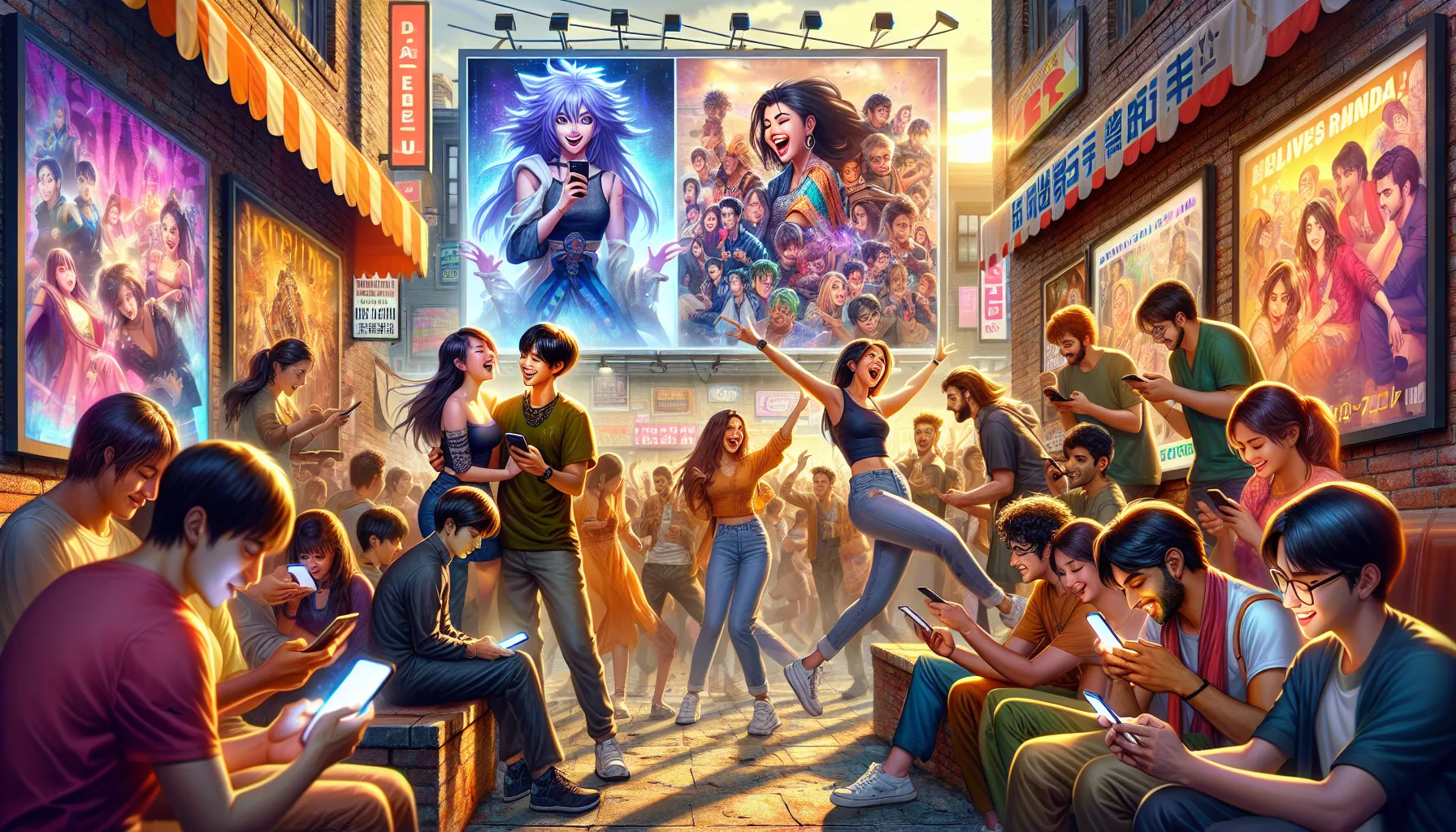
Social media has revolutionized how we engage with and consume both anime and Bollywood. Platforms like Twitter, Instagram, and TikTok are bustling with enthusiastic discussions, fan art, and relatable memes, creating vibrant communities for both forms of entertainment. Anime fans often flood social media with their favorite moments and character analyses, forging connections over shared encounters with profound narratives. Meanwhile, Bollywood’s influence can be spotted trending on various platforms, especially during massive film releases, with hashtags flooding our feeds. The rapid sharing of trailers, songs, and dance videos cultivates a sense of shared experiences, which in turn amplifies popularity, making these platforms formidable battlegrounds for drawing in fans. Another entertainment giant that dominates social media in a comparable way is cricket — our piece on anime versus cricket digs into how these two passions compare in global reach.
Comparative Analysis of Viewership Trends
A closer examination of viewership trends highlights how audience preferences can evolve over time. Many avid anime watchers find themselves immersed in binge-watching culture, eagerly anticipating new seasons of their favorite series. Conversely, Bollywood often sees spikes in viewership aligned with festive seasons and significant public holidays, where families gather to enjoy films together. Recent trends have shown a broader acceptance and enthusiasm for both, allowing us to witness fans crossing over into the realms of the other. This fluidity serves as a testament to the robust storytelling inherent to both industries.
Future Projections: What’s Next for Anime and Bollywood?
As we ponder the future of both anime and Bollywood, these industries face exciting opportunities and challenges. Anime is likely to continue its international expansion, with collaborations and adaptations drawing in new audiences. The popularity of titles like “Demon Slayer” and “Jujutsu Kaisen” speaks volumes about this potential — for a closer look at how individual anime titans compare, our breakdown of anime versus cartoons explores the wider animated landscape these series inhabit. On the other hand, Bollywood is adapting by incorporating international production techniques and storytelling styles to appeal to global audiences. We can expect hybrid films that dare to blend Western storytelling with Indian culture, enhancing the richness of Bollywood’s offerings.
Conclusion
To conclude, while both anime and Bollywood boast impressive popularity across diverse audiences, their allure lies in varied cultural representations and storytelling techniques. As we look ahead, the unique appeal of each promises to keep us entertained and engaged. Whether through the animated artistry of anime or the vibrant films of Bollywood, our exploration reveals a continuing dialogue between cultures, one that fuels our collective passion for storytelling.

- Kia Seltos Competitors: Top Compact SUVs - October 14, 2026
- Free to Use Photoshop Alternatives - October 14, 2026
- Ajax Alternatives Mtg Reddit - October 13, 2026
by Ellie B, Site Owner / Publisher