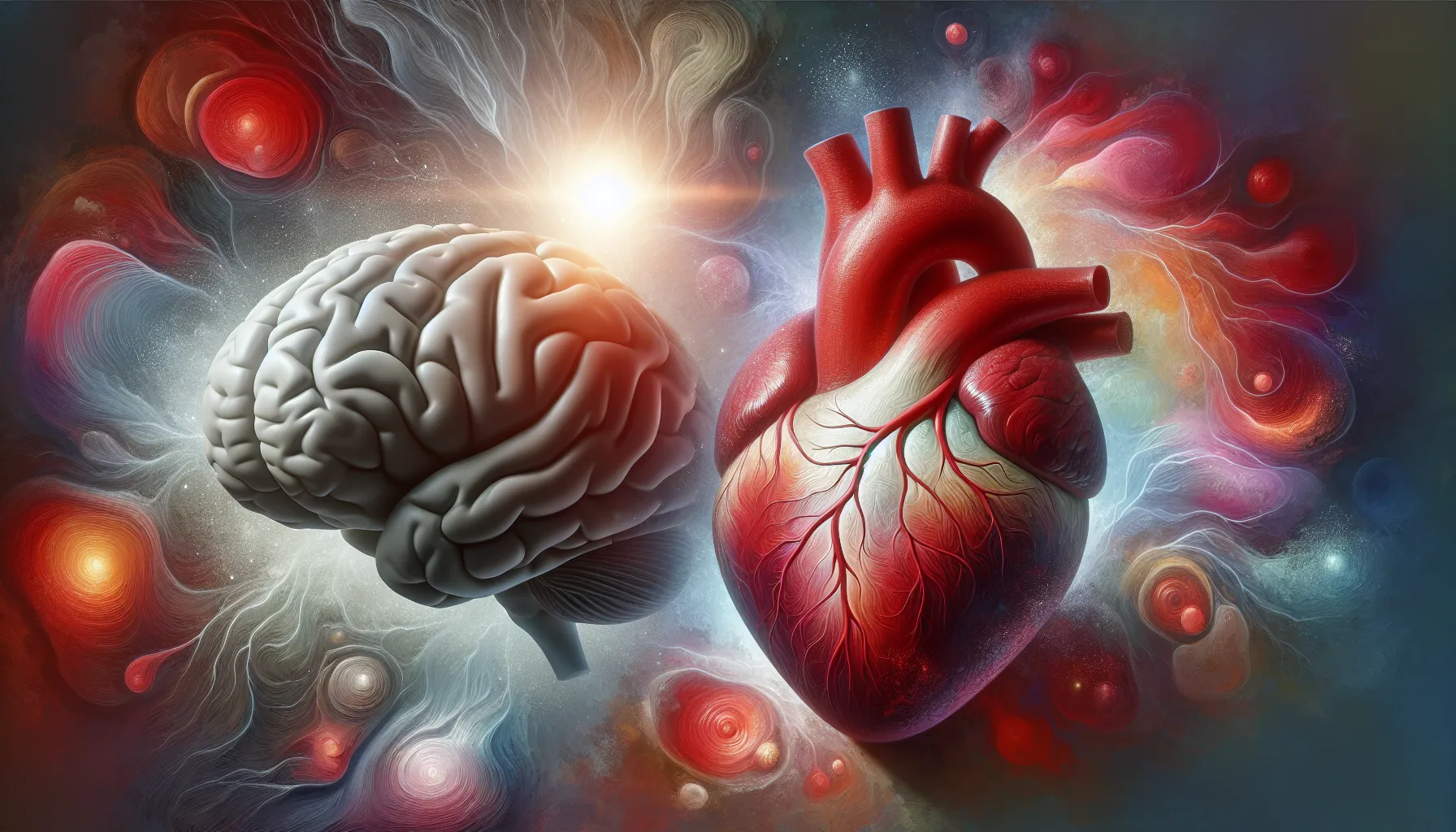
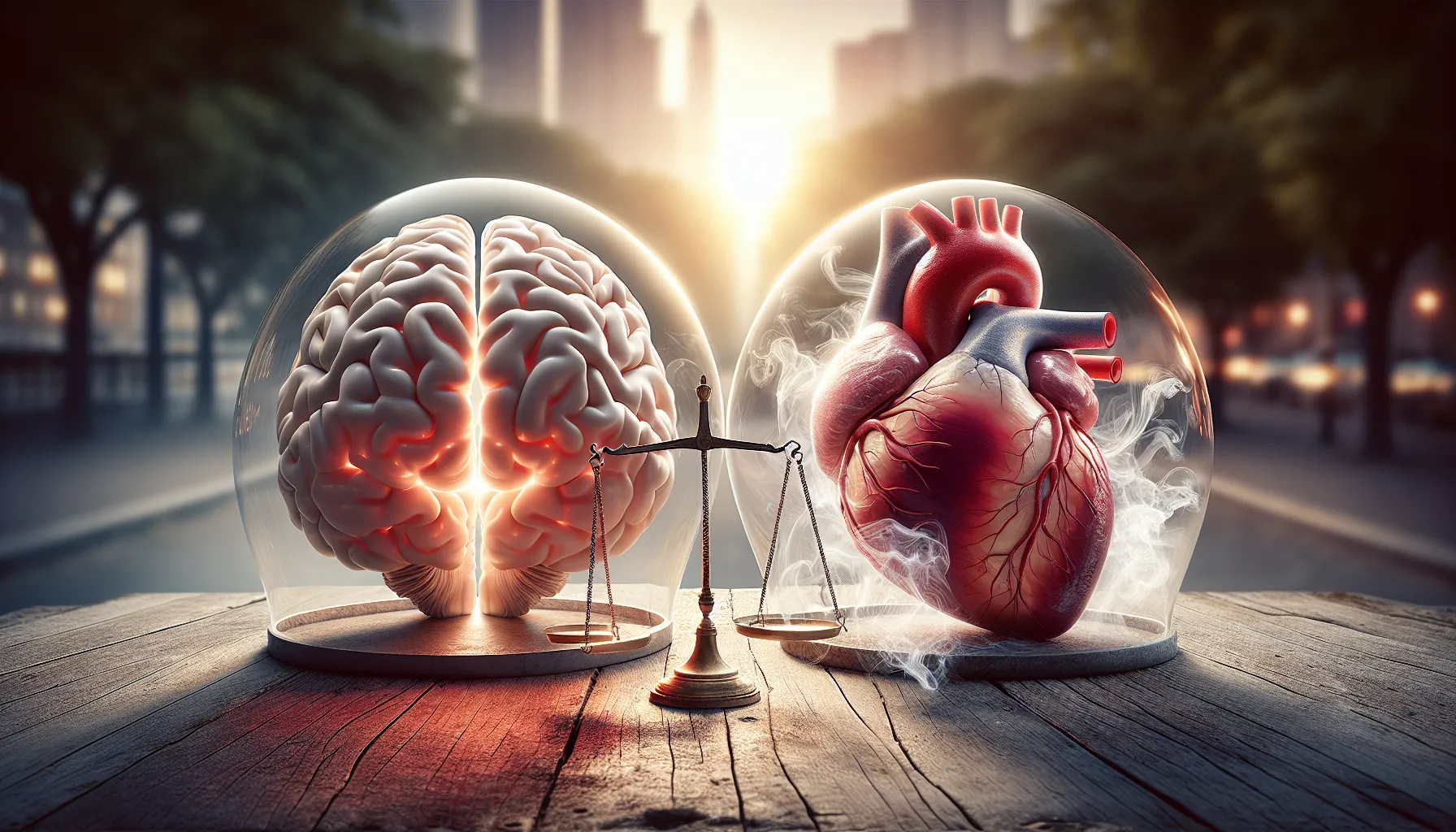
Imagine standing in the middle of a bustling city, surrounded by people rushing by, all with their unique thoughts, feelings, and distractions. Amidst this chaos, two vital organs play distinct yet interconnected roles in shaping our very existence: the brain and the heart. We often hear phrases like “follow your heart” or “trust your brain,” but what if the truth lies in understanding how these two entities work together to define us? This article dives deep into their individual importance, their interconnections, and what that means for our lives, eventually revealing that the balance between intellect and emotion is where true vitality lives.
Understanding the Roles of the Brain and Heart
The Brain: Control Center of the Body
The brain serves as the command center for our body. It processes information from our senses and coordinates reactions, essentially orchestrating our entire physical existence. This organ is divided into various regions, each responsible for specific functions, from controlling our motor skills to processing emotions. Imagine navigating a busy highway: the brain is the GPS guiding every turn and speed adjustment.
Cognitive Functions and Emotional Processing
Beyond mere survival, our brain is the seat of cognition, it influences our thoughts, interpretations, and responses to the world. This duality of function highlights the brain’s ability to analyze situations while also grappling with emotional responses. For instance, in a moment of stress, our brain doesn’t just calculate the best escape route: it feels an emotional weight too, illustrating how it navigates through complex human experiences.
The Heart: The Body’s Vital Engine
How the Heart Supports Overall Health
The heart, often poetically described as a symbol of love, also plays a crucial physiological role. It pumps blood, delivering nutrients and oxygen to every cell in our body. Much like an unyielding engine, the heart powers our very being. When we consider overall health, heart function stands paramount, good cardiovascular health is linked to longevity and vitality. This essential organ operates continuously, requiring our attention through healthy lifestyle choices.
Interconnection Between Brain and Heart
Physiological Links and Communication
The relationship between our brain and heart isn’t one-sided. There are intricate networks of communication that enhance their synergy. For instance, the brain sends signals to the heart, ensuring it beats in sync with our body’s needs, whether during moments of excitement or calm. This neural interplay is evident when we experience butterflies in our stomach or feel our heart race during moments of anxiety, indicators of their strong connection.
Psychosomatic Effects: How Emotions Influence Heart Health
We shouldn’t overlook the impact of emotional states on heart health. Stress, anxiety, and depression can manifest physically, altering our heart rate and essentially reshaping our cardiovascular health over time. Just as the heart pumps vigorously during moments of joy, it can also falter under the weight of negative emotions. Paying heed to how we feel is crucial for maintaining not just mental wellness, but physical well-being as well.
Evaluating Importance in Various Contexts
In Health: Prioritizing One Over the Other
When assessing health, we often prioritize one organ over the other, especially in medical settings. While brain health may dominate discussions concerning cognitive diseases, heart health conversations revolve around lifestyle choices and overall fitness. This leads to a pivotal question, should we view them through a lens of competition or cooperation? An integrated approach is likely more beneficial.
In Decision Making and Relationships
In both decision-making scenarios and personal relationships, we encounter a delicate balance between logic and emotion. Situations may require the analytical prowess of our brain or the empathetic understanding of our heart. Striking the right balance often means seeking a solution where both play a role, serving us well in navigating the complexities of life.
Conclusion
As we journey through the intricacies of our existence, both brain and heart hold paramount importance, albeit in different arenas. The quest for meaning often intertwines cognitive understanding with emotional resonance. By appreciating both roles, we not only enrich our lives but foster healthier relationships with ourselves and others. Eventually, it becomes clear that true wisdom resides in harmonizing the insights of our minds with the deep sentiments of our hearts, bringing us closer to wholeness.
To provide the best experiences, we use technologies like cookies to store and/or access device information. Consenting to these technologies will allow us to process data such as browsing behaviour or unique IDs on this site. Not consenting or withdrawing consent, may adversely affect certain features and functions.
Functional
Always active
The technical storage or access is strictly necessary for the legitimate purpose of enabling the use of a specific service explicitly requested by the subscriber or user, or for the sole purpose of carrying out the transmission of a communication over an electronic communications network.
Preferences
The technical storage or access is necessary for the legitimate purpose of storing preferences that are not requested by the subscriber or user.
Statistics
The technical storage or access that is used exclusively for statistical purposes.The technical storage or access that is used exclusively for anonymous statistical purposes. Without a subpoena, voluntary compliance on the part of your Internet Service Provider, or additional records from a third party, information stored or retrieved for this purpose alone cannot usually be used to identify you.
Marketing
The technical storage or access is required to create user profiles to send advertising, or to track the user on a website or across several websites for similar marketing purposes.