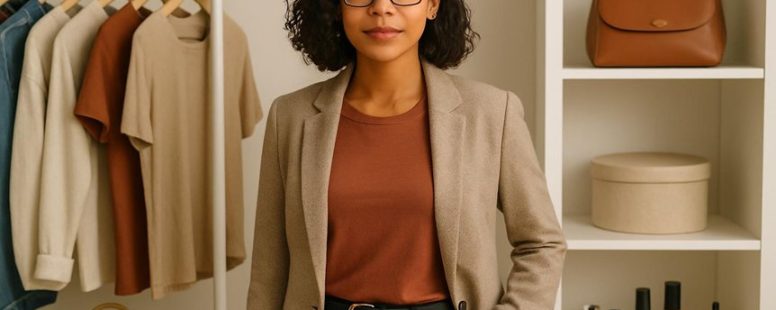
Imagine packing a wardrobe into a single suitcase that’s ready for every occasion, from casual brunches to evening dinners. It’s not magic—just clever choices and a keen eye for versatile basics.
Looking stylish on a tight budget isn’t about sacrificing flair; it’s about working smarter with what you already own. When your closet feels like a maze of clothes and nothing seems right, the solution might be simpler than you think.
A well-curated wardrobe can become your secret weapon, turning everyday outfits into a canvas of confidence and ease.
Build a Capsule Wardrobe for More Outfit Options
A capsule wardrobe is a small collection of versatile clothes that can be mixed and matched to create many outfits. It is not about having fewer clothes just for the sake of it, but about choosing quality pieces that work well together. This kind of wardrobe can save you time, money, and stress when deciding what to wear each day.
To build a capsule wardrobe, start by picking neutral colors like black, white, gray, or navy. These colors go with everything and make matching easier. Choose classic styles that never go out of fashion, such as a simple white shirt, dark jeans, or a black blazer. For example, a well-fitting pair of loafers or a plain sweater can be worn in many ways. Think of it like creating a wardrobe foundation that can host many different outfits.
Some people worry that a small wardrobe might limit their style. But in reality, a few good pieces can be enough to look polished. For example, you can wear a white shirt with jeans for a casual look or dress it up with a blazer for work. However, keep in mind that a capsule wardrobe works best if you prefer simple, timeless clothes. If you love trendy or bold pieces, you may need more options.
Building a capsule wardrobe does have limits. It might not suit those who like changing their style often or have specific needs like sportswear or special occasion clothes. Also, investing in quality pieces can be more expensive upfront but saves money in the long run because they last longer.
Pick Quality Basics That Last Longer
The best way to make your wardrobe last longer is to choose quality basics. These are simple, versatile pieces made from strong, natural materials. Look for clothing made from fabrics like cotton, wool, or linen because they wear better over time and feel comfortable. For example, a good pair of jeans or a classic white shirt can last years if they are made well.
When shopping, pick timeless designs in colors like black, white, navy, or beige. These shades don’t go out of style, so you can wear the same piece many seasons. Think about how well different styles can work for both casual days and more formal occasions. For example, a simple blazer or a plain t-shirt can be dressed up or down easily.
Pay attention to details that make clothes stronger. Sturdy buttons, double-stitched seams, and reinforced areas help clothes stay in good shape longer. Some brands like Everlane or Patagonia focus on ethical practices and make durable clothes that last. But keep in mind, higher quality often costs more upfront, so you need to decide if it fits your budget.
Some people prefer buying fewer pieces that do many jobs, which reduces waste and saves money. Others worry that quality clothes can be expensive and may not match every style. So, it’s good to balance choosing durable pieces with your personal taste and budget.
In the end, quality basics are about investing in pieces that last. They save you money over time and help you avoid constantly replacing cheap clothes. But remember, even the best-made clothes need proper care. Washing and storing them right keeps them looking new longer. Would you rather buy cheap clothes often or spend more once and wear them for years? The choice is yours.
Mix and Match Budget-Friendly Pieces for Versatile Looks
A simple wardrobe with versatile pieces can save you time and money. Choosing key items that can be mixed and matched makes getting dressed easier. For example, wearing a plain white T-shirt with jeans and a blazer can look different just by changing accessories or shoes. Sticking to a basic color palette like black, white, and gray helps these pieces work well together. This keeps outfits looking neat without needing lots of clothes.
Some people add accessories like scarves, jewelry, or hats to make their looks more interesting. These small touches can make a simple outfit look stylish without costing much. But, be careful not to overdo it. Sometimes, too many accessories can clutter your look.
However, there are limits. Not all staples work for every style or occasion. For example, a hoodie might be perfect for running errands but not for a job interview. Also, sticking to only basic colors can make your wardrobe boring if you don’t mix things up enough.
In the end, building a wardrobe with mix-and-match pieces is a good way to save money and time. But, make sure you pick pieces that fit your style and needs. It’s smart to invest in quality basics from brands like Uniqlo or Gap. They last longer and look better. Remember, the goal is to make your outfits simple but still fun and personal.
Essential Wardrobe Staples
A wardrobe with the right essentials is simple to build and doesn’t cost a lot. The key is choosing basic pieces that can be mixed and matched. For example, a white shirt that fits well, dark jeans, and a versatile blazer are great starting points. These items are easy to wear for many occasions and can be dressed up or down. When you buy good quality basics, they last longer, so you won’t need to replace them often. It’s best to pick neutral colors like black, white, or gray because they go with most trends and styles. These staples help you look polished without spending too much money.
Some people might worry that buying only basics will make their wardrobe boring. But if you add trendy pieces later, your clothes can still stay interesting. Others might think that investing in quality basics costs too much upfront. While good basics can be pricier, they save you money in the long run because they last longer. Keep in mind, building a wardrobe takes time. Starting with these essentials makes dressing easier and more affordable every day. Think of it like laying a strong foundation for a house—once it’s set, everything else falls into place.
Color Coordination Tips
Color coordination is one of the easiest ways to make your outfits look stylish without spending much money. First, understand the color wheel. It shows how colors work together. You can pick colors that are opposite each other, like red and green, for a bold look. Or stick with neutral colors like black, white, or beige because they go well with almost everything and make outfit planning simple.
Using seasonal colors is another smart trick. For example, in fall, warm tones like orange and brown are in style. In spring, bright colors like yellow and pink are popular. This helps your wardrobe look fresh without buying new clothes all the time. You can also add a pop of bold color, like a red scarf or blue shoes, to make simple outfits stand out.
Creating outfits with the same color in different shades, called monochromatic dressing, is easy and looks elegant. Try layering different tones of blue or gray for a chic look that adds depth. Mixing prints or textures, like stripes with florals or denim with leather, keeps your outfits interesting without costing more.
Colors also affect how you feel. Bright colors can make you seem confident, while soft, calm shades can help you stay relaxed. Knowing this can help you dress for your mood or the occasion.
Some people warn that mixing too many colors or prints can look messy. Others say sticking with neutral tones is boring. So, balance your outfits carefully. With these tips, even inexpensive clothes can help you look great every day.
Accessorize To Elevate
Accessories are a simple way to make your outfit look better. They can change a plain look into something special without costing too much. For example, wearing a bold necklace or big earrings can make your face stand out and draw attention. Layered bracelets add texture and make your wrists look interesting. A cute hat or colorful scarf can turn a basic outfit into a versatile look for many occasions.
Statement bags and bright belts are good for refreshing your style fast. They add color and fun without much effort. Small details like trendy sunglasses or a pretty brooch can give your outfit a subtle upgrade. If you want a clean and smart style, go for simple jewelry that doesn’t stand out too much.
Some people love mixing different accessories to create new looks every day. Others worry that too many accessories might look busy or clash. It’s good to experiment, but remember that less can sometimes be more. Not all accessories fit every outfit or occasion, so choose wisely.
In the end, accessories can help you show your personality and make you feel confident. Just keep in mind that not every accessory will work for every style, and sometimes cheap options don’t last long. Be smart about what you pick and have fun trying new combinations.
Use Accessories to Elevate Simple Outfits on a Budget
Accessories are a simple way to make a basic outfit look more stylish without spending a lot of money. They can instantly change your look and add personality. Here are some easy tips:
What accessories do best?
Accessories like necklaces, earrings, scarves, hats, belts, brooches, bags, shoes, and sunglasses can make plain clothes stand out. For example, a bright scarf can add color to a plain white tee, and bold earrings can make a simple outfit look more fun.
How to choose the right accessories?
First, pick accessories that match your style. If you like bold looks, go for big jewelry or colorful scarves. If you prefer simple styles, choose small, subtle pieces. Second, use accessories to highlight your favorite features, like a waist belt to define your shape or a fun hat to show your personality.
Steps to upgrade your outfit with accessories:
Start with a basic outfit like a plain shirt and jeans.
Add a statement necklace or colorful earrings to make it pop.
Tie a scarf around your neck or in your hair for extra color.
Wear a trendy hat or a bold belt to add interest.
Finish with a chic bag and a pair of eye-catching shoes.
Don’t forget sunglasses on sunny days for confidence and style.
Two viewpoints:
Some say accessories are the best way to upgrade a look on a budget because they are affordable and easy to change. Others warn that too many accessories can look cluttered or cheap if not chosen carefully. It’s best to keep it simple and pick a few pieces that really stand out.
Limitations:
Accessories can be fun, but they won’t fix a poorly fitting outfit or low-quality clothes. Also, buying too many trendy pieces can become expensive. It’s smart to invest in a few good accessories that last and can be mixed with many outfits.
In summary:
Accessories are like magic tricks for outfits. They let you express your style without spending much. Just pick the right pieces, add them step-by-step, and enjoy how your simple look becomes stylish and unique. Have fun experimenting!
Refresh Your Style With Easy DIY Clothing Hacks
DIY clothing hacks are a simple way to update your wardrobe without spending a lot of money. These tricks can help you make old or faded clothes look new and fun.
First, dyeing clothes is a quick way to change their color. You can use fabric dye from stores like Rit or Dylon. Just follow the instructions on the package—usually, it involves soaking your clothes in a dye bath. For example, turning a faded t-shirt into a bright pink shirt can make it look fresh again. Keep in mind, some fabrics dye better than others. Cotton and polyester blend well, but silk might need special dyes.
Second, adding embellishments like patches, beads, or embroidery can give your clothes personality. Sewing on patches from stores like Amazon or Etsy can cover stains or add a cool design. Beads or sequins can make simple tops sparkle. If you don’t have sewing skills, fabric glue can help stick patches or decorations easily. Just be aware that glue may not last as long as stitches.
Third, upcycling is a fun way to transform old clothes into new styles. For example, turning a long dress into a trendy skirt or cutting up an old T-shirt to make a tote bag. You don’t need to be a pro sewer to do basic cuts and stitches. There are plenty of tutorials online that show how to do simple upcycling projects. But, be careful—improper cutting or sewing can ruin the garment or make it unwearable.
Finally, basic sewing skills can help you fit clothes better or add unique details. Simple stitches can take in a waistband or create ruffles. If you’re new to sewing, start with small projects like hemming pants or sewing on buttons. It’s a useful skill, but it takes practice. Using a sewing machine makes the job easier, but hand sewing works too.
Some people say these hacks save money and make clothes more personal. But others warn that dyeing or sewing can be tricky if you don’t do it right. For example, uneven dyeing or poorly sewn patches can make clothes look worse. So, practice first on cheap items before trying your favorite shirt.
In short, with a little effort, you can refresh your wardrobe and get creative. Whether dyeing, decorating, or upcycling, these hacks can boost your style without breaking the bank. Do you feel ready to give them a try?
Shop Smart for Stylish Budget Finds
Thrifting is a great way to find stylish clothes without spending much money. Compared to shopping at regular stores, thrift shops often have unique pieces that you won’t see everywhere. For example, you might find a vintage jacket at Goodwill or a designer shirt at a local thrift store.
To get the best deals, try shopping during seasonal sales or clearance events. Many thrift stores put out new clothes at the start of each season, so shopping then can save you even more. For instance, fall sweaters or summer dresses are often cheaper when the season is ending.
Here are simple steps to shop smart: First, make a list of what you need. Second, go early in the day when the store is fresh with new items. Third, look carefully for quality and check for stains or tears. Fourth, compare prices with regular stores to make sure you’re really saving money.
Some people think thrifting is hit or miss. Yes, it can take time to find something you like. Also, not all thrift stores have the best quality or style. But if you’re patient and know what to look for, you can build a wardrobe that looks expensive but costs very little.
A warning: sometimes thrifted clothes may need washing or minor repairs. Also, some brands are more common than others, so don’t expect to find high-end labels every time. Still, many people have scored great deals on trendy pieces by shopping smart and shopping often.
Thrift Store Treasure Hunting
A thrift store can be a great place to find cool stuff if you know how to look. When I go thrift shopping, I focus on finding good quality items and stylish pieces, not just grabbing as many things as I can. Vintage clothes and unique accessories often stand out and can make your wardrobe special without costing too much. Here are some tips to help you get the best finds:
Always check items carefully for holes, stains, or broken parts. Sometimes, a shirt might look perfect from the outside but have damages you can’t see right away.
Be open-minded. The best finds are often not what you expected. Maybe you came for jeans but find a vintage jacket that looks amazing.
Know your size, but don’t be afraid to try on bigger or smaller clothes. Sometimes a little tailoring can turn a good find into a perfect fit.
Visit the thrift store often. Inventory changes quickly, so what’s there today might be gone tomorrow.
Some people love thrifting because it’s affordable and fun. Others worry about wasting time if they don’t find anything good. Remember, patience and practice help. Thrift stores like Goodwill or Salvation Army can have surprises if you go regularly. But be careful—sometimes you might find things that look great but aren’t very durable.
In the end, thrift shopping is about hunting for treasures. It’s like a puzzle where you need to look carefully and be ready for surprises. If you do it right, you can build a unique wardrobe that reflects your style without spending a lot of money. Just stay sharp and enjoy the hunt!
Seasonal Sale Strategies
Seasonal sales are the best times to buy stylish clothes without spending too much money. These sales happen when stores want to clear out old stock, usually at the end of a season. Knowing when these sales happen helps you get great deals. For example, shopping after winter or summer allows you to find jackets or swimsuits at lower prices.
To make the most of seasonal sales, follow these steps. First, plan ahead by making a list of the items you need. Next, research which stores have the best discounts. For example, stores like Macy’s or Nordstrom often have big sales during holiday weekends. Finally, shop just as the season ends. This way, you can find items at their lowest prices before they sell out.
Some people say you should only buy timeless pieces during these sales. That way, your clothes will last longer and work with current trends. But others warn that waiting too long might mean missing out on popular items. There’s a risk of not finding what you want if you wait too late.
Buying during seasonal sales can save you money but also has limits. Sometimes, the best items sell out quickly. Also, if you only buy on sale, you might end up with clothes that don’t match or suit your style. So, it’s smart to balance sales shopping with thoughtful choices.
In the end, understanding when and how to shop during seasonal sales helps you save and stay stylish. A little planning can turn sales into your best chance to update your wardrobe without overspending. Think of it like a treasure hunt—be prepared, act at the right time, and you’ll find great deals that last.
Plan Your Shopping Around Sales and Discounts
Knowing how to find good deals can save you a lot of money. If you want to get the best prices, you need to understand when stores have sales and discounts. Here’s a simple way to do it:
Sign up for emails from stores you like and turn on alerts for special sales. Stores like Amazon, Walmart, and Best Buy often send out coupons and info about discounts. For example, Amazon Prime Day offers big deals only for members.
Use apps like Honey or RetailMeNot to compare prices and find online coupons. These apps can show you if a product is cheaper somewhere else or if there’s a coupon code you can use.
Plan your shopping around big sales days like Black Friday or end-of-season sales. Think about shopping early for holiday gifts or clothes when prices dip.
Make a wishlist of what you want. When items go on sale, you can buy them without rushing. This helps you avoid paying full price.
Some people say waiting for sales is smart and saves money. Others warn it might make you buy things you don’t need just because they’re cheap. Also, sales can sometimes be limited or only online. So, always check the store’s return policy before buying.
If you’re patient and plan ahead, you can get good deals and keep your budget in check. But don’t forget, sometimes the best deal isn’t worth waiting if you really need something now. Would you wait for a sale or buy right away? That depends on what’s more important to you.
Take Care of Your Clothes to Make Them Last
Taking good care of your clothes helps them last longer and saves you money. Here are simple ways to keep your clothes in great shape:
First, learn how to wash different fabrics properly. For example, delicate items like silk need gentle hand washing, while sturdy cotton T-shirts can go in the washing machine. Following these rules prevents clothes from tearing or fading too quickly. Have you ever washed a sweater that shrank? That’s why understanding fabric care is so important.
Next, act fast when you get a stain. Use quick stain removal techniques like blotting with cold water or applying a stain remover. The longer a stain sits, the harder it is to remove. Imagine spilling coffee on your favorite shirt — quick action can make all the difference. Some stains, like ink or oil, need special treatments, so knowing what works saves you from throwing away clothes too soon.
Simple repairs also help your clothes last. Sewing on loose buttons or fixing small tears can prevent bigger damage later. Think of it like fixing a small crack in your car before it gets worse. If you ignore small issues, your clothes might fall apart faster. But be careful not to over-repair or make it look obvious. Sometimes, a quick patch or stitch is enough to extend the life of your favorite jeans or jacket.
Organizing your wardrobe and rotating clothes seasonally reduces stress on fabrics. For example, store summer clothes in breathable bags and hang winter coats properly on padded hangers. This keeps clothes from getting wrinkled or damaged. If you cram everything into a drawer or closet, clothes can get wrinkled or misshapen. So, a little organization can help your wardrobe stay in good shape longer.
Finally, storage matters. Use padded hangers for suits and breathable garment bags for expensive or delicate clothes. This helps prevent damage from humidity, dust, or pests. For example, storing wool sweaters in airtight bags keeps moths away. But remember, not all clothes need special storage—sometimes, a simple closet is enough if you follow basic care tips.
Some people might think these steps take too much time. But compared to replacing clothes often, caring for them is a smart move. Others might worry that even with care, clothes still wear out. That’s true — no method is perfect. But most clothes will last longer if you treat them well. It’s like anything: a little effort can save you money and keep you looking good.
Build Confidence to Own Your Style Without Overspending
Building confidence in your style means feeling good about what you wear without spending too much money. Here are simple steps to help you do that:
Try different styles to find out what fits your personality. For example, wear casual jeans one day and a cool jacket the next. This helps you see what makes you feel best.
Pick clothes that match your own look. Focus on a few favorite pieces, like a favorite t-shirt or a nice pair of shoes, so your wardrobe shows your true self.
Get inspired by fashion icons or social media. Follow brands like Levi’s or Nike, but only buy what fits your budget. Trends can be fun, but they don’t need to cost a lot.
Celebrate small wins. Every time you wear an outfit that makes you feel confident, it boosts your self-esteem. Remember, feeling good in your clothes is what really matters.
Some people might think you need a big budget to look good, but that’s not true. You can find stylish, affordable pieces at stores like Target or thrift shops. Others might worry that trying new styles is risky or uncomfortable, but experimenting with your look helps you find what works best for you. Just don’t go overboard and spend too much chasing every trend.
Think about it like building a wardrobe puzzle—small, smart choices create a picture of your best self without breaking the bank. So, try new things, pick what fits you, get inspired wisely, and enjoy every step toward owning your own style.
To provide the best experiences, we use technologies like cookies to store and/or access device information. Consenting to these technologies will allow us to process data such as browsing behaviour or unique IDs on this site. Not consenting or withdrawing consent, may adversely affect certain features and functions.
Functional
Always active
The technical storage or access is strictly necessary for the legitimate purpose of enabling the use of a specific service explicitly requested by the subscriber or user, or for the sole purpose of carrying out the transmission of a communication over an electronic communications network.
Preferences
The technical storage or access is necessary for the legitimate purpose of storing preferences that are not requested by the subscriber or user.
Statistics
The technical storage or access that is used exclusively for statistical purposes.The technical storage or access that is used exclusively for anonymous statistical purposes. Without a subpoena, voluntary compliance on the part of your Internet Service Provider, or additional records from a third party, information stored or retrieved for this purpose alone cannot usually be used to identify you.
Marketing
The technical storage or access is required to create user profiles to send advertising, or to track the user on a website or across several websites for similar marketing purposes.