Difference Between Animation and Anime
what sets animation and anime apart, even though their shared roots in visual storytelling? Delving into this question reveals not only fundamental conceptual distinctions but also intricate nuances in style, culture, and perception. By understanding the key elements that define each medium, you’ll gain a comprehensive insight into their unique contributions to the world of entertainment.
Defining Animation and Its Characteristics
What Constitutes Animation?
Animation is the art of creating moving images through the rapid display of sequential static pictures, drawings, or 3D models. It encompasses a vast range of techniques and technologies, ranging from traditional hand-drawn sequences to computer-generated imagery (CGI). Animation serves as a versatile medium, enabling artists to depict scenarios that surpass the limitations of live-action filmmaking.
Various Styles and Techniques in Animation
Throughout its history, animation has evolved into diverse forms, including 2D hand-drawn animation, stop motion, and 3D digital creations. Each style brings unique visual aesthetics and methods. For instance, cel animation relies on traditional artistry, while modern CGI offers unparalleled depth and realism. This versatility makes animation universally adaptable, transcending genres and cultural boundaries.
Exploring Anime as a Distinct Genre
Origins and Cultural Significance of Anime
Anime, a stylized form of animation originating from Japan, holds both artistic and cultural significance. Its roots trace back to early 20th-century Japanese art and film, progressively integrating into mainstream media worldwide. Anime is often imbued with narratives reflecting Japanese societal themes, myths, and historical references, resonating deeply with its audience.
Key Stylistic Features of Anime
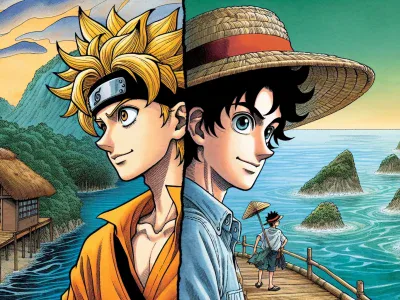
Anime is recognizable through its distinct artistic style, vivid character designs, exaggerated facial expressions, and dynamic action sequences. Beyond aesthetics, it delves into thematic storytelling, frequently exploring complex emotions, philosophical dilemmas, and speculative scenarios. These elements collectively position anime as a medium that often transcends the expectations tied to traditional animation.
Key Differences Between Animation and Anime
Artistic and Storytelling Variations
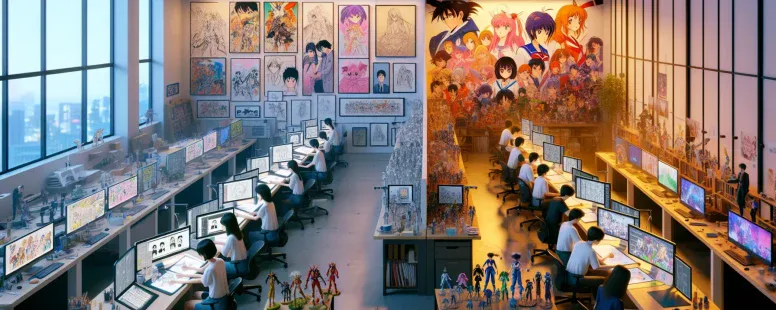
While both animation and anime use similar foundational tools, their artistic executions and narrative focuses differ significantly. Animation globally adopts diverse forms and themes, tailored to either entertainment or pedagogy. Anime, in contrast, invokes a hallmark Japanese art style, often incorporating motifs unique to its cultural origins.
Global Perceptions and Impact
The global reception of animation varies depending on regional influences. Anime, specifically, has garnered enormous international acclaim for its distinctive storytelling, sparking the rise of dedicated fan cultures and conventions. Its impact extends beyond the screen, influencing fashion, literature, and interactive media, thereby shaping contemporary pop culture.

- Fbm Competitors - October 19, 2026
- When Is Best for Pregnancy Test - October 18, 2026
- Equitybee Competitors - October 17, 2026
by Ellie B, Site Owner / Publisher