Which Is More Popular: Anime or Cartoon
In a world that thrives on storytelling, two dominating forms of entertainment have captured our hearts and minds: anime and cartoons. Both genres, while often lumped together, serve unique cultural narratives and artistic expressions. Have you ever wondered why one might resonate more than the other in various pockets of the globe? The difference goes beyond mere animation style: it encompasses cultural origins, themes, and even how each form engages its audience. Join us as we explore these fascinating realms to uncover which medium reigns supreme in popularity.
Defining Anime and Cartoons
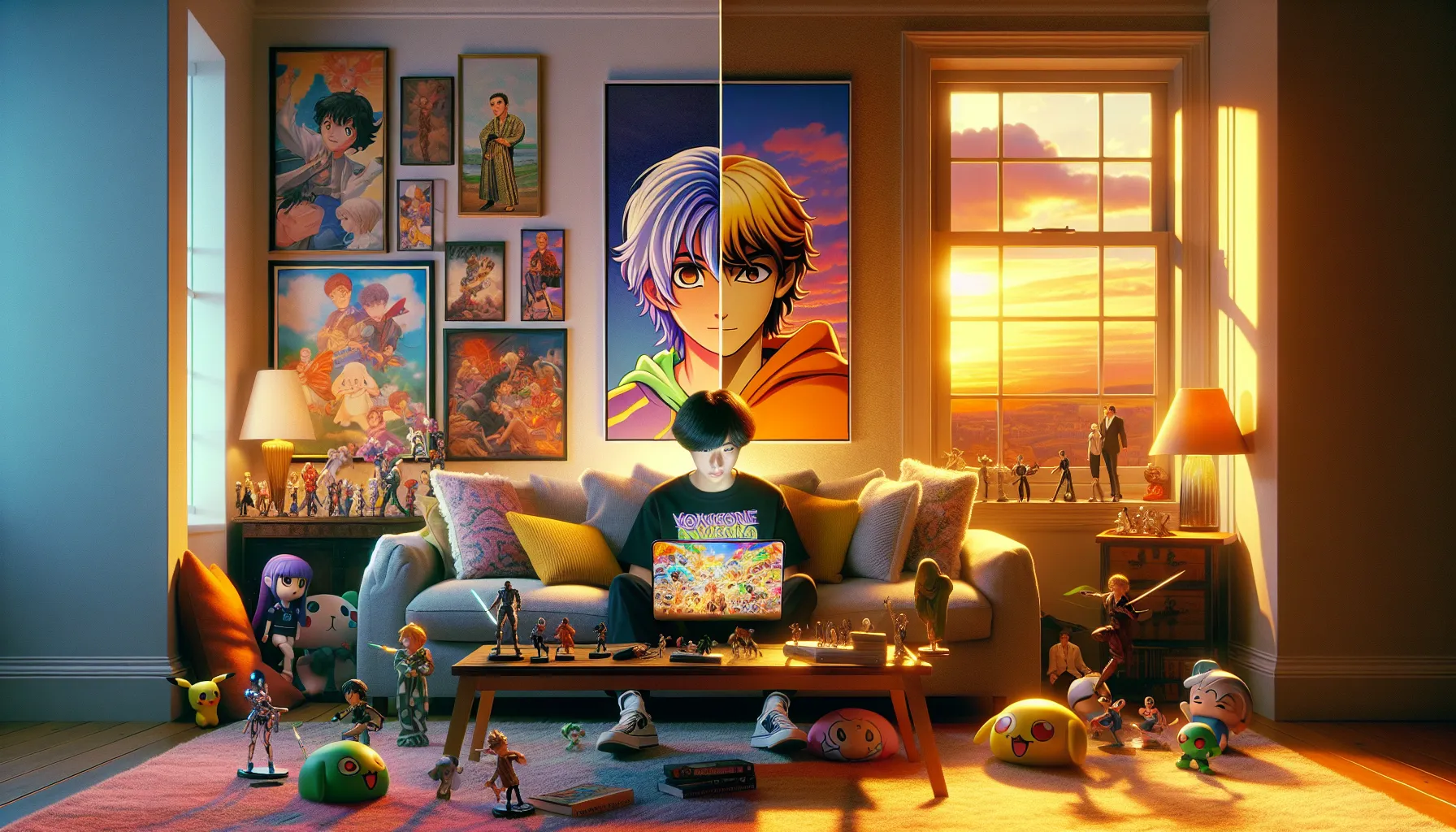
At the core of our discussion are the definitions of anime and cartoons.
Cultural Origins and Differences
Anime, originating from Japan, embodies a diverse range of styles and themes, reflecting the nation’s rich cultural tapestry. It started gaining international recognition in the late 20th century, with titles like “Akira” and “Dragon Ball Z” paving the way for global fandoms. In contrast, cartoons originated in the Western world, mainly in the United States and Europe. They have historically been associated with children’s entertainment but have evolved to cater to a broader audience as well.
Art Style and Presentation
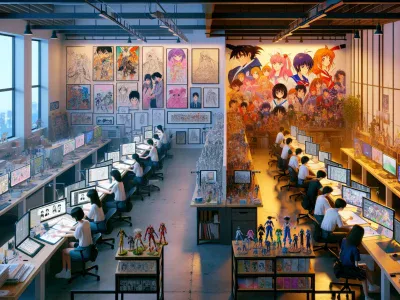
Anime is characterized by its distinct art style, often featuring vibrant colors, intricate backgrounds, and exaggerated facial expressions to convey deep emotions. Cartoons tend to use a simpler art style, focusing on humor and caricature. While both mediums make use of animation techniques, the emotional depth often found in anime sets it apart from traditional cartoon formats.
Themes and Storytelling Techniques
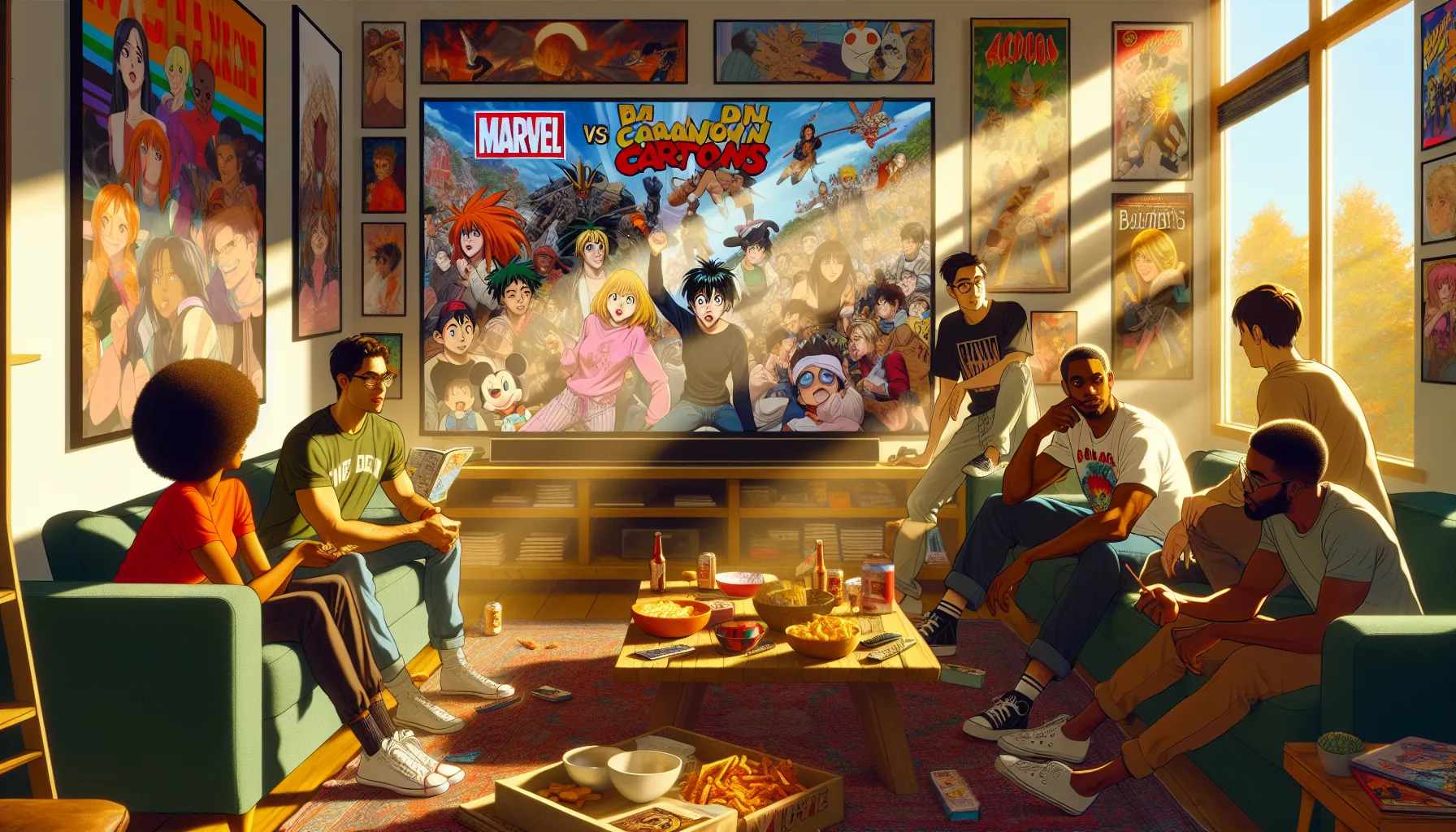
Themes are crucial in defining the appeal of anime and cartoons.
Target Audience and Demographics
Anime primarily targets various demographics, from children to adults, with complex narratives that often tackle mature issues like identity, love, and existentialism. Cartoons, while historically aimed at children, have diversified, attracting adult audiences through shows like “The Simpsons” and “Rick and Morty.” These trends indicate a shifting target audience, suggesting that cartoons are gaining traction among older viewers.
Popular Genres and Trends
Anime has established popular genres such as shonen (targeted at young males), shojo (for young females), and seinen (adult content), each offering a unique lens on life and relationships. Meanwhile, cartoons have traditionally focused on comedy, action, and adventure, but recent trends show innovation towards drama and social commentary. This diversification in genres for both mediums enhances their popularity. Within anime’s most beloved shonen titles, the rivalries are fierce — our comparison of Attack on Titan versus Naruto examines two giants of the genre head to head.
Impact of Streaming Platforms
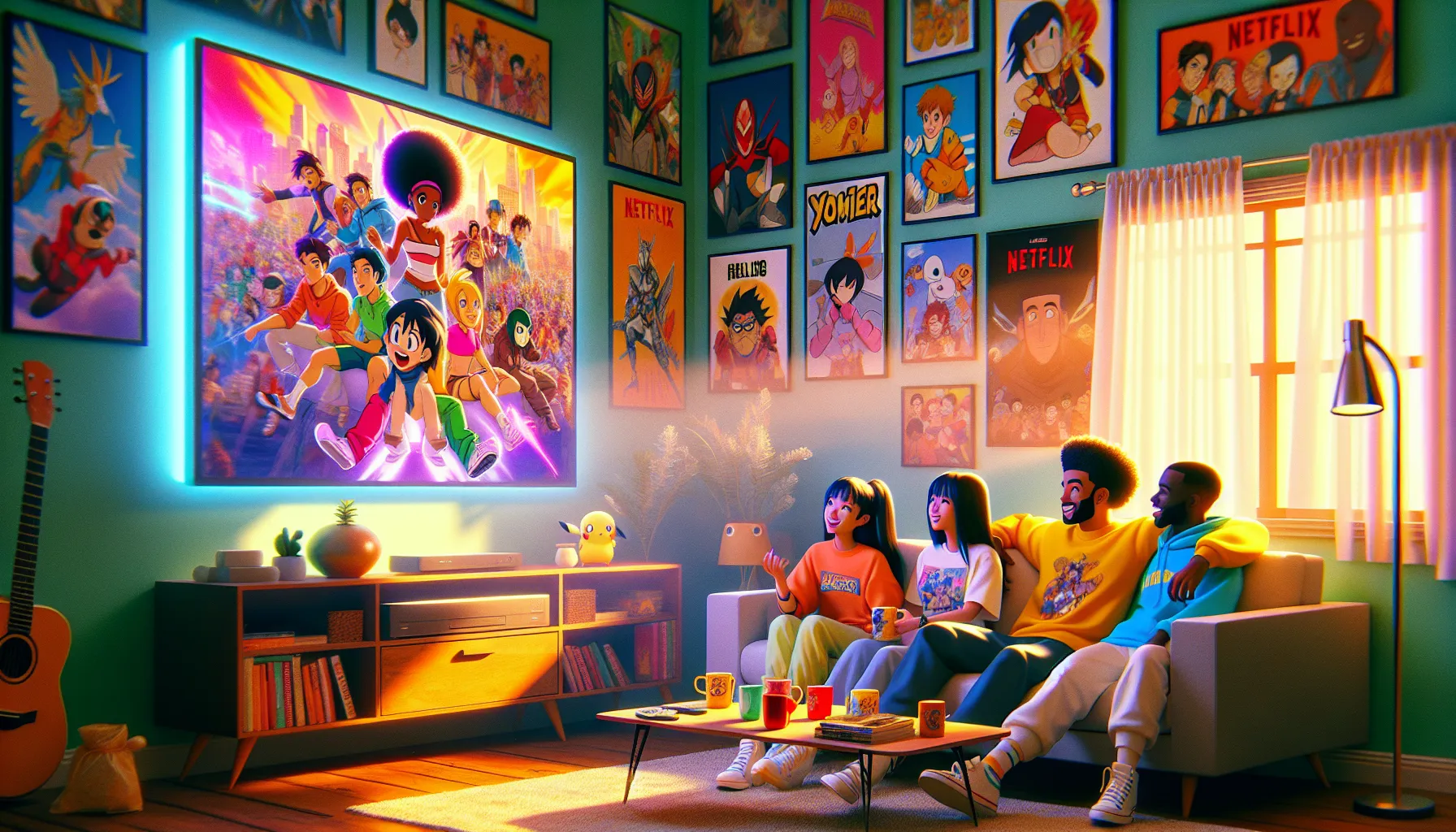
With the rise of technology, streaming services have transformed how we consume media.
Viewership Statistics and Data Comparison
Platforms like Crunchyroll and Funimation have bolstered anime’s viewership, leading to a significant increase in global engagement. Meanwhile, services like Netflix have adapted by incorporating both anime and animated series into their offerings. According to recent statistics, anime viewership has surged by over 100% in the last few years, indicating a growing global fan base.
Social Media Influence and Community Engagement
Social media platforms, notably Twitter and TikTok, have become vital for promoting both anime and cartoons. They help real-time discussions, fan art, and even memes that connect enthusiasts. Communities dedicated to these forms of media foster friendships and shared experiences, amplifying their popularity. The passionate communities around specific series are particularly notable — our article on AOT versus Demon Slayer explores how two of anime’s biggest modern hits compare in fan engagement.
Global Perspective on Popularity
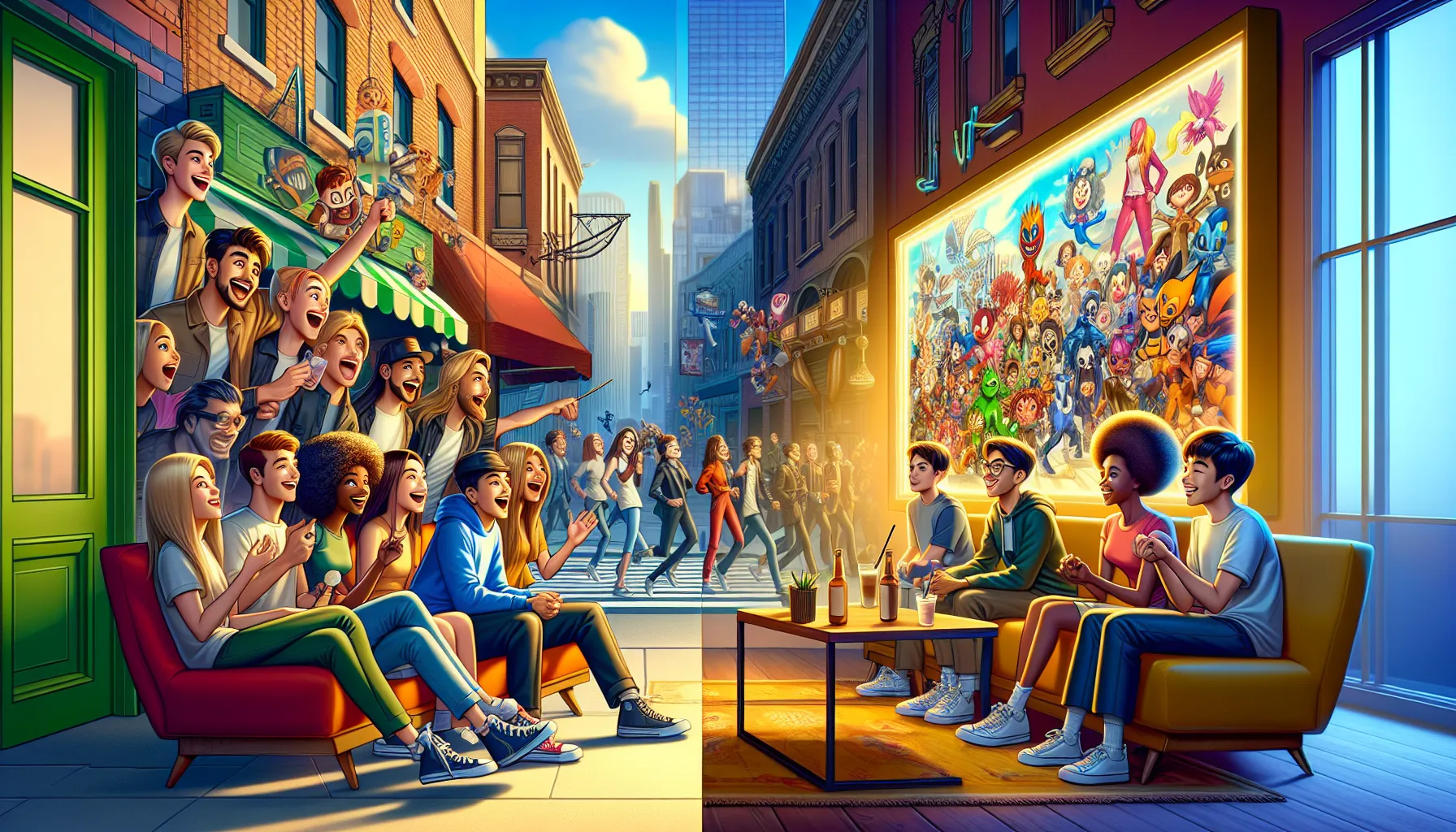
When we look at popularity on a global scale, the trends differ significantly across regions.
Regional Preferences and Trends
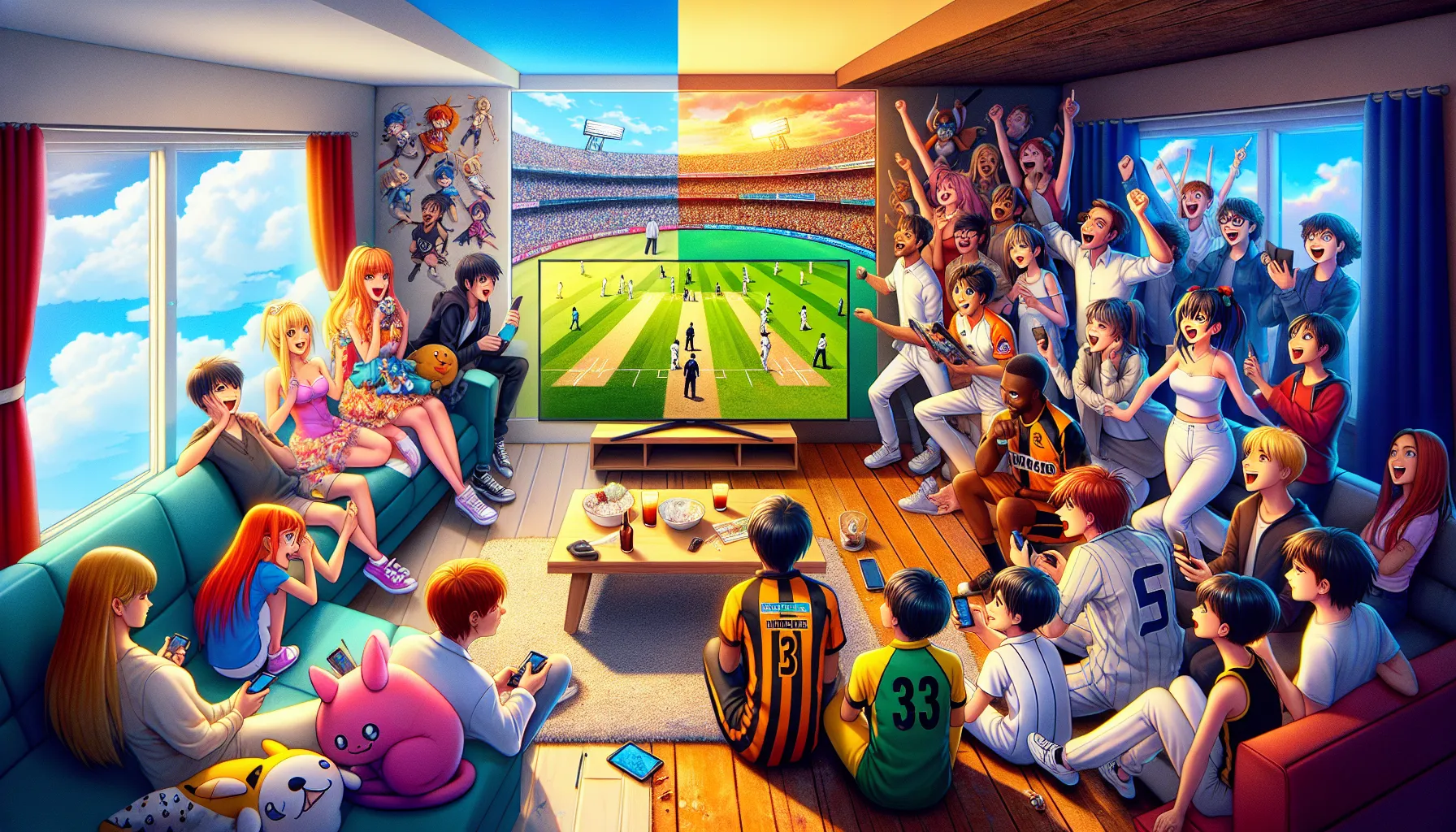
In Japan, anime dominates cultural conversations, influencing everything from fashion to music. Conversely, in North America and Europe, cartoons like “Adventure Time” and “Bob’s Burgers” have solidified their presence, showing that cultural context matters. Surprising as it may be, there are countries where one medium is favored over the other based on historical context and availability. Anime’s global footprint is also felt in its competition with other entertainment formats — our piece on anime versus BTS explores how these two Korean and Japanese cultural forces compare on the world stage.
Celebrity Endorsements and Collaborations
Celebrity collaborations have also played a role in enhancing the popularity of both mediums. Big names from various industries often endorse or create animated series, drawing in diverse audiences. For example, shows like “Big Mouth” on Netflix capture adult humor while attracting younger viewers, showcasing how cartoons are broadening their appeal.
Conclusion
As we navigate through the rich tapestries of anime and cartoons, we find ourselves asking: which is truly more popular? It appears that both forms are flourishing, each with their unique audience and cultural impact. While anime enjoys substantial growth worldwide, cartoons continue to charm viewers with their humor and relatable storytelling. Eventually, the answer may not be defined by popularity alone but by the emotional connections these forms of media create within us. Let’s continue to explore, appreciate, and celebrate the diverse worlds of anime and cartoons.

- Must-Watch KK Menon Movies for Film Lovers - October 15, 2026
- Free Alternatives to Mobbin - October 15, 2026
- Kia Seltos Competitors: Top Compact SUVs - October 14, 2026
by Ellie B, Site Owner / Publisher