Which Is More Popular: AOT or Demon Slayer
The clash of giants in the anime world is an ongoing debate that captivates fans around the globe. With breathtaking animation, riveting storylines, and unforgettable characters, two series stand tall: “Attack on Titan” (AOT) and “Demon Slayer: Kimetsu no Yaiba.” But which of these titans reigns supreme in terms of popularity? The answer may surprise you as we explore metrics, cultural impacts, and the communities that form around these phenomena. Let’s jump into the depths of anime popularity and discover what truly influences our fandom dynamics.
Overview of Popularity in Anime
Anime is more than just a genre: it’s a cultural movement that resonates across multiple demographics. Popularity can be gauged through various metrics such as viewer ratings, social media buzz, merchandise sales, and cultural influence. According to recent research, the global anime market is projected to reach unprecedented heights, making it essential for us to analyze which shows dominate this landscape. The conversation surrounding which series is more popular often sparks debates within fan communities, driving engagement and sharing of content across platforms. For a broader perspective on how anime as a whole compares to other major entertainment formats, our article on anime versus cartoons explores the wider animated landscape.
AOT: Attack on Titan

Popularity Metrics of AOT
“Attack on Titan,” which first aired in 2013, has captivated its audience with a gripping storyline that challenges the boundaries of storytelling in animation. Viewer numbers have consistently reported skyrocketing figures: for instance, the final season topped charts with millions tuning in weekly.
Cultural Impact
AOT’s impact on pop culture is undeniable. It has not only influenced other anime series but has also penetrated into mainstream media, inspiring numerous parodies, merchandise, and collaborations. Iconic phrases like “Titan” have infiltrated everyday language, showcasing the weight of its cultural footprint. AOT is also a perennial favourite in the long-running debate of classic versus modern anime — our piece on AOT versus Naruto puts these two landmark series side by side.
Fan Base and Community Engagement
The AOT fan community is particularly active, with countless forums, social media groups, and fan art proliferating across the internet. The emotional depth of its characters fosters an intense loyalty among fans, allowing for wide-ranging discussions and theories post-episodes. Fans can often be found debating plot twists and character arcs, further increasing engagement.
Demon Slayer: Kimetsu No Yaiba

Popularity Metrics of Demon Slayer
Since its debut in 2019, “Demon Slayer: Kimetsu no Yaiba” has quickly risen to meteoric fame. Viewership metrics reveal it quickly becoming one of the most-watched anime shows in history. In fact, the movie “Demon Slayer: Mugen Train” shattered box office records, even surpassing Studio Ghibli’s “Spirited Away” as the highest-grossing film in Japanese history.
Cultural Impact
Demon Slayer has redefined the anime landscape, blending traditional elements with modern storytelling techniques. Its themes of family, resilience, and sacrifice resonate deeply, leading to discussions that extend beyond anime enthusiasts. Cultural events, like thematic exhibitions and festivals, celebrate the series, increasing its visibility.
Fan Base and Community Engagement
The fanbase for Demon Slayer is intensely passionate, with a strong presence on social media. Fans engage through memes, fan art, and theory discussions, which help keep the hype alive. Social media challenges and collaboratives have even emerged, further binding the community.
Comparative Analysis of Popularity
Social Media Presence
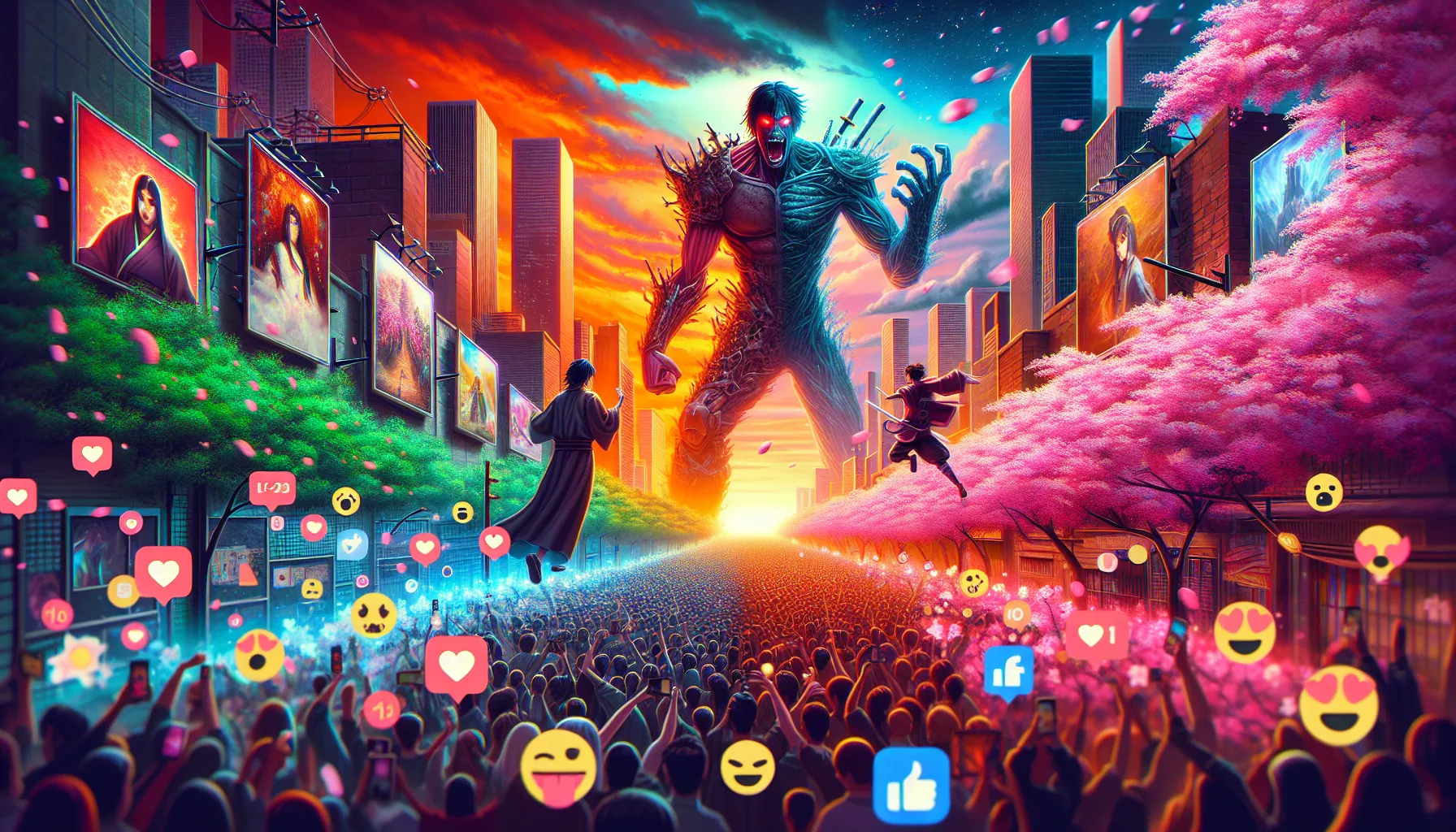
Social media serves as the battleground for popularity competition. AOT has a vast presence on sites like Twitter and TikTok, where debates and memes frequently emerge. Meanwhile, Demon Slayer dazzles on platforms like Instagram and TikTok, boasting stunning visuals that capture the audience’s attention. The appeal of both series stretches across different platforms, showcasing how visual presentation plays into their popularity.
Sales and Merchandise
When it comes to merchandise, both series have successfully capitalized on their popularity. AOT merchandise can be seen in everyday items, from clothing to collectibles. But, Demon Slayer has outperformed its competitor in terms of collectible figures and themed events, leading to increased visibility and fan investment in the series.
Critical Acclaim and Awards
Critically, both series have garnered impressive accolades. AOT has received numerous awards for its storytelling and animation quality, while Demon Slayer has broken records at award shows, thanks to its groundbreaking production and animation techniques. The acclaim for both demonstrates their artistic achievements and appeal to diverse audiences.
Future Prospects and Trends
Viewer Demographics and Trends
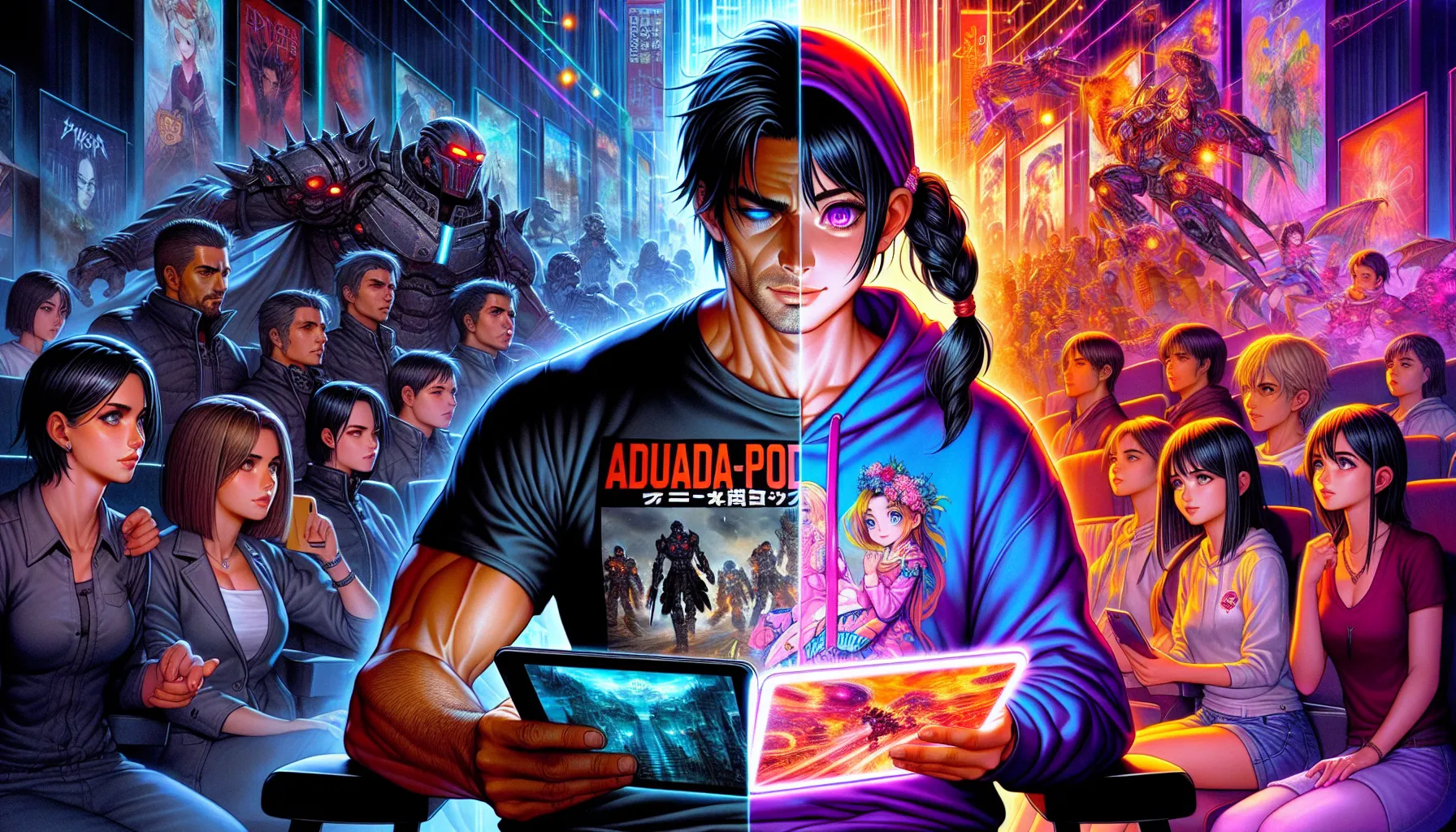
As we look ahead, it’s important to consider the evolving viewer demographics. AOT often appeals to older teens and adults due to its darker themes, while Demon Slayer attracts a younger audience with its vibrant visuals and accessible storylines. This shifts the dynamics of viewership and could influence future projects from both franchises.
Potential for Future Popularity Gains
Both series have potential for further exposure through new seasons and movie adaptations. AOT’s upcoming spin-offs could attract a fresh audience, while Demon Slayer’s innovative projects promise to keep the fire burning. The future certainly holds excitement for both communities and their respective followings. Both also sit within a much broader anime ecosystem — our article on anime versus BTS explores how the entire medium stacks up against one of the world’s most influential pop culture forces.
Conclusion
To conclude, the debate over AOT vs. Demon Slayer is more than just a battle of popularity: it’s a reflection of evolving tastes in anime. While metrics suggest differing levels of reach and fan engagement, what remains undeniable is the impact both series have had on our culture. As we continue to explore new anime, we should celebrate both series and the vibrant communities they inspire, recognizing that their unique qualities cater to different tastes and interests.

- Kia Seltos Competitors: Top Compact SUVs - October 14, 2026
- Free to Use Photoshop Alternatives - October 14, 2026
- Ajax Alternatives Mtg Reddit - October 13, 2026
by Ellie B, Site Owner / Publisher