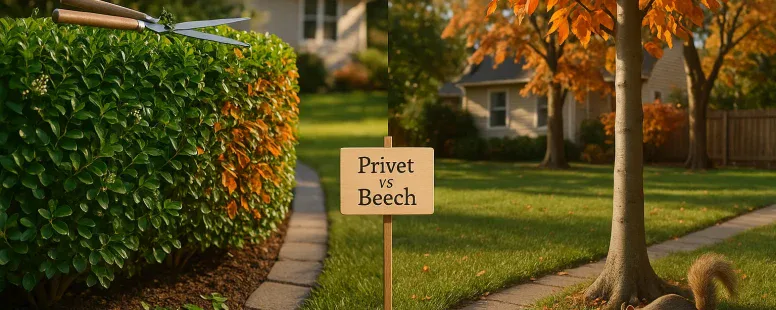
Privet Vs. Beech: Choosing The Right Hedge Or Shade Tree
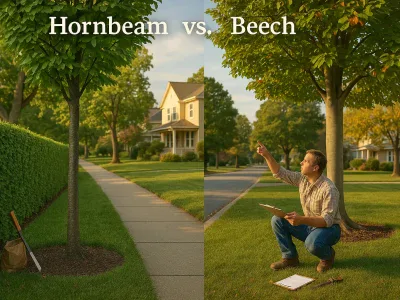
Privet vs. Beech is a common choice you’ll face when planning boundaries, shade, or privacy. The decision shapes your garden’s texture, maintenance routine, and the kind of wildlife that visits. Picture a green wall you clip into crisp form every spring, versus a tall, sculpted tree that throws cool, dappled shade and keeps secrets for decades. This article compares the two across appearance, planting, care, pests, ecological impact, and cost, so you can pick the plant that fits your lifestyle, climate, and long-term plan.
Quick Comparison: Key Differences At A Glance
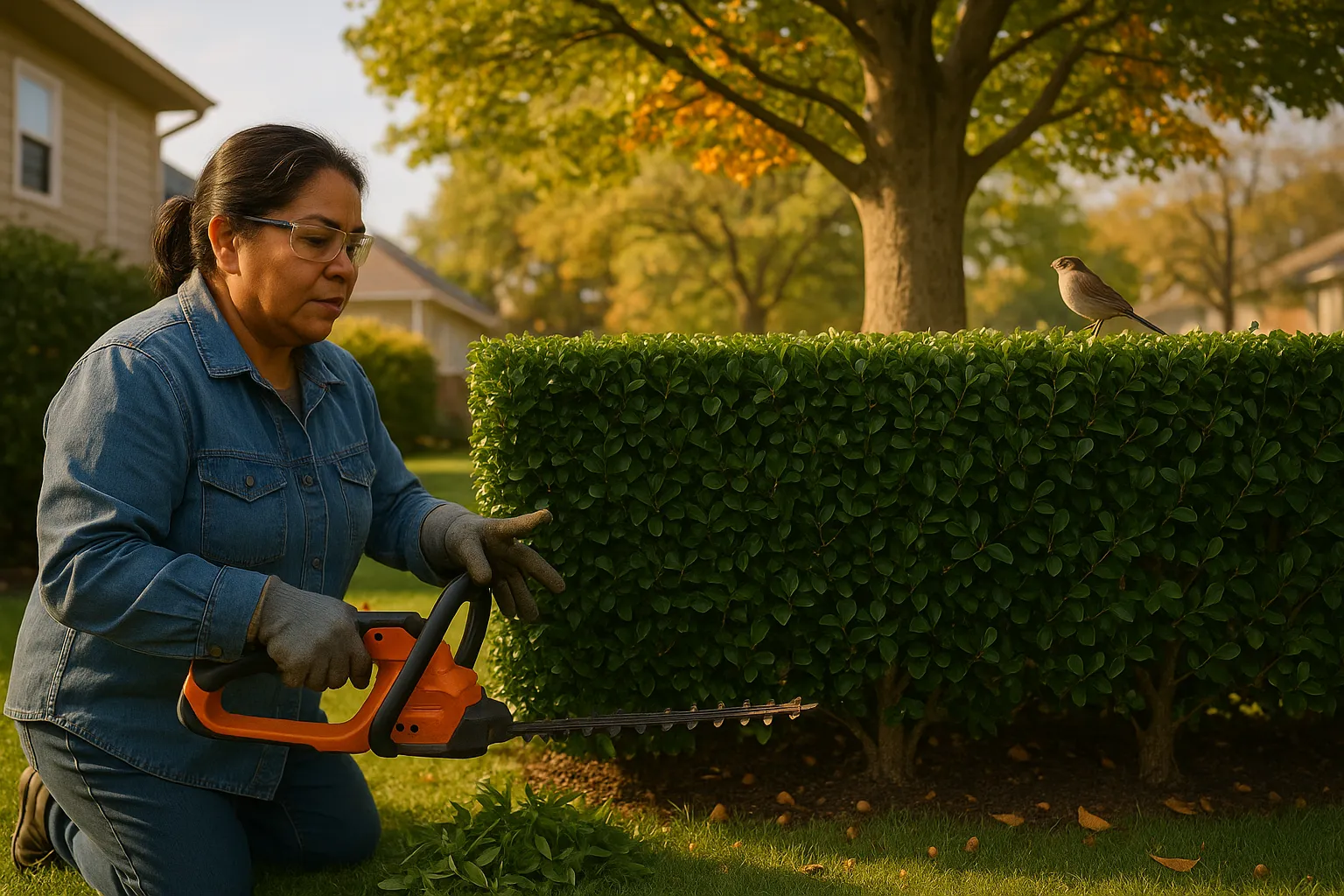
Fact: Privet is best for fast, formal hedges: beech is best for long-lived shade and sculptural presence.
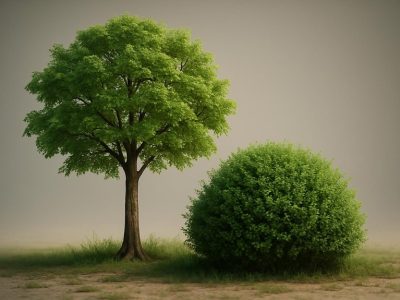
Privet (genus Ligustrum) grows quickly and tolerates hard pruning, making it the hedge-maker’s go-to. Beech (Fagus sylvatica and Fagus grandifolia) grows slower, reaches taller heights, and gives denser canopy and dramatic winter structure when used as specimen trees or formal hedges.
Quick bullets you can scan:
- Growth speed: Privet = fast: Beech = moderate to slow.
- Maintenance: Privet = frequent clipping: Beech = occasional structural pruning.
- Lifespan: Privet = decades (but variable): Beech = often 100+ years in the right site.
- Wildlife: Privet attracts birds to its berries: beech supports a wider insect community and provides mast (beechnuts) for wildlife.
- Best use: Privet for tight hedges and screens: beech for avenues, specimen trees, and tall privacy hedges.
This section gives you the snapshot. Read on for the hows and whys.
Appearance And Growth Habits
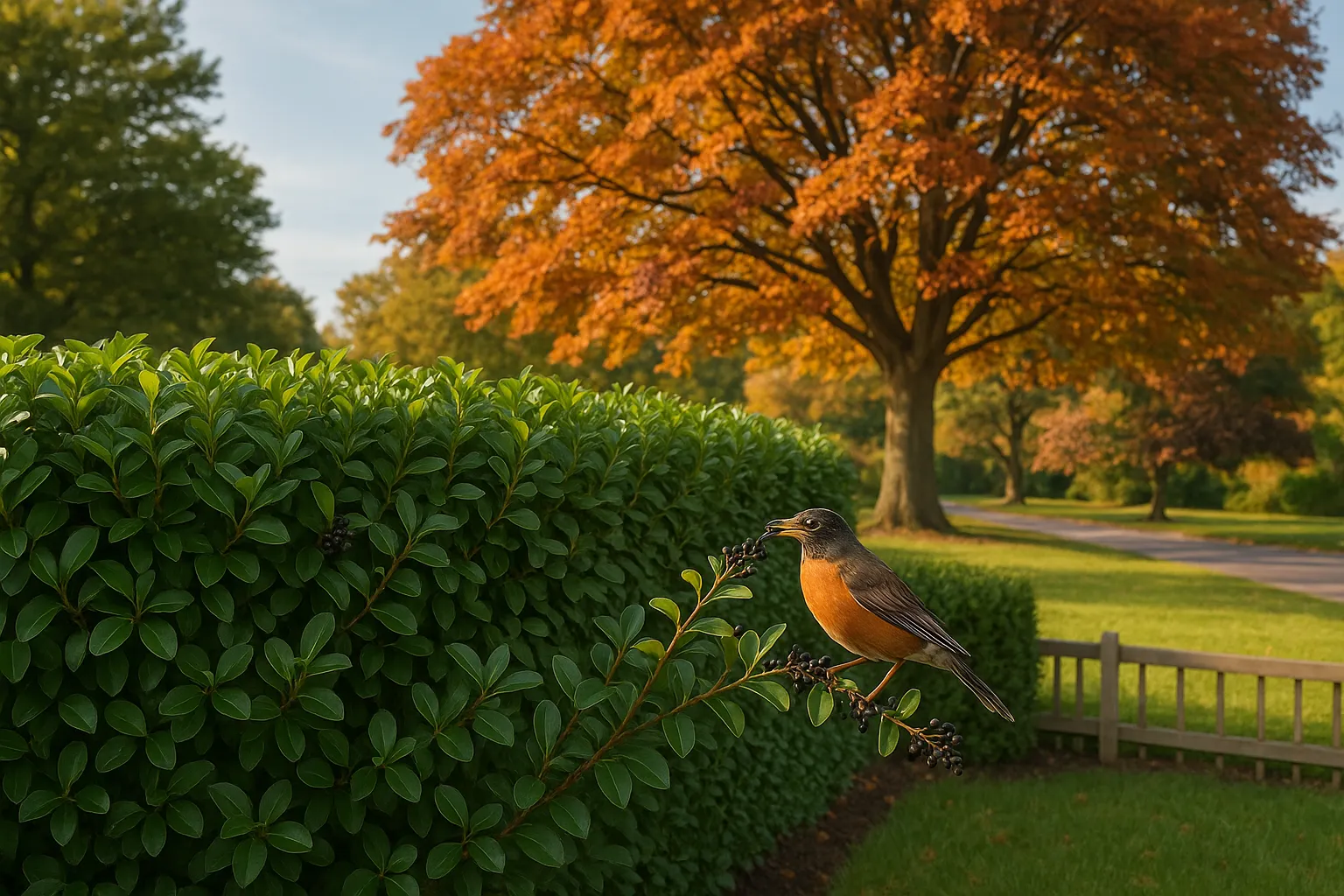
Fact: Privet has small glossy leaves and dense branching: beech has larger leaves and stately branching.
Leaf Shape, Color, And Seasonal Changes
Privet leaves are small, oval, and glossy green: some varieties (like Ligustrum japonicum) keep a darker green year-round. Many privets produce clusters of white spring flowers followed by black berries that birds eat. Beech leaves are larger, scalloped at the margins, and often turn a warm copper or bronze in fall. European beech (Fagus sylvatica ‘Purpurea’) offers purple foliage types. Beech also famously retains dead leaves on some forms through winter (a trait called marcescence), giving you winter privacy and texture.
Mature Size, Growth Rate, And Life Span
Privet can reach 6–15 feet depending on species and pruning: it often grows 1–2 feet per year when young. Beech can reach 50–100 feet as a mature tree (though hedging varieties stay much shorter) and usually grows slower, often 1 foot or less per year in established sites. You should expect a privet hedge to become functional quickly, while a beech planting matures into a landscape statement over decades. Beech typically lives far longer, often surviving centuries in parks: privet lives for decades but may need replacement sooner if diseases or poor pruning reduce vigor.
Soil, Light, And Climate Requirements
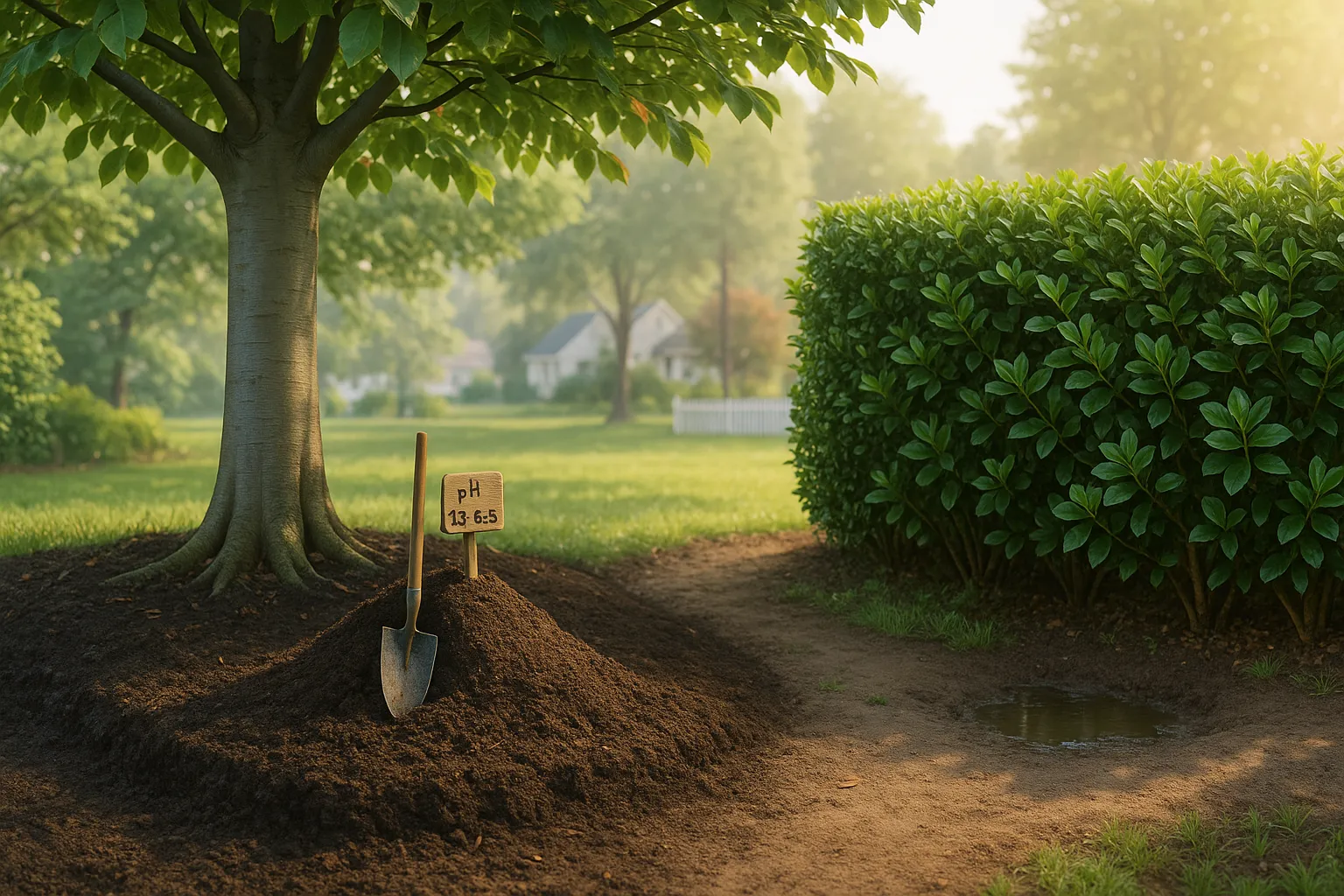
Fact: Privet tolerates a wide range of soils: beech prefers well-drained, slightly acidic soils and cool summers.
Preferred Soil Types And pH
Privet tolerates clay, loam, and sandy soils and tolerates slightly alkaline to neutral pH. It also manages occasional wet feet but does best with moderate drainage. Beech prefers deep, loamy, well-drained soils with a slightly acidic pH (around 5.5–6.5). In heavy, waterlogged clay beech may suffer root stress. If your soil is heavy, amend planting holes with compost and consider raised beds for beech.
Sun Exposure And Hardiness Zones
Privet grows in sun to part shade and is hardy in USDA zones roughly 5–10 depending on species. Beech prefers full sun to light shade and is commonly hardy in zones 4–7 for European beech and 4–9 for American beech: but beech dislikes hot, arid summers. If you live where summers are intense and drought common, privet will likely establish more reliably unless you commit to irrigation for beech.
Planting, Establishment, And Spacing
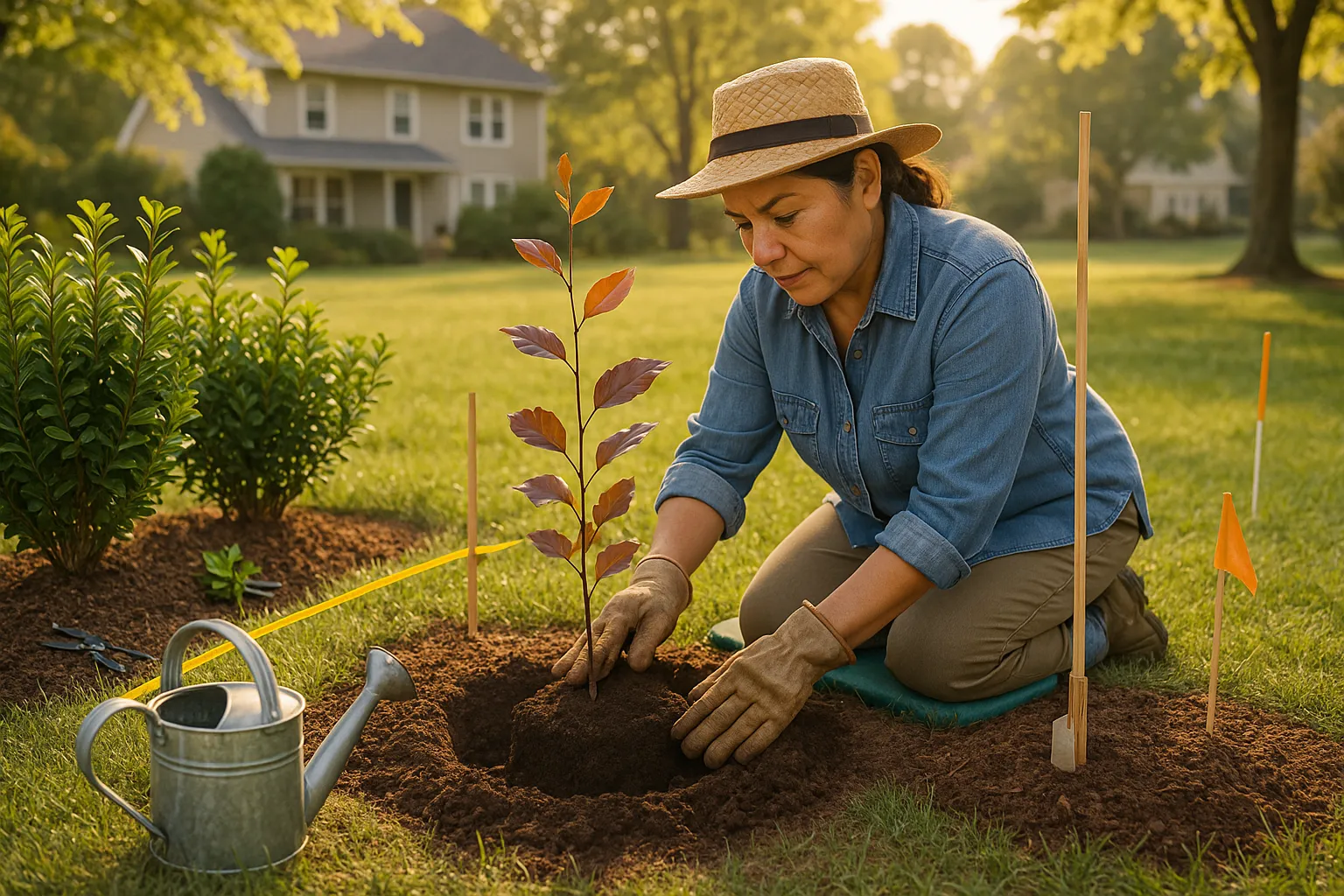
Fact: Proper spacing and planting depth set the long-term success of both plants.
Planting Techniques And Initial Care
Plant privet at the same depth it grew in the nursery. Water deeply after planting and mulch to conserve moisture. For beech, dig a generous hole, loosen compacted soil around the root ball, and plant slightly higher than surrounding grade to avoid crown rot. Stake young beeches only if wind is extreme: they need firm root contact more than staking.
Initial care for both: water regularly through the first two growing seasons and protect roots from lawn mower and weed-eater damage. For privet, watch for leggy growth, clip the top lightly in year one to encourage bushy branching. For beech, focus on structural pruning early to set a good scaffold.
Planting, Establishment, And Spacing
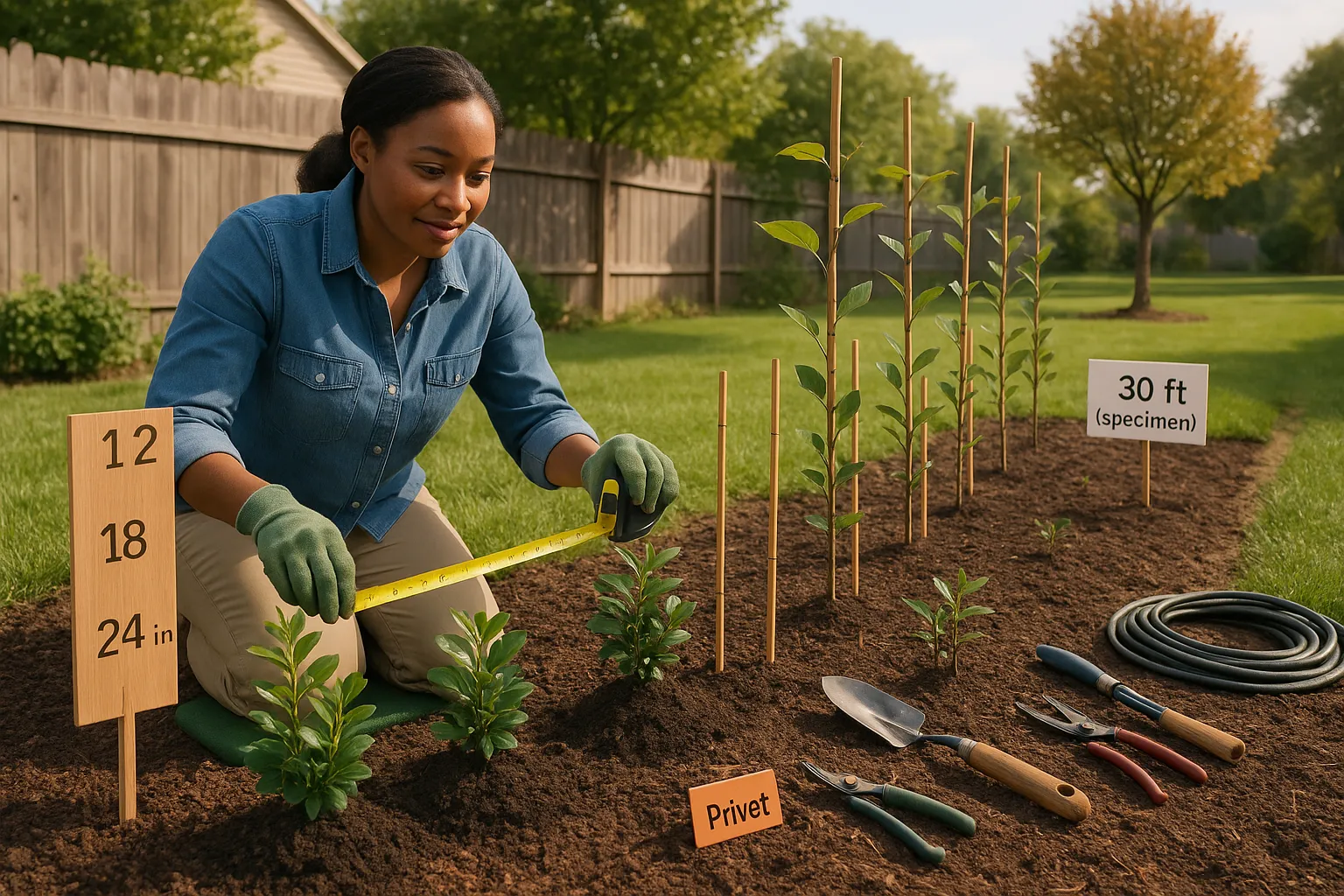
Fact: Spacing differs when you want a formal hedge versus a specimen tree: wrong spacing costs you vigor.
Recommended Spacing For Hedges Versus Specimen Trees
For a tight privet hedge, space plants 12–24 inches apart for small-leaved varieties and 24–36 inches for larger-leaved types. This gives fast closure and dense privacy. For beech used as a formal tall hedge, space 18–36 inches for young plants if you plan to clip: if you want single specimen beeches, allow 30–60 feet between trees to honor their mature canopy. Remember: cramming trees too close raises disease risk and reduces root health, give beech room to breathe.
Maintenance: Pruning, Feeding, And Watering
Fact: Privet needs frequent shaping: beech needs less frequent structural pruning but careful feeding in poor soils.
Pruning Frequency, Techniques, And Best Timing
Privet: prune 2–3 times per growing season for formal shapes. Trim in late spring after the flush of flowers and again mid-summer if needed. Use sharp shears, and cut back to outward-facing buds to promote open architecture.
Beech: do structural pruning in late winter when the tree is dormant. Remove crossing branches and keep a single leader for specimen trees. You can clip beech hedges once or twice a year: late summer trimming will reduce sap bleeding, which some gardeners prefer to avoid in early spring.
Fertilization And Watering Needs Over Time
Privet benefits from a balanced fertilizer in spring if growth slows: otherwise you can rely on mulched organic matter. Water deeply during establishment, then less often, privet tolerates intermittent dry spells.
Beech benefits from slow-release, nitrogen-balanced fertilizer if soil tests show deficiencies. Mulch deeply but keep mulch away from the trunk. Young beeches need consistent moisture: mature beeches can suffer during drought if roots are compacted or damaged.
Pests, Diseases, And Management Strategies
Fact: Both plants have specific pest and disease issues: early detection limits spread.
Common Pests And Symptoms For Each Species
Privet: watch for privet leaf miner, scale insects, and aphids. Symptoms include distorted leaves, sticky honeydew, and reduced vigor. Treat small infestations with insecticidal soap or horticultural oil: large outbreaks may need professional advice.
Beech: beech bark disease (a fungal infection associated with scale insects) and beech leaf disease (recently notable in North America) cause cankers, dieback, and reduced leaf size. Early detection and removing infected limbs can slow disease. Consult local extension services for regional threats.
Disease Risks And Prevention Measures
Practice good sanitation: remove fallen debris and avoid wounding trunks. Match species to site, don’t plant beech in compacted, waterlogged soils. For hedges, avoid excessive shading and overcrowding to reduce fungal disease risk. Regular monitoring and selective pruning preserve health.
Landscape Uses, Wildlife Value, And Environmental Impact
Fact: Privet is excellent for formal privacy and quick screening: beech gives long-term canopy, greater biodiversity, and seasonal interest.
Uses In Formal Hedges, Screens, And Shade Plantings
Use privet for clipped formal hedges, privacy screens, and low-maintenance boundaries where speed matters. It fits small urban lots and formal gardens. Use beech for avenue plantings, large specimen trees, and high, formal hedges that provide year-round structure. Beeches create cool shade and strong focal points in parks and large yards.
Wildlife Benefits Versus Invasiveness Concerns
Privet berries feed birds, but some privet species (notably invasive Ligustrum sinense in parts of the U.S.) can escape cultivation and outcompete native plants. Beech supports more native insects, which in turn support birds and mammals: beechnuts feed squirrels, birds, and deer. If you care about native ecosystems, choose native beech species (American beech) or non-invasive privet cultivars and manage fruiting.
Cost, Availability, And Long-Term Considerations
Fact: Privet is cheaper to buy and install: beech is a longer-term investment with higher planting costs for large specimens.
Upfront And Maintenance Cost Comparison
Upfront: privet plants are widely available and inexpensive per liner: you can establish a hedge quickly with low initial cost. Beech saplings cost more per plant and large specimen trees can be expensive to purchase and install.
Maintenance: privet demands frequent pruning labor or hedge trimmer fuel costs: long-term replacement may be needed after several decades. Beech costs less annually for shaping once established, but removal or major pruning of large beeches is costly.
Consider your horizon: if you plan to live at the property for many years or you want legacy trees, beech returns value in shade, property character, and ecosystem services. If you need quick screening and lower cash outlay now, privet will serve well.
Fact: Choosing between privet and beech is eventually about time, maintenance, and site fit. The next section helps you pick based on practical needs.
When To Choose Privet And When To Choose Beech — Practical Recommendations
Fact: Choose privet for speed, tight formal hedges, and tougher urban sites: choose beech for lasting shade, wildlife support, and architectural presence.
If you want quick privacy and low initial cost: plant privet, space plants closely, expect routine clipping, and watch for invasive spread if you live in an area where some privets naturalize.
If you want a long-lived tree, strong seasonal color, and support for native wildlife: plant beech, prepare good soil, water through establishment, and plan for decades of growth. Use American beech where native species are important.
A realistic compromise: start with a privet screen for immediate privacy and plant young beeches behind it. As beeches mature, reduce privet clipping or remove sections to let the beech take the stage. This two-phase strategy buys you privacy now and long-term value later.
Practical warning: never plant invasive privet species near natural areas. For beech, check local disease reports (like beech leaf disease) before investing in many specimens.
Call to action: assess your site soil, map sun exposure by the hour, and choose one species that fits your time and maintenance budget. If you want help choosing cultivars or calculating spacing, consult a local nursery or extension agent and start with a soil test.

- Best Ylvis Songs - September 22, 2026
- Best Oats Alternative - September 21, 2026
- Router Software Comparison: OpenWrt vs. DD-WRT vs. PfSense - September 21, 2026
by Ellie B, Site Owner / Publisher