Ilex Aquifolium vs. Ilex Meserveae
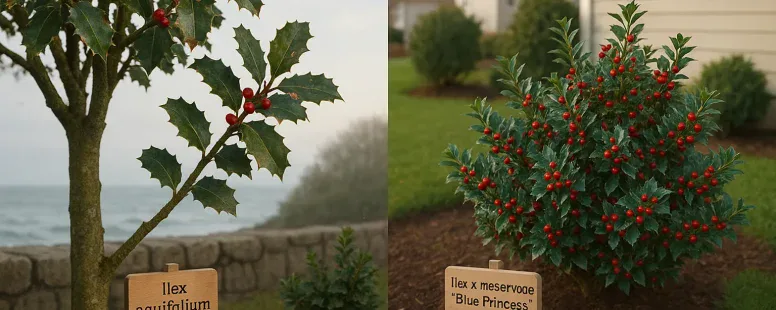
You can pick hollies that look similar at first glance but perform very differently in your garden. Ilex aquifolium (English holly) and Ilex × meserveae (Meserve hybrid hollies) share glossy leaves and bright berries, yet they diverge in cold tolerance, leaf shape, and garden uses. Picture a wind-swept coastal garden where leaves bruise and berries drop, versus a suburban yard where winter color holds steady, the right holly can make that difference. This comparison highlights surprising advantages of each species, clear identification cues, and practical care steps so you choose the holly that fits your site and style.
At-a-Glance Comparison Table (Quick Facts)
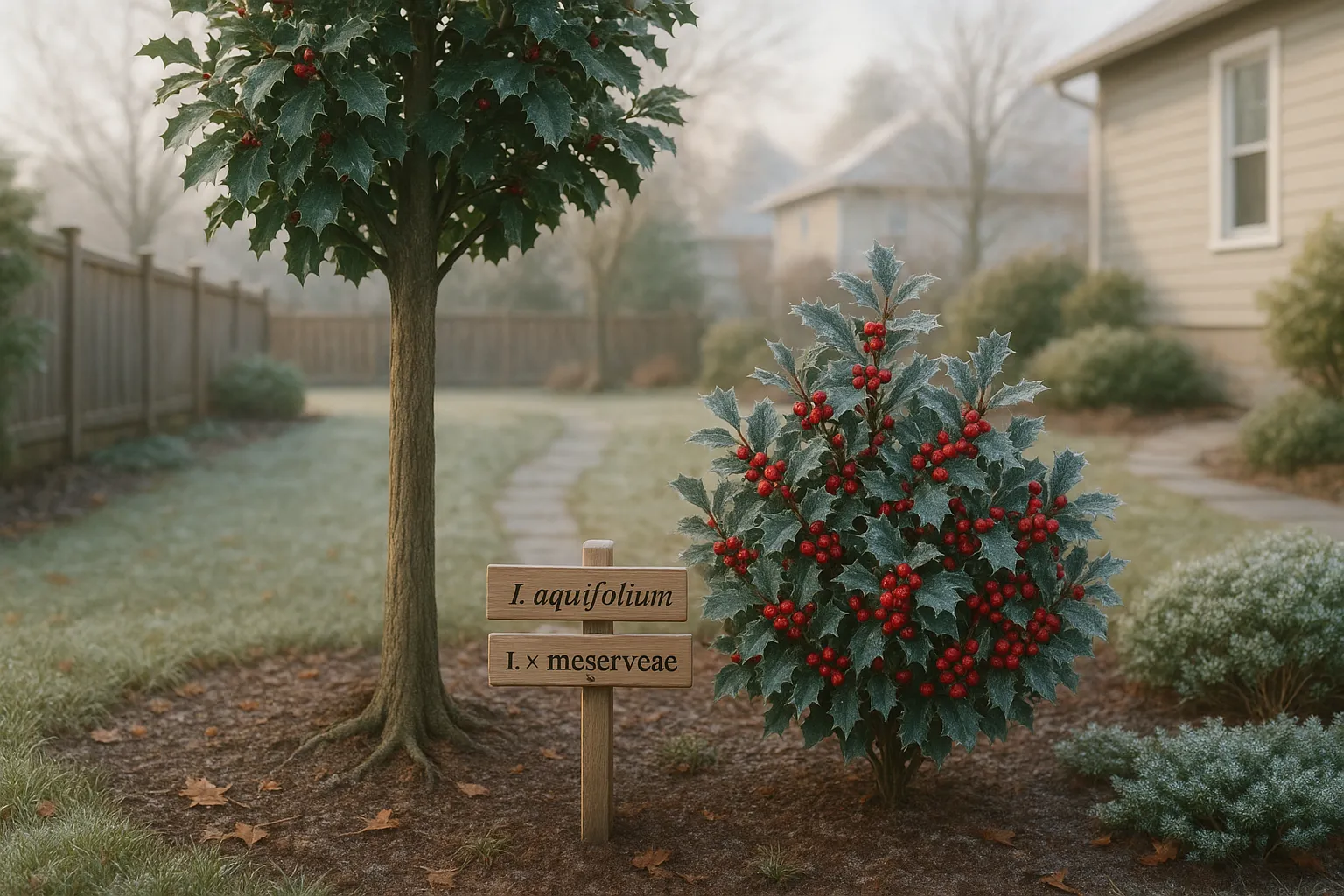
Fact: Ilex aquifolium and Ilex × meserveae differ in origin, cold tolerance, and leaf form.
- Common names: English holly (Ilex aquifolium) vs. Meserve hybrid hollies (Ilex × meserveae).
- Origin: Ilex aquifolium is native to Europe: Ilex × meserveae is a North American hybrid (Ilex aquifolium × Ilex rugosa and other species) created by the Meserve Nursery.
- Mature height: Ilex aquifolium typically 15–50 ft (varies by cultivar): Ilex × meserveae usually 6–20 ft depending on cultivar.
- Leaf: Ilex aquifolium has larger, sharply spined leaves: Ilex × meserveae bears smaller, often less-spiny leaves.
- Berries: Both produce red berries on female plants, but Meserve hybrids include cultivars with better berry set in cold climates and sometimes darker blue-green foliage.
- USDA zones: Ilex aquifolium generally hardy in zones 6–9: Ilex × meserveae extends from zone 4–8 for many cultivars.
- Typical uses: Aquifolium for tall hedges, specimen trees, and woodland plantings: Meserveae for cold-climate hedges, foundation shrubs, and mixed borders.
Quick takeaway: Choose Ilex aquifolium for classic, large-leaved form and traditional hedging in milder climates. Choose Ilex × meserveae for greater cold tolerance and reliable winter berry display in colder zones.
Key Identification Features: How To Tell Them Apart
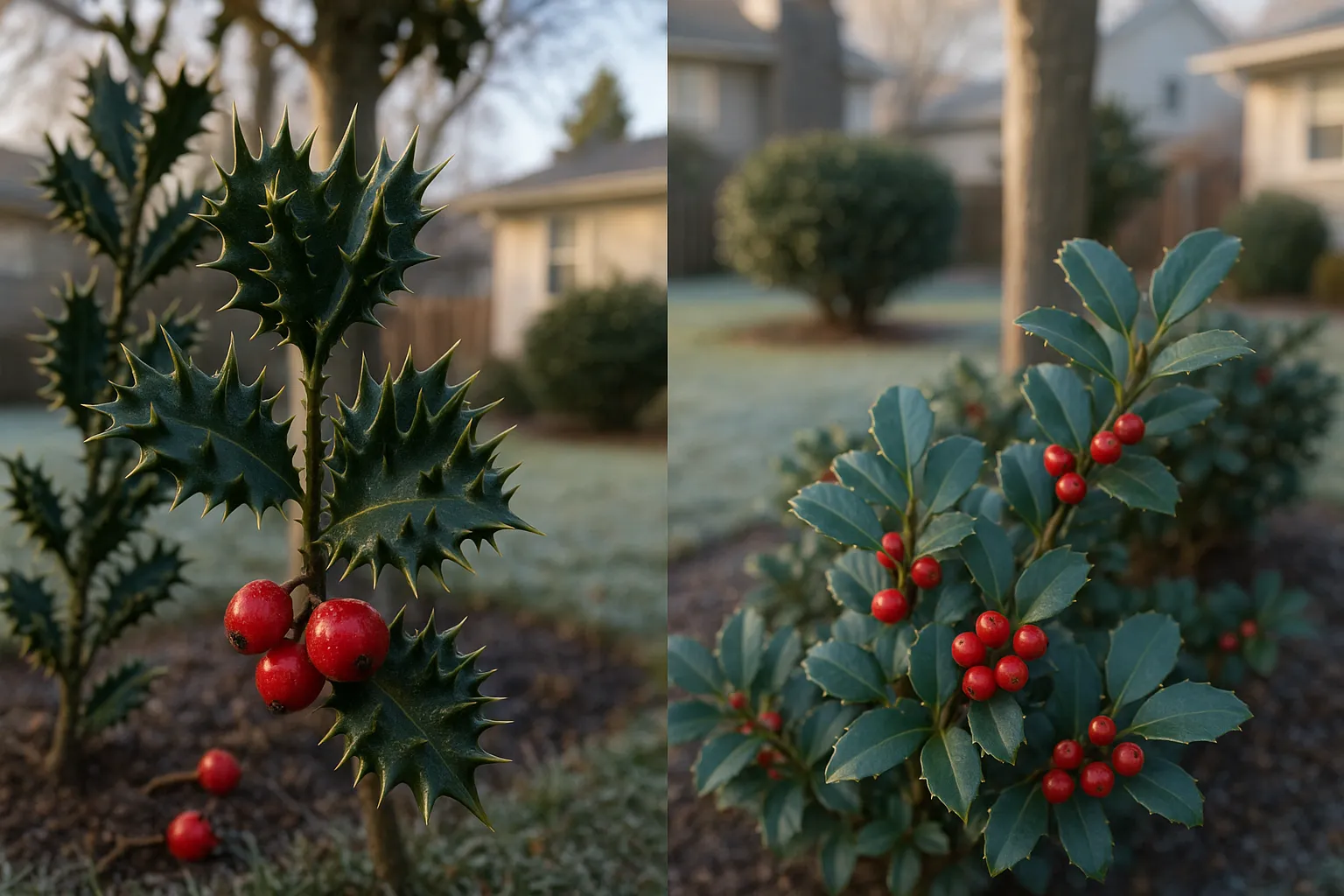
Fact: Leaf shape, berry traits, and overall form give the fastest clues to species identity.
Leaf Characteristics
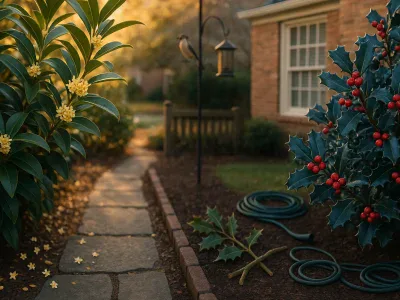
Fact: English holly (Ilex aquifolium) usually has larger, more strongly toothed leaves: Meserve hybrids have smaller, often less sharply toothed leaves.
Ilex aquifolium leaves measure often 6–12 cm, they are thick, glossy, and have pronounced spines along the margins. Some cultivars (for example ‘Ferox’) have dramatic, almost armored leaves. Ilex × meserveae leaves tend to be 3–8 cm, smoother, and sometimes with a bluish cast on cultivars like ‘Blue Princess’. If you run your hand across an aquifolium leaf the spines are definite: Meserveae often feels smoother.
Berry Color, Size, and Fruit Set
Fact: Both species produce red berries on female plants, but hybrids often hold fruit better in cold climates.
Ilex aquifolium can set heavy berry crops in mild winters, but frost and late freezes can reduce fruit. Ilex × meserveae cultivars were selected for reliable fruit set after cold winters. Berry size is similar across both species, but the timing of drop and retention varies. Note: male and female plants are separate: you need a male pollinator near female plants for berries.
Growth Habit, Mature Size, and Form
Fact: English holly reaches tree size more often: Meserveae tends to remain shrub-sized unless trained.
Ilex aquifolium can form a trunk and canopy if left unpruned, creating a multi-stemmed tree 20–50 ft tall in ideal sites. Meserveae usually grows as a dense shrub 6–15 ft tall for most garden cultivars. If you want a narrow column or low hedge, both can be pruned, but Meserveae gives denser, more compact forms with less training.
Hardiness, Climate Tolerance, and Site Preferences
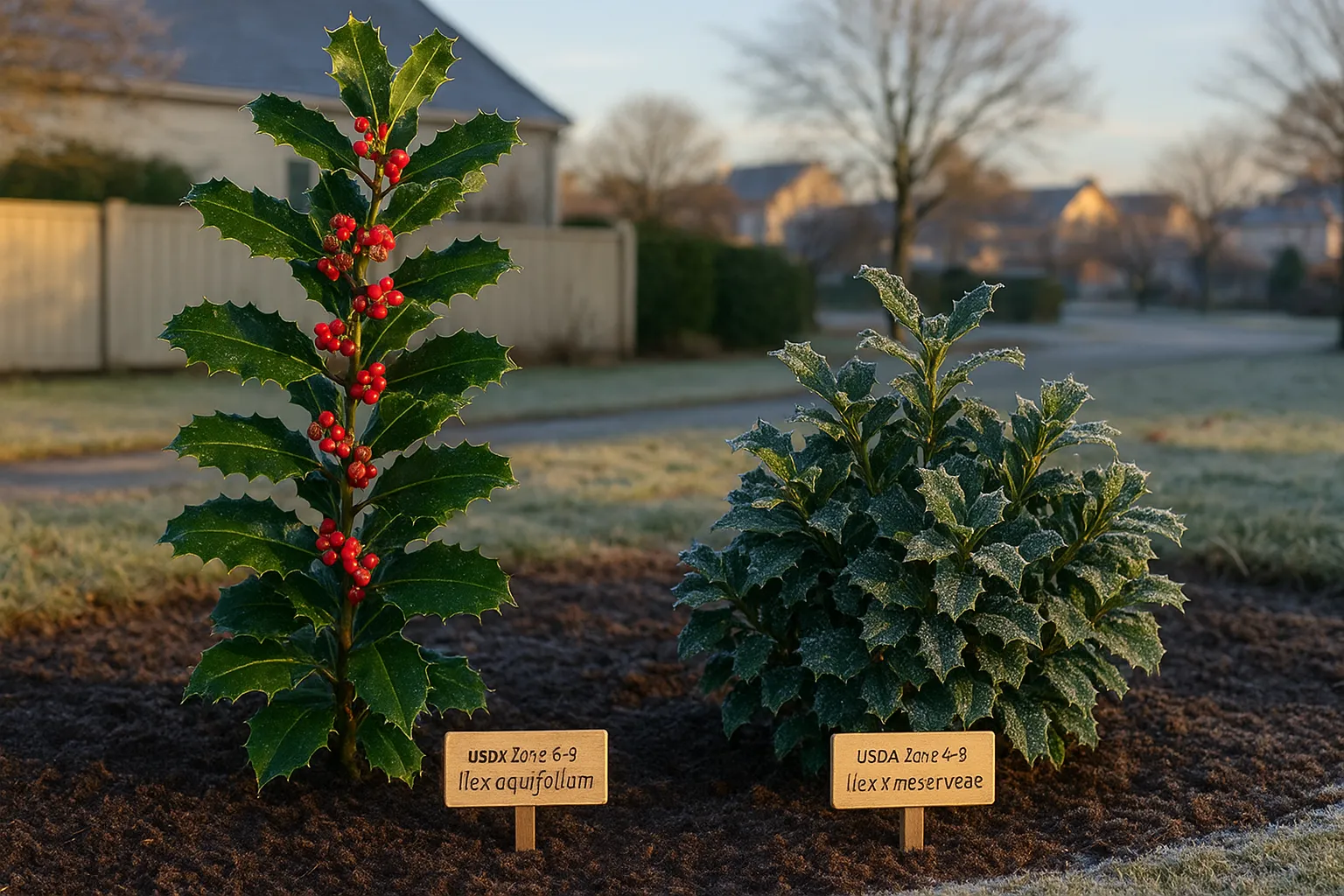
Fact: Meserve hybrids expand the usable hardiness range of hollies into colder zones.
USDA Hardiness Zones and Cold Tolerance
Fact: Ilex aquifolium generally tolerates milder winters: Ilex × meserveae tolerates colder zones.
- Ilex aquifolium: best in USDA zones 6–9. It will survive short cold snaps below freezing, but extended zone 5 cold can damage twigs and reduce berries.
- Ilex × meserveae: many cultivars are hardy to zones 4–8. The Meserve hybrids were bred to tolerate repeated deep freezes and still produce foliage and fruit.
If you live in zone 4 or 5, lean to Ilex × meserveae. If you live in zone 7–9 and want a tall classic holly, Ilex aquifolium is a fine choice. Microclimate matters: coastal warmth, urban heat islands, and sheltered courtyards change outcomes.
Sunlight, Soil, Moisture, and Wind Exposure Preferences
Fact: Both species prefer well-drained soil and some protection from harsh afternoon sun and wind.
- Light: Both grow in full sun to part shade. In hot inland sites, afternoon shade reduces leaf scorch. In cool climates, more sun improves berry set.
- Soil: They prefer slightly acidic, well-drained soils. Clay is tolerable with organic amendments. Poor drainage causes root decline.
- Moisture: Keep soil evenly moist during establishment. Once established, both withstand moderate drought, though Meserveae often handles stress better in colder, dryer winters.
- Wind: Exposed, salt-spray coastlines suit fewer aquifolium cultivars: pick tolerant cultivars. Wind protection improves berry retention for both species.
Landscape Uses, Design Considerations, and Placement
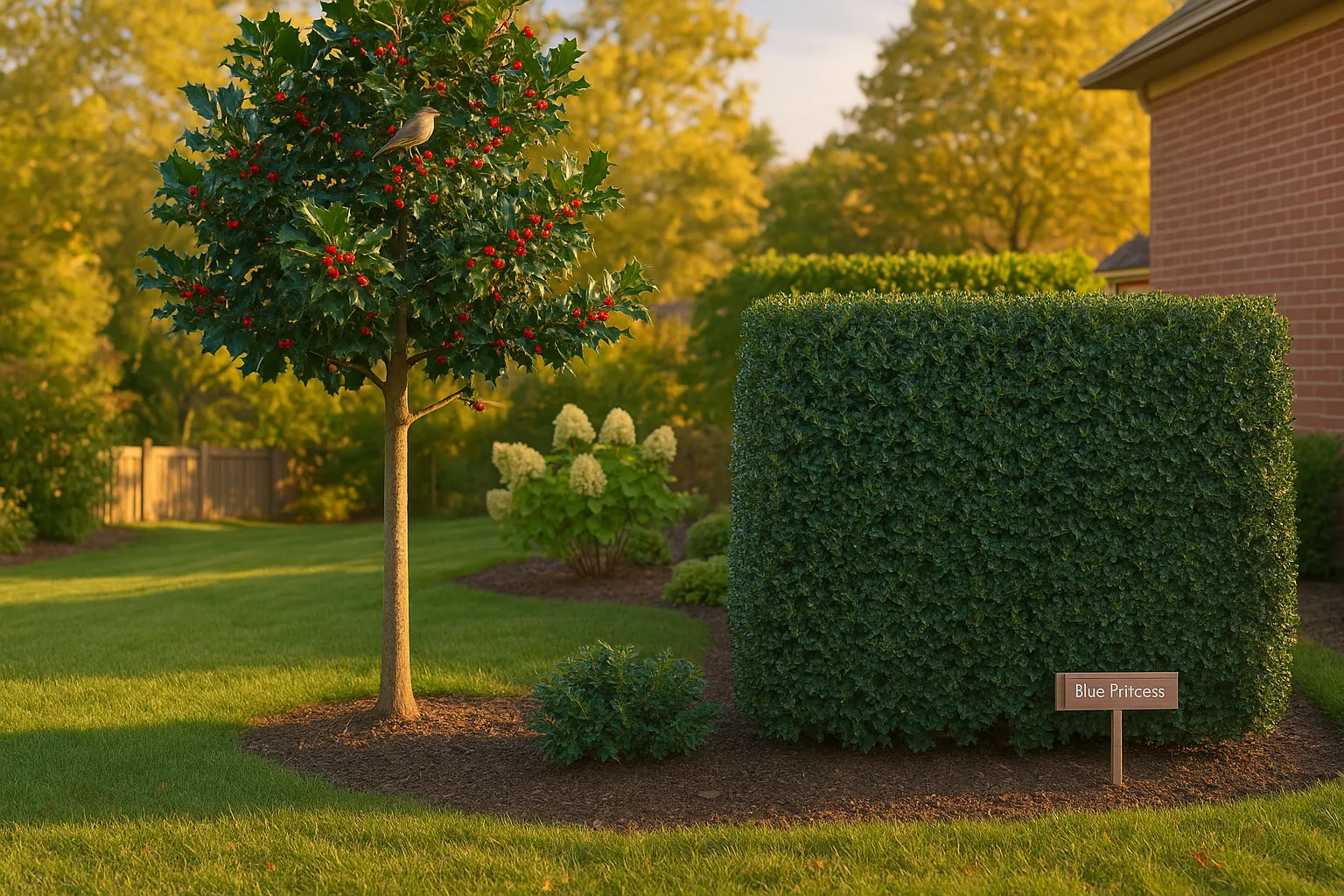
Fact: Use Ilex aquifolium where height and drama matter: use Meserveae where winter hardiness and dense form are priorities.
Common Uses (Hedge, Specimen, Foundation, Mixed Border)
Fact: Aquifolium excels as tall hedges and specimen trees: Meserveae excels as formal hedging and foundation shrubs.
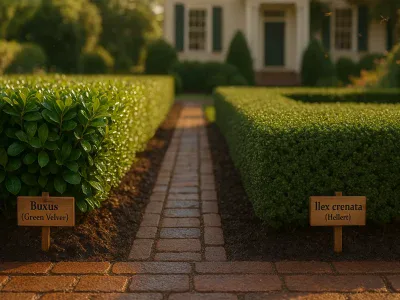
- Hedge: Ilex × meserveae is popular for formal hedges because of its compact growth. Cultivars like ‘Blue Princess’ form dense screens.
- Specimen: Ilex aquifolium makes a striking specimen or focal tree when left to develop a trunk and canopy.
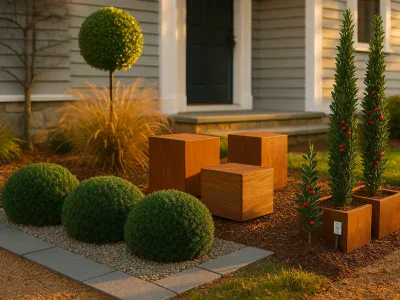
- Foundation: Both work at foundations: choose smaller Meserveae cultivars for confined beds.
- Mixed border: Use Meserveae for mid-border structure: aquifolium can anchor back-of-border or woodland edges.
Design Tips Based On Form and Seasonal Interest
Fact: Pair hollies with contrasting textures and seasonal interest for maximum year-round effect.
Use evergreen hollies against deciduous shrubs (e.g., Hydrangea paniculata) to keep winter color. Plant male pollinators (choose a compatible male cultivar) within 30–50 ft of females for reliable berry set. Combine leaf-color contrasts: blue-green Meserveae beside glossy aquifolium gives layered depth. For tight urban yards, pick dwarf Meserveae to avoid future pruning headaches.
Design note: berries attract birds: place hollies where you can enjoy wildlife viewing without creating a mess on patios.
Maintenance, Pruning, and Cultural Care
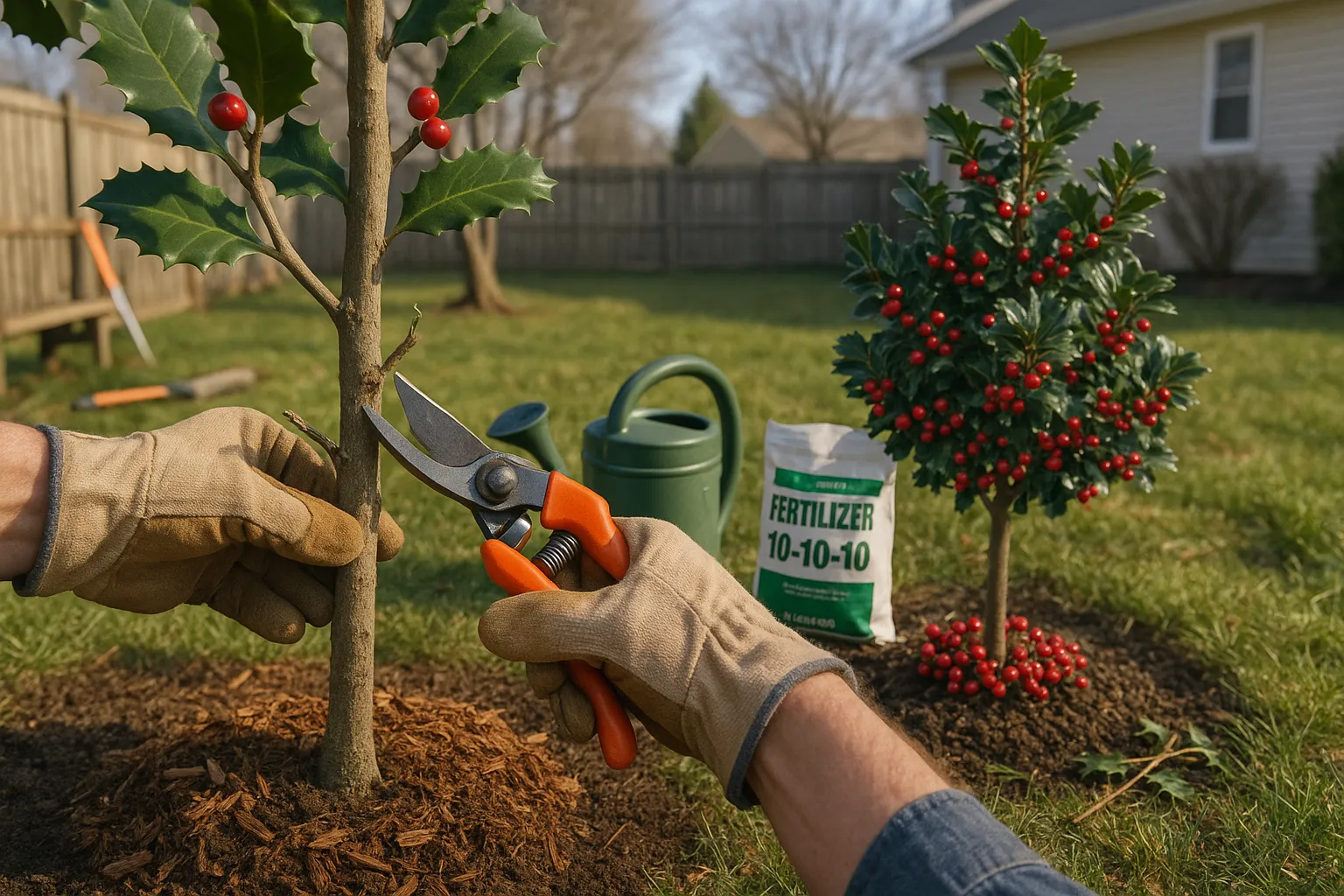
Fact: Both hollies respond well to pruning, but timing and technique affect berry production.
Pruning Timing, Techniques, and Training Young Plants
Fact: Prune hollies in late winter or early spring before new growth: avoid heavy pruning after buds set on female plants.
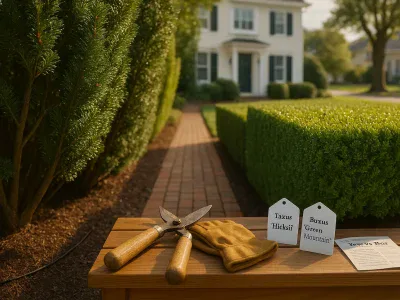
Prune lightly to shape and remove dead wood. For formal hedges, prune twice in summer to maintain tight form. When training an English holly into a single-trunk tree, remove lower suckers and select a central leader early. Use clean, sharp tools and make angled cuts. Don’t remove more than one-third of live wood in a season unless you want to stress the plant, drastic cuts delays berrying.
Fertilizing, Mulching, and Watering Guidelines
Fact: Hollies need modest fertility, steady moisture during establishment, and mulch to protect roots.
Apply a balanced slow-release fertilizer in early spring (for example 10-10-10) following label rates. Add 2–3 inches of organic mulch, keep it 2–3 inches from the trunk. Water weekly during the first two seasons or during drought. Avoid high-nitrogen feeds in late summer because they can stimulate soft growth vulnerable to cold.
Pests, Diseases, and Troubleshooting Common Problems
Fact: Both species face similar pests and fungal issues, but susceptibility varies by cultivar.
Typical Pest and Disease Issues for Each Species
Fact: Spider mites, scale, and leaf miners can affect both: aquifolium may be sensitive to root rot in poorly drained soils.
- Pests: Scale insects (e.g., horse chestnut scale), holly leaf miner, and spider mites appear on both species. Look for stippled leaves, sooty mold, and sticky residue.
- Diseases: Phytophthora root rot in wet soils affects both. Leaf spot and twig blight occur sporadically, especially after long wet seasons.
- Environmental: Winter burn and leaf scorch show on exposed plants during cold, dry winds: aquifolium with larger leaves sometimes shows more visible damage.
Prevention, Treatment, and Resistant Cultivar Notes
Fact: Good site selection and cultivar choice reduce problems: treat pests early with horticultural oil or targeted systemic treatments.
Plant in well-drained soil and avoid overhead watering. Use insecticidal soap or horticultural oil for light scale or mites. For heavy infestations, ask your local extension about systemic insecticide options. Choose disease-resistant Meserveae cultivars for wetter sites. The Royal Horticultural Society lists some reliable cultivars: consult local extension services for region-specific advice.
Propagation, Availability, and Recommended Cultivars
Fact: Both species propagate by cuttings and grafting: seeds breed unpredictably in hybrids.
Propagation Methods: Seed, Cuttings, and Grafting
Fact: Use semi-ripe cuttings or grafting for true-to-type plants: seeds for aquifolium can grow but may not breed true.
- Seed: Ilex aquifolium seeds germinate but take years to fruit and may vary from the parent. Hybrids from seed are unreliable.
- Cuttings: Semi-ripe cuttings in summer with rooting hormone give highest success. Bottom heat and mist increase rates.
- Grafting: Common in commercial nurseries to maintain cultivar traits, especially for aquifolium standard trees and named Meserveae cultivars.
Top Cultivars of Ilex Aquifolium and Ilex Meserveae to Consider
Fact: Cultivar choice determines size, leaf form, berry reliability, and pollination compatibility.
Ilex aquifolium highlights:
- ‘Silver Queen’, variegated leaves, dramatic winter interest.
- ‘Ferox’, heavily spined, architectural leaves for drama.
- ‘Handsworth New Silver’, compact variegated form for small gardens.
Ilex × meserveae highlights:
- ‘Blue Princess’ (female), blue-green leaves, good berries in cold climates.
- ‘Blue Prince’ (male), excellent pollinator for ‘Blue Princess’.
- ‘Mr. Poppins’, compact, dense, evergreen shrub for hedging.
- ‘Jim Dandy’, dwarf, reliable for foundation plantings.
Availability: Both groups are widely available at nurseries and online. Ask for plant tags that list the cultivar and sex if you want berries. If you want a male pollinator, buy a named male cultivar, don’t rely on unnamed plants.
Practical note: When you plant, place a compatible male within 30–50 feet of female hollies for best berry set. If you choose cultivars from Meserve or commercial nurseries, they often recommend matching pollinator pairs on the label.

- Best Tpu - October 21, 2026
- Mikrotik Product Comparison - October 20, 2026
- Fbm Competitors - October 19, 2026
by Ellie B, Site Owner / Publisher