Choosing the perfect pillow is like finding a cozy cloud that cradles your dreams. Do you wake up feeling refreshed or stiff and restless? The battle between down and synthetic pillows isn’t just about fluffiness—it’s about what truly makes your sleep better.
From allergy battles to easy maintenance, each option offers hidden perks that can transform your nights. Sometimes, the right pillow can be a secret weapon, turning your bed into a sanctuary of comfort.
Let’s explore what matters most to you and uncover the pillow that fits your life like a glove.
Down Pillow Materials and Feel
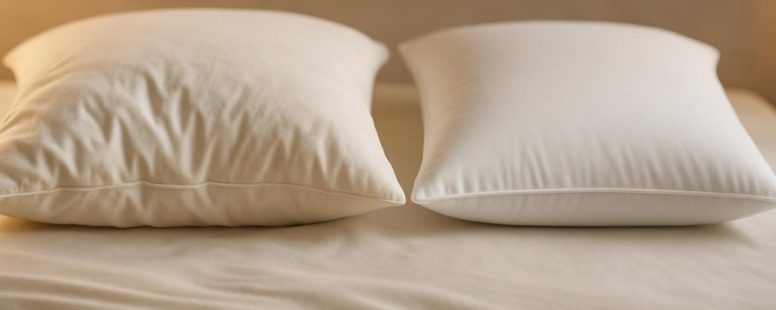
Down pillows are known for their softness and how they feel, but what really makes them special are their materials. The small clusters of down create a plush, cushiony feel that other fillings often can’t match. One big plus is that you can adjust the loft—meaning you can mold the pillow to your preferred height and firmness. This makes it feel like it was made just for you. Down also naturally helps with temperature control. It keeps you warm when it’s cold and lets air flow when it’s hot, helping you stay comfortable all night. If you want a pillow that adapts to your comfort needs and keeps your sleep balanced, down is a good choice. Just remember, down pillows might not be best for people with allergies, and they can sometimes lose their shape over time. So, while they feel great and are customizable, they might not last forever.
Synthetic Pillow Materials and Comfort
Synthetic pillows are a good choice for many people because they have clear benefits. First, they come in different types, like polyester fiberfill and memory foam. This means you can pick a pillow that feels just right for your sleeping style. For example, memory foam pillows tend to be soft and mold to your head, while polyester pillows are usually fluffier and lighter. These materials also keep their shape better than down pillows over time, so your pillow stays supportive longer. Some people worry about comfort, so knowing there are options helps.
Second, synthetic pillows are usually less expensive than down pillows. They give you good support and comfort without costing a lot. Plus, most synthetic pillows are easy to clean because they are machine washable. This makes caring for them simple and quick, unlike down pillows that often need special cleaning.
However, some people find that synthetic pillows do not breathe as well as natural ones, which can make them hot or sweaty. Also, while they last longer than down, they may not be as plush or luxurious. So, if you want a pillow that is both affordable and low-maintenance, synthetic options are a smart choice. But if you want a pillow that feels more natural or cooler, you might want to look at other types first.
Allergy-Friendly: Which Pillow Is Best?
Choosing a pillow that won’t trigger allergies can be tricky. The best way is to look for pillows made with hypoallergenic materials. These pillows are designed to resist dust mites, mold, and other allergens that can cause problems.
Here are some simple steps to help you pick the right pillow:
Look for pillows labeled hypoallergenic. This means they are made with materials treated to reduce allergens. Brands like Coop Home Goods and Snuggle-Pedic offer hypoallergenic options that many allergy sufferers trust.
Choose synthetic fills like memory foam or polyester. These materials naturally repel dust mites better than down pillows. But be careful—some synthetic pillows can trap heat and cause discomfort.
Use allergen-barrier pillow covers. These covers create a barrier that keeps dust and mold away from your pillow. They are a cheap way to add extra protection, especially if you can’t find the perfect pillow.
Some people swear by memory foam pillows because they mold to your head and are less likely to collect dust. Others prefer polyester pillows for their softness and affordability. But remember, no pillow is completely allergen-proof. Regular cleaning and covering your pillow is key.
If you’re worried about materials, check reviews and labels carefully. Some brands claim they are hypoallergenic but don’t always deliver. It’s worth spending a little more on quality to avoid allergy flare-ups.
In the end, the best pillow is the one that fits your needs and keeps allergens at bay. Do a bit of research, read reviews, and test different options to find what works for you. Remember, even the best pillow won’t help if you don’t wash pillow covers often and keep your sleeping area clean.
Durability and Care: Down Vs Synthetic Pillows
Down and synthetic pillows differ a lot when it comes to how long they last and how easy they are to care for. Down pillows, made from bird feathers like goose or duck, are soft and comfy but often need more special care to stay in good shape. Synthetic pillows, made from man-made fibers, tend to be more durable and easier to wash.
If you want a pillow that lasts a long time, synthetic might be the better choice because they usually keep their shape longer and don’t get lumpy as fast. But if you prefer a pillow that feels plush and light, down can be nice, though it might need fluffing and careful cleaning to stay fresh.
Cleaning is another big factor. Synthetic pillows can often go straight into the washing machine and come out looking new. Down pillows usually need gentle washing and drying, and sometimes you need to buy special covers to protect them. If you hate laundry hassle, synthetic might save you time.
Allergen resistance is also key, especially if you have allergies. Synthetic pillows are naturally hypoallergenic, so they are less likely to cause sneezing or breathing problems. Down pillows can trap dust and mold if not cleaned well, which could be a problem for allergy sufferers.
Some people say down pillows last longer because they are more luxurious, but they can lose fluff and shape over time. Synthetic pillows might not feel as plush, but they can be more resilient and easier to care for.
Longevity and Wear
Pillows made from down and synthetic materials last differently and need different care. Here’s what you should know to pick the right pillow for you.
Down pillows tend to last longer, about 7 to 10 years. This is because high-quality down keeps its loft and support for many years. Think of it like a good mattress that doesn’t sag quickly. But synthetic pillows usually only last 3 to 5 years because their fibers break down faster and flatten out. If you want a pillow that stays fluffy longer, down might be better.
Both types show wear in different ways. Down pillows often clump together over time, making them lumpy. Synthetic pillows lose their bounce and become flat and uncomfortable. So, if you dislike lumps or flat pillows, consider how each material wears out.
Some brands like Pacific Coast Feather and Coop Home Goods make good down pillows that last longer. Synthetic options like MyPillow or AmazonBasics are cheaper but may need replacing sooner. Remember, how you take care of your pillow also affects how long it lasts. Regular washing and fluffing help, but over time, all pillows wear out.
In the end, choosing a pillow depends on your needs. If you want something that lasts longer and is supportive, down might be the way to go. But if you prefer an easier-to-clean or cheaper option, synthetic could work. Just keep in mind that both will need replacing eventually.
Cleaning and Maintenance
Cleaning and maintaining your pillow is simple if you know the right steps. The best way to care for your pillow depends on whether it is filled with down or synthetic fibers.
Down pillows are delicate. To clean them, use a gentle detergent and wash on a delicate cycle in a front-loading washer. This helps prevent damage to the feathers. After washing, dry the pillow with low heat and add a couple of tennis balls. The tennis balls help keep the pillow fluffy as it dries. If you don’t do these steps, your pillow might lose its shape or get damaged.
Synthetic pillows are easier to care for. You can wash them more often, usually every few months. Use warm water and a mild detergent. Dry them on low heat until they are completely dry. Since synthetic materials are more durable, they won’t get damaged as easily during washing.
Both types of pillows benefit from pillow protectors. These covers catch dirt and sweat, helping your pillow stay clean longer and last more years.
Some people worry that washing might ruin their pillows. While washing synthetic pillows is safe and simple, down pillows need extra gentle care. If you follow these steps, your pillows will stay comfy and clean without damage. Remember, regular care keeps you sleeping better and extends your pillow’s life.
Resistance to Allergens
Taking good care of your pillow is key to keeping it fresh and reducing allergens. When choosing between down and synthetic pillows, here are some important facts about how they resist allergens.
Synthetic pillows usually have hypoallergenic features and resist dust mites better than down pillows. This makes them a good choice if you have allergies. They are designed to prevent common allergens from building up, so they stay cleaner longer. For example, brands like AllerEase and Coop Home Goods make pillows that help allergy sufferers sleep better.
Down pillows, which are soft and luxurious, tend to trap allergens unless they are specially treated. They often need more cleaning to keep dust mites away. If you love the feel of down, look for ones labeled hypoallergenic or that have been washed thoroughly. But even then, they might not be as allergen-proof as synthetic options.
Good maintenance can help both types of pillows. Washing your pillow regularly and using allergen-proof covers can make a big difference. It helps prevent allergen buildup and extends the life of your pillow.
Personally, I prefer synthetic pillows for allergy reasons. They are less likely to trap dust mites and are easier to keep clean. But some people swear by down for comfort, just knowing they might need to clean it more often.
Budget Considerations for Down and Synthetic Pillows
The main thing to know is that down pillows usually cost more upfront than synthetic ones. But they might save you money in the long run because they tend to last longer. For example, a good down pillow can stay comfy for years, while synthetic pillows might need replacing sooner.
Some people think paying more for down is worth it because of its durability and comfort. Others worry about the price and prefer synthetic pillows that are cheaper at first. Synthetic pillows can be good if you are allergic to down or on a tight budget. Keep in mind, synthetic pillows might not last as long and may flatten out faster.
Initial Cost Comparison
Choosing between down and synthetic pillows mainly depends on how much you want to spend upfront. Here’s what you should know about the initial cost:
Price Range: Down pillows tend to cost more because they use natural feathers, which are soft and high quality. Synthetic pillows are usually cheaper, making them a good choice if you are on a tight budget.
Budget Options: Synthetic pillows often cost less and still feel comfortable. If saving money now is your main goal, a synthetic pillow might be the best pick.
Value Consideration: Down pillows cost more at first, but some people find they last longer and feel better. Still, if you want to save money right away, synthetic pillows are a smarter buy.
Knowing these points can help you find a pillow that fits your money situation. But remember, cheaper options might not last as long or feel as nice as more expensive ones. So think about what matters most to you—saving money now or getting a pillow that feels better and lasts longer.
Long-Term Expense Impact
The best long-term pillows are those made with down because they last longer and stay comfortable. Even though they cost more at first, they can save you money over time. Synthetic pillows might seem cheaper to buy, but they tend to wear out faster and need replacing more often. Imagine buying a cheap pillow that flattens quickly and you have to buy another one in a year. Those small costs add up. Down pillows keep their shape and softness longer, so you won’t need to replace them as often. This means you spend less money in the long run.
But keep in mind, some people find down pillows too expensive or worry about allergies. Synthetic pillows can be better for allergy sufferers or those with a tight budget. They might be less durable but are often easier to clean and cheaper upfront.
In my experience, spending a little more on a good down pillow can save you money later. It’s like buying a pair of quality shoes that last years instead of cheap ones that fall apart fast. Think about how often you want to replace your pillow before making the choice. Do you want to spend less now or save more over time?
Value for Money
When choosing a pillow, your budget matters a lot. Here is a simple look at how down and synthetic pillows compare in value and cost over time.
First, the initial cost is lower for synthetic pillows. If you only want to spend a little money upfront, synthetic pillows seem like a good deal. But remember, they usually don’t last as long. Down pillows, though more expensive at first, often stay good for many years. They might cost more now, but they last longer and give you more comfort over time.
Next, think about how often you need to replace the pillow. Synthetic pillows tend to wear out faster and may need to be replaced every year or two. This adds up, making them more costly in the long run. Down pillows, if taken care of, can last five years or more. So even though they cost more initially, they save you money in the long run.
Some people prefer synthetic pillows because they are usually easier to clean and less likely to cause allergies. But others like down for its softness and durability. Both types have pros and cons, so think about what matters most to you — your budget, how long you want the pillow to last, or specific needs like allergies.
How Pillows Affect Sleep Quality and Support
A good pillow makes a big difference in how well you sleep and how your neck feels in the morning. If your pillow matches your sleep position, it helps keep your neck and body in the right alignment all night. For example, if you sleep on your side, a thicker pillow can support your neck better. If you sleep on your back, a medium loft might work best.
Choosing the right pillow height, or loft, matters because it gives the right amount of support without putting pressure on your neck. A pillow that’s too soft or too firm can cause neck pain and make it hard to sleep. Some pillows are made to stay cool and help regulate temperature. This is helpful because overheating can wake you up.
There are different opinions about what kind of pillow is best. Some people say memory foam pillows are great because they mold to your neck. Others prefer feather or down pillows because they feel softer. But it’s not just about comfort. A pillow that supports your neck well can prevent stiffness and improve sleep quality.
Keep in mind, not every pillow works for everyone. If you have neck issues or sleep on your side, you might need a firmer pillow. If you sleep on your back or stomach, a softer pillow could be better. It’s a good idea to try different types to see what feels best for you.
Some warnings: even the best pillow won’t fix serious sleep problems like sleep apnea. Also, pillows wear out over time and need replacing. A pillow that’s flat or lumpy won’t support you properly and can cause discomfort. So, check your pillow regularly and change it when needed.
In the end, your pillow should support your sleep and your neck. When you find the right one, you’ll wake up feeling more rested and less stiff. Isn’t that worth a little trial and error?
Best Pillows for Different Sleep Positions
Choosing the right pillow depends on how you sleep and what feels comfortable for you. Here’s a simple guide to help you pick the best pillow based on your sleep position:
Back Sleepers: A medium-height pillow works best. It supports your neck’s natural curve without pushing your head forward too much. Think of it as a gentle cradle that keeps your neck aligned.
Side Sleepers: You need a firmer, taller pillow. It should fill the gap between your ear and shoulder so your spine stays straight. Imagine stacking pillows to keep everything in line—that’s what a good side-sleeper pillow does.
Stomach Sleepers: Use a soft, low-profile pillow or skip the pillow altogether. This prevents your neck from twisting or straining. Sleeping without a pillow might even feel more comfortable if you tend to sleep face-down.
Matching your pillow to how you sleep and adjusting its height can make a big difference in how you feel in the morning. Whether you prefer down, memory foam, or synthetic pillows, the right choice supports your comfort. Just remember, what works for one person might not work for another, so try different options if needed.
Lifestyle and Environmental Factors in Pillow Choice
Choosing the right pillow depends a lot on how you sleep and where you live. Your sleep position is important, but environmental and lifestyle factors matter too. Think about these before picking down or synthetic pillows.
If you tend to sleep hot or live in a humid place, synthetic pillows are better because they handle moisture and airflow. They keep you cooler and are less likely to get mold or dust mites. For example, brands like Coop Home Goods or Snuggle-Pedic make good cooling options. On the other hand, if you prefer natural materials and are okay with extra care, down pillows are soft and breathable. They can feel luxuriously comfortable, especially for side or back sleepers.
Your daily habits also matter. If you have allergies or sensitivities, synthetic pillows usually resist dust mites better than down. But if you like natural textures and don’t mind cleaning your pillow often, down could work for you.
Think about your room’s conditions too. Living somewhere humid or hot favors synthetic options. If your room stays dry and cool, down might be a better choice.
Some people might find that synthetic pillows keep them cooler but don’t last as long. Down pillows can last years but need regular fluffing and cleaning. Both have pros and cons, so it’s good to match your pillow to your lifestyle.
To provide the best experiences, we use technologies like cookies to store and/or access device information. Consenting to these technologies will allow us to process data such as browsing behaviour or unique IDs on this site. Not consenting or withdrawing consent, may adversely affect certain features and functions.
Functional
Always active
The technical storage or access is strictly necessary for the legitimate purpose of enabling the use of a specific service explicitly requested by the subscriber or user, or for the sole purpose of carrying out the transmission of a communication over an electronic communications network.
Preferences
The technical storage or access is necessary for the legitimate purpose of storing preferences that are not requested by the subscriber or user.
Statistics
The technical storage or access that is used exclusively for statistical purposes.The technical storage or access that is used exclusively for anonymous statistical purposes. Without a subpoena, voluntary compliance on the part of your Internet Service Provider, or additional records from a third party, information stored or retrieved for this purpose alone cannot usually be used to identify you.
Marketing
The technical storage or access is required to create user profiles to send advertising, or to track the user on a website or across several websites for similar marketing purposes.