Imagine welcoming a tiny whirlwind or a gentle puffball into your home and discovering they behave worlds apart. Nearly 70% of new small pet owners are caught off guard by how differently hamsters and guinea pigs act, transforming daily routines into surprising adventures.
These subtle behavioral differences can shape your experience—affecting everything from playtime to companionship—yet many overlook them when choosing their furry friend. Understanding what makes each animal unique is like unlocking a secret code that can turn frustration into joy.
Plus, knowing these nuances can help you create a harmonious environment, making your bond with your pet even more rewarding. Ready to uncover what sets these adorable companions apart?
Which Small Pet Fits Your Lifestyle: Hamster or Guinea Pig?
A hamster is a small pet that is easy to take care of. It is a good choice if you want a pet that doesn’t need much attention. Hamsters need only occasional cleaning of their cage and simple food, like hamster pellets and some fresh vegetables. They are mostly active at night and are very independent, so they don’t need daily cuddles or playtime. If you have a busy schedule, a hamster might be a good fit since they don’t require much daily care.
A guinea pig is a larger pet that needs more attention and care. They need regular brushing to keep their fur healthy. Their diet is also more demanding. They need hay, fresh vegetables, and vitamin C supplements because they can’t make their own vitamin C like humans. Guinea pigs are social animals and love to be around people or other guinea pigs. They are a better choice if you want a pet that you can interact with more often. However, they require more time and effort to keep happy and healthy.
If you are wondering which pet fits your lifestyle, think about how much time you want to spend caring for your pet each day. Hamsters are great for people who want a small, low-maintenance animal, while guinea pigs are better for those who enjoy more hands-on care and companionship. Both pets can bring joy, but it’s good to pick one that matches how much attention you can give.
Hamster and Guinea Pig Personalities: What to Expect
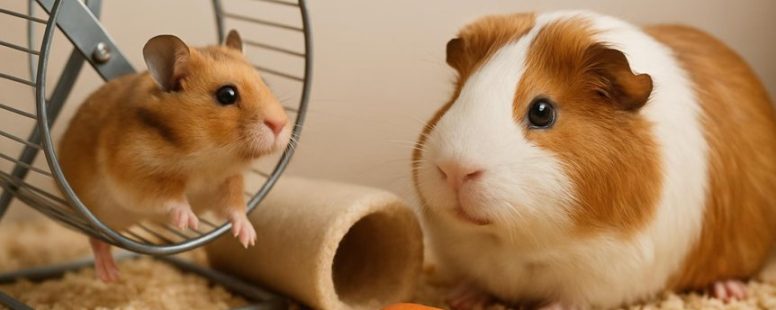
Hamsters and guinea pigs have different personalities, and knowing these can help you pick the right pet. Hamsters are more independent and often like to be alone. They can be territorial and may prefer their own space. If you want a pet that doesn’t need much company, a hamster might be a good choice. For example, they’ll often hide in their wheel or tunnel when they want to be left alone.
Guinea pigs are very social animals. They love to be around other guinea pigs and do best in groups. If you want a pet that enjoys cuddling and playing with friends, a guinea pig is a good fit. They often chatter and squeak to each other, showing they like company. Keep in mind, guinea pigs need friends to stay happy, so you might want to get at least two.
Some people might prefer hamsters because they’re low-maintenance and don’t need friends. But others may choose guinea pigs because they are more interactive and social. Both animals have their own needs, so think about your lifestyle. Do you have time to give a guinea pig company? Or do you want a pet that’s more independent like a hamster? Knowing these traits helps you pick the best pet for your home.
Hamster Temperament Traits
Hamsters are often seen as shy or easily startled animals, but they actually have different personality traits. Some hamsters are very curious and confident. They like to explore new places and are not afraid of trying new things. Other hamsters are more cautious and prefer to stay close to their nests for safety. Their personality affects how they react to being handled or to new sounds and smells.
Hamsters usually like quiet, safe spaces. They often build nests and burrow to feel secure. Unlike guinea pigs, hamsters do not need regular grooming. But they may groom themselves often, especially if they feel stressed or unsure. Knowing about these traits can help you make a better home for your hamster. Giving them a calm, quiet environment helps them feel safe and happy. It also shows respect for their need for personal space and quiet time.
Some hamsters may be more outgoing, while others prefer to keep to themselves. Both types can make good pets if you understand their personality. If your hamster is shy, give it time and gentle handling. If it’s confident, let it explore safely. Understanding what your hamster needs makes caring for it easier and more fun.
Guinea Pig Social Behavior
Guinea pigs are social animals that need company to stay happy. They do better when they live with one or two other guinea pigs because being alone can make them stressed. If you watch closely, you’ll see them grooming each other. This is a sign they trust each other and are bonding. Grooming helps make their friendship stronger.
Guinea pigs also show who is boss by how they act. The dominant guinea pig might puff up or stand tall. This is their way of telling others where they fit in the group. Usually, a calm and stable group keeps everyone happy. If the social structure changes suddenly, fights or stress might happen. So, keeping their group steady is very helpful.
Some people wonder if it’s better to keep guinea pigs alone or with others. The answer is usually with friends because they are naturally social. But, if you have many guinea pigs, watch for signs of fighting. Not all guinea pigs get along well, and some might need their own space.
Knowing how guinea pigs behave helps you take better care of them. When you understand their social needs, you can create a happy home where they feel safe. For example, giving them enough space and making sure their group stays stable will keep everyone calm and friendly.
How Active Are Hamsters and Guinea Pigs During the Day and Night?
Hamsters and guinea pigs have different activity patterns during the day and night. Hamsters are mostly active at night, making them nocturnal animals. They sleep during the day and become lively when it gets dark. You might see them running on their wheels or exploring their cages in the evening. This means if you want to play with your hamster, morning or evening is best.
Guinea pigs, on the other hand, are more active during the day. They tend to be awake when it is light outside and rest during the night. You might notice them munching on hay or chatting with their friends in the daylight hours. If you want to spend time with your guinea pig, the daytime is the best time to do so.
Knowing when these animals are active helps you take good care of them. For example, avoid disturbing a hamster during the day when it is sleeping, and try to interact with guinea pigs during their active hours. Some people may find it tricky because hamsters are sleepy during the day and guinea pigs are most lively when the sun is up. But understanding their habits can help keep them happy and healthy.
Diurnal Activity Patterns
Hamsters and guinea pigs have different activity patterns, which are shaped by their natural body clocks called circadian rhythms. Knowing when they are most active helps you care for them better and keeps them happy.
Hamsters are mainly crepuscular, which means they are most active during dawn and dusk. Sometimes they also stay active at night. For example, a hamster might run on its wheel when you’re asleep, making noise in the quiet hours. They often rest during the day, hiding in their burrows or nests. If you want to play with a hamster, the best time is early morning or evening when they are awake and energetic.
Guinea pigs are mostly diurnal. They prefer to be active during the daytime and rest at night. You might see your guinea pig exploring its cage or munching on hay during the afternoon. They tend to be calm and sleepy when it’s dark outside. If you want to interact with them, plan your visits during the daytime when they are lively and alert.
Understanding these activity habits is useful for providing proper stimulation. For example, offering toys or playtime when your hamster is active or giving your guinea pig interesting objects during their daytime activity helps keep them happy. But remember, some hamsters can be more nocturnal, and guinea pigs might vary slightly in their habits.
Knowing when your pets are active helps you respect their natural behaviors. This way, they stay healthy and feel comfortable in their environment. So, next time you see your hamster running at night or your guinea pig resting during the day, you’ll know it’s just their natural rhythm at work.
Nocturnal Behavior Tendencies
Hamsters are mainly active at night, while guinea pigs are active at dawn and dusk. Hamsters sleep during the day and become lively once night falls. Their good night vision helps them see in the dark, which keeps them safe from predators. This means if you keep a hamster as a pet, it’s best to let it sleep during the day and give it space to play at night.
Guinea pigs are different. They are crepuscular animals, which means they are most active during the early morning and evening. They rest during both day and night, but they can still be a little active when it’s dark outside. If you notice your guinea pig running around at sunset or sunrise, that’s normal. Understanding their sleep habits can help you decide the best way to care for them.
Some pet owners wonder if they should change their animals’ routines. If you want a hamster to stay active, keep its cage in a quiet, dark spot during the day. For guinea pigs, providing a peaceful environment during their rest times is important. Both animals need a place to hide and sleep comfortably.
In the end, knowing whether your pet is nocturnal or crepuscular helps you give them the right environment. Hamsters thrive in darkness, while guinea pigs prefer a schedule with some quiet times during both day and night. Paying attention to their natural habits makes caring for them easier and more fun.
Day-Night Activity Differences
Hamsters and guinea pigs have very different activity patterns during the day and night. Knowing these differences helps you care for them better.
Hamsters are nocturnal animals. This means they are most active at night. They like to run, explore, and play when it’s dark outside. During the day, hamsters sleep a lot. They need a quiet, dark place to rest during daytime hours. If you disturb a sleeping hamster, it can become stressed. So, it’s best to keep their cage in a quiet spot and avoid waking them during the day.
Guinea pigs are diurnal animals. They are more active during the day and rest at night. They enjoy being awake when the sun is up. If you want to spend time with your guinea pig, do it during daylight hours. They like to eat, play, and explore when the light is bright.
Understanding these activity patterns helps you care for your pets properly. For example, if you want to play with your hamster, do it at night or in the evening. If you want to interact with your guinea pig, do it during the day when they are awake and alert.
Some people might wonder if they can change these habits. It’s not easy. Hamsters naturally stay active at night, and guinea pigs during the day. Trying to change their sleep patterns can stress them out or make them less healthy. Instead, respect their natural rhythms and create a good environment for them to rest or play when they want.
Do Hamsters and Guinea Pigs Need Social Interaction?
Hamsters and guinea pigs have very different social needs. Hamsters are usually solitary animals. They like to be alone and prefer quiet habitats. They do well with tunnels and toys that give them mental activity, but loud noises or too much handling can make them stressed. For example, a hamster might hide in a tunnel when it feels scared.
Guinea pigs, on the other hand, are social animals. They need friends or at least one buddy to stay happy. Without company, guinea pigs can get lonely and sad. They are also more sensitive to loud noises. It’s best to keep them in a quiet, calm environment. Having a small group or a compatible guinea pig friend can make a big difference in their happiness.
Knowing these differences helps you give each pet what they need. Hamsters need quiet, stimulating habitats, while guinea pigs need friends and a peaceful space. Paying attention to these needs helps keep them healthy and happy.
How to Recognize When Your Pet Is Happy or Stressed?
Knowing when your pet is happy or stressed is important to keep them healthy and safe. A happy hamster or guinea pig usually acts relaxed. They might groom themselves gently and move calmly around their cage. If they seem alert and comfortable, they are likely content. But if your pet shows signs of stress, like hunching their back, hiding all the time, or breathing quickly, they might be upset.
Here are some steps to tell how your pet feels:
Watch their grooming. Are they grooming peacefully, or are they over-grooming or avoiding it? Excessive grooming can be a sign of stress.
Look at their activity level. Are they lively and exploring, or are they just sitting still and not moving much? Lethargy can mean they are unhappy.
Listen to their sounds. Happy pets might chirp or make soft noises. Stressed pets often stay quiet or may make distressed sounds.
Check their environment. Make sure their cage is clean, their food is good, and they have enough space. An uncomfortable or dirty habitat can cause stress.
Common Behavior Problems in Hamsters and Guinea Pigs and How to Address Them
Many pet owners notice behavior problems in hamsters and guinea pigs that can be confusing or concerning. Knowing what causes these issues and how to fix them can help keep your pets happy and healthy.
For hamsters, aggressive biting or hiding too much can be signs of stress. This might happen if they are scared by unfamiliar routines or if their grooming gets disrupted. Sometimes, hamsters fight if they are kept together but are not social enough. To fix this, watch how they behave and separate males if they show aggression. Keeping their environment calm and consistent can help reduce stress. Giving hamsters a quiet space and regular grooming routines can make them feel safe.
Guinea pigs often pull their hair or over-groom themselves, which can be caused by boredom or anxiety. If they don’t have enough toys or space to play, they might get bored and start these behaviors. Also, if they are not getting along with other guinea pigs, it can cause stress. To help, provide a variety of toys and hideouts. Make sure they get enough social time with other guinea pigs or gentle handling from you. Watching their behavior closely can help catch problems early and prevent worse issues.
Some pet owners worry about how to handle these problems. The key is observing your pets daily. If you see signs of stress or discomfort, try changing their environment or routines. Giving them a safe, predictable space helps prevent destructive behaviors. Remember, understanding what your pets naturally do helps you support their well-being better.
While these solutions work for most pets, some behavior problems may need a vet’s help. For example, excessive hair pulling might be caused by skin mites or other health issues. Always talk to a vet if you’re unsure or if behaviors get worse. Being patient and attentive is the best way to keep your hamster or guinea pig happy and healthy.
Setting Up a Comfortable Environment for Your Small Pet
A comfortable environment is very important for your small pet’s health and happiness. It helps keep them calm, healthy, and active.
First, choose a cage or enclosure that is the right size. It should give your pet enough room to move around freely, without feeling cramped. For example, a guinea pig needs a bigger space than a hamster. The right size helps prevent stress and keeps them happy.
Second, make sure the bedding is clean and safe. Use odor-absorbing bedding like recycled paper or wood shavings. Clean bedding often to prevent bad smells and keep your pet comfortable. Dirty bedding can cause health problems, so check it daily.
Third, add hiding spots and toys. Small pets like rabbits or hamsters like to hide and chew. Providing small hideouts made of cardboard or plastic can help them feel safe. Toys like tunnels or chew sticks keep them active and reduce stress. Do not forget to rotate toys so they do not get bored.
Fourth, set a regular feeding schedule. Provide fresh food and water every day. Use bowls that don’t tip over easily. Some pets prefer fresh vegetables or hay, so find what your pet likes best. Good routines help keep them healthy and make grooming easier later.
Finally, keeping the environment clean and organized is key. Regularly clean the cage and check for any signs of illness. A tidy space makes caring for your pet easier and more enjoyable for you both.
Some pet owners worry about cleaning too often, but a clean space is necessary for good health. Others might think a bigger cage is better, but it’s also important to give your pet enough time outside their enclosure to explore safely.
How Do Hamsters and Guinea Pigs Communicate Their Emotions?
Hamsters and guinea pigs communicate their emotions mainly through sounds and body language. Knowing these signals helps you understand how they feel and what they need.
Vocal cues are a big part of their communication. For example, a hamster’s squeak might mean it’s excited or scared. A guinea pig’s chirp usually shows it’s happy or content. Body language is also telling. Hamsters may thump their feet when they feel threatened or stand on their hind legs to explore. Guinea pigs often wag their heads or puff out their cheeks when annoyed or feeling defensive. Paying attention to these signs can help you know if your pet is happy, nervous, or upset.
For example, if your hamster is moving restlessly, it could be stressed. A calm guinea pig lying relaxed shows it’s comfortable. Recognizing these cues can help you respond in a caring way. You might gently comfort a stressed hamster or give a happy guinea pig extra attention.
Some people warn that not all sounds or movements mean the same thing for every pet. It’s good to observe your hamster or guinea pig over time to learn what’s normal for them. Also, some pets might hide their feelings better, so it takes patience to understand their moods.
The Best Ways to Interact With Your Hamster or Guinea Pig
Interacting with your hamster or guinea pig in a gentle and steady way is the best way to build trust and a strong bond. When you introduce yourself, patience is very important. Here are some simple ways to connect:
Spend time near their cage and give treats. This helps them link your presence with good things. For example, offering a small piece of fruit or a special pellet can make them feel safe around you.
Use calm voices and move slowly. Quick or loud movements might scare them. Imagine how you feel when someone suddenly jumps or shouts at you.
Handle them gently and support their body. If you hold your pet properly, they will feel more comfortable and less stressed.
Watch how they behave. If they seem worried or uncomfortable, try to give them more space or take a break. Knowing when they are happy or scared helps you become a better friend to them.
Some people believe that spending lots of time with your pet is the best way to bond. Others say that patience and gentle contact are more important. Keep in mind, every hamster or guinea pig is different, so what works for one might not work for another. Also, always be careful not to force your pet to do anything they don’t like. If you’re gentle and patient, your pet will start trusting you and become more comfortable over time.
Choosing the Right Small Pet Based on Behavior and Lifestyle
Choosing the right small pet depends on how their behavior fits with your daily routine. Hamsters are active at night and need a quiet, secure space to sleep during the day. They are good if you are busy during daylight hours because they mostly play when it’s dark. Guinea pigs are more social and active during the day. They need companionship and a calm place to relax. So, if you are home during the day and want a pet to interact with, a guinea pig might be a better choice.
Take your schedule into account. If you are busy and have little time for daily play, hamsters are easier because they don’t need much attention. But if you can spend time with your pet every day, guinea pigs enjoy daily cuddles and social time.
Feeding is also important. Both hamsters and guinea pigs need a healthy diet with the right nutrients. Guinea pigs need foods high in vitamin C, like fresh peppers or oranges, because they cannot make this vitamin on their own. Hamsters eat seeds, grains, and vegetables, but they don’t need special vitamins like guinea pigs do.
Regular vet visits help keep your pet healthy. Think about if you can take your pet to the veterinarian when needed. Some small pets need more care, and others are more hardy.
In short, matching your daily routine with the pet’s natural habits helps. If you are active during the day and want a pet to spend time with, a guinea pig might suit you best. If you prefer a pet that’s mostly active at night and requires less daily interaction, a hamster could work better. Both can make fun and loving pets if you choose the right one for your lifestyle.
To provide the best experiences, we use technologies like cookies to store and/or access device information. Consenting to these technologies will allow us to process data such as browsing behaviour or unique IDs on this site. Not consenting or withdrawing consent, may adversely affect certain features and functions.
Functional
Always active
The technical storage or access is strictly necessary for the legitimate purpose of enabling the use of a specific service explicitly requested by the subscriber or user, or for the sole purpose of carrying out the transmission of a communication over an electronic communications network.
Preferences
The technical storage or access is necessary for the legitimate purpose of storing preferences that are not requested by the subscriber or user.
Statistics
The technical storage or access that is used exclusively for statistical purposes.The technical storage or access that is used exclusively for anonymous statistical purposes. Without a subpoena, voluntary compliance on the part of your Internet Service Provider, or additional records from a third party, information stored or retrieved for this purpose alone cannot usually be used to identify you.
Marketing
The technical storage or access is required to create user profiles to send advertising, or to track the user on a website or across several websites for similar marketing purposes.