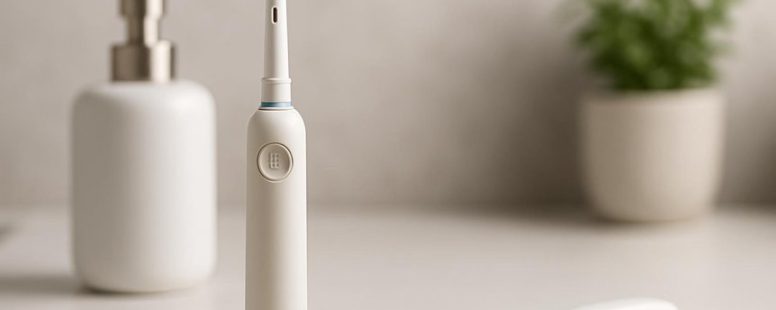
Choosing between an electric and manual toothbrush is more than a simple swap—it’s a decision that impacts your daily comfort, your wallet, and even the planet beneath your feet.
Imagine the gentle hum of an electric brush as a symphony of cleanliness or the crisp, refreshing feel of a manual brush after a long day. While electric models often promise a more thorough clean, manual brushes are lightweight, travel-ready companions that slip into your bag like a trusted friend.
Surprisingly, opting for a manual brush can also be kinder to your budget and the environment. Navigating these tradeoffs is like walking a tightrope—balancing convenience, cost, and sustainability—so understanding the nuances can help you find the perfect fit for your smile.
How Electric and Manual Toothbrushes Work
Electric and manual toothbrushes clean your teeth in different ways. Here are the key facts you should know.
First, brushing often is important for both types. Whether you use an electric or manual brush, brushing twice a day helps keep your teeth healthy. But just brushing more does not guarantee clean teeth. The way each brush works matters more.
Second, plaque removal is different. Electric toothbrushes move automatically with oscillating or sonic motions. These motions help break up plaque better than manual brushes. Manual toothbrushes depend on your technique and effort. If you brush poorly with a manual brush, plaque can stay on your teeth.
Third, how each toothbrush contacts your teeth is different. Electric brushes give consistent pressure and motion every time. This means you are less likely to miss spots or brush too hard. Manual brushes require you to control pressure and movement. If you brush too hard, you might hurt your gums or cause damage.
Some people like electric brushes because they feel easier and more effective. But they can be more expensive and heavier. Manual brushes are cheaper and simple, but they need good technique. If you don’t brush properly, even the best manual brush won’t do a good job.
Studies show electric brushes can remove more plaque and reduce gum disease better than manual ones. But if you brush well with a manual brush, it can work just as good. The best choice depends on your habits and budget.
In the end, the key is to brush regularly with good technique. Whether you pick electric or manual, what matters most is staying consistent. Both tools can help you keep your teeth healthy if used properly.
Which Toothbrush Is Best for Your Teeth?
A toothbrush is best when it fits your teeth and how you brush. The most important thing is cleaning well every day.
If you have sensitive teeth, a soft-bristled electric toothbrush like the Philips Sonicare or Oral-B’s gentle options can be good. These brushes clean without hurting your gums. Electric brushes often have timers and pressure sensors. That helps you not brush too hard, which can make sensitivity worse. But if you prefer control, a manual toothbrush with soft bristles works fine too. Just press gently and brush all sides of your teeth.
Some people like electric brushes because they do most of the work. Others prefer manual brushes because they are simple and cheap. Both can clean your teeth well if you use them right. The key is to brush for two minutes twice a day and reach all areas of your mouth.
A good rule is to pick what makes you want to brush regularly and comfortably. If you dislike brushing or find it hard to use, you might not do it enough. Remember, the best toothbrush is the one you use every day correctly. Watch out for cheap or gimmicky brands—sometimes they don’t clean well or last long.
In the end, whether you choose electric or manual, the most important thing is consistent, gentle brushing. Your teeth will thank you for it.
Convenience: Electric vs Manual Toothbrush
Electric toothbrushes are often more convenient than manual ones because they are easier to use and can do much of the work for you. For example, some electric models like the Sonicare or Oral-B handle the brushing motion automatically, which can be helpful for people with limited hand strength or busy mornings. However, electric brushes can be bulkier and harder to carry around, especially if you travel a lot. They often need charging, so you might worry about finding a socket or bringing a charger.
Manual toothbrushes are simple and lightweight. They are easy to pack in your travel bag or keep in your bathroom drawer. Because they are small, you can stash one just about anywhere — in your purse, backpack, or even your car. They don’t need batteries or charging, so you can just grab and go. Some people prefer manual brushes because they feel they have more control over the pressure and brushing style.
There are two sides to consider. Electric brushes are great if you want a quick, easy clean and don’t mind carrying extra gear. But they can be bulky and need power. Manual brushes are simple, cheap, and portable, but they require more effort and time to do a good job. If you travel often or want a no-fuss option, manual might be better. But if you want the convenience of hands-free brushing and don’t mind the size, an electric brush could be worth the investment.
Sources like the American Dental Association say both types clean teeth well if used properly. So, your choice depends on what matters most to you — convenience, portability, or simplicity.
Ease of Use
Electric toothbrushes are generally easier to use than manual ones. They do most of the work for you, which makes brushing simpler. When I am tired or in a hurry, I find the electric brush much more convenient. Its ergonomic handle fits comfortably in my hand, so I don’t strain my wrist. With an electric toothbrush, I don’t have to press hard or worry about missing spots. Just guide it around your teeth and let it do the job.
Some people prefer manual brushes because they control every stroke and think it gives them more precision. But for quick and easy cleaning, electric brushes are often better. For example, brands like Sonicare or Oral-B have models designed for comfort and efficiency. They can help you brush more thoroughly in less time.
However, electric toothbrushes are more expensive than manual ones. They also need charging or batteries, which can be inconvenient. Manual brushes are cheap, simple, and don’t need power. If you want a low-cost option, manual might be better, but it takes more effort.
In my opinion, electric brushes make my routine faster and less frustrating. They help me keep my teeth cleaner without extra effort. If you value comfort and convenience, trying an electric toothbrush like the Oral-B Pro or Sonicare ProtectiveClean might be worth it. But if you prefer control and don’t want to spend more money, a manual brush can work just fine.
Portability and Storage
Manual toothbrushes are small and easy to carry. They fit easily into any toiletry bag and don’t need chargers or extra parts. If you pack light and want no fuss, a manual toothbrush is the best choice. Imagine a tiny, lightweight brush that slips into your pocket or bag without adding bulk. That makes traveling smoother.
Electric toothbrushes can be larger and heavier. They often come with bulky handles and charging stations, which can take up a lot of space. But some newer models, like the Philips Sonicare Travel Case or Oral-B’s detachable heads, are more portable. They let you take the tech benefits but are still easier to pack.
Cost: Upfront and Long-Term Expenses Compared
Choosing between an electric and a manual toothbrush depends a lot on cost and what you value.
Manual toothbrushes are cheap. You can buy one for just a dollar or two. They are simple and don’t need batteries or charging. But you have to replace them every three months, which means buying new brushes regularly. Over time, this adds up but still stays affordable.
Electric toothbrushes cost more at the start. They usually need $30 or more for the device itself. Some brands like Oral-B or Philips Sonicare are popular choices. The good thing is they can clean teeth better and might help people who find it hard to brush well with a manual brush.
The catch is the ongoing cost. Electric toothbrushes need replacement heads, which can cost a few dollars each. If you buy one every three months, that adds up to over $15 a year. So, even though electric brushes cost more upfront, they might save you time and give a better clean, which can be worth the extra money for some.
Some people might worry about the cost, especially if they are on a tight budget. Others might think the convenience and cleaning power of an electric brush are worth the higher price. It really depends on what you want—saving money now or investing in better cleaning later.
In the end, think about your budget, your dental needs, and how much you care about convenience. Both manual and electric brushes can keep your teeth healthy if used properly. Just pick what fits your lifestyle best.
Electric Toothbrush Battery Life & Care
Electric toothbrush batteries need proper care to last longer. The main thing that affects how long your battery works is how you charge it. Charging it too often or letting it die completely can hurt the battery. To keep it healthy, only charge your toothbrush enough to keep it ready. For example, try charging it after every few uses instead of every day. This helps the battery stay strong longer. Also, keep your toothbrush in a dry place. Moisture can damage the battery and make it work poorly.
Some people think charging often is good, but others worry it can wear out the battery faster. If you want the best battery life, avoid overcharging. But if you forget, it probably won’t ruin your battery right away.
Manual Toothbrush Technique: Tips for Better Cleaning
Using a manual toothbrush well means holding it at the right angle. Experts say about 45 degrees to your gums works best. This angle helps the bristles clean away plaque from your teeth and gum line. Some people might think brushing fast is good, but brushing for at least two minutes is better. If you rush, you might miss spots or not clean enough.
Here’s a simple step-by-step to improve your brushing:
Hold your toothbrush at a 45-degree angle to your gums.
Use gentle, circular motions. Don’t press too hard, or you could hurt your gums.
Cover all parts of your mouth. Brush the front, back, and chewing surfaces.
Spend about 30 seconds on each section of your mouth.
Brush for at least two minutes total.
Some people might wonder if these tips really make a difference. The truth is, small changes can improve your cleaning. For example, holding the brush at the right angle helps remove more plaque. But experts also warn that brushing too hard or rushing can damage gums or leave plaque behind.
Others might think, “This sounds complicated.” It’s not. Just remember, gentle circles at the right angle and enough time helps keep your teeth healthy. If you skip these steps, you might end up with cavities or gum problems later.
Proper Brushing Angle
Holding your manual toothbrush at the right angle is very important for cleaning your teeth well. The best way is to tilt the brush about 45 degrees toward your gum line. This position helps the brush reach under your gums where plaque hides. Plaque is the sticky stuff that causes cavities and gum disease. If you ignore the right angle, you might miss spots and not clean enough.
Some people find it hard to remember to do this every time. But think of it like watering plants; you need to get the water right at the roots. Doing this small thing can make a big difference in your oral health over time.
There are two different opinions about brushing angles. Experts say that 45 degrees is best for most people. But some say a more gentle angle works too, especially if your gums are sensitive. Be careful not to press too hard, or you might hurt your gums instead of helping them.
Effective Brushing Duration
Brushing your teeth for the right amount of time is key to good oral health. Experts say brushing at least two minutes twice a day helps remove plaque and keeps your gums healthy. If you rush, you might miss spots and leave bacteria behind. Taking enough time makes a big difference, whether you use a manual or electric toothbrush.
Here are some simple steps to help you brush longer and better:
Use a timer or an electric toothbrush with a built-in timer. This ensures you don’t stop too early.
Divide your mouth into four parts—top left, top right, bottom left, bottom right—and spend about 30 seconds on each. This way, you clean all areas evenly.
Brush gently but thoroughly along your gum line. Hard brushing can hurt your gums and cause damage.
Be careful not to press too hard. Gentle brushing is more effective and safer.
Change your toothbrush every three months. Worn-out bristles don’t clean well.
Some people say longer brushing is better, but if you just rush through, you won’t get the same results. Using a timer helps you stay on track. Others might think spending more than two minutes isn’t worth it, but consistency and proper technique matter most.
Keep these tips in mind, and you’ll see your teeth stay cleaner and healthier over time. Remember, even the best toothbrush won’t work if you don’t spend enough time brushing. So, take your time and brush right.
Environmental Impact: Choosing a Sustainable Toothbrush
Choosing a toothbrush that is good for the environment can help protect our planet. The main types are manual and electric toothbrushes. Manual brushes are simpler and often made from biodegradable materials. This means they break down faster in landfills, reducing plastic waste. For example, some brands now sell bamboo toothbrushes that are fully compostable. They are a good choice if you want to lessen your trash.
Electric toothbrushes have batteries and many small parts that are hard to recycle. When they break or wear out, they often end up in landfills, adding to pollution. Some electric brands, like Oral-B or Philips Sonicare, offer recycling programs, but you need to send back the old parts. This extra step can be a hassle and sometimes not very effective. Plus, electric toothbrushes use more energy over time, which can increase your carbon footprint.
If you want to be more eco-friendly, look for toothbrushes with replaceable heads or made from sustainable materials. Brands like Preserve and Bamboo make toothbrushes where only the head needs replacing. This reduces waste because you keep the handle longer. Also, check if the company has recycling programs or uses biodegradable parts. These choices help lower your impact on the environment without losing the clean teeth you want.
Some people worry that manual brushes don’t clean as well as electric ones. But studies show that with good technique, both can be effective. Electric brushes can be helpful for people with limited hand strength or for those who want a faster clean. Still, if you care about reducing waste, a bamboo or replaceable-head manual brush might be better.
In the end, both types have good and bad points. Electric brushes can be more thorough but come with recycling issues. Manual brushes are simpler and more eco-friendly but need good brushing technique. Think about what matters most to you—clean teeth or a healthier planet. Choosing a sustainable toothbrush shows you care about more than just your smile. It’s a small step toward protecting the earth for future generations.
Picking the Right Electric or Manual Toothbrush for Your Lifestyle
Choosing the right toothbrush for your daily routine depends on what works best for you. Here are some tips to help you pick between electric and manual toothbrushes based on your lifestyle.
What is a toothbrush?
A toothbrush is a tool used to clean your teeth. Electric toothbrushes have a motor that moves the brush head automatically. Manual toothbrushes require you to brush by hand. Both can be effective if used properly.
How to choose the best toothbrush for you?
Portability matters. If you travel a lot or go to work, a small, lightweight electric toothbrush or a travel-sized manual brush might be best. Some electric brushes come in cases that make carrying easier.
Power source. Want something simple? A manual toothbrush needs no batteries. If you prefer electric, look for one with long battery life or USB charging. Some popular brands like Oral-B and Philips Sonicare offer models that last many days on a single charge.
Bristle type. Soft bristles are gentle and good for sensitive gums. Medium or firm bristles clean better but can cause gum damage if used too hard. Think about your gum health before choosing.
Ease of use. Choose a brush that feels comfortable in your hand. Some electric brushes have ergonomic grips and timers to help you brush for the right time. Manual brushes are simple but need proper technique.
Maintenance. How often do you need to replace brush heads? Electric brushes usually need new heads every three months. Manual brushes should also be replaced regularly. Make sure the brush is easy to clean and maintain.
Two viewpoints to consider:
Some people swear by electric toothbrushes, claiming they clean teeth better and are easier to use. Others prefer manual brushes, saying they are cheaper and give more control. Both can do the job if you brush twice a day and floss regularly.
Warning: Electric brushes can be more expensive upfront and need charging or batteries. Manual brushes are cheaper but might require more effort to clean teeth thoroughly.
A quick tip: Think about your habits. If you hate charging devices or travel often, a manual brush might be better. If you want convenience and tech features, go for an electric one.
Are you ready to pick your perfect toothbrush? Remember, the best one is the one you’ll use consistently.
To provide the best experiences, we use technologies like cookies to store and/or access device information. Consenting to these technologies will allow us to process data such as browsing behaviour or unique IDs on this site. Not consenting or withdrawing consent, may adversely affect certain features and functions.
Functional
Always active
The technical storage or access is strictly necessary for the legitimate purpose of enabling the use of a specific service explicitly requested by the subscriber or user, or for the sole purpose of carrying out the transmission of a communication over an electronic communications network.
Preferences
The technical storage or access is necessary for the legitimate purpose of storing preferences that are not requested by the subscriber or user.
Statistics
The technical storage or access that is used exclusively for statistical purposes.The technical storage or access that is used exclusively for anonymous statistical purposes. Without a subpoena, voluntary compliance on the part of your Internet Service Provider, or additional records from a third party, information stored or retrieved for this purpose alone cannot usually be used to identify you.
Marketing
The technical storage or access is required to create user profiles to send advertising, or to track the user on a website or across several websites for similar marketing purposes.