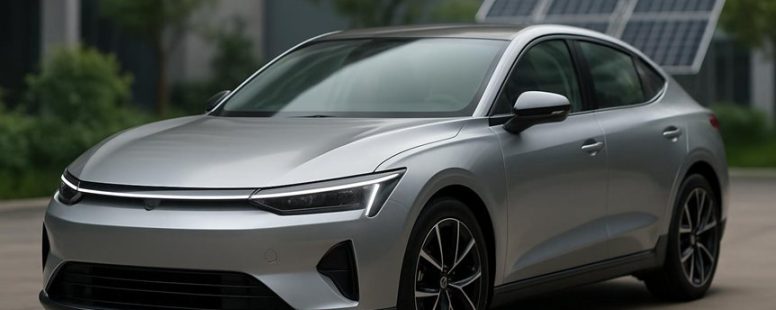
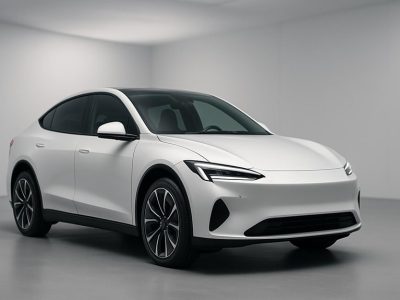
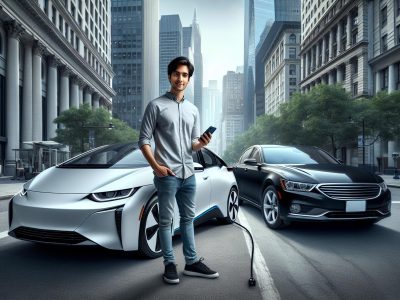
Choosing an electric car isn’t just about slapping a Tesla badge on the hood. It’s about discovering what truly fits your lifestyle and budget—like finding that perfect pair of shoes that feels effortless and natural.
Sometimes, rushing straight to Tesla means overlooking hidden gems that offer impressive range, innovative features, and surprisingly better prices. Did you know some alternatives can even make your daily drive feel like gliding on air, all while saving you money?
It’s time to explore options beyond the obvious and find the EV that truly resonates with you.
Why Consider Tesla Alternatives for Your Next EV
Why You Should Look Beyond Tesla for Your Next Electric Vehicle
The truth is, Tesla is not the only good choice when buying an electric vehicle (EV). While Tesla is popular and has many fans, there are other brands that might fit your needs better. Different EVs have different effects on the environment, and some options are more affordable or have features you might like more. For example, Ford’s Mustang Mach-E, Chevrolet’s Bolt, or Nissan’s Leaf offer different styles, prices, and options. If you only look at Tesla, you might miss out on these better-suited choices.
Some people want an EV that matches their values for sustainability. Not all EVs are made the same, so it’s good to compare how they are built and their real environmental impact. For example, some models use more sustainable materials or have a longer battery life, which can save energy over time. Looking at other brands helps you find an EV that matches your budget and lifestyle. For instance, if you want a small car for city driving, the Nissan Leaf might be perfect. If you need more space, maybe a Hyundai Ioniq 5 is a better fit.
However, there are downsides to exploring other options. Tesla is known for fast charging and long range, which can be hard to beat. Some other brands might not have the same charging network or battery life. Also, Tesla’s prices can be high, and some models might not be worth the extra cost. So, while it’s good to look around, remember that Tesla has some strengths that are hard to match.
In the end, considering other electric vehicle brands gives you more choices. You can find an EV that fits your budget, style, and environmental goals better than just sticking with Tesla. Don’t settle for the first option. Take some time to see what else is out there. It might surprise you and help you make a smarter, more satisfying decision.
Key Factors for Choosing the Best Tesla Alternative
When choosing a Tesla alternative, you want to pick a car that meets your biggest needs. First, look at battery technology. You should find options with good range—that means how far you can drive on a single charge—and fast charging, so you spend less time plugged in. For example, the Chevrolet Bolt or Ford Mustang Mach-E offer decent range and quick charging options.
Next, think about market trends. Some brands like Hyundai or Kia are making newer models fast, so your car won’t seem old in a few years. It’s smart to choose a car from a company that keeps improving their technology. But be careful—some brands may promise a lot but don’t deliver long-term updates or support.
You also need to check build quality. Is the car sturdy? Does the software work smoothly? Brands like Nissan with their Leaf or Volkswagen ID series are decent options, but some cheaper models might break down faster or have bugs. Also, look at where you can charge the car. If your city has lots of charging stations like Electrify America or ChargePoint, you’ll have no trouble. If not, the car might be a hassle on longer trips.
Some people say specs matter most, like horsepower or top speed. But think about your daily life. Do you need a family SUV or a small city car? A car that fits your lifestyle is better than one with fancy features you don’t use.
Choosing the right EV now means fewer surprises later. Remember, a good car should last years and fit your habits. Don’t just buy because of brand names—look for real-world facts and reviews. That way, you’ll enjoy your electric vehicle without regrets.
Affordable Tesla Alternative Electric Cars to Consider
Affordable Electric Cars That Can Replace Tesla
If you want an electric car that costs less but still works well, there are some good options. These cars can go a decent distance on a single charge and perform smoothly. I will compare their range and speed so you see which one fits your needs. I’ll also explain how easy it is to charge them when you are on the road.
Some cars in this group include the Chevrolet Bolt EV, Nissan Leaf, and Hyundai Kona Electric. They are cheaper than Tesla but still offer good features. For example, the Chevrolet Bolt EV can go about 259 miles on a full charge, which is enough for most daily trips. The Nissan Leaf is lighter and costs less, with a range of 150 miles, making it good for short drives. The Hyundai Kona Electric offers about 258 miles and has a little more space for passengers and cargo.
When choosing one, think about how far you usually drive. If you need to go long distances, the Bolt or Kona might be better. If you mostly drive around town, the Leaf could be enough and save you money. Keep in mind, charging stations for these cars are getting better, but some models may take longer to charge than others. Using fast chargers can get most of the battery back in about 30 minutes, but they are not everywhere yet.
Some people worry about how reliable these cars are or if they will last long. While they are generally good, some cheaper models might need more repairs over time. Also, fast chargers can sometimes hurt the battery if used too often. So, it’s good to check reviews and see what owners say before buying.
Budget-Friendly EV Models
Looking to switch to an electric vehicle without spending a lot? There are many budget-friendly options out there besides Tesla. If you want affordable hatchbacks or small SUVs, here are three EV models that are worth your attention.
Chevrolet Bolt EV – This is a reliable and inexpensive hatchback. It has a decent driving range and a roomy interior. Many drivers like it because it’s simple to use and costs less than other EVs. But keep in mind, some people worry about the battery life over time.
Nissan Leaf – One of the first mass-market electric cars, the Nissan Leaf is known for its good value. It offers easy-to-use technology and is great for city driving. However, its range is shorter than newer models, so if you drive long distances often, it might not be the best choice.
Hyundai Kona Electric – This small SUV balances price, range, and features well. It’s a strong option for those who want a bit more space. Some say it feels more like a regular car, which can make the switch easier. But it’s slightly more expensive than the others.
These cars show you don’t need to spend a lot to drive electric. They are practical and efficient, perfect for daily errands or city commuting. Still, consider your driving habits and needs before buying. Some models might not have the longest range, which could be a problem if you often take long trips.
Sources: Consumer Reports, Kelley Blue Book, and industry reviews.
Range and Performance Comparison
Electric vehicles that cost less than Tesla can still give you good range and fun to drive. While they might not have all of Tesla’s top features, many affordable EVs can go over 200 miles on a single charge. This is enough for most daily trips, errands, or short trips. For example, cars like the Chevrolet Bolt or Hyundai Kona Electric are popular choices. They combine decent battery life with quick, smooth driving. Some people worry that lower-cost EVs won’t be as fun or reliable, but these models often match more expensive cars in acceleration and handling.
However, keep in mind that battery tech is always changing. This means some cheaper EVs might not last as long or perform as well in extreme weather. Also, the range can vary depending on how you drive and the conditions outside. If you want a reliable, fun EV without paying a lot, these options are worth considering. Knowing how battery size and technology affect drive time helps you pick the best car for your needs.
Counter-strategies and notes:
The Ruthless Competitor might argue that these cars don’t match Tesla’s speed or technology and could break down sooner. They might say the real cost is hidden in repairs or charging costs.
The Cynical Consumer would question if these numbers are real or just marketing tricks. They’d want proof that these cars truly go over 200 miles and stay reliable.
The Distracted Scroller would need a simple, quick reason to remember this info, like “Chevy Bolt is a good budget EV with 200+ miles.” Otherwise, it might be forgotten quickly.
Charging Infrastructure Availability
Charging options are just as important as range and performance when choosing an electric vehicle (EV). If you’re looking for affordable Tesla alternatives, you need to consider how easy it is to find charging stations around you. Here are some key points:
Charging station types – Make sure your EV supports common fast chargers like CCS or CHAdeMO. This helps you find more places to charge quickly, especially on long trips. For example, many non-Tesla EVs now support CCS, which is used by Ford Mustang Mach-E and Volkswagen ID.4. If your car only supports slow charging, you might have to wait longer or find special stations.
Urban charging solutions – Living in the city means you might rely on public chargers, street-side stations, or shared parking chargers. Check if your EV works well with these options. Some cities have more charging stations than others, so look up local maps to see what’s available. If your city is lacking, you could face trouble charging when you need it most.
Home charging compatibility – Confirm your EV can charge at home with a standard outlet or an affordable upgrade. This can save you time and money. For example, some EVs can plug into your normal 120V outlet, but faster charging needs a 240V outlet. If you don’t have the right setup, you might spend hours hunting for public chargers or paying for expensive upgrades later.
Choosing an EV with versatile charging options can make your driving easier and less stressful. Before buying, I recommend you look at a map of nearby charging stations. This way, you’ll know you can get where you want without worrying about running out of power.
Counterpoints to consider: Some people say that fast chargers are not always available or reliable, so having a good home charger is better. Others argue that relying on public chargers can be frustrating if stations are crowded or broken. Be aware of these limitations before making your choice.
Stylish and Unique EVS That Stand Out From Tesla
If you’re looking for electric vehicles that really stand out from Tesla, here are some stylish options worth considering. These EVs have bold designs and features that make them different and eye-catching on the road.
Some models have unique shapes or bright colors that catch your eye immediately. For example, the Ford Mustang Mach-E has a sporty look with a sleek design, making it feel more like a muscle car than a typical EV. The Rivian R1T pickup truck offers a rugged, adventure-ready style that’s perfect for outdoor lovers. These vehicles are not just about saving energy but also about looking cool while doing it.
Other EVs have special features you won’t find in a Tesla. The BMW iX, for example, offers a luxurious interior and advanced technology inside. The Lucid Air has a longer range and faster charging than many Tesla models, making it practical for longer trips. These cars combine beauty with function, appealing to drivers who want both style and performance.
Some people warn that these cars might cost more or have less charging infrastructure than Tesla, which is the most common EV brand. So, while they are eye-catching and unique, they might not be the best choice for everyone. It’s worth checking if they fit your budget and daily driving needs before you buy.
Eye-Catching EV Designs
Eye-Catching Electric Vehicle Designs
If you want an electric vehicle that grabs attention without looking like every other car, you need to look beyond Tesla. Many other brands make EVs with bold and unique styles. Here are some that stand out:
Lucid Air – This car has a smooth, aerodynamic shape that mixes luxury with futuristic lines. It looks sleek and different from typical EVs. Some say it’s like a spaceship on wheels.
Polestar 2 – This vehicle shows simple Scandinavian design. It has sharp edges and a distinctive shape that makes it easy to spot on the road. It looks minimal but modern.
Rivian R1T – This is a rugged pickup truck with an adventurous look. Its design is different from regular trucks, with functional details that make it look ready for any outdoor trip.
Each of these EVs offers a fresh look, proving you don’t have to stick with common designs. If style is important to you, these models are worth considering.
Counterpoints and Warnings:
Some people might worry that these designs are too bold or not practical. For example, the Rivian R1T’s rugged look might mean a rougher ride, or the Lucid Air’s sleek shape could be harder to park in tight spaces. Always check reviews and test drive before buying. Not every eye-catching design works for daily use.
In the end, if standing out is what you want, these cars show that electric vehicles don’t have to be boring or same-old. They can be as stylish and unique as you are.
Distinctive Features and Styles
Electric vehicles (EVs) are mostly known for Tesla, but many other brands have cool features that make them stand out. These cars often use eco-friendly materials not just to help the environment but also to make the car feel nice to touch. Some have smart technology that goes beyond basic driving aids. For example, you might find interior lighting you can change to match your mood, advanced touchscreens, or driving modes you can switch based on your plans.
What’s exciting is how these EVs mix modern tech with bold designs that break away from Tesla’s look. If you want a car that is both stylish and different, it’s worth looking at these special features. They show you don’t have to pick a Tesla to get a sleek, innovative, and eco-friendly ride.
But be careful. Some brands may promise a lot but not always deliver. Think about what’s most important to you—reliable tech, good range, or cool looks. Remember, not every feature is perfect for everyone. Some cars might be more affordable but less polished, or they might have fewer charging stations nearby.
In the end, exploring these options can help you find an EV that fits your style and needs without just copying Tesla. Just keep your eyes open and ask questions before you buy.
EVs With Longer Range and Faster Charging Than Tesla
Electric vehicles (EVs) are changing fast, and some new models now beat Tesla in how far they go and how quickly they charge. Tesla is famous for its range and fast charging, but these newer cars challenge that. If longer driving distance and quicker charging matter to you, here are three options to consider:
First, the Lucid Air Dream Edition can go over 500 miles on a single charge. That’s more than Tesla’s best models. Imagine driving for a whole day without needing to stop for a charge. Lucid claims their battery technology helps achieve this high range, but it also costs more and has less charging stations yet.
Second, the Mercedes EQS can charge really fast. You can add about 186 miles of range in just 15 minutes. That’s like grabbing a quick snack and being back on the road. However, this kind of charging speed often requires special chargers that may not be available everywhere.
Third, the Hyundai Ioniq 5 offers a good mix of range and fast charging. You can reach 80% charge in about 18 minutes. It’s a practical choice for people who want to recharge quickly and still get decent distance. But keep in mind, real-world conditions might affect these times, and its range is still less than some of the others.
These three EVs are not just catching up; they are pushing past Tesla in some areas. If more distance and less time charging matter to you, these options are worth a look. But always check if the charging network and price fit your needs. Remember, no car is perfect, and charging speeds depend on available stations and conditions.
Features Other EVs Have That Tesla Doesn’t Offer
Other electric vehicles (EVs) have features that Tesla doesn’t offer, and these can make a real difference for drivers.
First, some EVs are using new battery tech like solid-state batteries. These promise faster charging times and longer battery life. For example, companies like Toyota and QuantumScape are working on these advanced batteries. Others even let you swap batteries easily, which Tesla hasn’t adopted yet. Imagine pulling up to a station, swapping your battery quickly, and being back on the road in minutes.
Second, interior features can set other EVs apart. Many include customizable ambient lighting to match your mood, high-end sound systems from brands like Bang & Olufsen or Bose, and flexible cabin layouts that make more room for passengers or cargo. Some vehicles also include rear-seat entertainment screens, perfect for long trips or keeping kids busy. Tesla’s minimalist interior might look sleek, but it lacks some of these luxury touches.
Third, connectivity and tech extras are another area where other EVs shine. Some models offer more standard features like built-in Wi-Fi, better navigation systems, and advanced driver-assist features. For example, the Ford Mustang Mach-E provides a more traditional infotainment system with more options.
However, it’s not all perfect. Some of these features might add cost or complexity. Battery swaps are still rare and can be expensive to set up. Also, some luxury features may not be available in all models or might require expensive upgrades.
In the end, if you want more than just a long range and fast charging, other EVs offer interesting options. They focus on comfort, convenience, and tech that Tesla doesn’t currently provide. But, always check if these features are worth the extra cost and if they fit your driving needs.
Where to Test and Buy Non-Tesla Electric Cars
Looking for places to test drive and buy electric cars that are not Teslas? Here’s how to find good options.
First, visit local electric car dealerships. Many now sell different brands like Nissan Leaf, Chevrolet Bolt, or Ford Mustang Mach-E. You can see and compare these models in one spot. Sometimes, dealerships even have demo days where you can try out the cars.
Second, check the manufacturer websites. Companies like Nissan, Chevrolet, or Ford list official test drive events on their sites. These events are often held at their dealerships or community centers. Signing up for these makes it easy to try out the latest models.
Third, look for EV expos or community events. These are special shows where many brands bring their cars for people to test. You can ask questions directly to company reps and get a feel for different vehicles all in one place.
Be aware that some dealerships might push certain brands or not have all models available. Also, events can be busy, so plan ahead. Visiting multiple places gives you a better idea of what fits your needs and budget.
Are you wondering if it’s worth it? Some people love the quiet, smooth ride of non-Tesla EVs. Others worry about limited charging options or less brand recognition. Both are valid points. Testing the cars yourself helps decide what’s best for you.
In the end, trying out different EVs at local dealerships, official events, or expos makes buying easier. It’s your best shot at finding a car that feels right. So, why not schedule a test drive today and start your electric journey?
To provide the best experiences, we use technologies like cookies to store and/or access device information. Consenting to these technologies will allow us to process data such as browsing behaviour or unique IDs on this site. Not consenting or withdrawing consent, may adversely affect certain features and functions.
Functional
Always active
The technical storage or access is strictly necessary for the legitimate purpose of enabling the use of a specific service explicitly requested by the subscriber or user, or for the sole purpose of carrying out the transmission of a communication over an electronic communications network.
Preferences
The technical storage or access is necessary for the legitimate purpose of storing preferences that are not requested by the subscriber or user.
Statistics
The technical storage or access that is used exclusively for statistical purposes.The technical storage or access that is used exclusively for anonymous statistical purposes. Without a subpoena, voluntary compliance on the part of your Internet Service Provider, or additional records from a third party, information stored or retrieved for this purpose alone cannot usually be used to identify you.
Marketing
The technical storage or access is required to create user profiles to send advertising, or to track the user on a website or across several websites for similar marketing purposes.