modern kitchen appliances, cooktops play a central role in preparing meals efficiently. Among the various options available, induction and electric cooktops stand out as popular choices, each bringing unique features to the countertop. But how do these cooktops differ, and how can you decide which is suitable for your culinary needs? In this text, we’ll dive deep into the specifics of induction and electric cooktops, helping you make an well-informed choice.
Understanding Induction Cooktops
How Induction Technology Works
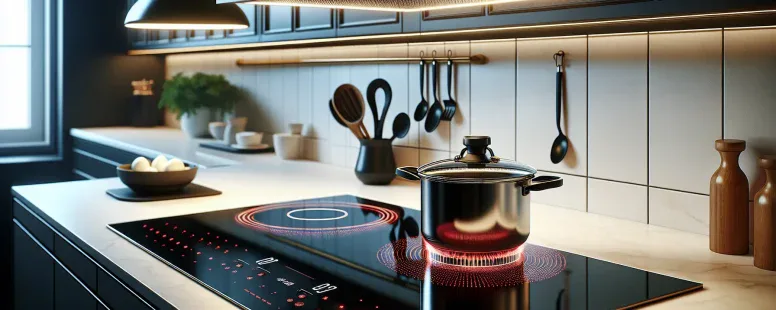
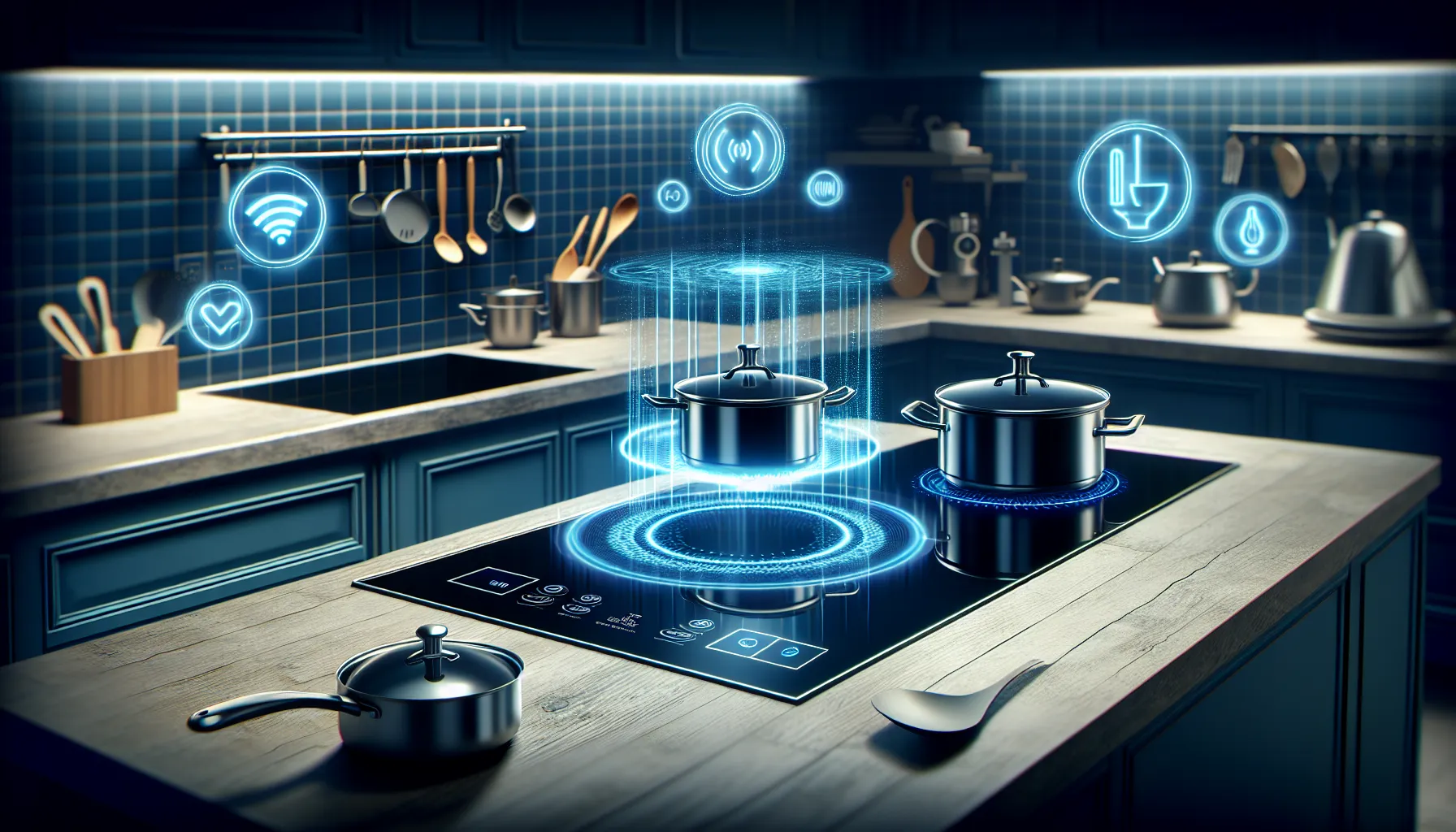
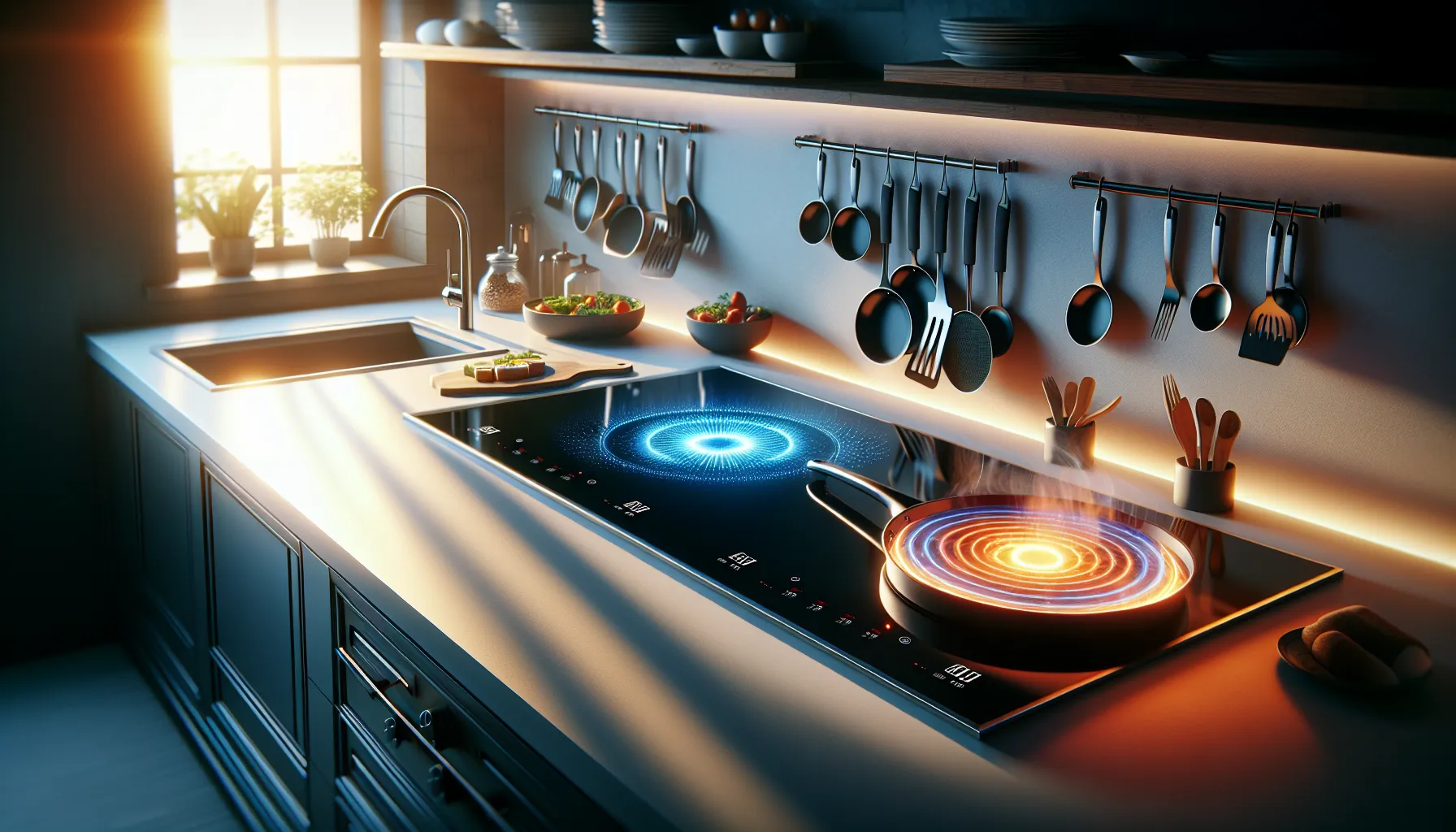
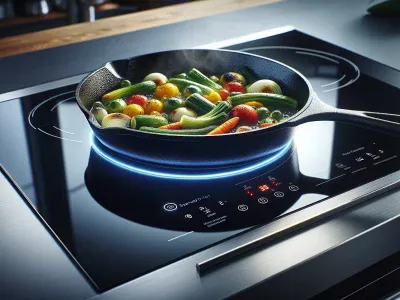
Induction cooktops operate by using electromagnetic fields to directly heat cookware made of ferromagnetic material. This process occurs without heating the cooktop surface itself, allowing for efficient and precise heat control.
Advantages of Induction Cooktops
Induction cooktops offer several advantages, such as rapid heating times, energy efficiency, and an easy-to-clean surface due to minimal heat transfer to the surrounding area.
Potential Drawbacks of Induction Cooktops
While beneficial, induction cooktops may require investments in compatible cookware, and their availability might be limited depending on regional distribution.
Exploring Electric Cooktops
The Functionality of Electric Cooktops
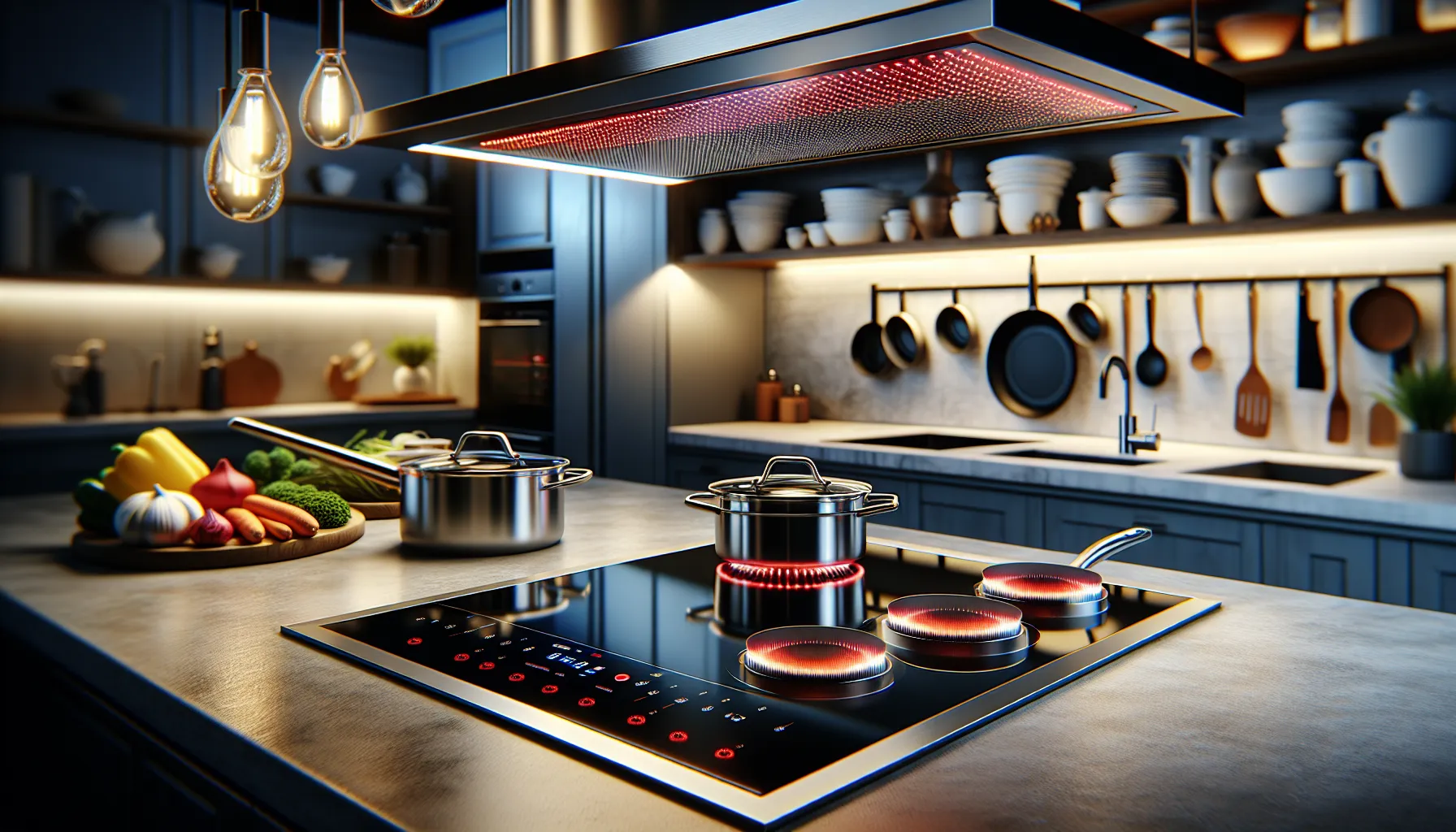
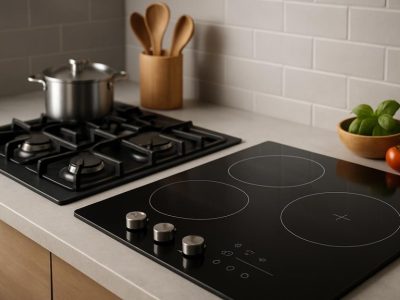
Electric cooktops use electrical resistance to heat metal coils or a ceramic surface, which then transfers heat to cookware placed on top.
Benefits of Electric Cooktops
Electric cooktops are widely available, compatible with a variety of cookware, and often cost-effective for initial purchase and installation.
Challenges with Electric Cooktops
But, electric cooktops may have slower heating times compared to induction and retain residual heat on their surfaces, posing a potential safety concern.
Comparing Induction and Electric Cooktops
Energy Efficiency
Induction cooktops are generally more energy-efficient due to direct heat application, whereas electric cooktops may lose more energy during heat transfer.
Cooking Performance
In terms of precision and speed, induction cooktops often surpass electric models, making them a favorite for chefs and cooking enthusiasts.
Usability and Versatility
Electric cooktops are simpler to use and accommodate a wider range of cookware compared to the specialized requirements of induction models.
Safety Considerations
Induction cooktops are safer as their surfaces remain cooler during cooking, reducing the risk of burns. Electric cooktops, being heated, require caution after use.
Which One Should You Choose?
Choosing between an induction and electric cooktop largely depends on your specific needs, budget, and cookware preference. Consider factors like safety needs, energy efficiency priorities, and cooking habits.
To provide the best experiences, we use technologies like cookies to store and/or access device information. Consenting to these technologies will allow us to process data such as browsing behaviour or unique IDs on this site. Not consenting or withdrawing consent, may adversely affect certain features and functions.
Functional
Always active
The technical storage or access is strictly necessary for the legitimate purpose of enabling the use of a specific service explicitly requested by the subscriber or user, or for the sole purpose of carrying out the transmission of a communication over an electronic communications network.
Preferences
The technical storage or access is necessary for the legitimate purpose of storing preferences that are not requested by the subscriber or user.
Statistics
The technical storage or access that is used exclusively for statistical purposes.The technical storage or access that is used exclusively for anonymous statistical purposes. Without a subpoena, voluntary compliance on the part of your Internet Service Provider, or additional records from a third party, information stored or retrieved for this purpose alone cannot usually be used to identify you.
Marketing
The technical storage or access is required to create user profiles to send advertising, or to track the user on a website or across several websites for similar marketing purposes.