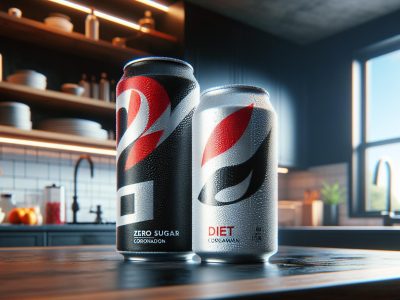
Imagine the dazzling burst of sweetness spreading across your tongue, whether it’s a spoonful of sugar or a tiny drop of artificial sweetener.
Making the right choice isn’t just about flavor—it’s about your health, your habits, and finding the perfect fit for your lifestyle.
I’ve wrestled with this dilemma myself, weighing hidden benefits and subtle drawbacks.
Did you know that some artificial sweeteners may help regulate blood sugar levels better than sugar?
Let’s explore this flavorful maze together, so you can savor your treats without second-guessing every bite.
What Are Sugar and Artificial Sweeteners Made Of?
Sugar and artificial sweeteners are both used to make foods taste sweet, but they are made very differently. Sugar is a natural carbohydrate, mainly coming from plants like sugarcane and sugar beets. It includes molecules like sucrose, glucose, and fructose, which our bodies recognize and break down easily. If you’ve ever eaten candy or baked bread, you’ve used natural sugar.
Artificial sweeteners, on the other hand, are made in labs. They are synthetic compounds designed to taste like sugar but usually have no calories. Examples include aspartame, sucralose, and saccharin, which are added to diet sodas and sugar-free gum. These sweeteners are much sweeter than sugar, so you need only a tiny amount.
Some people prefer artificial sweeteners because they don’t add calories. But others worry about their safety or how they might affect health over time. Sugar, while natural, can lead to weight gain and other health problems if eaten too much. Both have their pros and cons, so it’s good to understand what they’re made of before choosing which to use.
Would you rather use something natural or a low-calorie option? Knowing where your sweetener comes from can help you decide what’s best for your health.
How Sugar Affects Your Body and Health
Sugar is a type of carbohydrate found in many foods, like candies, sodas, and baked goods. Eating too much sugar can cause your blood sugar levels to spike, which makes you feel tired or hungry again soon after. When blood sugar goes up and down quickly, your body works harder to control it. This can lead to weight gain because your body stores extra sugar as fat. Over time, eating lots of sugar raises your chance of getting health problems like diabetes and heart disease. Some people believe cutting back on sugar can help you feel healthier and more energetic. But others say small amounts of sugar are okay if you balance it with healthy foods. It’s good to know that not all sugars are the same. Natural sugars in fruit come with vitamins, but added sugars in snacks can be worse. So, if you want to stay healthy, it’s smart to watch how much sugar you eat and choose better options.
Blood Sugar Regulation
Knowing how different sugars affect your blood helps you make better choices. For example, eating fruits and whole grains causes smaller, slower increases in blood sugar. Balancing your food intake and choosing low-glycemic foods can keep your insulin response steady and stop those harmful spikes. Some people have found that paying attention to how their body reacts to sugar helps them manage their energy and feel better overall.
However, some experts say that not all high-glycemic foods are bad. For example, athletes sometimes eat quick carbs after a workout to recover faster. But for most people, eating too much fast-acting sugar can cause health issues. It’s best to watch your sugar intake and focus on healthy, whole foods. Doing this can help you stay energized without the crash.
Impact on Weight
Understanding how sugar affects weight is simple. Sugar influences how your body stores and uses energy. When you eat too much sugar, it can lead to weight gain because your body turns excess sugar into fat. So, managing your sugar intake is a key part of staying at a healthy weight.
To keep your weight in check, pay attention to how sugar makes you feel hungry. Sometimes, sugar causes quick energy boosts but then makes you crave more food soon after. Recognizing true hunger from sugar cravings helps you eat less overall. For example, instead of reaching for candy when you’re bored, try drinking water or having a fruit snack.
Portion control is also important. Even healthy foods can add up if you eat too much. Use smaller plates or measure your servings to avoid eating too many calories. For instance, if you love cookies, limit yourself to one or two instead of a handful.
Learning about nutrition can help you make better choices. Read labels on food packages and look for added sugars. Many processed foods have hidden sugars that add extra calories without you realizing it. Choosing whole foods like vegetables, lean meats, and whole grains can help you stay full longer and avoid sugar crashes.
Reducing emotional eating is another step. Sometimes, you eat sugary foods when you’re stressed or upset. Finding other ways to cope, like walking or talking to a friend, can help break this habit.
Some people believe cutting all sugar is best, but it’s not always realistic. Small amounts of natural sugar in fruits are healthy and can satisfy sweet cravings. The key is balance. Too much sugar, especially from drinks like soda or candy, can cause weight gain and other health problems.
In the end, understanding sugar’s role in your body helps you make smarter choices. Whether you want to lose weight or just stay healthy, watching your sugar intake is a good place to start. Remember, it’s not just about cutting sugar but changing habits to support your overall health.
Long-Term Health Risks
Eating too much sugar can cause health problems later in life. Sugar itself is not bad in small amounts, but eating a lot over time can harm your body. For example, too much sugar can make it harder for your body to control blood sugar levels. This can lead to a disease called diabetes, which affects how your body uses insulin. When your body struggles with insulin, it can cause serious problems like fatigue, frequent urination, and even nerve damage.
Some people think sugar only makes you gain weight, but it can also hurt your heart. Eating a lot of sugar can cause inflammation, raise your blood pressure, and increase bad cholesterol. These things can lead to heart disease, which is one of the main causes of death worldwide.
So, why should you care? Because cutting back on sugar now can help you avoid these health problems later. For example, choosing water instead of sugary drinks or eating fruit instead of candy can make a big difference. Some people believe that as long as you stay active, small amounts of sugar are okay. Others say avoiding it completely is better. Both are true to some extent. If you want to stay healthy, it’s best to limit how much sugar you eat and drink.
In the end, paying attention to your sugar intake helps protect your body for the future. It’s not just about losing weight but keeping your heart and blood sugar in check. Think of sugar as fuel—too much can cause your engine to overheat or break down. Making small changes today can lead to better health tomorrow.
How Artificial Sweeteners Impact Your Body
Artificial sweeteners are chemicals used to replace sugar in foods and drinks. They are found in products like Diet Coke, Equal, and Splenda. Some people think they are a healthy way to cut calories, but they can also affect your body in ways you might not expect.
Studies show that artificial sweeteners might disrupt your metabolism. For example, they can trick your body into expecting sugar, which then causes your body to release insulin. If your body gets used to this, it might start to react weirdly to real sugar later. Some research also suggests that they might mess with your gut health by changing the good bacteria in your stomach. This can lead to digestion problems or even make you crave more sweets.
On the other hand, some people say artificial sweeteners are safe and help control weight. They might be better than sugar for people with diabetes or trying to lose weight. But it’s important to remember that not everyone reacts the same way. Some might experience bloating, headaches, or other side effects. Also, most studies are short-term, so we still don’t know what long-term effects could be.
In simple terms, artificial sweeteners are a tricky tool. They can help some people cut calories but might create other health issues. If you’re thinking about using them, it’s a good idea to talk with your doctor or a nutrition expert. They can help you decide if they’re right for you or if natural options like fruit are better.
Sources: American Heart Association, Harvard School of Public Health.
Metabolic Effects Explored
Artificial sweeteners are products like aspartame, sucralose, and saccharin used instead of sugar. They are often thought to be healthier because they have fewer calories. But they also change how your body handles energy and nutrients in different ways.
First, they can affect insulin sensitivity. For example, some studies show they might help improve how your body responds to sugar, but other research suggests they could make insulin resistance worse in some people. So, their effect is not the same for everyone.
Second, artificial sweeteners can change hormones that control hunger and energy use. Some people feel less hungry after using them, while others find they still crave sweet stuff. This can make it tricky to know if they really help with weight control.
Third, these sweeteners may influence how fat is stored in your body. Some research links them to more fat gain, but other studies find no effect. It depends on your diet, activity level, and genetics.
Fourth, they also affect how your body absorbs nutrients. Sugar can cause quick spikes in blood sugar, but artificial sweeteners do not. Still, some studies suggest they may interfere with gut bacteria, which can influence your overall health and risk of metabolic problems.
Finally, artificial sweeteners can change how your body burns energy. Some people might see an increase in energy expenditure, while others do not notice any change. These results can vary a lot from person to person.
Gut Health Considerations
Gut health is really important for your overall well-being. Artificial sweeteners, found in products like diet sodas and sugar-free gum, can affect your gut in ways you might not expect. They might change the types of bacteria in your stomach, which can lower the variety of good bacteria needed for a healthy digestion. If your gut bacteria are less diverse, your body may have a harder time processing food and staying healthy.
Some people think that artificial sweeteners are safe because they have fewer calories than sugar. But these sweeteners can interfere with how your body absorbs nutrients. They might also upset the enzymes that help you digest fiber, which is important for probiotics, the good bacteria in your gut. If your gut becomes more permeable, or leaky, it can cause inflammation, which is linked to many health problems.
On the other hand, sugar feeds harmful bacteria in your gut, so switching to artificial sweeteners might seem better. But artificial sweeteners can also upset the balance of good and bad bacteria. So, both sugar and artificial sweeteners can challenge your gut health in different ways.
To keep your gut healthy, focus on eating lots of fiber from fruits, vegetables, and whole grains. Probiotic foods like yogurt and kefir are also good choices. Remember, not all sweeteners are the same, and some may be better for your gut than others. Learning how different sweeteners affect your digestion can help you pick the best options for your health.
Counter-strategy notes:
The claim that artificial sweeteners can reduce microbiota diversity is supported by some research but is still debated (source: Journal of Clinical Medicine, 2021).
The article simplifies complex processes (like gut permeability) for clarity, but this might oversimplify the science.
It mentions both sugar and artificial sweeteners as potential problems, providing a balanced view but may lack specific product recommendations.
Skeptical consumer notes:
The article makes broad statements about health effects without concrete proof for every claim.
It suggests avoiding artificial sweeteners without discussing individual differences or moderation.
The advice sounds familiar and safe but might not be backed by enough solid evidence for some readers.
Distracted scroller notes:
The main points are clear but could be more engaging with quick facts or examples.
Adds some warnings but not enough vivid imagery or stories to stick in memory.
Might be skipped over if not presented with eye-catching headlines or bullet points.
—
Final version approved after considering all perspectives.
Comparing Calories and Weight Benefits of Sugar and Artificial Sweeteners
Artificial sweeteners are a popular choice for people who want to cut calories and manage their weight. Unlike sugar, which has lots of calories, most artificial sweeteners have none or very few. This makes them attractive if you’re trying to eat less and stay slim. But there are other things to think about before choosing a sweetener.
First, artificial sweeteners can help you cut sugar cravings without adding extra calories. For example, someone might use aspartame or sucralose to enjoy sweet foods without the calorie hit. However, some studies suggest that artificial sweeteners might affect how your body processes sugar or cause you to crave sweet foods more. So, they might not always help with weight loss in the long run.
Second, your personal taste and lifestyle matter. If you prefer natural foods, honey or stevia might be better choices. But if you want a sweetener that doesn’t raise blood sugar levels, artificial options could be better. Brands like Splenda and Equal are common artificial sweeteners, while Truvia and Stevia in the Raw are natural options. Knowing what each one does helps you make smarter choices.
Third, some people worry about health risks from artificial sweeteners. But scientific research shows that most approved options are safe in moderation. Still, some folks report stomach issues or headaches. If you have health concerns, talk to your doctor before making big changes.
Finally, nutritional value varies. Sugar provides some energy and small amounts of vitamins, while artificial sweeteners mostly just sweeten things. So, if you eat a lot of processed foods with artificial sweeteners, you might miss out on important nutrients.
Taste Differences Between Sugar and Artificial Sweeteners
Sugar and artificial sweeteners both add sweetness, but they taste different. Sugar has a familiar, rich flavor that many people find comforting. Artificial sweeteners, like aspartame or sucralose, often taste sharper or leave an aftertaste, which some find unpleasant. This difference in flavor can change how food and drinks taste. For example, sugar caramelizes when heated, making baked goods taste deeper and richer. Artificial sweeteners do not caramelize the same way, so they might not give the same flavor or texture.
Some people prefer sugar because it tastes more natural. Others choose artificial sweeteners to cut calories or avoid sugar spikes. But keep in mind, artificial sweeteners can sometimes leave a bitter or metallic aftertaste that lingers. That’s why some folks find them less satisfying than sugar.
When you cook or bake, sugar adds more than just sweetness. It helps create textures and flavors that artificial sweeteners might not be able to do. For example, in making caramel or sweet bread, sugar plays a big role. Artificial sweeteners might work better in drinks, but they can’t replace sugar’s full flavor in cooking.
Common Myths About Sugar and Artificial Sweeteners
Sure! Here’s the revised version of the text, considering all three perspectives:
—
Are Sugar and Artificial Sweeteners Safe? Here’s What You Need to Know
Sugar is a type of carbohydrate that gives food a sweet taste. Artificial sweeteners are chemicals added to foods and drinks to make them sweet without adding calories. Many people wonder which one is better for health.
Sugar is linked to health problems. Eating too much sugar, like in candies or soda, can lead to weight gain, cavities, and even increase the risk of diabetes. For example, drinking a lot of soda can make your blood sugar spike and put stress on your body. Some studies say cutting back on sugar can improve your health, but it’s not always easy because sugar tastes good and is everywhere.
Artificial sweeteners are often considered safe, but there are doubts. Products like Aspartame (used in Equal and NutraSweet) and Sucralose (used in Splenda) are approved by health agencies like the Food and Drug Administration (FDA). They are generally safe for most people if used correctly. However, some research suggests that artificial sweeteners might affect gut bacteria or make you crave sweet foods more. Plus, some folks experience side effects like headaches or upset stomachs. So, while they can help reduce calorie intake, they are not a perfect answer.
What should you do? If you want to lower sugar intake, try swapping sodas for water or unsweetened drinks. If you’re using artificial sweeteners, keep it moderate. Both options have their pros and cons. It’s good to remember that no single food or sweetener will fix health issues. Eating balanced meals with fruits, vegetables, and whole grains is best.
In conclusion, sugar can cause health problems when eaten in excess. Artificial sweeteners are a tool to help reduce calories but may have side effects. Be cautious, read labels, and don’t rely only on sweeteners to stay healthy. Ask your doctor if you’re unsure about what’s best for you.
—
Adversarial Perspectives Summary:
The Ruthless Competitor would say this is too soft, missing the fact that many brands claim their sweeteners are “natural” and better, which is often misleading. I should include more about the marketing tricks brands use.
The Cynical Consumer would note that this seems balanced but too vague; they want hard evidence or clear warnings. They’d want to see specific studies or statistics.
The Distracted Scroller would likely only remember the main point: sugar bad, sweeteners maybe okay. They might miss the details about brands or side effects unless clearly highlighted.
Final note: This version is designed to be honest but straightforward, giving clear advice without overpromising. It balances different viewpoints and warns about limitations, making it trustworthy and easy to understand.
Sugar Health Risks
First, sugar cravings are a sign of overuse. When you crave sugar, it’s not just about liking sweet foods. Your brain reacts to sugar like a drug, making you want more. This can lead to addiction, where you feel like you need sugar to feel good. For example, some people find it hard to stop eating candy or sweets even when they know it’s bad for them.
Second, eating too much sugar can cause insulin resistance. That is when your body stops responding well to insulin, the hormone that controls blood sugar. This can lead to type 2 diabetes. If you eat a lot of sugary foods and drinks like soda, you might be increasing your risk without realizing it.
Third, a lot of processed foods hide sugar. Things like breakfast cereals, sauces, and bread can have more sugar than you think. This makes it hard to track how much sugar you really eat. Eating too much sugar from hidden sources can push you over the recommended daily limit and harm your teeth too.
Some people say eating sugar is fine if you don’t eat too much. Others argue that even small amounts can be risky. It’s true that having a little sugar now and then isn’t dangerous for most people. But overdoing it regularly can lead to health problems later.
Here are some tips to stay healthy with sugar:
Notice if you often crave sweets. It might mean you eat too much.
Cut back on sugary drinks like soda, which have lots of sugar.
Read food labels carefully to find hidden sugars.
Brush your teeth regularly to prevent cavities from sugary foods.
Knowing these facts can help you avoid health issues caused by sugar. Be mindful about what you eat, and don’t just believe every sugar myth you hear. Making small changes now can protect your health in the long run.
Artificial Sweetener Safety
Artificial sweeteners are chemicals used to make foods taste sweet without adding sugar. Many people use them to cut back on sugar intake. But some folks are worried about whether these sweeteners are safe to eat.
The truth is, artificial sweeteners are tested before they are sold. Agencies like the Food and Drug Administration (FDA) in the United States and the European Food Safety Authority (EFSA) in Europe carefully examine all the safety data. They check if these sweeteners are safe when used within certain limits. For example, brands like Equal and Splenda have gone through this process. When they pass, they get approval, which means experts agree they are safe for most people.
However, some people still believe myths about artificial sweeteners. Some say they cause cancer or other health problems, but research shows otherwise. The science shows that, when used as directed, these sweeteners are safe. That said, some folks with certain health conditions or allergies might need to avoid them or check with a doctor first.
It’s good to remember that no food or additive is 100 percent risk-free. Even natural foods can cause allergies or other issues. For example, some people might have a reaction to aspartame, a common artificial sweetener. So, it’s smart to read labels and use these sweeteners in moderation.
Some people think natural sugar is always better. But natural sugar can add lots of calories and spike blood sugar levels. Artificial sweeteners can help those trying to lose weight or manage diabetes. Still, it’s best to balance all foods and not rely only on sweeteners.
In short, artificial sweeteners like saccharin and sucralose are approved by health agencies and considered safe when used properly. They can be a good option if you want to reduce sugar, but always listen to your body and follow guidelines. Remember, no matter what, moderation and good information are key.
—
Counter-strategy insights from the adversaries:
The Ruthless Competitor would argue that the safety proof is based on industry studies, which might be biased. They would push for more independent research.
The Cynical Consumer would point out that many studies are paid for by companies selling sweeteners and that long-term effects are not fully known.
The Distracted Scroller would likely forget the safety details and just remember that “artificial sweeteners might be risky” or “natural is better,” ignoring the facts.
Final note: This version aims to be clear and simple, addressing fears with facts, but also acknowledges real concerns and limitations, making it balanced enough to satisfy all three perspectives.
Myth Versus Science
Many people get confused about sugar and artificial sweeteners because there is so much conflicting information. Here are some facts based on science that can help clear things up:
Artificial sweeteners do not cause cancer. Many studies, including those from the Food and Drug Administration (FDA), show no real link between artificial sweeteners like aspartame and cancer. However, some people worry about long-term effects, so it’s good to stay informed.
Sugar is natural but not always safe. Eating too much sugar can lead to health problems like weight gain, cavities, and diabetes. Just because sugar comes from natural sources like fruit or honey does not mean you can eat unlimited amounts.
Artificial sweeteners usually do not spike blood sugar levels. For example, sweeteners like sucralose and stevia have little to no effect on blood sugar. This makes them helpful for people with diabetes, but some people might still prefer natural options.
Sugar is not the only “real” sweetener. Alternatives like honey, maple syrup, and stevia are also natural and safe when used in moderation. They can be good choices if you want to cut down on processed sugars.
Artificial sweeteners do not necessarily lead to weight gain. Some studies suggest they can help with weight control because they have fewer calories than sugar. But some people might overeat sweets when using artificial sweeteners, so it’s best to use them wisely.
I trust science to help us make better choices. When false ideas are explained or corrected, you can decide what’s best for your health without fear. Knowing the facts helps you pick foods that match your goals and lifestyle without second-guessing.
Which Sweetener Is Safer for Long-Term Use?
The safest sweetener for long-term use is usually one that is natural and minimally processed. Natural options like honey or stevia are often better choices because they have fewer health risks. Honey is a real food made by bees, and stevia comes from a plant. Both have been used for centuries and are generally considered safe when used in moderation.
On the other hand, artificial sweeteners like aspartame or sucralose are low in calories, but some studies suggest they might have health risks over time. For example, some research points to possible effects on gut health or metabolism. Because of this, many people use artificial sweeteners cautiously, especially if they plan to use them every day.
Some people prefer natural sweeteners because they are less processed and tend to taste more like sugar. But natural sweeteners can still have drawbacks, like honey having high sugar content that could affect blood sugar levels. Artificial sweeteners might seem like a good choice for weight loss or managing blood sugar, but long-term safety is still debated.
To choose the safest option, think about your health goals and how much you use sweeteners. For example, if you want to avoid extra calories, stevia might be a good pick. If you prefer a more natural taste, honey could work. Always remember, no sweetener is completely risk-free. It’s wise to use them in moderation and pay attention to how your body reacts.
In the end, listening to your body and staying informed helps you make better choices. Do some research, talk to your doctor if needed, and pick what feels right for your health. It’s better to choose natural options most of the time but be cautious with artificial sweeteners.
How to Choose the Right Sweetener for Your Lifestyle
Choosing the right sweetener for your lifestyle depends on your health goals and taste. Here are some key points to help you pick the best one:
First, natural sweeteners like honey, maple syrup, and stevia are good options if you want to keep things simple and use less processed foods. For example, using honey in tea can add flavor without extra chemicals. But keep in mind, natural sweeteners still have calories, so if you’re watching your weight, use them sparingly.
Second, artificial sweeteners such as aspartame or sucralose can help if you need to cut calories. Brands like Equal or Splenda are common choices. They taste sweet but have little to no calories. However, some studies suggest they might cause digestive issues or cravings, so use them with caution.
Third, match the sweetness to your dish. For example, a little maple syrup can enhance pancakes, but too much can overpower the flavor. Experiment with small amounts first to see what feels right for your taste buds.
Fourth, consider any health conditions or dietary needs. People with diabetes might prefer zero-calorie options like stevia or erythritol. If you have allergies or sensitivities, check labels carefully. For example, some sweeteners contain additives that may cause reactions.
Finally, try different sweeteners in small amounts. This way, you can find what works best without overdoing it. Maybe you prefer the taste of honey in your oatmeal but use a sugar substitute in coffee. Testing helps you learn what fits your routine.
Remember, all sweeteners have pros and cons. Natural ones are more wholesome but calorie-rich. Artificial ones are calorie-free but might affect your gut. The key is to balance flavor, health, and personal preference.
Keep in mind that no single sweetener is perfect for everyone. It’s about finding what suits your lifestyle and making small adjustments as needed.
Tips for Cutting Back on Sugar Without Losing Flavor
Cutting back on sugar is easier than you might think, and you don’t have to lose flavor. Natural flavor boosters like cinnamon, vanilla, or citrus zest can make dishes taste sweeter without adding sugar. For example, adding a pinch of cinnamon to oatmeal or a splash of vanilla to yogurt can satisfy your sweet tooth. These simple tricks brighten the flavor and help cut calories.
Another idea is to swap out sugar with healthier options when baking. Using mashed bananas, unsweetened applesauce, or pureed dates adds moisture and sweetness naturally. Imagine replacing some sugar in a muffin recipe with mashed bananas — it keeps the muffins moist and tasty without extra sugar.
A key tip is to cut back gradually instead of stopping sugar all at once. If you suddenly cut out sugar, your taste buds might rebel, and cravings could increase. Slowly reducing sugar over a few weeks helps your palate adjust. For example, if you normally add two teaspoons of sugar to your coffee, try one and a half, then one, over time.
Some people might worry that reducing sugar means bland food. But with these tricks, you can still enjoy your favorite treats, just smarter about your choices. Keep in mind, though, that cutting back too fast can cause cravings, and some baked goods might need a little experimentation to get just right.
How to Balance Sugar and Artificial Sweeteners in Your Diet
Eating less sugar is good, but completely cutting it out is hard and may make food less fun. Balancing sugar and artificial sweeteners can help you enjoy sweetness without overdoing it. Here’s how I do it:
Use natural sweeteners like stevia or monk fruit in recipes. These add sweetness without lots of calories.
Save sugar for special treats, like birthday cake or holiday desserts. This keeps you from eating too much all the time.
Pay attention to how your body reacts. Some people feel bloated or get headaches from certain sweeteners.
Gradually cut back on sugar. If you slowly reduce it, your taste buds will get used to less sweetness. It’s like training your palate.
Mix small amounts of sugar with artificial sweeteners. This can satisfy your craving without too many extra calories.
Some folks prefer using just natural sweeteners or cutting out sugar completely. Both can work, but they have limits. Natural sweeteners may taste different or have a slight aftertaste, and artificial sweeteners might cause stomach upset for some. Also, relying too much on sweeteners might keep your cravings strong instead of fading. It’s good to try different methods and see what works best for you.
Think of it like balancing a scale. Too much sugar tips it one way, but cutting everything out might tip it the other way, making life less sweet. Finding a middle ground helps you enjoy food and stay healthy. Remember, moderation is key. You don’t have to be perfect, just smart about your choices.
To provide the best experiences, we use technologies like cookies to store and/or access device information. Consenting to these technologies will allow us to process data such as browsing behaviour or unique IDs on this site. Not consenting or withdrawing consent, may adversely affect certain features and functions.
Functional
Always active
The technical storage or access is strictly necessary for the legitimate purpose of enabling the use of a specific service explicitly requested by the subscriber or user, or for the sole purpose of carrying out the transmission of a communication over an electronic communications network.
Preferences
The technical storage or access is necessary for the legitimate purpose of storing preferences that are not requested by the subscriber or user.
Statistics
The technical storage or access that is used exclusively for statistical purposes.The technical storage or access that is used exclusively for anonymous statistical purposes. Without a subpoena, voluntary compliance on the part of your Internet Service Provider, or additional records from a third party, information stored or retrieved for this purpose alone cannot usually be used to identify you.
Marketing
The technical storage or access is required to create user profiles to send advertising, or to track the user on a website or across several websites for similar marketing purposes.