Picture the sizzle of a perfectly seared steak or the gentle hum of a simmering sauce filling your kitchen. Choosing between an electric or gas stove isn’t just about cooking—it’s about how you connect with your food and your space. Each option offers unique advantages that can transform your culinary experience in surprising ways.
You might think one is better, but the truth is more nuanced. From precise temperature control to energy efficiency and even safety, the choice can impact everything from your cooking style to your utility bills. As you weigh your options, understanding these subtle differences will help you find the stove that truly fits your lifestyle and kitchen rhythm.
Overview of Electric and Gas Stoves
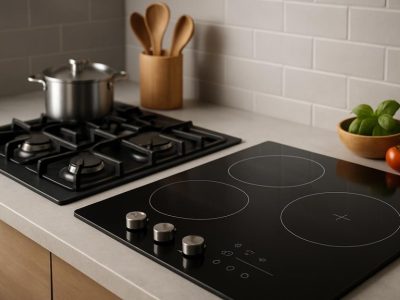
Understanding how electric and gas stoves work helps you recognize their strengths and weaknesses. Each stove type uses distinct technology, influencing cooking results, energy use, and kitchen safety.
How Electric Stoves Work
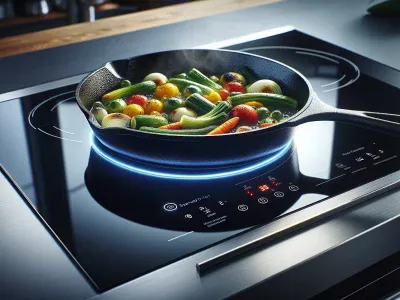
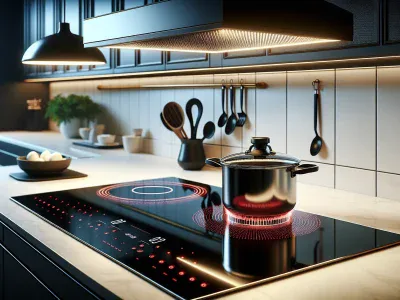
Electric stoves generate heat through electric coils or smooth ceramic-glass surfaces embedded with heating elements. When electricity pass through these elements, it converts into warmth, which transfers directly to your cookware. This process offers consistent and even heat distribution, ideal for slow cooking and simmering.
Electric stoves can take longer to heat up but maintain steady temperatures. For example, an electric coil burner reaches about 450°F in 5 to 7 minutes. This delay might frustrate chefs rushing to prepare meals but rewards with precise temperature control once heated. The smooth glass cooktops also provide easy cleanup, as spills cook down and wipe away effortlessly.
One downside is electric stoves’ heat retention after being turned off, which if ignored, might cause accidental burns or overcooked food. They also depend heavily on electricity availability, which could become problematic during power outages.
How Gas Stoves Work
Gas stoves combust natural gas or propane to create an open flame directly beneath your pans. This direct heating method allows for instant temperature changes and precise control, often favored by professional chefs.
The flame’s intensity changes immediately when adjusting the knobs, offering unparalleled responsiveness. For example, lowering the flame can quickly simmer sauces without the lag electric stoves experience. Many cook enthusiasts prefer gas stoves for this real-time control, making cooking a more intuitive experience.
But, open flames pose potential safety risks, such as gas leaks or fire hazards. Proper ventilation and regular maintenance becomes essential to mitigate these issues. Also, gas stoves leave burner grates and drip pans more difficult to clean compared to the sleek surfaces of electric stoves.
Both stoves present unique advantages and disadvantages rooted in their design and energy sources. Which one fits better depends on your cooking style, kitchen setup, and preferences for convenience versus control. Have you considered how these factors match your daily cooking habits? Understanding their operational nuances becomes the first step toward making an informed choice that enhances your kitchen’s efficiency and your cooking’s enjoyment.
Comparing Performance and Cooking Results
Choosing between an electric or gas stove often hinges on how each performs and impacts your cooking outcomes. Understanding the nuances of heat control, cooking versatility, and temperature consistency can guide you towards the option that fits your culinary needs best.
Heat Control and Responsiveness
Electric stoves deliver heat through coils or smooth ceramic surfaces, creating even warmth thats perfect for simmering or slow cooking. But, they lack the instant flair you get from gas flames; adjustments in temperature take seconds, sometimes longer, to reflect. Gas stoves react immediately, allowing you to raise or lower heat with precision as you cook. This immediate response can make all the difference, especially when you’re searing steak or making delicate sauces that demand swift temperature shifts.
Cooking Versatility
Gas stoves excel in adaptability, supporting a wide array of cookware types—from cast iron skillets to wok pans—thanks to their open flames that distribute heat directly. They accommodate high-heat cooking techniques like stir-frying or char-grilling indoors. Electric stoves, meanwhile, often restrict you to flat-bottomed pots and pans for optimal heat transfer, which slightly narrows your cooking options. Yet, they enable even baking temperatures, making them ideal for recipes that need slow, steady heat.
Temperature Consistency
Electric cooktops maintain consistent temperatures over time because of their steady heating elements that hold and spread warmth evenly. This quality benefits dishes like custards or sauces, which must cook without sudden heat spikes. Gas burners, while quick to adjust, create hotspots and variations across a pan’s surface, sometimes leading to uneven cooking. But, this variability can be harnessed by experienced cooks to multitask on different parts of the burner or achieve specific textures.
Stove Type
Heat Control
Cooking Versatility
Temperature Consistency
Electric
Slower adjustment
Best for flat-bottom cookware, baking
Steady, even temperature ideal for slow cooking
Gas
Instant adjustment
Supports diverse cookware types
Variable heat distribution with hotspots
Each stove type offers distinctive performance benefits that impacts not only how food cooks but also your engagement with the process. Which matters more may depend on your style—do you crave precision under your fingertips or reliable steady heat? Picture searing a steak and quickly dialing down the flame versus patiently waiting for coils to cool; that contrast defines the cooking experience you’ll embrace daily. Your choice shapes not only your kitchen’s heart but also your culinary adventures.
Energy Efficiency and Cost Considerations
Energy efficiency and cost play major roles when choosing between electric and gas stoves. You want a stove that balances performance with economical operation to lower your utility bills without sacrificing cooking quality.
Energy Consumption of Electric vs Gas
Electric stoves convert nearly 74% of the electrical energy into heat for cooking, according to the U.S. Department of Energy, while gas stoves use about 40-55% of the fuel’s heat output effectively. Electric models heat elements directly, reducing waste, but if your electricity comes from fossil fuels, your overall carbon footprint may be higher. Gas stoves burn natural gas or propane, which usually costs less per unit of energy than electricity, yet releases combustion byproducts into your kitchen.
Picture this: your electric stove cooks food evenly but might take longer to reach temperature, whereas a gas stove’s flame provides instant heat control but loses more heat to the surrounding air. If you often cook quick meals or use high heat, gas could save time and energy. But, if your meals require precise, steady temperatures, electric stoves avoid unnecessary energy spikes.
Operating and Maintenance Costs
Operating costs include energy bills and routine upkeep. Gas stoves typically have lower monthly fuel costs but demand annual checks for leaks and burner efficiency, potentially costing $100 to $200 in services over time. Electric stoves usually need less maintenance but the cost to repair ceramic-glass surfaces or coil elements can runs higher than gas burner repairs.
Suppose you live in an area with high electricity rates; your monthly expenses with an electric stove might soar compared to gas. Conversely, if your local gas supply fluctuates in price or is unavailable, electric stoves provide steady predictable costs.
You could weigh these factors by checking your average local utility rates and estimating usage. A basic calculation of BTUs for gas versus kilowatt-hours for electricity can guide your decision. For example, cooking for a family of four daily uses approximately 8,000-10,000 BTUs per hour on a gas stove, while an electric stove pulls about 2 kWh per hour on medium heat.
Taking into account your cooking style, frequency, and fuel costs, you might find gas stoves offer cost savings over time with faster heat delivery. Yet, electric stoves minimize emissions indoors and reduce maintenance hassles – a clear trade-off in energy efficiency and expenses.
Understanding these energy efficiency and cost considerations ensures you make an informed kitchen upgrade that syncs with your lifestyle and budget.
Safety and Environmental Impact
Choosing between an electric or gas stove involves weighing safety and environmental effects just as much as cooking performance. Understanding these aspects shapes not only your kitchen’s atmosphere but also the planet’s future.
Safety Features and Risks
Electric stoves minimize open flames, reducing fire hazards and burnt-food incidents. Their stable, flat surfaces prevent pots from tipping. Yet, hot coils or glass tops remain a burn risk, especially for children. Gas stoves offer instant heat control via flame adjustment, but leaked gas poses explosion and carbon monoxide dangers if not detected early. According to the U.S. Consumer Product Safety Commission, gas leaks account for thousands of household accidents annually. Installing carbon monoxide detectors and routine maintenance greatly lowers these risks. In situations where you value immediate heat changes and vigilance is high, gas stoves excel; but if you prioritize passive safety and fewer hazards, electric models better fit the bill.
Environmental Concerns and Emissions
Electric stoves’ impact depends heavily on your region’s power sources. If electricity comes from renewables, your carbon footprint shrinks dramatically. In contrast, regions relying on coal generate more emissions per kilowatt-hour, raising electric stoves’ environmental cost. Natural gas stoves emit methane, a potent greenhouse gas, both during combustion and through leaks. The Environmental Defense Fund highlights that methane leaks from gas appliances contribute significantly to climate change. On the flipside, gas stoves produce less carbon dioxide than coal-based electricity, showing the complexity in comparing these fuels. Would you accept a slightly higher energy bill to shift towards cleaner electricity, or prefer the immediate warmth and efficiency of gas knowing it comes with emissions? Your choice influences household emissions and contributes to global environmental challenges.
Stove Type
Primary Safety Feature
Main Safety Risk
Environmental Impact Factor
Electric
No open flame, stable hot surfaces
Burn injuries from hot elements
Depends on electricity source
Gas
Instant flame control
Gas leaks, carbon monoxide
Methane emissions, fossil fuel use
Your decision between electric and gas stoves turns on how you balance these practical concerns and environmental values. Picture your kitchen as a microcosm of the world, where each flick of a burner ignites a ripple effect beyond the walls. Analyze your environment, assess your lifestyle, and consider how your stove choice could spark a safer, cleaner future for your home and the planet.
User Convenience and Installation
Choosing between electric and gas stoves impacts your daily cooking experience and kitchen setup. This section breaks down how each stove type fares in ease of use, cleaning, and installation flexibility to help you navigate practical considerations smoothly.
Ease of Use and Cleaning
Electric stoves bring simplicity to your cooking routine with flat, smooth surfaces that wipe clean quickly after spills. You won’t find stubborn food bits hiding under burners like you might on a gas stove’s grates. But, electric cooktops can stay hot long after turning off, which needs your attention to avoid accidental burns—something less common with gas flames that visibly extinguish.
Gas stoves shine when you require instant heat adjustments. They let you tweak flame intensity precisely, making tasks like searing meat or flambéing straightforward. That said, their open burners and removable grates accumulate grease and food debris, requiring more frequent scrubbing. If you love multitasking but hate scrubbing, electric stoves save time, but if precise heat control reigns supreme in your kitchen, a bit of extra cleaning might worth it.
Installation Requirements and Flexibility
Electric stoves usually only need a compatible electrical outlet, making installation quicker and less complicated in most kitchens. They don’t demand gas lines or ventilation upgrades, so if you live in an apartment or a home without existing gas infrastructure, electric units tend to be your best option. Installing a gas stove involves hooking up natural gas or propane lines, which not only increases upfront costs but also requires certified professionals to ensure safety and compliance with local codes.
Also, gas stoves often need adequate ventilation to prevent indoor air pollution from combustion byproducts. If your kitchen lacks a robust exhaust system, electric stoves, which produce no flames or combustion gases, offer a cleaner and healthier environment. Have you considered how much effort you want to put in before your first meal on the new stove? Your answer clarifies which installation hassle fits your lifestyle.
Installation Factors
Electric Stove
Gas Stove
Power Source
Standard electrical outlet
Natural gas or propane line
Installation Complexity
Lower; plug and play
Higher; professional setup needed
Ventilation Requirement
Minimal; no combustion emissions
Necessary; vent hood recommended
Kitchen Suitability
Ideal for apartments and retrofit
Best for homes with gas access
Making a choice based on your kitchen’s infrastructure and your willingness to handle installation complexities can save you unexpected delays and expenses. Consider visiting local appliance stores or consulting professionals to assess your space better before committing. Your convenience begins with smart planning.
Conclusion
Choosing between an electric or gas stove comes down to what fits your cooking style, budget, and home setup best. Both have clear benefits and trade-offs, so focusing on what matters most to you will make the decision easier.
Whether you prioritize quick heat control, energy efficiency, safety, or environmental impact, there’s a stove option designed to match those needs. Taking the time to weigh these factors ensures you invest in a stove that enhances your kitchen experience for years to come.
To provide the best experiences, we use technologies like cookies to store and/or access device information. Consenting to these technologies will allow us to process data such as browsing behaviour or unique IDs on this site. Not consenting or withdrawing consent, may adversely affect certain features and functions.
Functional
Always active
The technical storage or access is strictly necessary for the legitimate purpose of enabling the use of a specific service explicitly requested by the subscriber or user, or for the sole purpose of carrying out the transmission of a communication over an electronic communications network.
Preferences
The technical storage or access is necessary for the legitimate purpose of storing preferences that are not requested by the subscriber or user.
Statistics
The technical storage or access that is used exclusively for statistical purposes.The technical storage or access that is used exclusively for anonymous statistical purposes. Without a subpoena, voluntary compliance on the part of your Internet Service Provider, or additional records from a third party, information stored or retrieved for this purpose alone cannot usually be used to identify you.
Marketing
The technical storage or access is required to create user profiles to send advertising, or to track the user on a website or across several websites for similar marketing purposes.