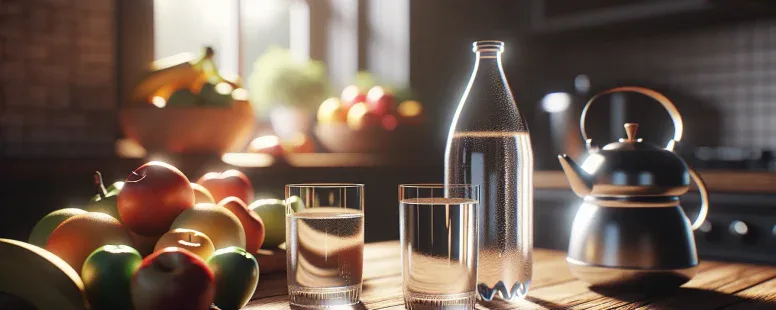
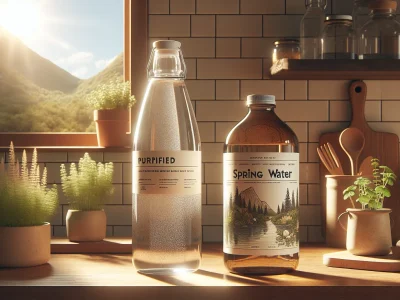
Picture pouring a glass of water so clear it catches the light like crystal, yet behind that shimmer lies a world of unseen differences. You reach for a bottle labeled “purified” or “distilled” and wonder—does it really matter which one quenches your thirst? The answer might surprise you.
Choosing between distilled and purified water isn’t just about taste or clarity. It’s about the journey each drop takes before it reaches your lips. Some methods strip away everything, leaving water almost empty of minerals, while others preserve subtle traces that can influence flavor and even health. Unlocking these distinctions could change the way you hydrate, cook, or care for your family. Curious about which water is best for your needs? Let’s immerse and explore what sets them apart.
Understanding Distilled Water
Distilled water involves a process that strips away impurities at a molecular level, leaving you with water in its purest liquid form. When you consider the science behind distillation, it might surprise you just how much effort and precision goes into producing a single clear drop.
How Distilled Water Is Made
Making distilled water starts with boiling regular water. As it heats, water molecules turn into steam, leaving minerals like calcium, magnesium, and sodium chloride behind. The steam travels through a cooling system, where it condenses back into liquid, free from most contaminants and dissolved solids. Labs like the Centers for Disease Control and Prevention (CDC) identify this method as one of the most reliable for removing common pathogens and pharmaceuticals present in tap water. If you’ve ever seen dew appear on grass in the morning, distillation mimics this natural process but intensifies and purifies it. When you pour distilled water into a glass, you’re holding the product of evaporation, condensation, and separation—nature on fast-forward.
Common Uses of Distilled Water
Distilled water fills crucial roles where purity matters most. Hospitals use it for sterilizing equipment, making medical solutions, and in respiratory devices like CPAP machines. Engineers choose distilled water for cooling laboratory instruments, topping up car batteries, or mixing photographic chemicals, since minerals might damage sensitive machinery. Aquarium hobbyists, for example, select distilled water to ensure fish and reptiles don’t get harmed by chlorine or hard minerals often present in tap water. Some coffee lovers prefer brewing with distilled water because it lets the true flavor notes of single-origin beans come through—not masked by local minerals. , though, why distilled water tastes flat? Removing everything except H₂O leaves it flavorless, with no electrolytes or dissolved solids, like rainwater before it touches the earth. That’s why most people don’t drink it as their primary hydration source; it’s technically pure yet missing the subtle mineral fingerprint your body’s used to.
Exploring Purified Water
Purified water tells a story that goes beyond invisible threats—it’s about trust in every sip. While you might see “purified” on a bottle and picture crystal lakes untouched by civilization, the reality’s rooted in science and proven techniques.
Methods of Purification
Methods for purifying water ranges from familiar filters to high-tech systems. Filtration, for example, uses activated carbon or ceramic elements to trap sediment, chlorine, and some chemicals—Brita filters in kitchens provide a classic example. Reverse osmosis, a favorite in both households and food factories, pushes water through a semi-permeable membrane, stripping out minerals, salts, lead, and even fluoride (EPA, 2022). UV purification dazzles by breaking down microbes’ DNA with powerful light beams, while deionization exchanges ions to remove minerals and metals, often in electronics manufacturing.
Picture the journey of a single drop—from tap, through carbon granules, then the sharp pressure of reverse osmosis, and finally zapped by UV, all before meeting your glass. Each step answers a different health or taste concern. If your water tastes like a swimming pool after filtration, chlorine likely wasn’t fully removed. On the other hand, in desert regions, towns sometimes rely on reverse osmosis plants, ensuring nearly every molecule in their tap water is H₂O and almost nothing else.
Typical Applications of Purified Water
Typical uses of purified water might surprise you. Coffee shops and bakeries often invest in professional-grade filtration to highlight subtle flavors in espresso and bread—no metallic aftertaste can compete. Hospitals fill IV bags with purified water to protect vulnerable patients from contaminants (CDC, 2023). Biologists in biotech labs use deionized water because even a whiff of sodium can ruin centuries of DNA research, what could be more disastrous?
Ever noticed some aquariums sparkle brighter than diamond shops? That’s usually the handiwork of purified water, guarding sensitive species from nitrate spikes. Breweries and cosmetics labs also depend on purification to control quality batch after batch—consistency is king when you’re making skin cream or ale.
Pause and ask, can any method make your tap water safer than bottled brands? With a little research and the right technology, your own kitchen can rival the water purity behind medical miracles or championship-level coffee.
Key Differences Between Distilled and Purified Water
Distilled and purified water emerge from different journeys, carrying distinct qualities affecting what pours into your glass. Recognizing their differences means making informed decisions for you and your family, whether you’re brewing coffee or filling an aquarium.
Purification Processes Compared
Distilled water flows from a singular, old-fashioned process—boiling. Producers heat water until it turns to steam, then collect and condense that steam, leaving minerals and contaminants behind. Hospitals and laboratories trust this method because, as CDC notes, distillation eliminates pathogens like bacteria, viruses, and even pharmaceuticals commonly found in urban water sources.
Purified water travels a more flexible road. Modern purification taps into filtration, reverse osmosis, UV treatment, and deionization. Each method targets certain pollutants. For example, reverse osmosis filters out lead and chlorine, UV knocks out bacteria, and deionization strips charged mineral ions. Think of a bakery ensuring every loaf rises perfectly or a biotech lab shielding delicate experiments—each relies on tailored water purification, not just distillation’s single path.
Mineral Content and Taste
Distilled water loses almost all minerals during boiling. Sipping it, you’ll notice a flatness—it’s the ghost of water, stripped of both flavor and nuance. That’s why many coffee aficionados swear by purified water with some preserved minerals. These minerals, like calcium and magnesium, frame the taste and mouthfeel, turning a simple glass of water or a pot of soup into something rounder and more alive.
Purified water may retain beneficial minerals, depending on how it’s cleaned. A reverse osmosis system, for example, can remove nearly everything but sometimes leaves a touch of mineral content, adding taste and metabolic benefit. Baristas, chefs, and competitive aquarists often debate which blend of mineral content lets their coffee, bread, or tropical fish shine brightest. Have you ever tasted tea brewed with distilled water alongside the same tea made with spring or RO-purified water? The difference can surprise you.
Cost and Accessibility
Distilled water usually sits on store shelves in gallon jugs, priced higher on average than mass-produced bottled water. The energy needed for boiling and the slow pace of collection limits production scale. Hospitals and scientific facilities buy it in bulk, prioritizing purity over price.
Purified water, using filtration or RO systems, brings lower costs per gallon when used at home. Installing a high-quality filter can make daily hydration safer and budget-friendly over time. Municipal tap water, purified on demand, powers households, restaurants, and offices where bottled distilled options seem impractical. Small town clinics, remote pet stores, and family-run bakeries each weigh the balance of cost and convenience—the right filter, as Consumer Reports (2022) points out, can level the safety and taste between pricey bottled brands and unfiltered tap.
Next time you choose, ask yourself: Do you value flavor, safety, or convenience most? Your answer shapes every sip.
Which Is Better: Distilled or Purified Water?
People debate distilled and purified water at lab benches, kitchen sinks, and conference tables. Distilled water’s purity tempts you with the promise of “zero compromise.” Purified water dazzles with versatility, keeping some minerals while filtering out the rest. Which reigns supreme kinda depends on what drives your decision: health, convenience, or something as subtle as taste?
Health Considerations
Your body relies on minerals like calcium, magnesium, and potassium—substances often missing in distilled water. Drinking only distilled water for months can lead to mineral depletion, especially if your diet lacks leafy greens, nuts, or dairy. Some doctors, like Dr. Sheldon G. Sheps (Mayo Clinic), warn that relying on mineral-free water for hydration may lower your body’s electrolyte balance just enough to cause mild symptoms—fatigue or muscle cramps spring to mind. On the other hand, purified water—using methods like reverse osmosis or carbon filtration—filters microbes, lead, chlorine, and select pharmaceuticals, yet might leave traces of healthy minerals intact.
In Flint, Michigan, residents sought home filtration systems (NSF/ANSI 53 certified) to remove lead because purified water offered safer hydration. Still, if your tap water source is already high quality, distillation kinda seems like overkill, right?
Suitability for Household and Medical Use
Distilled water steps into surgical suites, CPAP humidifiers, autoclaves, and science labs—settings where 99.9% purity isn’t a preference, it’s protocol. Hospitals use ASTM Type II or III distilled water to prevent infection. Aquarium hobbyists fill tanks with distilled water to prevent cyanobacteria blooms, while battery manufacturers require it to avoid mineral buildup that shortens equipment life.
Purified water, in contrast, serves home kitchens and coffee shops just as well. Bakers use purified water in sourdough, where minerals enhance yeast activation. Breweries filter municipal water with reverse osmosis, blending minerals back in for a specific flavor profile. Homeowners with filtration pitchers (e.g., Brita, PUR) prep ice, tea, baby bottles, and pasta in minutes, without boiling.
If your routine mingles health, convenience, and taste, then purified water often shines in everyday life—unless strict control over every contaminant matters most, which is where distilled wins. So next time, think about what’s coming out of your tap, what’s going into your glass, and what story you want your water to tell.
Conclusion
Choosing between distilled and purified water really comes down to your unique needs and preferences. Whether you’re focused on taste, health benefits, or convenience, understanding the differences helps you make the best decision for your home and lifestyle.
Take a moment to think about what matters most to you and your family. With the right information and a little research, you can feel confident about the water you drink and use every day.
To provide the best experiences, we use technologies like cookies to store and/or access device information. Consenting to these technologies will allow us to process data such as browsing behaviour or unique IDs on this site. Not consenting or withdrawing consent, may adversely affect certain features and functions.
Functional
Always active
The technical storage or access is strictly necessary for the legitimate purpose of enabling the use of a specific service explicitly requested by the subscriber or user, or for the sole purpose of carrying out the transmission of a communication over an electronic communications network.
Preferences
The technical storage or access is necessary for the legitimate purpose of storing preferences that are not requested by the subscriber or user.
Statistics
The technical storage or access that is used exclusively for statistical purposes.The technical storage or access that is used exclusively for anonymous statistical purposes. Without a subpoena, voluntary compliance on the part of your Internet Service Provider, or additional records from a third party, information stored or retrieved for this purpose alone cannot usually be used to identify you.
Marketing
The technical storage or access is required to create user profiles to send advertising, or to track the user on a website or across several websites for similar marketing purposes.