How To Tell Crystal From Glass
In our daily lives, we often come across various types of glassware, but few are as captivating as crystal. This shimmering material, known for its elegance, often raises the question: How can we tell crystal from ordinary glass? As we explore this fascinating topic, we will uncover the distinct characteristics that set crystal apart, allowing us to appreciate the beauty and craftsmanship behind each piece. Imagine hosting a dinner party and effortlessly distinguishing between your fine crystal wine glasses and the everyday glassware. What if we told you that, with just a few keen observations, we could elevate our appreciation for these exquisite items? Let’s embark on this journey together, peeling back the layers of history, science, and artistry that define crystal versus glass.
Understanding Crystal and Glass
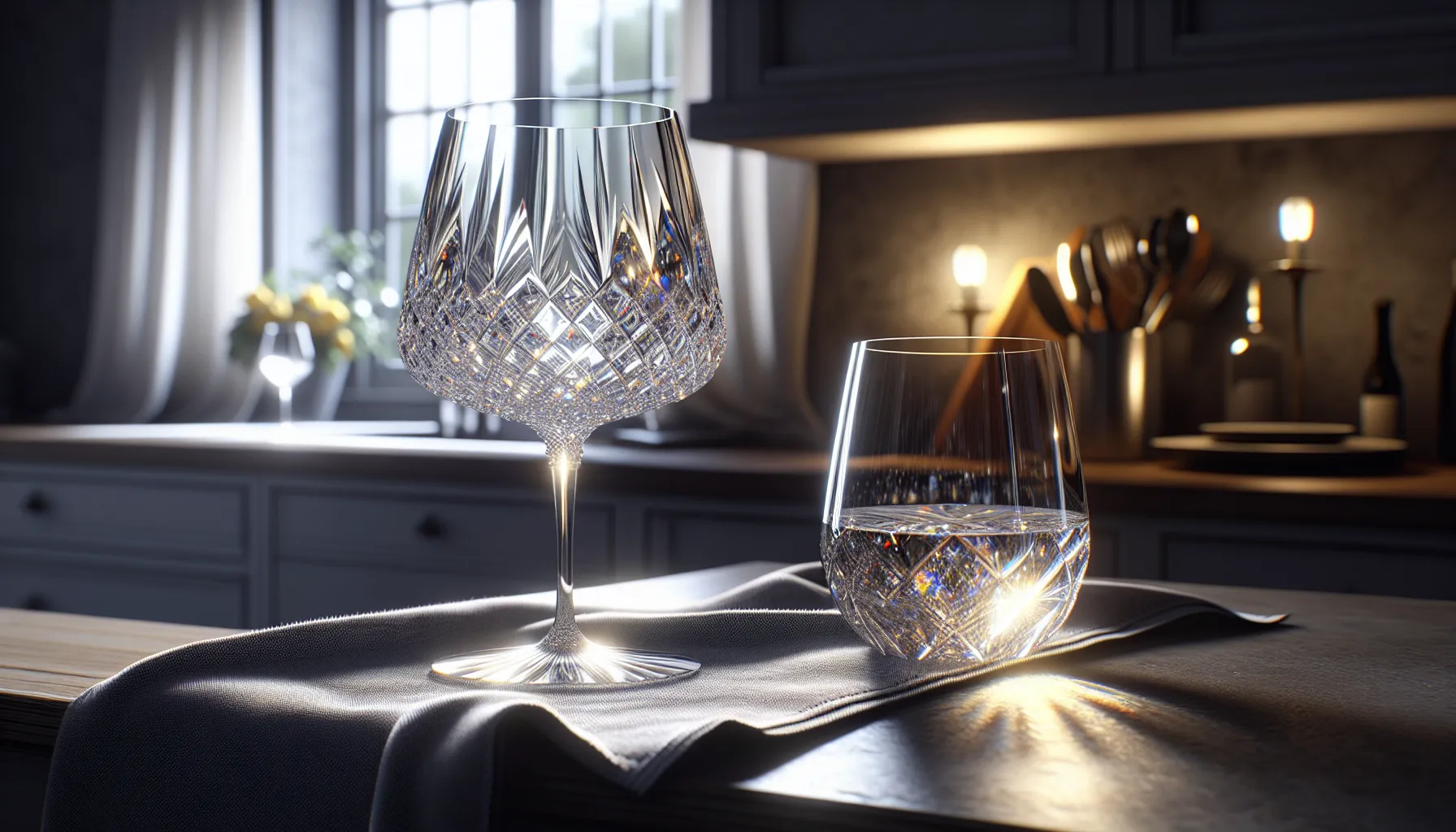
To truly grasp the differences between crystal and glass, we first need to understand what each substance is made of. Glass is typically composed of silica, soda, and lime, forming a solid structure when heated and cooled. In contrast, crystal contains additional minerals, most notably lead oxide, which enhances its clarity and brilliance. This elevated content not only changes the composition but also affects how each one interacts with light. The same principle of composition-based identification applies across the metals world too — our guide on how to tell brass from bronze shows how subtle differences in alloy composition reveal themselves through colour, weight, and sound.
The Substance That Separates Them
When we think of glass, we might envision everyday items like windows or drinkware, while crystal evokes memories of ornate chandeliers or elegant stemware. The extra minerals in crystal not only add to its shimmer but also give it a distinct sound when tapped, unmistakably setting it apart from glass.
Historical Background of Crystal and Glass
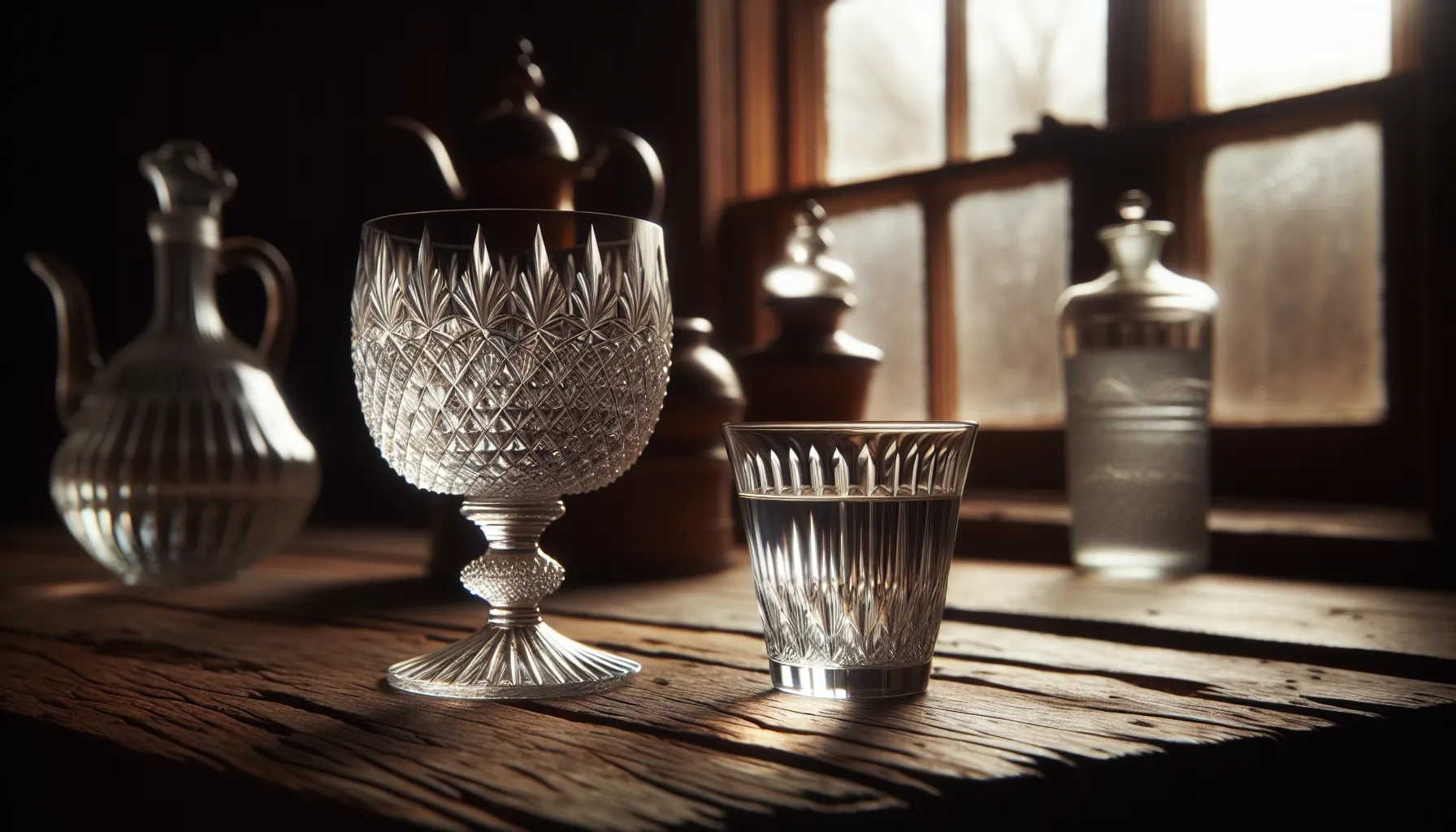
The history of glassmaking dates back over 4,000 years, originating in Mesopotamia. Initially, glass was used primarily for beads and small ornaments. As the craft evolved, techniques improved, leading to the creation of colourful glass and later, refined glassware.
The Age of Crystal
Crystal emerged in the 17th century, particularly in Europe, as artisans began to experiment with lead oxide to enhance glass’s properties. This innovation not only heightened its clarity but also allowed for intricate designs and cut patterns. The first known crystal glass was created in England in the early 18th century, marking the beginning of a new era in the glassmaking industry.
Cultural Significance
Throughout history, both glass and crystal have played significant roles in societal rituals, elevating celebrations and showcasing wealth and artistry. From royal celebrations to humble gatherings, the distinctions have long been recognised, shaping how we view these substances today.
Physical Characteristics
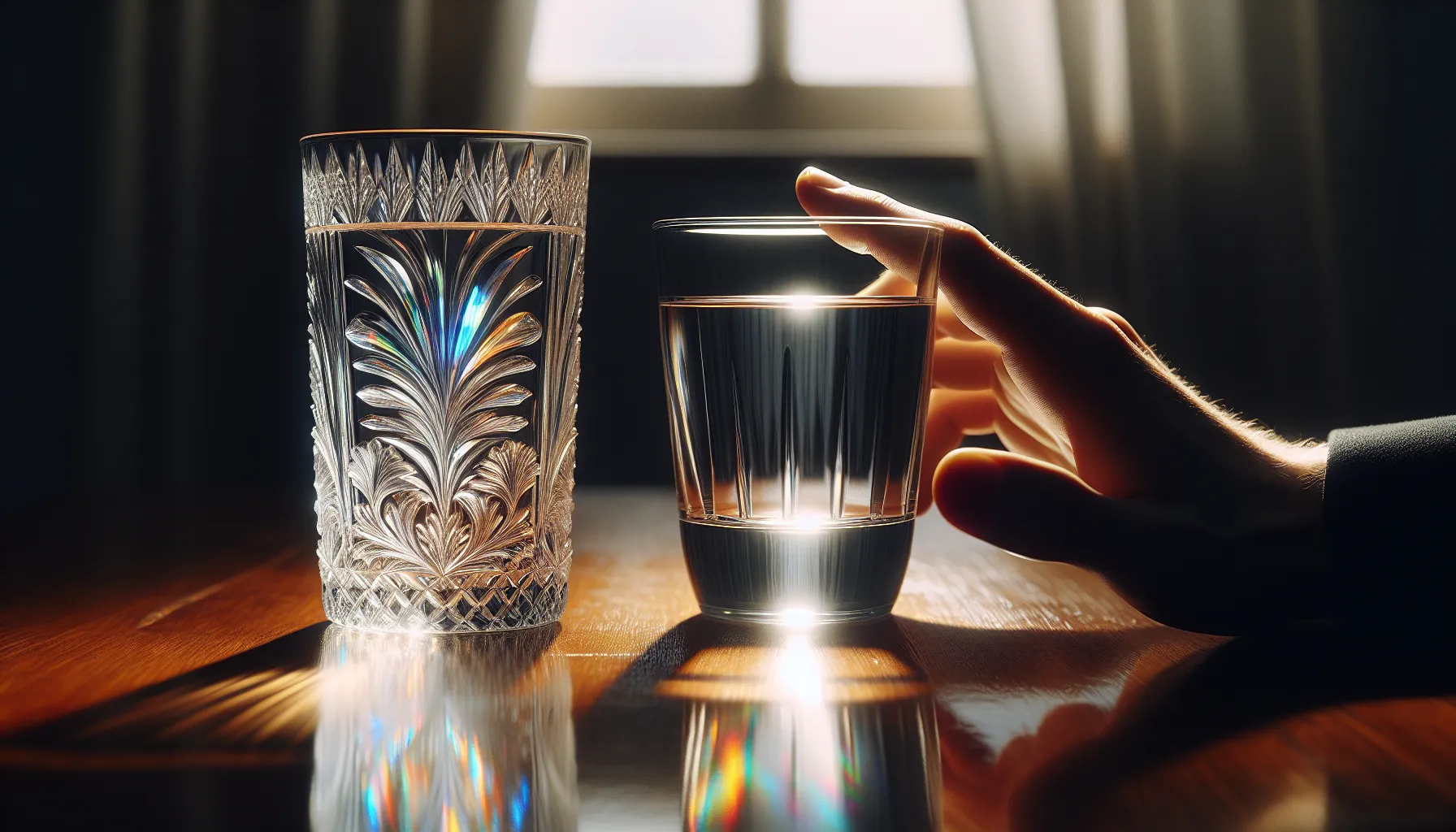
Crystal and glass aren’t just different in terms of materials: they also have distinct physical attributes that we can observe with our senses.
Sound Test: The Ringing Difference
One of the most telling tests is the sound test. If we gently tap a piece of crystal, it produces a melodious, soft ringing sound that resonates longer than glass. Simply tap the edge of a glass and then a crystal item — the crystal lingers with a more musical tone, often described as “ringing,” compared to the dull thud of glass. Tapping as an identification technique works across many materials — our article on how to tell aluminum from stainless steel similarly uses sound alongside visual cues to distinguish two metals that can look nearly identical at first glance.
Weight Comparison: Crystal Versus Glass
Crystal is typically heavier than glass due to its lead content. When we hold a piece of each in our hands, we can feel the subtle difference. The heft of crystal often conveys a sense of quality and luxury that lighter glass items simply cannot match. Weight as a differentiator is a theme across material identification — our article on how to tell pyrite from gold explains how density alone can resolve what appears to be an identical-looking pair of minerals.
Clarity and Light Reflection
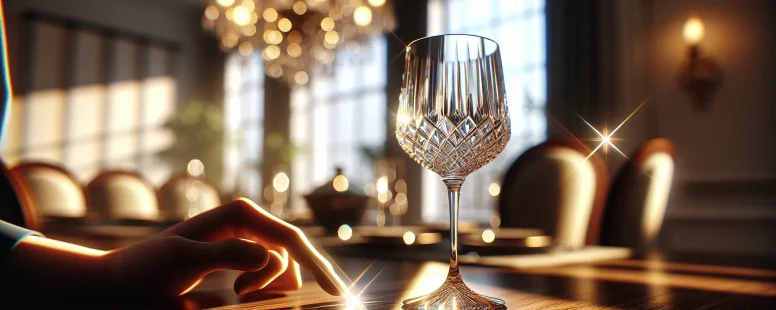
Crystal glass has a higher refractive index, meaning it bends light differently and often results in a heightened sparkle. In natural light, the way crystal catches and reflects light creates a dazzling effect unmatched by regular glass. Holding each type up to the light makes these fantastical differences immediately apparent.
Design and Craftsmanship
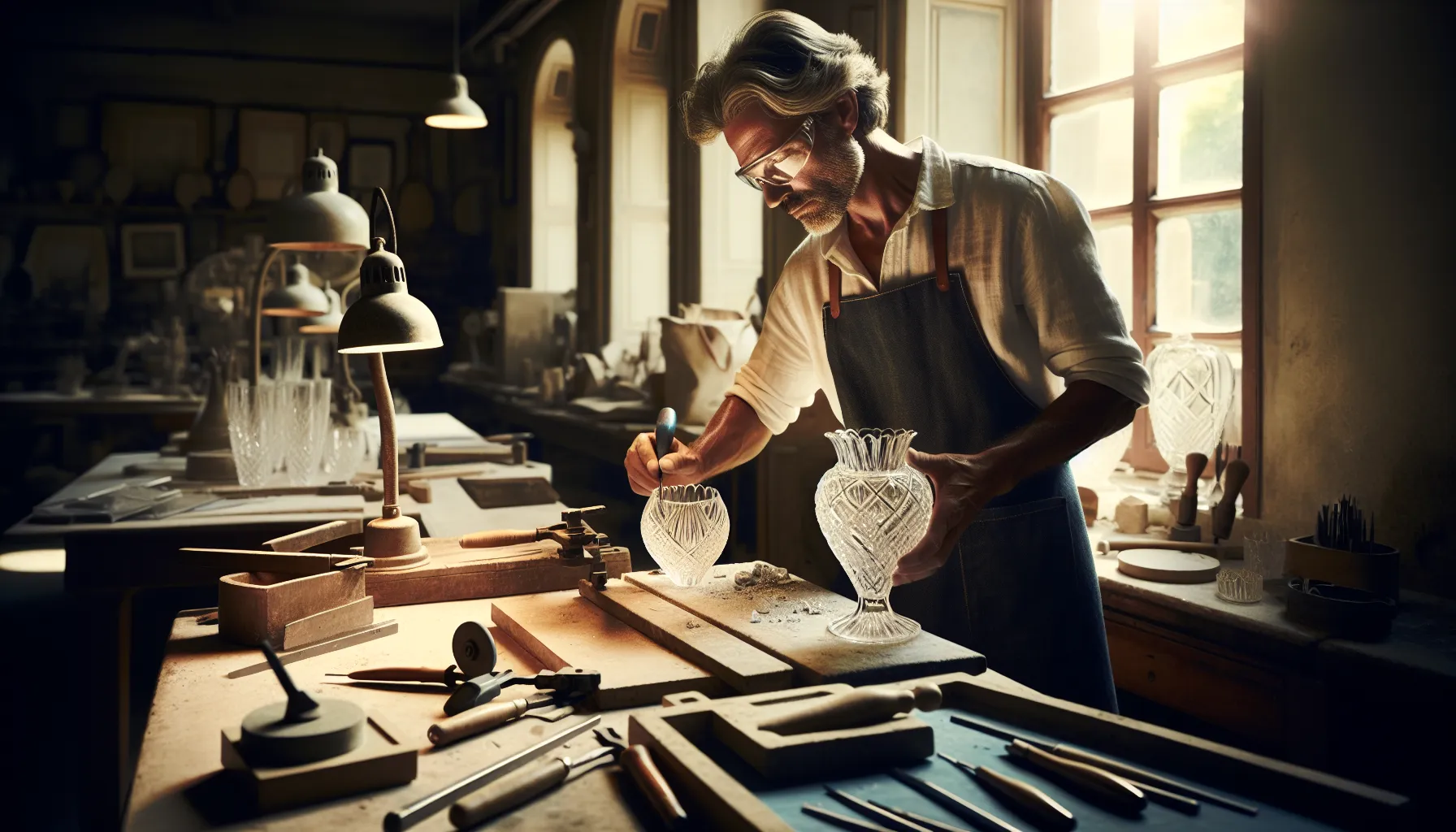
The artistry involved in crafting crystal versus glassware greatly impacts their quality and uniqueness. Crystal is often hand-blown and hand-cut, featuring intricate designs and patterns that showcase the skill of the artisan. These artistic touches can make a simple piece of crystal a true work of art. Recognising the hallmarks of authentic craftsmanship is a skill that extends beyond glassware — it’s the same investigative eye needed to tell real leather from fake, where texture, flexibility, and finish give away the truth on close inspection.
The Art of Hand-Cutting
When we look closely at crystal, we can identify patterns carved into the surface. The deep cuts create facets that reflect light brilliantly and give the glass its signature shine. Glass, on the other hand, is often mass-produced and may lack the unique characteristics that handcrafted pieces offer.
A Look at Modern Designs
In the world of contemporary design, both varieties have their place. While some people cherish old-world craftsmanship in crystal pieces, others appreciate the sleek simplicity of modern glass designs. Examining the emotional connection people have with each can deepen our understanding of their values and preferences.
Manufacturer Marks and Signatures
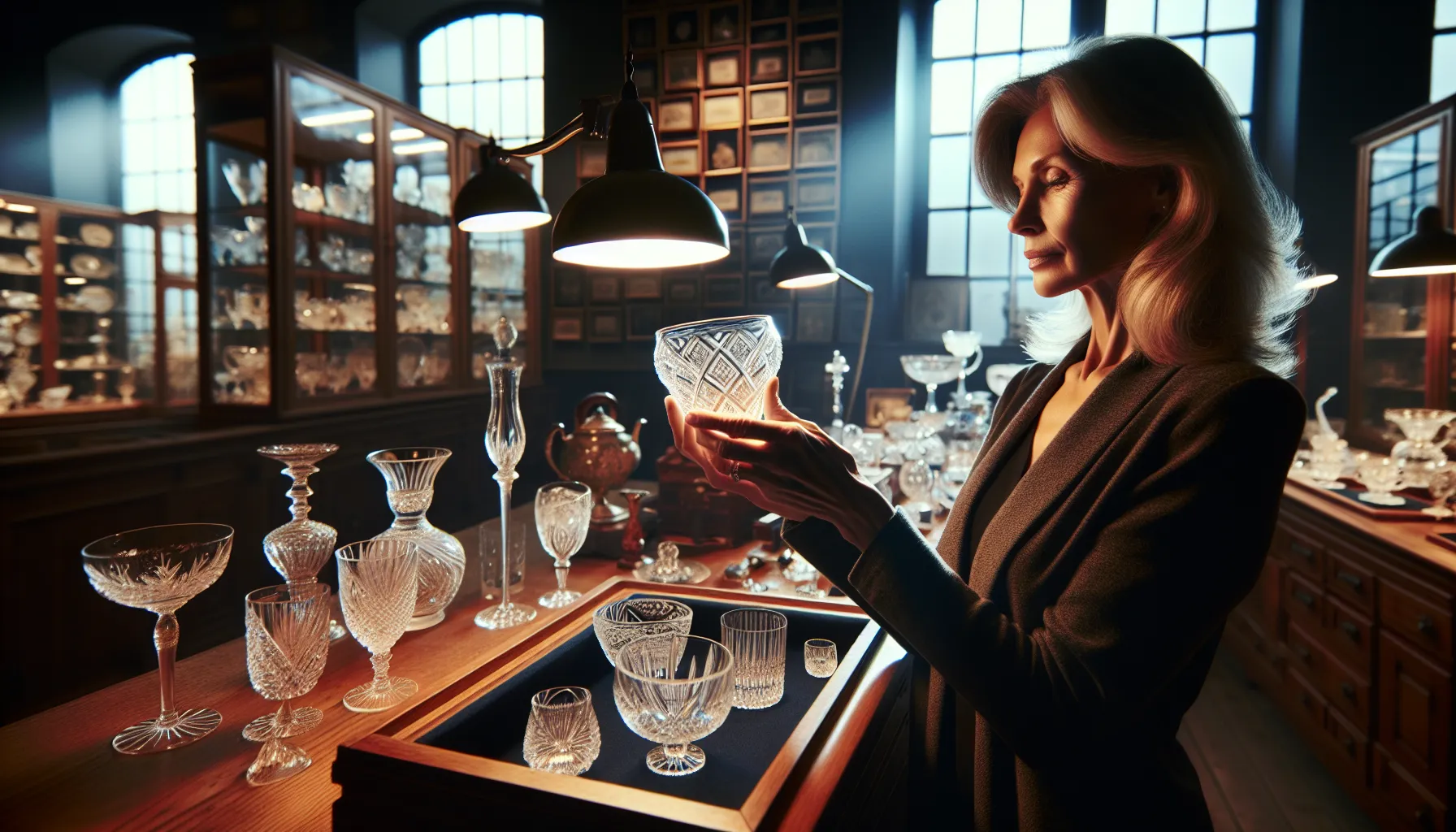
Recognising manufacturer marks and signatures is essential when determining whether a piece is crystal or glass. Various hand markings or etchings can greatly assist us in identifying origins and quality standards.
Practical Tips for Identification
When inspecting a piece, look for any etched marks on the bottom. Reputable crystal manufacturers often inscribe their logo, while glass manufacturers may not. Learning to identify these marks enables informed purchasing decisions. The same investigative approach applies when assessing other fine materials — our guide on how to tell diamond from cubic zirconia walks through the analogous process of distinguishing a precious gem from its synthetic lookalike.
Common Misconceptions
It’s a common misconception that all sparkly glassware is crystal. In reality, there are many synthetic materials and lower-quality glass that can mimic the appearance of crystal. These materials might be shiny, but they lack the weight, clarity, and sound quality typical of true crystal.
Conclusion
Recognising the differences between crystal and glass allows us to appreciate the artistry and craftsmanship behind each piece while making informed choices in our purchases. By examining aspects such as sound, weight, clarity, and design, we enhance our understanding of these materials. Next time we come across a stunning glass item, let’s remember to apply these insights and embrace the beauty and history behind both crystal and glass.

- Pampas Grass vs. Stipa Gigantea - May 31, 2026
- Best Alternatives to Tradingview - May 31, 2026
- Best Substitute for Adderall - May 31, 2026
by Ellie B, Site Owner / Publisher