Deciding which movies are right for kids can feel like navigating a labyrinth of ratings and labels. The difference between a G and a PG rating might seem small, but it’s like the subtle shift from a gentle breeze to a gust—each tells a different story about what’s suitable.
These labels act as a guide, but they can also be a source of confusion. Knowing what each rating truly means can unlock a surprising benefit: helping your family discover films that entertain without crossing boundaries.
Let’s unravel what makes G and PG movies stand apart, so your next family movie night is both enjoyable and age-appropriate.
What Do G and PG Movie Ratings Mean?
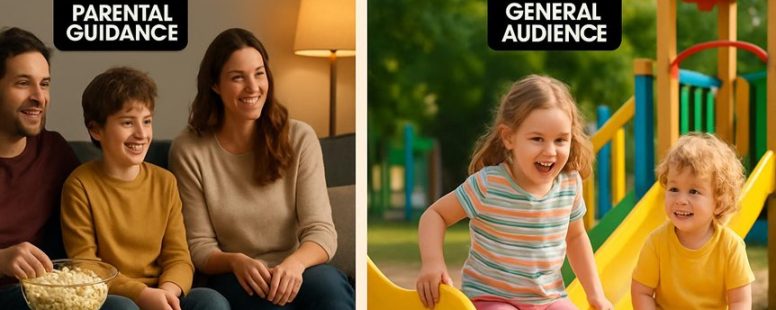
G and PG movie ratings are labels that tell viewers how suitable a film is for different ages. The G rating means “General Audiences,” and it indicates movies that are okay for everyone, including young children. These movies usually don’t have any scenes that might upset or scare kids. For example, animated movies like Disney’s “The Lion King” often have a G rating because they are fun and safe for all ages.
The PG rating stands for “Parental Guidance.” It suggests that some parts of the movie might not be suitable for very young children. Parents might want to watch the movie first or decide if their kids are ready for it. For example, a movie like “Pirates of the Caribbean” might get a PG rating because it has some action scenes that could be intense for small children.
Different countries have their own movie rating systems, and what is rated PG in the United States might be different in other countries. Sometimes, parents get confused because of these differences. But understanding what each rating means can help them choose the right movies for their kids. It helps make sure that children see movies that match their age and maturity level.
Knowing the ratings can also help adults pick movies for themselves. Some movies labeled PG might have mild language or scenes that are better suited for older kids or teens. So, always check the rating and think about what’s best for your family before watching.
How Do G and PG Ratings Differ in Content and Audience?
G and PG ratings are different based on what content they allow and who can watch them. The G rating means “General Audience.” These movies are made for very young children and usually have no or very little inappropriate material. For example, Disney movies like “The Lion King” often have a G rating because they are safe for all ages.
The PG rating means “Parental Guidance.” These movies might include some mild language, light violence, or themes that are not suitable for very young children, but are okay for older kids and pre-teens. Think of a PG movie like “Toy Story 3,” which might have some scenes that need parental guidance but are still generally suitable for children.
Cultural differences can change how strict these ratings are. For example, what is considered mild in the United States might be seen as more intense in another country. Different countries have their own rules for rating movies, which can cause some movies to get different ratings depending on where you are.
Parents should know that these ratings are meant to help choose movies that fit their child’s age and maturity. However, they are not the same everywhere. Sometimes a PG movie in the United States might be too intense for a very young child in another country. It’s always good to read about a film or watch it yourself before letting your child see it.
Which Movies Usually Have a G Rating?
G-rated movies are movies that are suitable for viewers of all ages, especially children and families. These movies usually have simple stories and friendly themes that everyone can enjoy. You often see animated movies like Disney’s “The Lion King” or “Toy Story,” which are fun and easy to understand. Classic movies like “Mary Poppins” or “The Sound of Music” also fall into this category because they are timeless and appropriate for kids.
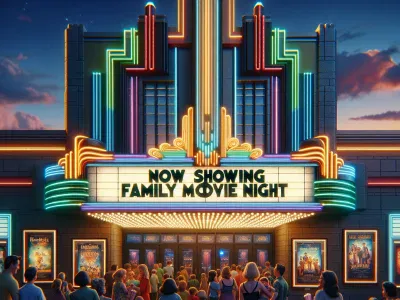
People choose G-rated movies for family movie nights because there is nothing scary, violent, or inappropriate. These movies are made to entertain without upsetting or confusing young viewers. Some parents prefer G-rated movies because they can watch with their children without worrying about bad language or mature topics.
However, it is good to know that not all G-rated movies are equally exciting. Some might be simple or slow, while others are full of adventure and humor. So, it helps to check reviews or ask friends for suggestions.
Family-Friendly Themes
G-rated movies are films that are suitable for all ages, especially children. They focus on themes that are simple, positive, and family-friendly. These movies often teach good morals like kindness, honesty, and friendship. They are a safe choice for parents who want to find movies that kids can enjoy without worries.
G-rated films usually have easy-to-understand stories. For example, a movie about a talking animal or a brave young hero often fits this category. These movies also show good role models who do the right thing, making them great for kids to watch. The humor is light and fun, not scary or violent. Many G-rated films also include educational parts that teach lessons about sharing, caring, or trying your best.
Some parents look at movies with a G rating because they want their children to see content that is gentle and positive. For example, Disney and Pixar movies like “Toy Story” or “Finding Nemo” are popular G-rated options. They entertain children while helping them learn important values.
However, it is good to remember that not all G-rated movies are perfect for every child. Some may have scenes that are too silly or slow. Parents should check reviews or watch the movies first to see if they fit their family’s standards. Also, some movies may be too simple for older kids, so it’s good to pick films that match your child’s age and interests.
Animated or Classic Films
Animated and classic films are generally considered suitable for all ages, making them popular for family movie nights. These movies often have a G rating because they tell simple stories with friendly characters and positive messages. For example, Disney movies like “The Little Mermaid” or “Beauty and the Beast” are classic films that many families enjoy.
G-rated animated films usually have clear and engaging voice acting, which helps characters feel real and fun. The animation is often colorful and smooth, catching kids’ attention without being too intense or scary. Think about how Disney’s bright images and cheerful music keep children entertained.
Some older cartoons or animations also have G ratings because they avoid complex themes or violence. These movies are made to entertain children safely. They use voice acting and bright animation to tell charming stories that everyone can enjoy.
However, some parents worry about content that might be too silly or simple for older kids. While these films are safe, they might not hold the interest of older children or adults looking for more depth. Also, some animations may seem outdated or less exciting compared to modern movies.
Why Are Some Movies Rated PG Instead of G?
A PG rating means a movie is suitable for most children but might have a little more content than a G-rated film. Unlike G movies, which are very simple and safe for everyone, PG movies can include mild language, some scary scenes, or themes that are better for older kids. For example, a movie with a few jokes that are a little sarcastic or a scene with mild action might get a PG rating.
Why is this? Because the movie makers want to tell a story that appeals to children but also includes elements that might not be perfect for very young viewers. Sometimes, a scene that shows a character feeling scared or sad is enough to make the film PG instead of G.
There are two main viewpoints on PG movies. Some parents think PG movies are fine as long as they watch with their kids because they are not too intense. Others believe that even mild content should be avoided for young children, so they prefer G movies.
It is good to remember that PG movies are not always for all kids. Some scenes, even if mild, might scare or confuse younger children. Always check the movie’s rating and read a quick summary to decide if it is right for your child.
Content Slightly More Mature
A PG rating means a movie is suitable for most kids but might have some content that is a little more mature than a G movie. It is not as strict as G but still appropriate for many children. The main reason some movies get a PG rating is because of certain elements that parents might want to think about before letting their kids watch.
One reason is language. Some films might include mild swear words or phrases that are not suitable for very young children. For example, a character might say “oh my gosh” instead of a stronger phrase, but some movies might include words like “crap” or “hell” that older kids understand better.
Another reason is themes. Some movies explore tricky topics like family conflicts, fears, or misunderstandings. These are not inappropriate but might be more relatable for older kids. For example, a story about a family fighting or a character dealing with anxiety might be included.
Humor is also a factor. Jokes that are more complex or require a little more understanding might be better suited for kids who are a bit older. For instance, a funny scene might be based on a joke older children find amusing while younger children might not get it.
Lastly, cultural differences can affect ratings. What is acceptable in one country might be seen differently elsewhere. For example, a scene that shows a mild disagreement might be okay in the United States but considered too intense in another country.
Some parents might worry about these elements, but a PG movie is still meant to be safe for most children. It’s a way to show that the film might include content that older kids can handle but still remains generally appropriate for younger viewers. So, if you see a movie with a PG rating, it usually means some content might be better suited for children a little older, but most can enjoy it with a parent’s guidance.
Intended For Older Viewers
A PG rating on a movie means it is suitable for most kids but may include some content that older viewers will understand better. Unlike G-rated movies, which are simple and appropriate for everyone, PG films often have jokes or references that are aimed at teenagers or adults. For example, a movie might include humor based on pop culture or situations that kids might not fully get, but older viewers will find funny or interesting.
Some movies get a PG rating because they want to reach a wider audience, including older kids and adults. For example, a family comedy might have funny jokes about sports or school that older kids and parents understand better. These movies can entertain a bigger group, but they avoid content that is too mature for kids.
On the other hand, some people think PG movies should be more careful with what they include because younger children might still watch them. Some movies with mild language or cultural jokes might still be fine for teens but not for young children.
Are G and PG Movies Safe for Young Kids?
G and PG movies are designed to be suitable for children, but they are not always completely safe for every young kid. G movies are meant for all ages and usually have no content that might upset children. PG movies are for older kids and may include mild language or scenes that need explaining.
While these ratings give a general idea of what to expect, parents should still be careful. Kids are different, and what is fine for one may not be good for another. Some PG movies might have jokes or scenes that kids find confusing or upsetting. For example, a funny scene with mild language might seem harmless to one child but confusing to another.
To keep your child safe and comfortable, you should do a few things. First, check reviews or summaries of the movie online before watching. This can help you see if there are scenes that might bother your child. Second, watch the movie with your child so you can explain anything they don’t understand. This also lets you see how your child reacts to the content. Third, think about your child’s age and maturity. Some kids are more sensitive to certain scenes than others. Finally, be ready to pause the movie or talk about what’s happening if your child gets upset or confused.
Some parents believe G and PG movies are safe for all kids, but others think supervision is key. Even a G-rated movie might have scenes that need explaining. For example, a cartoon with a funny chase scene might seem harmless, but if a child is scared by loud sounds or quick movements, it might not be suitable.
How to Decide if a Movie Is Appropriate for Your Kids?
Deciding if a movie is right for your kids is easier when you know what to look for. The first step is understanding the movie ratings. These ratings, like G, PG, or PG-13, give a quick idea of what to expect. For example, G means the movie is suitable for all ages, while PG might have some content parents want to check first.
Next, look beyond the rating. Read reviews or watch trailers to see if the movie’s themes and scenes fit your family’s values. Sometimes a PG movie might have scenes that upset sensitive kids. For example, a scary scene in a PG movie could be too much for a younger child.
Consider your child’s age and personality. A movie that is fine for an 8-year-old might not be good for a 5-year-old. Think about how your child reacts to scary or loud scenes. If your kid gets scared easily, you might want to skip movies with lots of action or jump scares.
Another good idea is to watch the movie yourself first. That way, you can decide if it’s appropriate. You can also ask other parents or read reviews on trusted sites like Common Sense Media. They give detailed info about content and help you decide if a movie fits your family.
Some parents see movie ratings as strict rules, while others use them as guides. Remember, ratings are general and don’t cover every child. So trust your own judgment and what you know about your kids. If you’re unsure, it’s okay to watch the movie together or wait until you feel confident it’s suitable.
In the end, choosing the right movie means balancing ratings, reviews, and your knowledge of your kids. It might take a little extra time, but it helps ensure your children watch movies that are fun and appropriate for their age.
Common Confusions Between G and PG Ratings Explained?
G and PG are movie ratings that help parents decide what movies are okay for kids. G stands for “General Audience,” meaning the movie is suitable for everyone. PG means “Parental Guidance,” and might have some content that parents should watch out for with their children.
One big difference is what’s in the movie. PG movies might have mild language, jokes, or themes that are not in G-rated films. For example, a PG movie might include a funny scene with some mild language, while a G movie keeps things very simple and kid-friendly.
Another point is the age recommendation. PG is often suggested for children who are a little older, maybe around 8 or 9 years old. But this isn’t a strict rule. Some younger kids might enjoy PG movies, while some older kids might be ready for more mature films.
Visuals and themes can also be different. PG movies might have more intense scenes or humor that’s not suitable for very young children. For instance, a PG movie might show a tense chase scene, while a G movie stays calm and cheerful throughout.
Cultural differences also play a part. Different countries can interpret ratings differently. A movie rated PG in the United States might be rated differently in other countries like Canada or the UK, which can cause confusion if you travel or look at international films.
Knowing these differences can help parents choose movies that are right for their kids. It’s always good to check the content and understand the ratings, so you can decide what’s best for your family.
Final Tips for Choosing the Right Movie Rating for Your Family?
Choosing the right movie for your family means understanding movie ratings and what they really mean. Ratings like G, PG, PG-13, and R give a general idea of how appropriate a film is for kids. G means the movie is good for everyone, while PG suggests parents might want to check out the content first. PG-13 and R have more mature themes and language, so they might not be suitable for younger children. But these ratings are only guides. Sometimes, a G-rated film might still have scenes that are confusing or scary for your kids.
It’s also helpful to look at the movie’s content. For example, does it have scary scenes, strong language, or themes that might upset your children? Watching trailers or reading reviews from trusted sources like Common Sense Media can give you a better idea of the movie’s content. You can also ask yourself if the themes align with your family values.
Another tip is to think about how the movie might influence your family’s experience. Will it spark good conversations or cause worries? For example, a comedy with funny but slightly silly scenes might be fun, but a horror movie could scare your kids and ruin their sleep.
Some parents prefer to preview movies themselves before letting their children watch. This can help you decide if it’s appropriate. Also, talking openly with your kids about the movie before and after watching can make the experience more positive. Ask questions like, “Did you like the story?” or “Was there anything you didn’t understand?”
To provide the best experiences, we use technologies like cookies to store and/or access device information. Consenting to these technologies will allow us to process data such as browsing behaviour or unique IDs on this site. Not consenting or withdrawing consent, may adversely affect certain features and functions.
Functional
Always active
The technical storage or access is strictly necessary for the legitimate purpose of enabling the use of a specific service explicitly requested by the subscriber or user, or for the sole purpose of carrying out the transmission of a communication over an electronic communications network.
Preferences
The technical storage or access is necessary for the legitimate purpose of storing preferences that are not requested by the subscriber or user.
Statistics
The technical storage or access that is used exclusively for statistical purposes.The technical storage or access that is used exclusively for anonymous statistical purposes. Without a subpoena, voluntary compliance on the part of your Internet Service Provider, or additional records from a third party, information stored or retrieved for this purpose alone cannot usually be used to identify you.
Marketing
The technical storage or access is required to create user profiles to send advertising, or to track the user on a website or across several websites for similar marketing purposes.