Picture the sizzle of a juicy burger hitting a hot grill—the aroma rising as fat crackles and flavors bloom. Now picture biting in, savoring that perfect blend of tenderness and rich, beefy taste. But did you know the secret to that mouthwatering experience might hinge on whether you choose ground chuck or ground beef?
Most people stroll past the meat counter, barely glancing at the labels. Yet, tucked behind those simple names lies a world of subtle differences that can transform your dishes. From the way each cut handles heat to the surprising impact on flavor and texture, understanding these distinctions can elevate your home cooking in ways you never expected. Get ready to discover how a small choice can make a big difference on your plate.
What Is Ground Chuck?
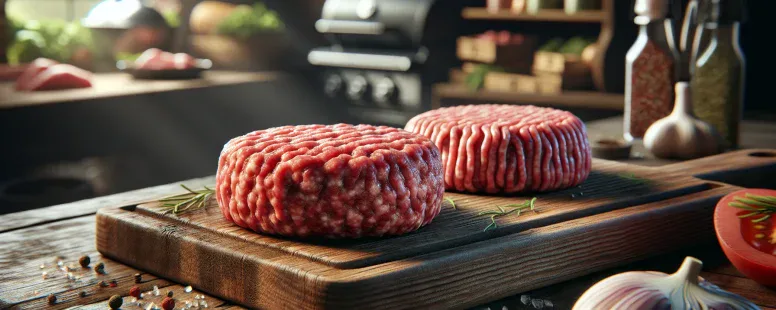
Ground chuck comes from the well-marbled shoulder region of the cow, specifically the chuck primal cut. You see, butchers select chuck because it’s packed with both flavor and fat—typically ranging from 15% to 20% fat content (USDA, 2024). That ratio? It’s what gives ground chuck its signature juiciness and rich texture, making it the most popular pick for burger purists at steakhouse counters. Think about the times you’ve bite into a patty where every mouthful delivered beefy succulence—chances are, ground chuck played the hero behind the scenes.
Your favorite diner burger, with its crispy edges and juicy center, almost always owes its magic to ground chuck. Grilling enthusiasts praise its ability to hold shape on the grill and form that crave-worthy crust, unlike leaner ground beef cuts that tends to dry out or crumble (Serious Eats, 2023).
Yet not all ground chuck is the same. Stores sometimes label it as “80/20,” which signals beef:fat ratio, but local farms maybe grinding it slightly leaner or richer, depending on cattle breed and feed. why one batch of ground beef makes a mess in your skillet while another sears up perfect for meatballs? Much of that comes down to this tricky trifecta—the cut, the grind, and even the butchering process.
Next time you scan meat packages, ask yourself: Is that ground chuck? Or is it a mystery blend? What’s buried in those red streaks and white flecks? Watch chefs debate marbling in food documentaries, or chat with a local butcher and you’ll hear stories where a single grind of chuck turned boring stews into restaurant-worthy dinners.
For home cooks chasing flavor and better texture, ground chuck offers not just beef but a crafted experience—a small choice leading to big results on your table.
What Is Ground Beef?
Ground beef, made from the leftover beef trimmings after steaks and roasts, stands as a versatile staple in kitchens nationwide. Any part of the cow can become ground beef, unlike ground chuck which always comes from the shoulder. Picture a butcher’s assembly line: brisket, round, sirloin, and plate—each batch of trimmings builds ground beef’s flavor profile. USDA (United States Department of Agriculture) regulations cap the maximum fat content at 30%, but most grocery store options show fat percentages between 10% and 27% (examples include 80/20 or 90/10 blends). Here, that ratio refers to lean meat versus fat.
Compare a classic meatloaf with a juicy burger—both depend on ground beef’s flexibility. Some home cooks swear by 70/30 blends for chili, since the higher fat brings a richer mouthfeel. Others wonder, does leaner beef make for a drier taco, or does it keep flavor without the grease? Have you ever tried mixing packs, like 85/15 and 93/7, for a unique texture?
Labeling can confuse even experienced shoppers. “Ground beef” allows for more fat variation than specific blends, such as “ground sirloin” or “ground round” (source: USDA Food Standards and Labeling Policy Book). Sometimes you’ll notice your hamburgers shrink or sizzle with excess grease—the result of higher fat content and less uniformity in grind size. The product’s color, ranging from bright cherry red to brownish, sometimes tricks buyers into thinking all ground beef is the same. It’s not.
Label
Lean %
Fat %
Common Uses
70/30
70
30
Chili, Meatloaf
80/20
80
20
Burgers, Tacos
85/15
85
15
Pasta Sauce, Casserole
90/10
90
10
Stir-fry, Stuffed Peppers
Key Differences Between Ground Chuck And Ground Beef
Choosing between ground chuck and ground beef means weighing differences in fat content, texture, flavor, and kitchen use. Each type of ground meat, while both sourced from beef, brings its distinct profile to the table.
Fat Content And Texture
Ground chuck delivers consistent fat content, usually 15% to 20%, making it ideal for juicy burgers. Its marbling from the shoulder region creates a firm, cohesive patty that doesn’t easily crumble. You’ll notice less shrinkage on the grill, and the cooked meat holds together.
Ground beef, but, varies widely in fat ratio, from as low as 10% up to 27%, since it’s made from mixed trimmings. This inconsistency impacts both texture and moisture. For example, leaner ground beef dries out faster, while fattier types can make dishes greasy. Mixes like 70/30 or 80/20 affect both mouthfeel and shape retention during cooking.
Product
Typical Fat Content
Texture
Shrinkage Level
Ground Chuck
15%–20%
Cohesive, Juicy
Lower
Ground Beef
10%–27%
Variable, Looser
Variable, Higher
Flavor Profiles
Ground chuck provides a beefier, richer taste, partly due to its source cut and marbling. Many burger enthusiasts, chefs included, prize this cut for flavor depth when pan-fried or grilled.
Ground beef has a more neutral taste since it pulls from various parts of the cow. The broader range offers flexibility for recipes where spices or sauces dominate, like chili or tacos. Less fat means less pronounced beefiness but also adaptability to seasonings.
Common Uses In Cooking
Ground chuck fits recipes highlighting beef’s natural taste and texture. Burgers, meatballs, and Salisbury steak benefit from its rich fat and ability to form sturdy patties. When you bite into a diner-style burger and it keeps it’s shape and juiciness, you’re probably tasting ground chuck.
Ground beef proves its versatility in casseroles, sauces, tacos, and meatloaf. It blends easily with aromatics and absorbs flavors, making it the staple for bulk recipes with multiple ingredients. Low-fat blends often appear in health-focused dishes, while home cooks may mix different ratios for custom results.
Price And Availability
Ground chuck often costs more per pound, reflecting its specific cut and higher demand for burger crafting. Not all stores carry several blends—sometimes only generic “ground beef” sits in the case. During grilling season, availability of ground chuck increases, but the same cut can sell out first.
Ground beef remains widely available year-round and usually offers several fat percentages. Price ranges lower since it includes varied trimmings and larger production batches. Lean ground beef labels, like 90/10 or 93/7, appeal to budget-conscious or calorie-tracking shoppers, whereas higher-fat blends attract those willing to pay more for taste and succulent texture.
Which One Should You Choose?
Maybe you’ve stood at the meat counter, staring at those labels wondering: Is ground chuck really worth it, or does ground beef do the trick? Consider your dinner plans like a chef selecting their paint for a canvas—each choice shapes the outcome. Your grill tells a story when you use ground chuck for burgers, with fat marbling like rivers running through earth, creating a savory crust that cracks just right. In a 2021 Serious Eats taste test, ground chuck burgers held moisture and flavor much longer than leaner options, proving its reputation among burger joints nationwide.
Budget shoppers, do your eyes wander toward ground beef for weeknight tacos or classic meatloaf? Ground beef wears many hats because it blends cuts like brisket, round, and sirloin—the flavor profile shifts, like a chameleon matching its surroundings. Picture making chili for a big Super Bowl party: using 80/20 ground beef means more juice in every spoonful, but 93/7 means a lean bite that serves health-conscious guests. The choice molds not only the dish’s taste but also its texture.
Ask yourself, what’s central for your recipe—flavor, price, or nutrition? If your grandma’s meatballs rely on rich beefiness, ground chuck, with its specific fat content, keeps them tender. Contrastingly, ground beef fits the bill when protein counts or versatility matter more; USDA data shows ground beef is sold in more than 70% of American supermarkets year-round (USDA, 2022).
Dietary preferences, too, raise new questions—some people choose lean ground beef to manage cholesterol, trading a little flavor for lighter fare. Others, seeking luxury in a burger’s bite, splurge on ground chuck, relishing the satisfying sizzle and juiciness.
Critically examine your priorities before choosing: Do you want steaks on the grill or quick batch-cooked lunches? Think about who you’re feeding and the memories you’re crafting around the table. Every pound of beef carries a story from farm to skillet. Try both kinds side by side one evening—what does your palate tell you? That’s sometimes the best judge.
So next time you pick up a package labeled “ground chuck” or “ground beef,” remember, it’s not just meat—it’s the start of something memorable.
Conclusion
Choosing between ground chuck and ground beef goes beyond just reading a label—it’s about shaping the flavors and memories you create in your kitchen. When you pay attention to the cut and fat content, you’ll find it easier to match the right meat to your favorite recipes.
Take a moment to experiment with both options and see which one fits your taste and cooking style best. Your next meal could be the start of a new tradition at your table.
To provide the best experiences, we use technologies like cookies to store and/or access device information. Consenting to these technologies will allow us to process data such as browsing behaviour or unique IDs on this site. Not consenting or withdrawing consent, may adversely affect certain features and functions.
Functional
Always active
The technical storage or access is strictly necessary for the legitimate purpose of enabling the use of a specific service explicitly requested by the subscriber or user, or for the sole purpose of carrying out the transmission of a communication over an electronic communications network.
Preferences
The technical storage or access is necessary for the legitimate purpose of storing preferences that are not requested by the subscriber or user.
Statistics
The technical storage or access that is used exclusively for statistical purposes.The technical storage or access that is used exclusively for anonymous statistical purposes. Without a subpoena, voluntary compliance on the part of your Internet Service Provider, or additional records from a third party, information stored or retrieved for this purpose alone cannot usually be used to identify you.
Marketing
The technical storage or access is required to create user profiles to send advertising, or to track the user on a website or across several websites for similar marketing purposes.