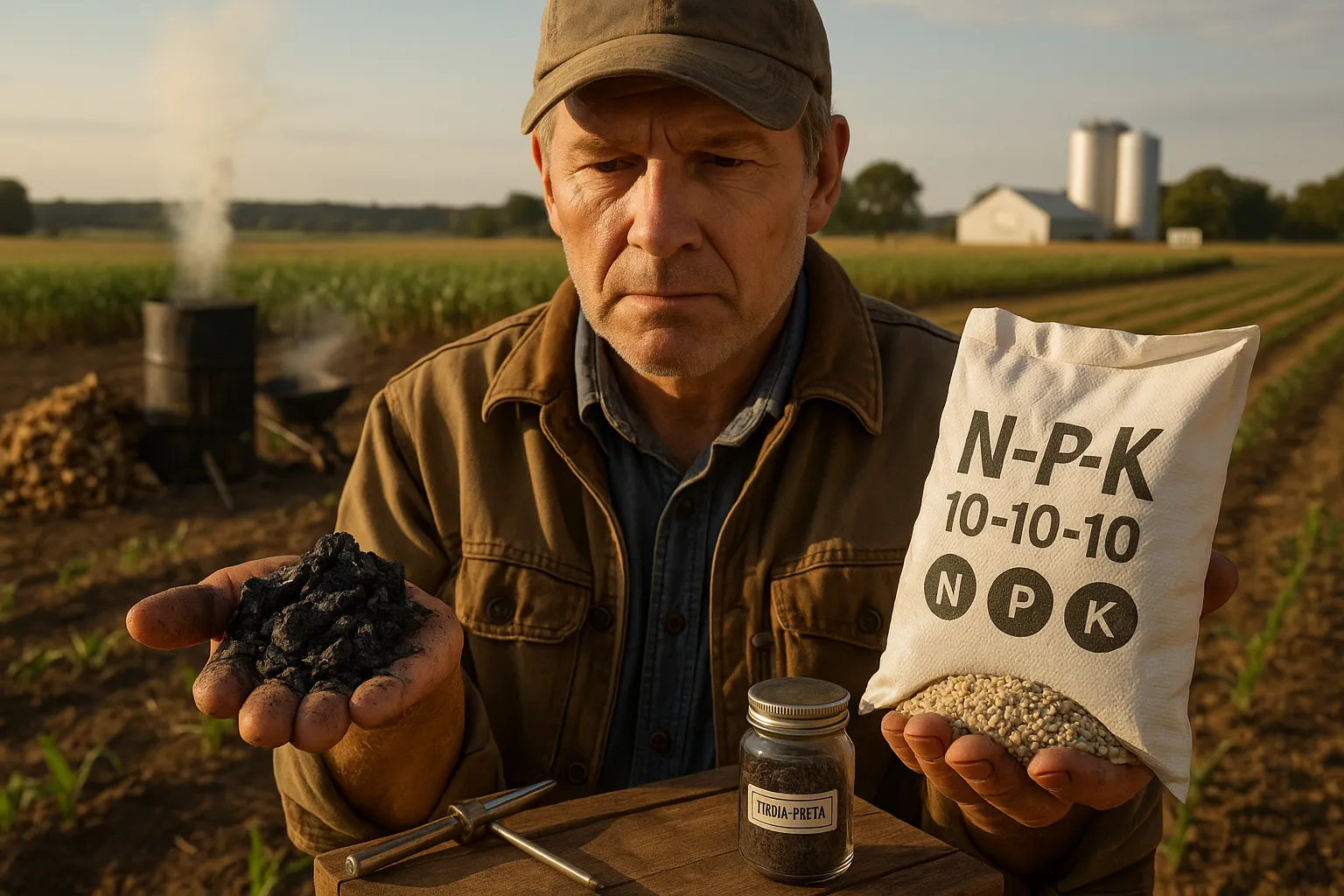
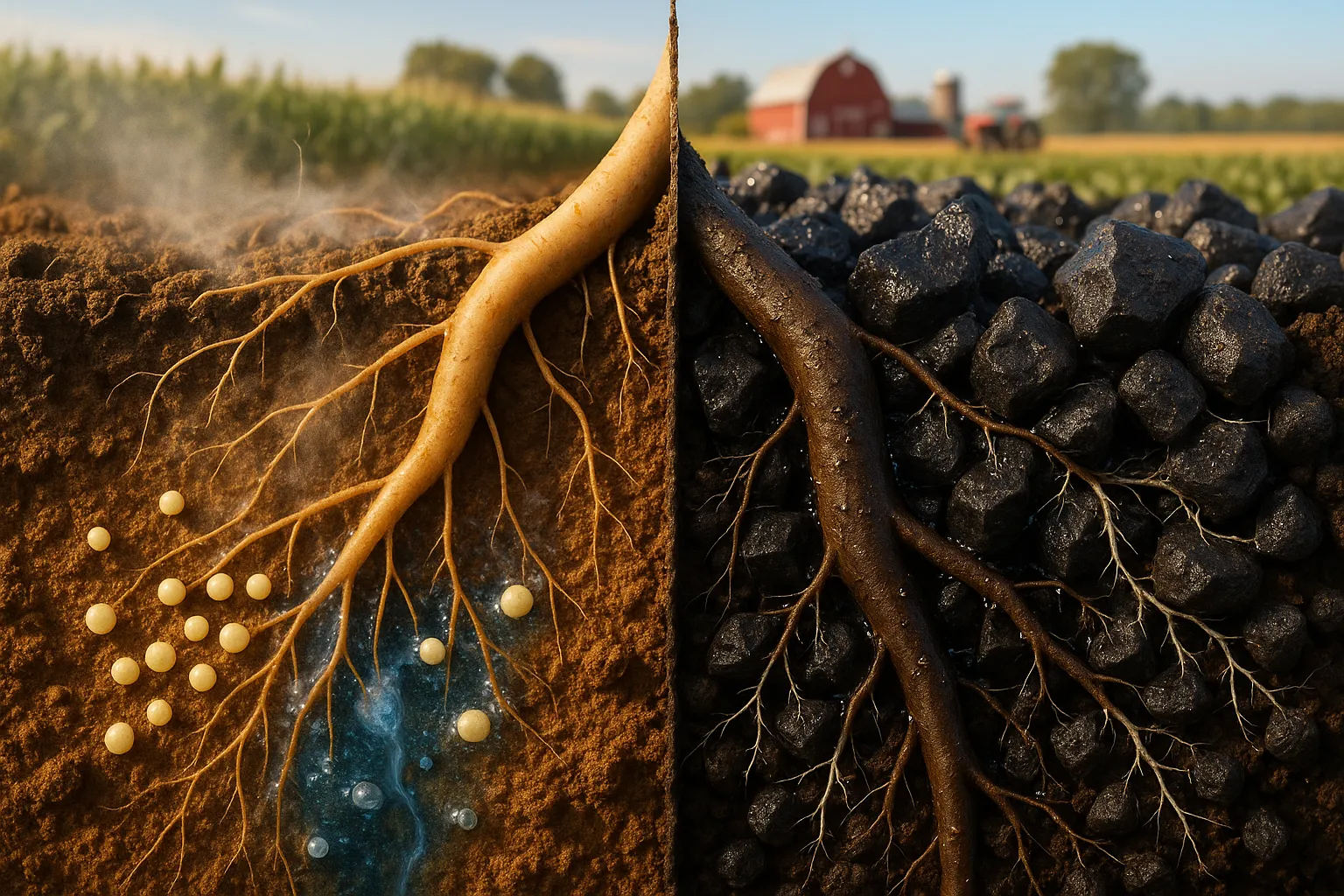
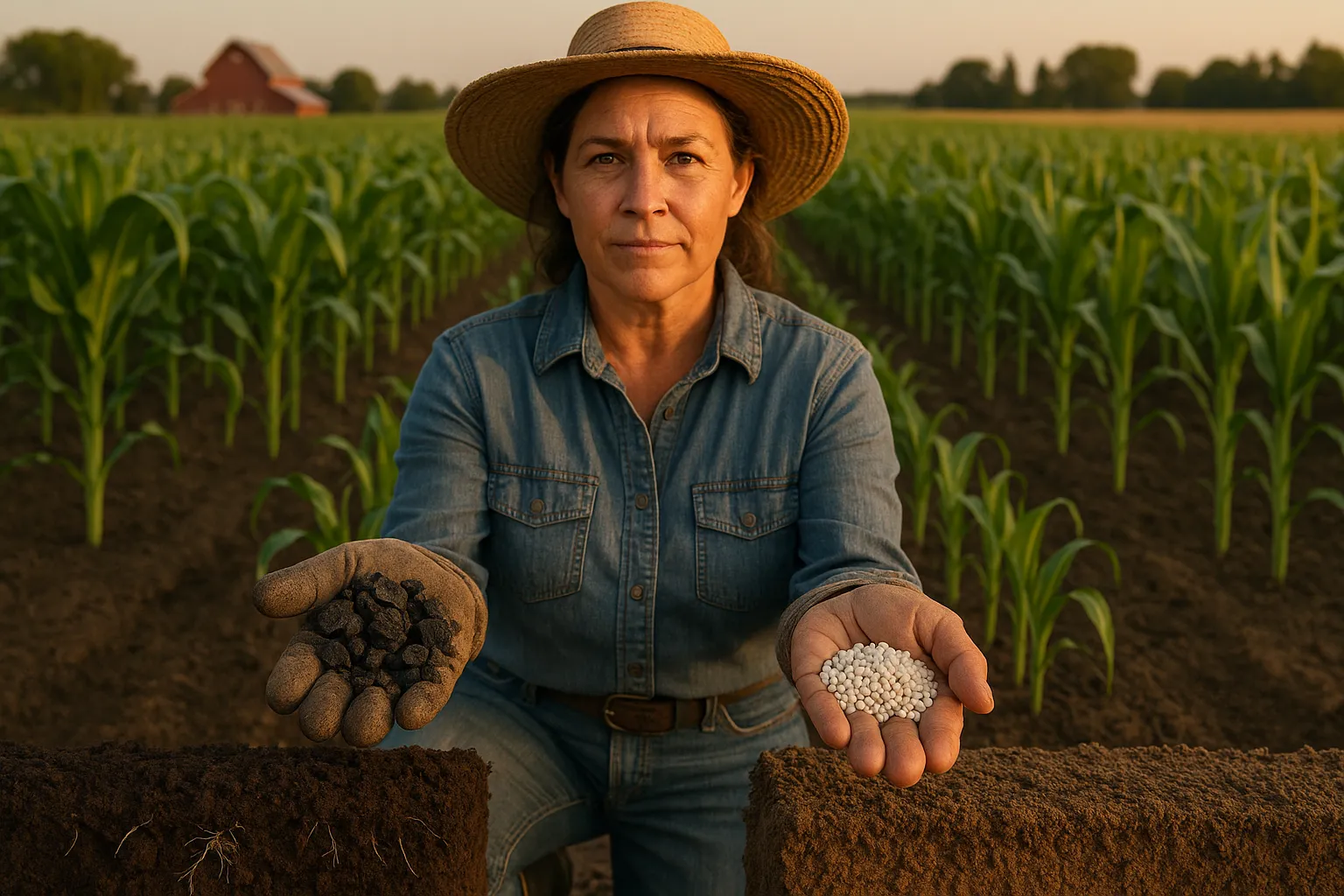
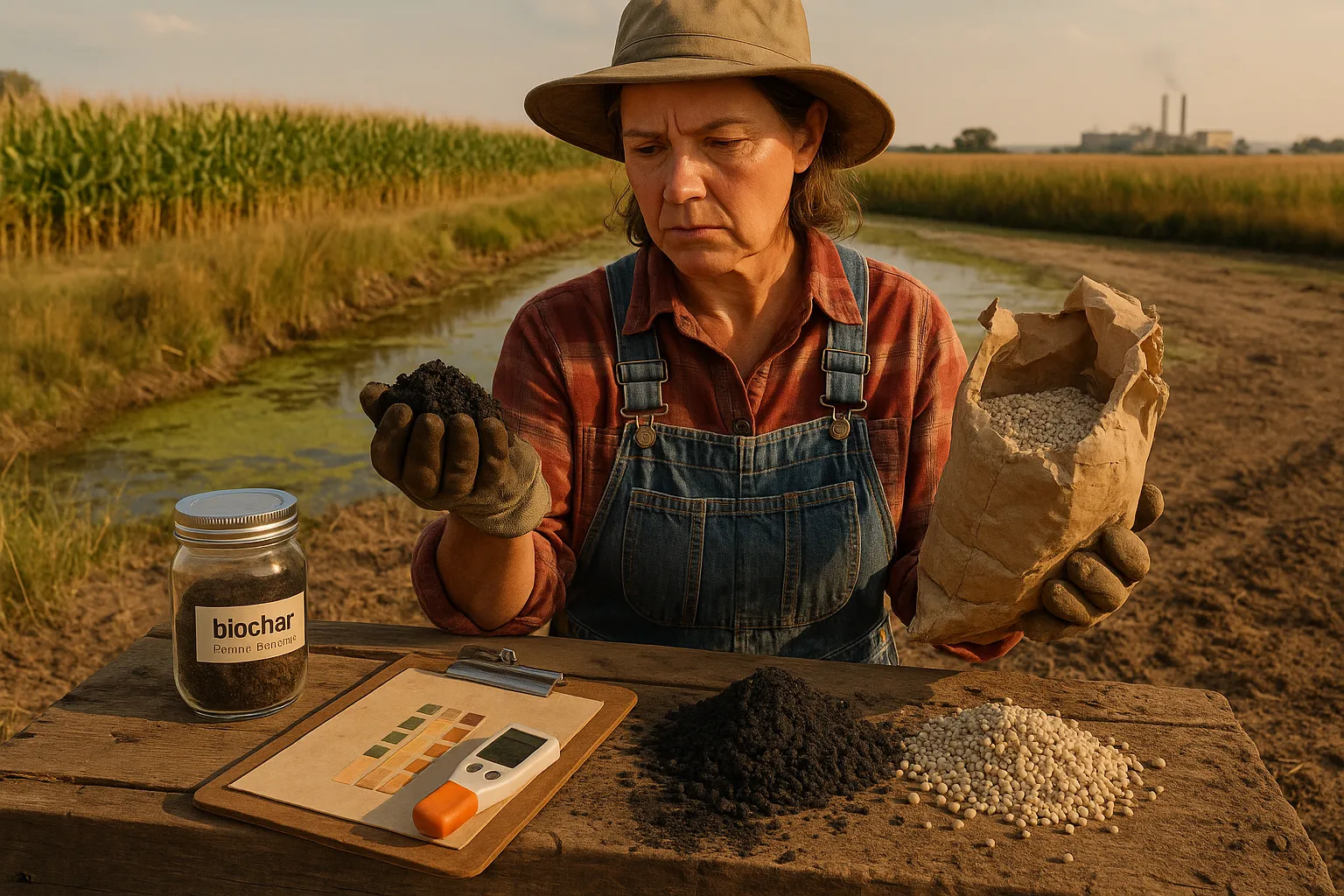
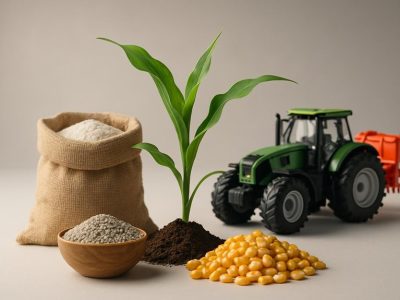
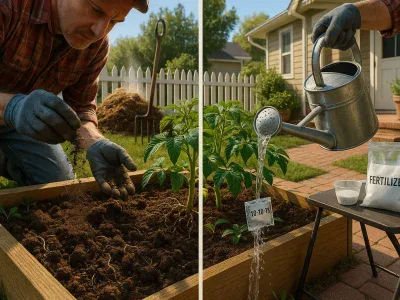
You can grow healthy crops with either biochar or chemical fertilizers, but the path you choose changes your soil, your wallet, and the local environment. Picture dark, spongy granules that trap nutrients and water in the soil like a tiny reservoir, versus fine, soluble crystals that rush nutrients straight to plant roots. Both raise yields: both have trade-offs. This article cuts through marketing and jargon to show what each does, when one outperforms the other, and how you can combine them for stronger results. Expect clear comparisons, practical steps you can test on your own plot, and the science behind the choices.
What Biochar And Chemical Fertilizers Are
Fact: Biochar is charcoal made for soil and chemical fertilizers are manufactured nutrient sources (like urea and NPK blends).
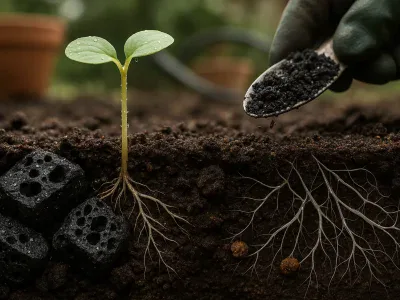
Biochar: You make biochar by heating biomass (wood chips, crop residues, manure) with limited oxygen in a process called pyrolysis. The result is a porous, carbon-rich material similar to charcoal used for cooking, but designed to stay in soil for decades. Famous historical examples include Terra preta soils in the Amazon, where charcoal helped sustain high fertility for centuries. Biochar contains largely stable carbon and sorptive surfaces that host microbes and hold nutrients.
Chemical fertilizers: These are industrial products such as urea (high in nitrogen), ammonium nitrate, and N-P-K blends that deliver soluble nitrogen, phosphorus, and potassium directly to plants. Major manufacturers include Yara, Nutrien, and Koch. Governments and agencies, like the USDA, track fertilizer use because it drives modern food production.
Why this matters to you: Biochar changes soil structure and stores carbon. Chemical fertilizers provide quick, predictable nutrient supply. Each answers a different problem: slow soil rebuilding versus immediate nutrient shortfall.
How Each Works In Soil
Fact: Chemical fertilizers supply soluble nutrients immediately: biochar modifies soil physical and chemical environment over time.
Chemical fertilizers dissolve in soil water. Plant roots take up ions such as nitrate and ammonium rapidly. That immediacy explains why a sidedress of urea boosts growth within days. But those same soluble nutrients can leach during heavy rain, or volatilize as ammonia gas when left on the surface. They feed plants first, soil organic matter second.
Biochar works differently. Its porous structure increases soil aeration and water-holding capacity. The surfaces carry charges and functional groups that adsorb nutrients and exchange them with plant roots and microbes. In clay or sandy soils, biochar can reduce nutrient leaching and buffer pH. It also provides habitat for beneficial microbes that cycle nitrogen and phosphorus.
Mechanistic contrast: Think of chemical fertilizer as a fast-acting infusion: biochar is like a slow-release sponge and nursery for microbial life. You can use both, but each shifts the soil dynamics in a different direction.
Comparing Benefits For Plants And Soils
Fact: Chemical fertilizers give rapid yield responses: biochar improves soil health and long-term productivity.
Short-term crop response: If you need immediate yield increases, chemical fertilizers usually win. They correct nutrient deficiencies on a predictable schedule for crops like maize, wheat, and vegetables. For example, targeted nitrogen applications raise grain protein and yield within a season.
Soil health and resilience: Biochar raises cation exchange capacity in some soils, improves water retention in sandy soils, and stabilizes nutrients. Over seasons it builds soil organic carbon, which improves structure and reduces runoff. Farmers who add biochar often report steadier yields under drought because the soil holds more water.
Microbial and root effects: Biochar provides niches for mycorrhizal fungi and beneficial bacteria that aid phosphorus uptake. Chemical fertilizers can reduce some symbiotic associations when overused.
Nutrient use efficiency: Combining biochar with fertilizer frequently increases nutrient use efficiency, meaning you need less fertilizer to get the same crop response. Studies (including trials referenced by universities and extension services) show yield gains when biochar is used as a carrier for fertilizer or compost.
Key Drawbacks And Risks
Fact: Both options carry risks, chemical fertilizers can pollute: biochar can vary widely in quality.
Chemical fertilizer risks: Over-application leads to nitrate leaching into groundwater, eutrophication of waterways, and nitrous oxide emissions (a potent greenhouse gas tracked by the IPCC). Fertilizer production is energy-intensive and often depends on natural gas (for ammonia synthesis), which ties costs to fossil fuel markets.
Biochar risks and variability: Not all biochar is equal. Feedstock and pyrolysis temperature shape nutrient content, pH, and contaminant levels. Low-quality biochar can temporarily immobilize nitrogen (it sorbs ammonium and nitrate), causing short-term reductions in plant growth. Some biochar made from contaminated feedstocks can introduce heavy metals. Also, biochar alone rarely provides enough nitrogen or phosphorus for high-demand crops.
Operational risks: Applying large volumes of biochar without integrating organic matter or fertilizer can produce disappointing results. You must test and, sometimes, condition biochar with compost or nutrient solutions before large-scale use. You will face supply and quality questions if you buy from unknown producers.
Practical Application And Management
Fact: Proper application and integration dictate success, method matters more than buzzwords.
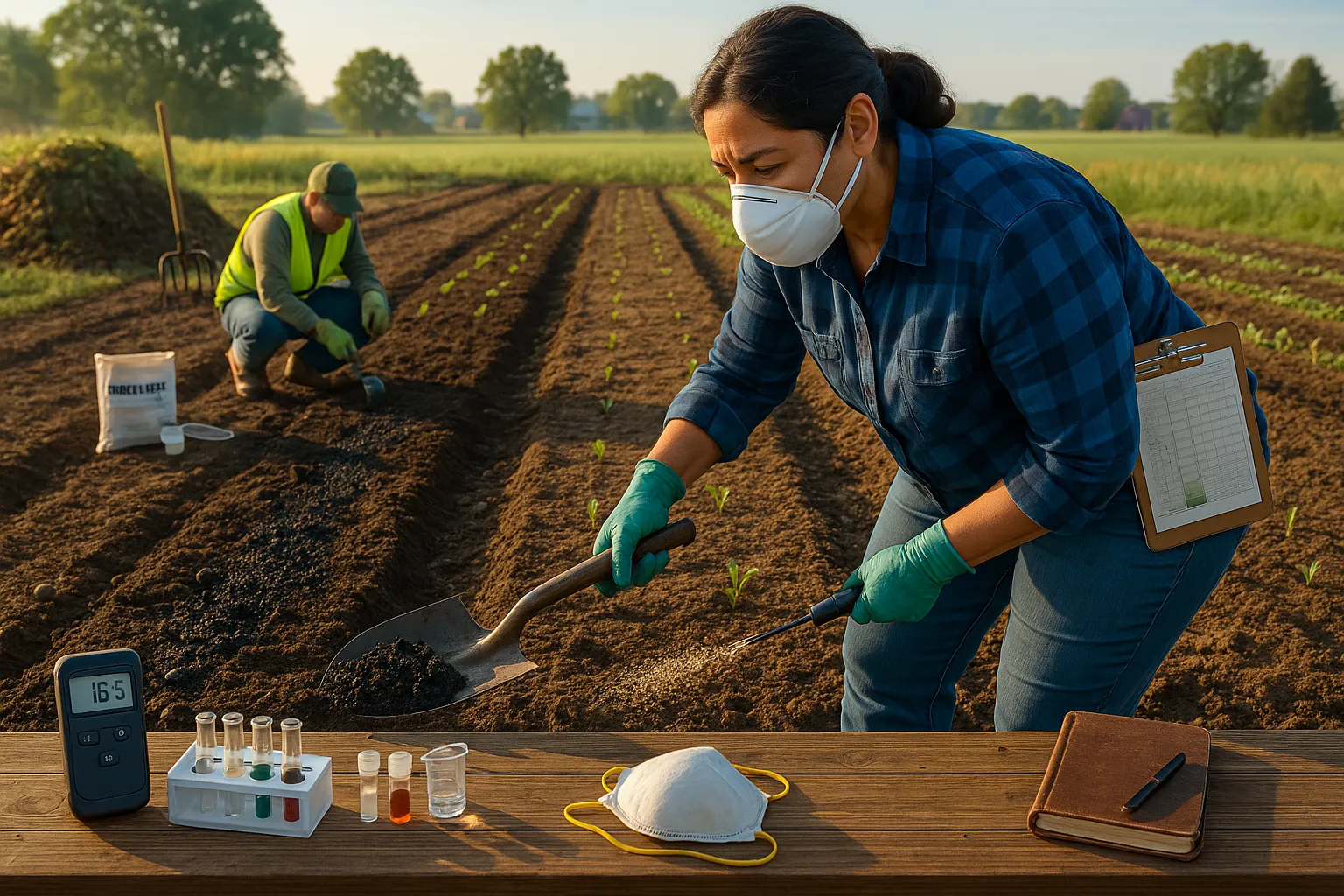
Start with soil tests. Know pH, texture, organic matter, and nutrient levels. If your soil tests low for N, P, or K, you will still need fertilizer even if you add biochar.
Small plots first. Run a side-by-side test where one strip gets your usual fertilizer program, another gets biochar plus a reduced fertilizer rate, and a control gets neither. Track yields, plant health, and soil moisture.
Handling tips: Wear dust protection when applying dry biochar: fine particles can be airborne. Mix biochar into the tilth or blend with compost to avoid surface crusting. For fertilizers, follow label rates and place them to reduce contact with surface runoff (banding often reduces loss).
Monitoring: Measure soil nitrate and available P throughout the season if you change practices. Keep records of rates, timings, and observed plant responses. Small adjustments early save money later.
Environmental And Economic Impacts
Fact: Chemical fertilizers enable high yields but can harm water and climate: biochar stores carbon and can improve ecosystem services but has upfront costs.
Environmental impacts: Fertilizer runoff contributes to algal blooms in many watersheds. Fertilizer manufacture contributes to CO2 and methane emissions. Conversely, biochar can sequester carbon for decades or longer, reducing net greenhouse gases if production uses waste biomass and low-emission kilns. Biochar also reduces nutrient leaching in many cases, improving water quality.
Economic impacts: Chemical fertilizers give quick ROI in most intensive cropping systems. They have predictable unit costs and well-developed supply chains. Biochar usually costs more per ton delivered and supply networks are smaller. But biochar adds long-term value: improved soil structure reduces irrigation needs, and carbon credits or cost-share programs (in some regions) can offset costs.
Supply chains and policy: Large agribusiness supplies fertilizers globally: biochar markets are local to regional. Look for local producers that test their product. Programs from USDA NRCS and some state agencies sometimes fund soil carbon projects, which affect the economics for you.
How To Choose And Integrate Both Approaches
Fact: Use decision rules: match short-term nutrient needs with fertilizers and long-term soil goals with biochar.
Biochar: Application Methods And Rates
Fact: Typical rates vary from 1 to 20 tons per hectare depending on goals.
Apply low rates (1–5 t/ha) to start. Incorporate biochar into the top 10–20 cm of soil or mix with compost. For degraded or sandy soils, higher rates (10–20 t/ha) can be justified. Condition biochar by charging it with compost tea, urine, or compost to avoid initial nitrogen tie-up. Use feedstock-tested products from reputable suppliers.
Timing, Placement, And Compatibility With Fertilizers
Fact: You should combine fertilizers and biochar but stagger or co-apply based on crop needs.
Place fertilizers in bands near roots to reduce loss: apply biochar broadly in the planting zone. When you co-apply, reduce initial fertilizer rates modestly (10–30%) while you monitor response. Do not rely on biochar alone for high-demand crops in their first season after application.
Measuring Soil Response And Adjusting Practices
Fact: Track basic metrics: yield, soil moisture, nitrate, and available phosphorus.
Test soils before application and annually after. Use crop yield and tissue tests to check nutrient uptake. If nitrate drops unexpectedly after biochar, add a starter fertilizer or use a nitrogen-rich amendment. Adjust rates year to year based on observed responses.
Greenhouse Gas, Carbon Sequestration, And Water Quality Effects
Fact: Biochar can reduce nitrous oxide emissions and sequester carbon: fertilizers often increase GHG risk if mismanaged.
Measure nitrous oxide fluxes at field scale if you can, or use proxy measures: reduced nitrate leaching and improved soil organic carbon indicate beneficial outcomes. Consider carbon credits where available: but verify protocols carefully.
Cost Comparison, Supply Chains, And Long-Term Value
Fact: Fertilizer costs are usually lower per nutrient unit: biochar is a larger upfront investment that builds asset value.
Compare per-hectare costs across a 5–10 year horizon. Factor in reduced irrigation, lower fertilizer rates, and potential carbon payments. Source biochar locally to cut transport costs. Watch for standard lab reports showing fixed carbon, ash, pH, and metal contaminants.
Decision Flow: When To Use Biochar, Chemical Fertilizer, Or Both
Fact: Use fertilizers when crops need immediate nutrients: choose biochar when you want lasting soil improvement.
If your soil is low in organic carbon or you face frequent drought stress, prioritize biochar plus modest fertilizer. If yields are limited by a clear N or P deficiency this season, prioritize targeted fertilizer while planning biochar additions for the next season.
Simple On-Farm Experiments And Monitoring Metrics
Fact: A simple randomized block test gives reliable guidance for your farm.
Set up 3 treatments: (A) your standard fertilizer program, (B) biochar + 50–80% fertilizer, (C) control. Replicate across at least three plots. Measure yield, plant tissue nutrients, soil moisture, and soil organic carbon each year. Document costs and labor. Over 2–3 seasons you will see trends and can scale what works for yours.
To provide the best experiences, we use technologies like cookies to store and/or access device information. Consenting to these technologies will allow us to process data such as browsing behaviour or unique IDs on this site. Not consenting or withdrawing consent, may adversely affect certain features and functions.
Functional
Always active
The technical storage or access is strictly necessary for the legitimate purpose of enabling the use of a specific service explicitly requested by the subscriber or user, or for the sole purpose of carrying out the transmission of a communication over an electronic communications network.
Preferences
The technical storage or access is necessary for the legitimate purpose of storing preferences that are not requested by the subscriber or user.
Statistics
The technical storage or access that is used exclusively for statistical purposes.The technical storage or access that is used exclusively for anonymous statistical purposes. Without a subpoena, voluntary compliance on the part of your Internet Service Provider, or additional records from a third party, information stored or retrieved for this purpose alone cannot usually be used to identify you.
Marketing
The technical storage or access is required to create user profiles to send advertising, or to track the user on a website or across several websites for similar marketing purposes.