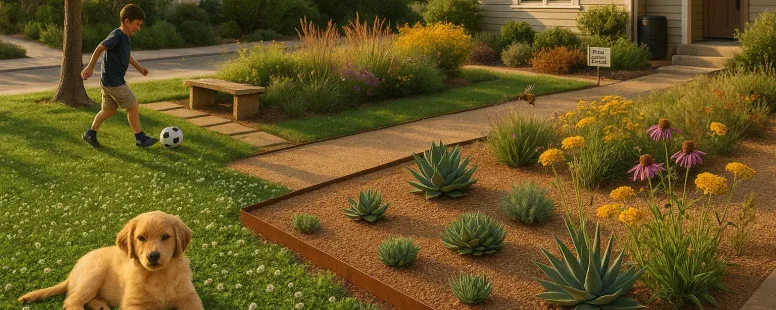
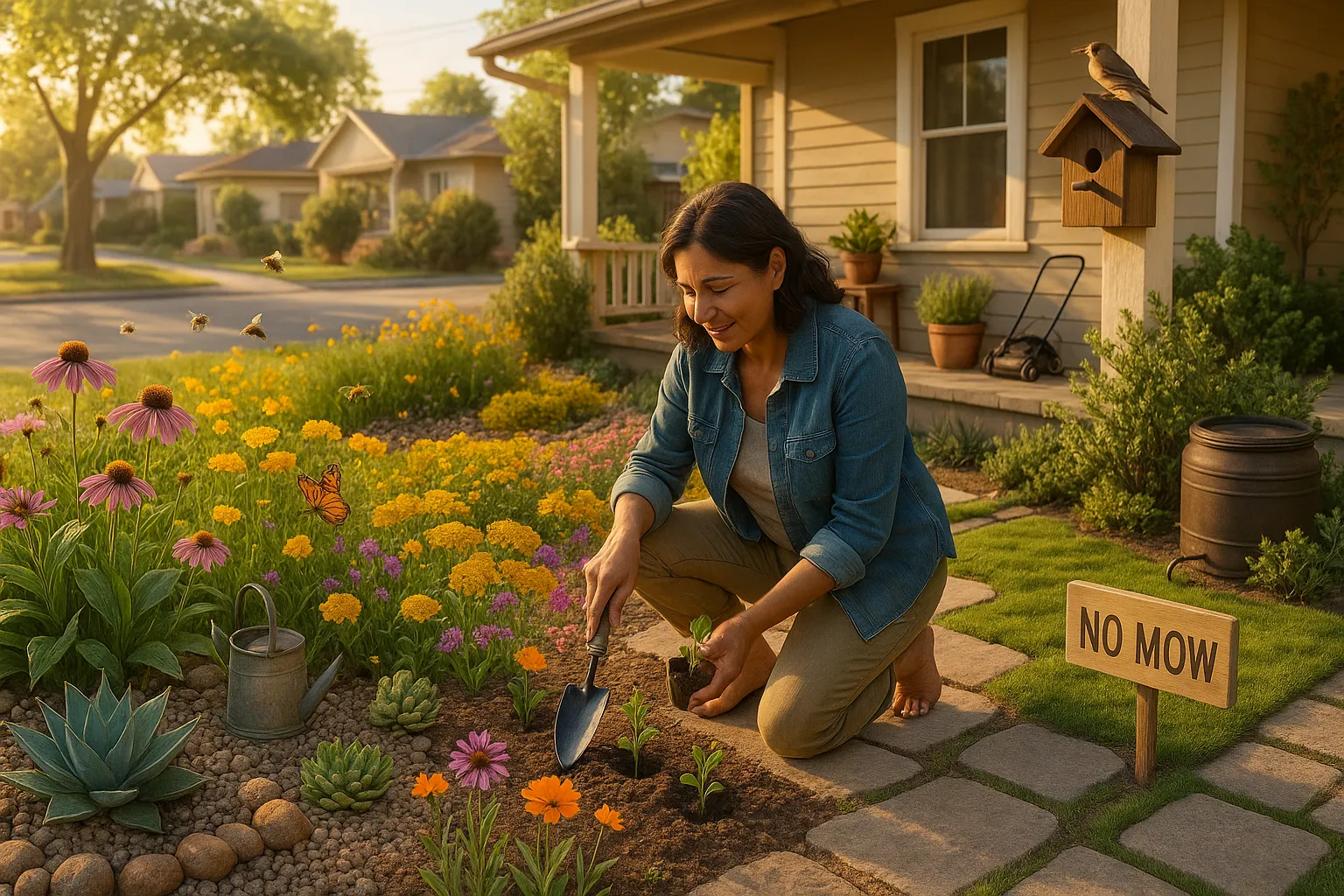
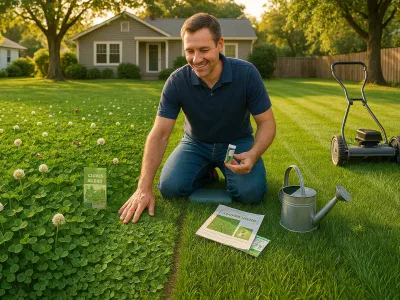
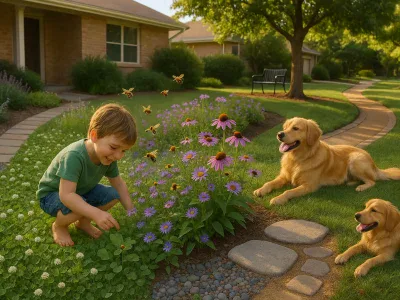
A traditional grass lawn consumes a surprising amount of water, time, and money. Picture stepping into a yard that hums with bees, stays green through dry spells, and needs mowing only a few times a year, not every weekend. This article shows you practical, attractive alternatives to a grass lawn that cut water use, boost biodiversity, and fit real-life needs like kids, pets, and steep slopes. Read on to find options that look good, perform well, and often cost less over time.
Why Replace A Traditional Grass Lawn
Fact: Traditional turf demands regular irrigation, fertilizer, and mowing. Lawns with Kentucky bluegrass or tall fescue need frequent watering in summer, and they often require synthetic fertilizers and pesticides. Those inputs raise your utility bills and add to runoff that harms local streams.
Context and depth: Cities such as Los Angeles and Phoenix report that residential lawns account for large fractions of municipal water use during the dry season. The EPA and many state extension services recommend alternatives to reduce potable water consumption. Beyond water, lawns provide limited habitat for pollinators and native wildlife. If you want a yard that supports birds, bees, and beneficial insects, replacing turf is a direct action you can take.
Why people switch: Homeowners choose alternatives to save money, reduce chores, meet local drought rules, or respond to HOA flexibility. Some switch because they want a different look, a meadow, a textured gravel garden, or a mossy green carpet that stays soft without weekly mowing. You’ll also lower carbon emissions from lawn mowers and reduce exposure to lawn chemicals.
Environmental And Practical Benefits Of Switching
Insight: Replacing turf improves water efficiency, increases habitat, and often lowers maintenance time.
Water savings: Drought-tolerant landscapes can cut outdoor water use by 30–60%. Municipal programs from Denver Water and the California Department of Water Resources document similar savings when homeowners remove turf.
Biodiversity and pollinators: Meadows and pollinator mixes attract native bees, butterflies, and birds. The Xerces Society advises replacing monoculture turf with diverse plantings to support insect life.
Practical gains: You reduce mowing, fuel use, and noise. You might also reduce chemical costs. And alternatives often tolerate compacted soil or shade better than turf: moss and shade-loving groundcovers stay green where grass fails.
Trade-offs: Some options need initial investment or different skills. Synthetic turf reduces water use but raises heat and lifecycle concerns. Native meadows need a year or two to establish and require seasonal management, not no maintenance.
Top Alternatives To A Grass Lawn
Start with a clear answer: multiple viable alternatives exist for different goals, low care, pollinators, play, or aesthetic minimalism. Below are top choices, with key pros and cons.
How To Choose The Right Alternative For Your Yard
Clear answer: Match the alternative to site conditions, use, and your maintenance willingness. Start with three basic checks below before committing.
Installation And Maintenance Overview For Each Option
Direct answer: Each option has a clear installation path and predictable maintenance profile. Below are general steps and ongoing tasks you’ll face.
Cost, Water Use, And Environmental Impact Comparison
Straight fact: Costs and impacts vary widely: here are comparative estimates and key trade-offs to weigh.
Typical Installation And Annual Maintenance Costs (Estimates)
Clover/low‑mow mix: $0.50–$1.50/sq ft to seed: low annual costs.
Native meadow: $1–$3/sq ft (seed) or higher for plugs: yearly mowing costs.
Groundcovers: $2–$5/sq ft depending on plant size.
Moss: $3–$6/sq ft if imported: low ongoing costs.
Hardscape/gravel: $4–$12/sq ft depending on base and materials.
Xeriscape with succulents: $3–$10/sq ft.
Synthetic turf: $6–$15+/sq ft installed.
Note: Prices vary by region and contractor. These are ballpark numbers based on landscaping industry data and municipal rebate program averages.
Relative Water, Chemical, And Carbon Footprint Comparisons
Fact: Turf ranks high for water and carbon due to mowing: many alternatives reduce both.
Water: Xeriscapes and synthetic turf use the least water. Clover mixes and native meadows cut irrigation significantly.
Chemicals: Meadows and native plantings reduce fertilizer needs: synthetic turf and hardscapes require no fertilization but may produce microplastic runoff.
Carbon: Replacing weekly mowing with low‑mow plants reduces gasoline use and emissions. Synthetic turf has embedded carbon from manufacturing, so its lifecycle carbon depends on product and disposal choices.
Resilience: Drought Tolerance, Biodiversity, And Urban Heat Effects
Fact: Native and xeric plantings increase drought resilience and biodiversity.
Heat: Light-colored hardscapes reflect more heat: dark synthetic turf raises surface temperatures. Plants reduce local air temperature through shade and evapotranspiration.
Biodiversity: Meadows and pollinator mixes win. Synthetic turf loses here.
Design Ideas And Practical Tips For Transitioning From Grass
Clear answer: Transition gradually and design for use, blend new surfaces with surviving turf if needed. Below are practical design moves and tips.
To provide the best experiences, we use technologies like cookies to store and/or access device information. Consenting to these technologies will allow us to process data such as browsing behaviour or unique IDs on this site. Not consenting or withdrawing consent, may adversely affect certain features and functions.
Functional
Always active
The technical storage or access is strictly necessary for the legitimate purpose of enabling the use of a specific service explicitly requested by the subscriber or user, or for the sole purpose of carrying out the transmission of a communication over an electronic communications network.
Preferences
The technical storage or access is necessary for the legitimate purpose of storing preferences that are not requested by the subscriber or user.
Statistics
The technical storage or access that is used exclusively for statistical purposes.The technical storage or access that is used exclusively for anonymous statistical purposes. Without a subpoena, voluntary compliance on the part of your Internet Service Provider, or additional records from a third party, information stored or retrieved for this purpose alone cannot usually be used to identify you.
Marketing
The technical storage or access is required to create user profiles to send advertising, or to track the user on a website or across several websites for similar marketing purposes.