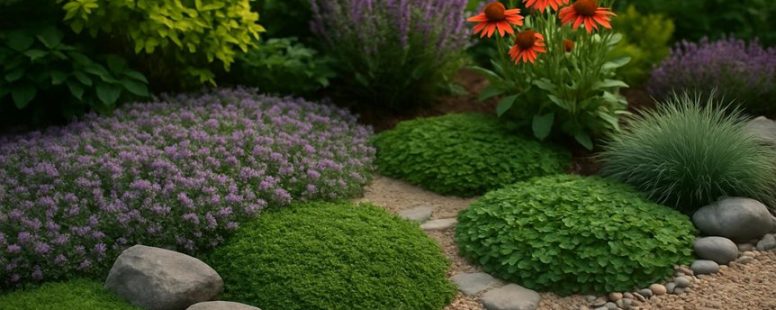
Imagine the never-ending chore of re-mulching your garden each season—tireless work that can feel like chasing your own tail. But what if there’s a smarter, more vibrant alternative?
Swapping out traditional mulch for lush ground covers can transform your landscape into a living carpet, saving you time, money, and effort. Plus, did you know that some ground covers can actually improve soil health beneath your feet?
It’s like giving your garden a breath of fresh air while keeping it beautifully protected. This simple shift could be the secret to a healthier, more resilient yard that feels alive with every step.
Why Re-Mulching Every Season Is a Waste of Time and Money
Re-mulching every season is usually a waste of time and money. Adding new mulch too often can actually cause more problems for your garden. For example, fresh mulch isn’t deep enough to stop soil from washing away during heavy rain. This means your plants might still face erosion despite the new layer. Also, putting down mulch every year can attract pests like ants and insects that may harm your plants or spread disease.
Instead of re-mulching every year, consider using better ground covers or tough mulching options. These can help keep the soil in place naturally and reduce the need for frequent replacements. For example, plants like creeping thyme or ground cover grasses can protect the soil better. They also don’t attract pests as much as fresh mulch does.
Some people say re-mulching keeps gardens looking fresh. But if you choose smarter ground covers or longer-lasting mulch, you can save money and protect your soil better. Just be aware that some ground covers may take time to grow, and not all mulch lasts long.
In short, re-mulching every season isn’t always the best idea. It can waste your money and might cause more erosion or pests. Instead, try using stronger ground covers or more durable mulch options. These methods can save you time, money, and help your garden stay healthy longer.
Discover the Benefits of Using Ground Covers Instead of Mulch
Ground covers are plants that grow low to the ground and can replace mulch in your garden. They help keep weeds down naturally and make your soil healthier over time. Unlike mulch, plants like clover or creeping thyme can fix nitrogen in the soil, which helps plants grow stronger. This means you might need fewer fertilizers.
Ground covers also create a barrier that keeps pests away, which can help reduce the need for chemical pesticides. They tend to last longer than mulch and don’t need to be replaced as often. This saves you time and money. Plus, they stay attractive all year, making your garden look nice no matter the season.
Some people prefer ground covers because they are eco-friendly and support a healthier garden environment. But keep in mind, ground covers take time to grow, so you might need patience at first. Also, if you have a very shady or very sunny spot, some ground covers may not do well.
In the end, switching to ground covers instead of mulch can be a smart choice. They help your garden stay healthy with less effort, but it’s good to understand their limits and pick the right plants for your space.
Top Natural Ground Covers for Low-Maintenance Gardens
Natural ground covers are plants that grow low to the ground and help protect your soil. They are a good choice for low-maintenance gardens because they need less care than regular grass or plants.
Creeping thyme is one of the best options. It is drought-tolerant, meaning it doesn’t need much water. It also keeps away many pests, so you don’t need to use chemicals. It spreads quickly and can be walked on, making it great for pathways or garden borders.
Sedum is another popular ground cover. It grows well in poor soil and can handle different soil conditions. Sedum also helps stop weeds from growing and keeps the soil from washing away during heavy rain. Both creeping thyme and sedum are hardy plants and less likely to attract pests if you choose the right types.
If you want to pick the best ground cover, you should think about your soil type and how much sun your garden gets. For example, creeping thyme prefers full sun, while sedum can grow in partly shady areas too. Knowing these details helps plants stay healthy with less work from you.
Some ground covers might bring pests if they aren’t the right fit for your garden. So, it’s good to research or ask a local garden center for advice. Also, keep in mind that some plants may need occasional trimming or watering when first planted.
In the end, these natural ground covers can make your garden look nice without taking a lot of your time or effort. They are perfect if you want a pretty yard that doesn’t need much work.
How to Choose the Best Ground Cover for Your Soil and Climate
Choosing the best ground cover for your soil and climate means knowing what plants will grow well in your area. The key is to compare different ground covers based on how well they fit your soil type and weather. For example, if you have sandy soil and hot summers, plants like sedum or creeping thyme might work best. If you have shady, moist soil, moss or ferns could be better choices.
Here are some simple steps to pick the right ground cover:
Test your soil to find out if it is sandy, clay, or loamy. You can buy a soil testing kit at a garden center or send a sample to a local extension office.
Research plants that grow well in your soil type and climate. Look for plants that are hardy in your USDA zone, which tells you how cold it gets in your area.
Think about your yard’s sun exposure. Some ground covers need full sun, while others prefer shade.
Consider how much foot traffic the area gets. Some plants handle walking on them better than others.
Keep in mind that some ground covers need more water and care, while others are naturally drought-tolerant. For example, creeping thyme is easy to grow in dry areas, but it might not do well in heavy shade. On the other hand, moss loves shady spots but needs moist soil.
While choosing a ground cover sounds simple, it’s good to remember that no plant is perfect for all conditions. Sometimes, you may need to try a couple of options before finding the best fit. Also, not all plants will stay healthy if your soil is very poor or if the weather is extreme.
In the end, knowing your soil and climate helps you pick a ground cover that stays healthy and looks nice for a long time. This way, your yard can stay green and beautiful with less work.
Soil Compatibility Factors
Understanding your soil’s properties is the first step in choosing the right ground cover for your garden. Not all mulches or options work well with every type of soil or climate. Soil pH and nutrient levels are especially important to consider.
Soil pH tells you if your soil is acidic or alkaline. Acidic soils have a low pH and may need ground covers that can tolerate or improve acidity. For example, pine bark mulch works well in acidic soils. Alkaline soils have a high pH and need plants that do well in basic conditions. Lime-based mulches can help balance these soils.
Nutrient levels are also key. If your soil is poor in nutrients, you should choose ground covers that add organic matter or fix nitrogen. For example, cover crops like clover can help improve soil nutrients. Testing your soil with a simple kit from a garden store can show you what your soil needs most. This way, you can pick a ground cover that supports plant growth and reduces the need to re-mulch often.
Some people might think all mulches are the same, but certain types work better in specific soils. For instance, hardwood mulch lasts longer in well-drained soils, while straw mulch is good for quick coverage in moist soils. Keep in mind, some ground covers may not work well if your soil is too wet or too dry. Make sure to pick options compatible with your soil’s chemistry to keep your garden healthy and sustainable.
Climate Suitability Tips
Matching your ground cover to your climate is key to a healthy yard. Picking plants that grow well in your area helps you save time and money. If you choose plants suited to your climate, you’ll need less watering, fertilizer, and pest control.
For example, drought-tolerant ground covers like sedum or creeping thyme work in dry places and don’t need much watering or fertilizer. If you live in a cooler, shady area, plants like ferns or certain types of moss will grow better because they like moist, cool conditions. Knowing your area’s humidity, temperature swings, and how much rain you get helps you pick the right plants.
Here are some tips to help you choose the best ground covers for your climate:
Know your USDA hardiness zone. This tells you the coldest temperature your plants can handle. For example, if you live in zone 6, pick plants that grow well in zone 6 or higher.
Assess seasonal weather patterns. Think about how hot, cold, wet, or dry your area gets during the year. If you get heavy rain in spring, choose plants that can handle soggy soil.
Select pest-resistant varieties. Some plants naturally fight pests better in your area. Using these can save you time on pest control.
You might also want to think about the limitations. For example, some drought-tolerant plants may not grow well in very humid areas. Or, shade-loving plants may struggle if your trees don’t provide enough cover. Sometimes, you might need to try different plants to see what works best.
Choosing ground covers that match your climate makes your yard easier to care for and helps your plants stay healthy longer.
Eco-friendly ground covers are a great way to protect your garden and cut down on weeds without using harmful chemicals. To get started, clear the area of weeds, old mulch, and any debris. This gives your plants a clean space to grow. Next, loosen the soil a little. This helps the ground cover roots settle in and makes it easier for plants to get nutrients from the soil. Spread a thin layer of compost or organic matter on top of the soil. This feeds the plants naturally and keeps the soil healthy.
When planting your ground cover, space the plants properly based on how they grow. For example, some ground covers spread quickly and need more room, while others stay small. Giving them enough space helps them grow strong and healthy. After planting, water the area well. This step is key because it helps the plants take root and get the nutrients they need.
To keep pests away naturally, don’t overwater your plants and make sure there is good air flow around them. You don’t need to add mulch, but a light layer of organic material can help keep moisture in the soil. This can be especially helpful during hot or dry weather.
Installing your ground cover carefully means it will grow better, need less replanting, and require fewer chemical sprays. Some people worry that organic ground covers aren’t as effective at stopping weeds, but with proper installation, they can work just as well as chemical options. Just remember, every garden is different, and some ground covers may need more attention or specific care to thrive.
Compare Ground Cover Options: Cost, Durability, and Looks
Ground cover options vary a lot when it comes to cost, durability, and looks. Here is a simple way to compare them so you can pick the best one for your yard.
First, cost. Some ground covers, like mulch or pine needles, are cheap and easy to find. Others, like decorative stones or special turf, can cost more upfront. For example, mulch might cost about $3 to $5 per bag, while decorative stones could be $10 or more for the same area. Think about how much you want to spend now and later.
Second, durability. How long a ground cover lasts depends on what you choose. Mulch breaks down in about a year or two and needs to be replaced often. Gravel or stones can last many years without much change. Some plants like creeping thyme or groundcover sedum stay green and healthy for a long time, but they may need some care to stay looking good. If you want something that lasts long without much work, stones or concrete might be best. But if you like a softer look, plants might be better.
Third, looks. Some ground covers look natural and blend into your yard, like grass or moss. Others give a more formal look, like pavers or colored gravel. Think about your garden style. Do you want a cozy, green space or a more modern, clean look? Remember, some options like bark mulch can fade or change color over time, while stones keep their look longer.
Cost Comparison and Value
Choosing the right ground cover depends on what you want to save money on and how long it will last. The best options balance cost, durability, and look. When comparing, think about the total cost over time, not just the initial price.
Synthetic ground covers like rubber or plastic are more expensive at first. But they last many years, so they save money in the long run. For example, rubber mulch can stay in place for over ten years without needing replacement. This makes it a good choice if you want something that lasts and needs little maintenance.
Living ground covers such as creeping thyme or ground ivy start cheaper. They grow fast and fill in quickly, which means you spend less on planting. But you might need to trim or replant them after a few years. Some people like these because they look natural and can even attract bees and butterflies. However, they may not be as durable in extreme weather like heavy rain or snow.
Organic mulches are the cheapest option at the start. Wood chips or straw are easy to find and inexpensive. But they tend to break down fast and need to be added again every year. This can add up and cost more over time. If you want low-cost options, mulches work well for small areas but may need frequent reapplication.
Some people prefer synthetic covers because they last longer and require less work. Others like living ground covers for their natural look and environmental benefits. Both have their good and bad points. Think about your climate, how much work you want to do, and your budget.
Knowing these facts can help you choose a ground cover that saves money and lasts many years. Whether you pick plastic, plants, or mulch, making an informed choice helps you get better value and a nice yard.
Aesthetic Appeal and Longevity
Ground cover options differ a lot in how they look and how long they stay attractive. When choosing, it’s good to think about both how nice they look and how long they last. Some ground covers have bright colors and interesting textures that can make your yard pop. For example, gravel gives a smooth, modern look and stays looking good for many years. Creeping thyme adds soft green patches and changes color a little with the seasons, giving a natural feel.
Some options fade or break down faster. Bark mulch, for instance, can turn gray and need replacing every year or so. On the other hand, decorative stones keep their look longer but cost more upfront. If you want a yard that looks good and doesn’t need a lot of work, balancing these things is key. Using durable materials can save money and time in the long run.
Would you rather have a colorful yard that changes with the seasons or a more permanent, low-maintenance look? Each choice has its pros and cons. Gravel and stones last a long time but can be pricier at first. Mulch and ground covers like thyme are cheaper but might need replacing sooner. Think about what fits your style and how much work you want to do.
Creative Ways to Use Ground Covers for Weed Control and Moisture Retention
Ground covers are plants that spread across the soil to protect it. They are a simple way to keep weeds out and hold moisture in the soil. They act like a natural blanket, stopping weeds from growing through and reducing the need to add mulch again and again. These covers also help soil stay moist longer, so you don’t have to water as often. That means healthier plants and less work for you.
To get the most benefits from ground covers, you can add organic fertilizers through their roots. This makes the soil richer and helps plants grow stronger naturally. Some ground covers, like thyme or creeping sedum, are low-growing and look nice in flower beds. They not only stop weeds but also add color and texture. Other ground covers attract helpful insects, like bees and ladybugs, which can help control pests without using chemicals.
However, there are some things to think about. Not all ground covers work well in every climate or soil type. Some may spread too fast and take over your garden, so it’s good to choose carefully. Also, while ground covers can reduce weeds and keep moisture in, they might need regular maintenance to stay healthy.
Avoid Common Mistakes When Switching to Ground Cover Solutions
Switching to ground cover plants can make your garden look better and require less work. But, there are some common mistakes to watch out for. One big mistake is not managing pests. If pests are ignored, they can quickly damage your ground covers. Before planting, find out which ground covers resist pests and diseases in your area. For example, some sedums are good for dry spots and resist pests better than some grasses.
Another mistake is planting ground covers too thickly without enough air flow. This can create a perfect place for pests and mold to grow. Think of it like crowding people in a small room—pests thrive where air cannot move freely. Make sure to space your plants properly.
It is also a good idea to check your ground covers regularly. Look for signs of pests early before they spread. Using organic pest control methods, like neem oil or insecticidal soap, can keep bugs away without harming bees or other helpful insects.
Some people worry about pests becoming resistant to these methods. It is wise to switch or combine pest control approaches if needed. Keep in mind that some ground covers may need more care in humid areas, where mold might develop faster.
Transform Your Garden With Smarter, Sustainable Mulch Alternatives
Sustainable mulch options are a simple way to make your garden healthier and more eco-friendly. Mulch covers the soil around plants, helping keep moisture in, stopping weeds from growing, and stopping soil from washing away. Instead of using traditional plastic or non-biodegradable mulch, you can choose options that are better for the environment and your garden.
Living ground covers are plants that grow over the soil and protect it naturally. Examples include clover or creeping thyme. These plants stay alive and keep the soil covered, which helps prevent weeds and keeps moisture in the ground. They also attract helpful insects like bees and ladybugs. You can plant these covers in your garden beds and enjoy the benefits all year round.
Organic mulches like shredded bark and compost are another good choice. Shredded bark lasts for a long time and slowly breaks down, adding nutrients to the soil. Compost is made from food scraps and yard waste, and when spread on the soil, it feeds plants while covering the ground. These mulches help keep soil moist and prevent erosion, meaning less work for you to re-mulch every season.
Some gardeners think plant-based options are better because they attract beneficial insects and improve soil health. But, keep in mind that organic mulches can sometimes attract pests or may need replacing more often depending on your garden’s climate. Also, living ground covers might compete with your other plants if not managed properly.
If you want to try these smarter mulch options, follow these steps: first, choose the right ground cover or mulch for your garden. Second, prepare the soil by removing weeds and loosening it. Third, plant or spread your mulch evenly around your plants. Lastly, check regularly to see if your ground covers or mulch need extra care or replacement.
Using these eco-friendly mulch options can help you grow a healthy garden while caring for the environment. Would you like to see pictures of gardens using these methods? They really can make a difference!
To provide the best experiences, we use technologies like cookies to store and/or access device information. Consenting to these technologies will allow us to process data such as browsing behaviour or unique IDs on this site. Not consenting or withdrawing consent, may adversely affect certain features and functions.
Functional
Always active
The technical storage or access is strictly necessary for the legitimate purpose of enabling the use of a specific service explicitly requested by the subscriber or user, or for the sole purpose of carrying out the transmission of a communication over an electronic communications network.
Preferences
The technical storage or access is necessary for the legitimate purpose of storing preferences that are not requested by the subscriber or user.
Statistics
The technical storage or access that is used exclusively for statistical purposes.The technical storage or access that is used exclusively for anonymous statistical purposes. Without a subpoena, voluntary compliance on the part of your Internet Service Provider, or additional records from a third party, information stored or retrieved for this purpose alone cannot usually be used to identify you.
Marketing
The technical storage or access is required to create user profiles to send advertising, or to track the user on a website or across several websites for similar marketing purposes.