Imagine the clang of weights echoing in your ears as you lift, muscles straining with determination. When it comes to strength training, the choice between free weights and machines isn’t just about convenience—it’s a pivotal decision that shapes your gains and safety.
Each option offers unique benefits and hidden surprises that can turn your workout into a symphony of progress. Understanding these differences is like finding the secret ingredient that transforms an ordinary dish into a memorable feast.
So, which tool will help you unlock your full potential?
How Free Weights and Machines Target Muscles
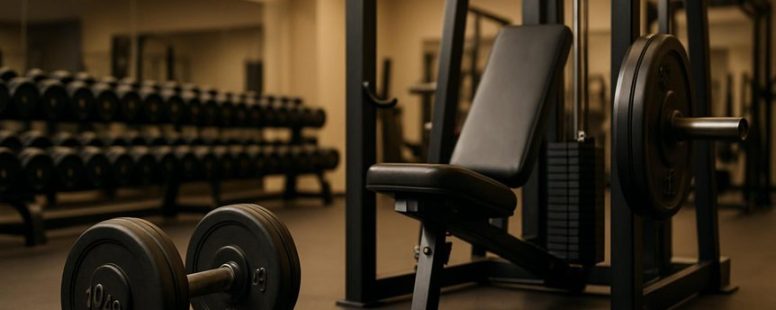
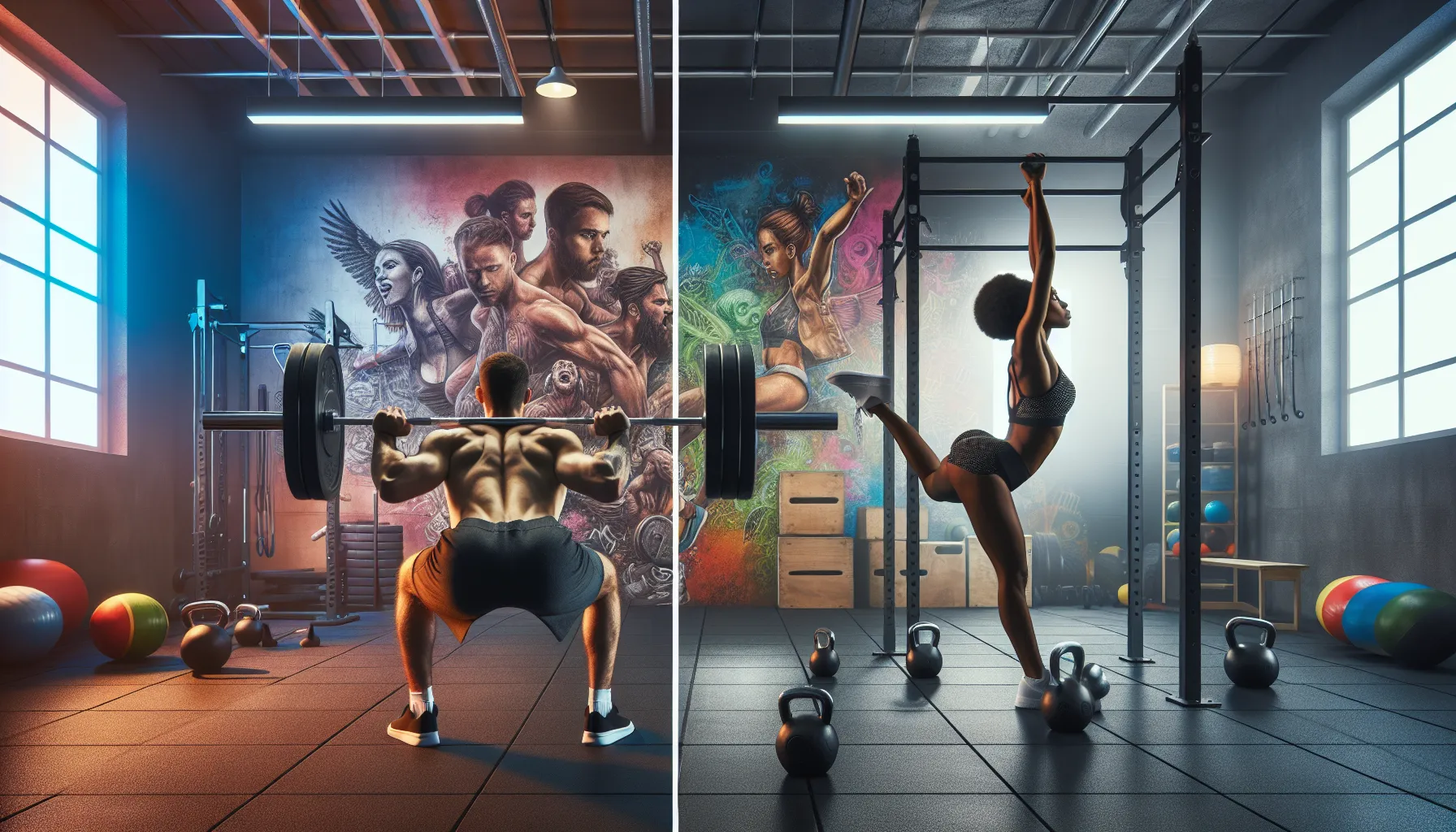
Free weights and machines target muscles in different ways. Free weights are best if you want to build strength in many muscles at once. They require you to balance and control the weights, which activates more muscles. For example, doing a dumbbell squat makes your core and stabilizer muscles work hard to keep you steady. This makes free weights good for functional movements and improving coordination.
Machines, on the other hand, guide your movement along a set path. This makes it easier to focus only on the muscle you want to work. For example, a leg press machine isolates your leg muscles and helps you lift heavy without worrying about balance. Machines are helpful if you want to target one muscle area without risking poor form or injury.
Some people prefer free weights because they engage more muscles naturally. They can also help improve your overall balance and coordination. But free weights take more skill and can be harder for beginners. Machines are safer and easier to use, especially if you are new to lifting or want to isolate a specific muscle group.
However, both have limits. Free weights can cause injury if used improperly, and machines may not give you the same functional strength. It is good to use a mix of both based on your goals and experience. Understanding how they work helps you decide which is best for your workout.
Counter-strategy: This version clearly explains the differences, highlighting benefits and limitations with simple language. It avoids overpromising and gives realistic advice. It also includes examples for better understanding. It’s balanced, not pushing one over the other, which appeals to skeptical or distracted readers.
Cynical Consumer: The text is straightforward, avoiding hype or vague claims. It shows both pros and cons, so I don’t feel like I’m being sold something. It gives real examples, like dumbbell squats and leg presses, making it believable. It’s simple and honest, which I like.
Distracted Scroller: The info is short and clear, with examples I can picture. It’s not long or boring, so I won’t tune out. The comparisons are easy to follow. If I’m tired or distracted, I’ll remember the main idea: free weights are good for full-body strength, machines are good for targeting muscles easily.
Final Version:
Free weights and machines target muscles in different ways. Free weights are best if you want to build strength in many muscles at once because they require you to balance and control the weights. For example, doing a dumbbell squat makes your core and stabilizer muscles work hard to keep you steady. This makes free weights good for functional movements and improving coordination.
Machines, on the other hand, guide your movement along a set path. This helps you focus only on the muscle you want to work. For example, a leg press machine isolates your leg muscles and helps you lift heavy without worrying about balance. Machines are helpful if you want to target a specific muscle group without risking poor form or injury.
Some people prefer free weights because they engage more muscles naturally. They can also help improve your overall balance and coordination. But free weights take more skill and can be harder for beginners. Machines are safer and easier to use, especially if you are new to lifting or want to isolate one muscle.
Both have limits. Free weights can cause injuries if you don’t use proper form. Machines might not give you the same real-world strength. Using both depending on your goals and experience is usually best. Knowing how they work helps you pick the right tools for your workout.
Which Builds Strength and Muscle Faster?
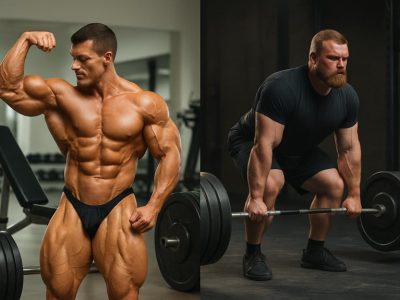
Free weights tend to build strength and muscle faster than machines. This is because they work more muscles at the same time. When you lift free weights like dumbbells or barbells, you have to control the movement. This activates stabilizer muscles that help keep your body balanced. These muscles are important for overall strength.
Free weights also let you move through a bigger range of motion. This makes your muscles work harder and grow faster. Plus, you can easily change the weight, so you can lift heavier over time. This helps you keep challenging your muscles and get stronger.
Machines are useful for beginners or when you want to focus on one muscle. But if you want to build muscle and strength quickly, free weights are better. They push your muscles more and help you get stronger faster.
However, some people might find free weights harder to use or risk injury if not done right. Machines can be safer and easier for some. So, it’s good to know both, but for speed in building muscle, free weights usually win.
How Free Weights and Machines Affect Stability
Free weights and machines affect stability in different ways. Free weights, like dumbbells and barbells, require you to balance and control the weight yourself. This means your core muscles work harder to keep you steady. For example, doing a free weight squat forces you to stay balanced, which helps strengthen your core and improve overall stability.
Machines, on the other hand, guide your movement with supports and tracks. They make it easier to keep your form correct and reduce wobbling. If you want to lift heavier weights without worrying about losing your balance, machines are a good choice. For example, a leg press machine lets you push heavy weights safely because it controls your movement.
Knowing these differences can help you decide what to use. If your goal is to build strength and improve balance, free weights are better. But if you want to lift heavier safely or focus on specific muscles, machines work well. Some people even mix both to get the best of both worlds.
However, it’s worth noting that relying only on machines might limit your ability to stabilize muscles used in daily life. Free weights can be tricky at first and may cause injuries if not used properly, so proper technique is key.
Balance Challenges With Freeweights
Free weights challenge your balance more than machines do. When you lift free weights, you have to control the weight yourself. This makes your muscles work harder to keep the weight steady. Because of this, your balance and coordination improve. Here is why free weights are better for developing real-world strength:
Free weights use many muscles at once. This helps you build strength that you can use in daily life, like lifting groceries or playing sports.
You have to shift your body to keep the weight from falling. This sharpens your sense of balance and helps you stay steady.
Moving free weights helps your muscles work together better. This makes your workouts more effective and your body stronger and more able to handle surprises.
Some people say free weights are harder to learn and can cause injuries if not used right. If you are new, start with lighter weights and learn proper form. Also, machines can be safer for beginners because they guide your movements. But if you want real-world strength and better balance, free weights are a good choice. Just be careful and use them wisely.
Machine-Guided Stability Support
Machines help you stay steady when lifting weights, especially if you are new or want to focus on building strength. Unlike free weights, which need more balance, machines guide your movements along a set path. This makes exercise easier and safer because you don’t have to worry about dropping weights or losing control.
Using machines can make your workout more efficient. They let you target specific muscles because the movement is controlled. For example, if you want to work only your chest, a machine can help you do that without using extra muscles to keep balance. This is helpful if your goal is to build strength quickly or avoid injuries.
But some people say free weights are better because they challenge your balance and help develop more muscles. Machines support your stability, so you can focus only on lifting. However, they might not prepare you as well for real-life activities that need balance and coordination.
If you decide to use machines, start with light weights and learn how each machine works. Be careful not to rely only on machines because they don’t mimic real-life movements exactly. Mixing both free weights and machines can give you the best of both worlds.
In the end, machines are a good choice if you want to lift safely and focus on muscle strength. Just remember, they are not the only way to get fit. Combining different tools and exercises can help you stay balanced and strong for whatever your fitness goals are.
Core Engagement Differences
Free weights challenge your core muscles more than machines do. When you lift free weights like dumbbells or barbells, your body constantly works to keep your balance and control the movement. This means your core muscles, in your stomach and sides, have to engage more. Machines, however, guide your movement along a set path, so your core doesn’t have to work as hard.
Here’s why this matters:
Using free weights helps your body stabilize better because it has to control the movement. This makes your muscles stronger all around.
It also increases core activation, which can lead to better posture and less back pain.
Machines limit how much your core works, so they are less helpful for building balance and functional strength needed in everyday life.
If you want a workout that really tests your core, free weights are better. But be careful—using them wrong can cause injuries. Machines can be safer if you’re new or have health issues. So, both have their place depending on your goals and experience.
How Machines Provide a Safer Option for Beginners?
Machines are a safer way for beginners to start strength training. They help you move in a controlled way, so you don’t accidentally hurt yourself. Unlike free weights, machines guide your muscles and keep your form correct. This makes it less likely to get injured from wrong posture or technique. For example, a leg press machine can help you build leg strength without risking balance issues or overextending.
Some people say machines are good for building confidence because they are simple to use. You can focus on the exercise without thinking about balancing or coordination. However, others warn that relying only on machines might limit your progress. They don’t work your stabilizer muscles as much as free weights do. So, after you get comfortable with machines, it’s a good idea to try free weights for more challenge.
If you are new to strength training, start with machines. Use them to learn proper movement and build strength safely. Later, you can add free weights to improve your balance and muscle control. Remember, even with machines, pay attention to your body and avoid pushing too hard too fast. Safety should always come first.
Controlled Movement Patterns
Machines help beginners move safely during workouts because they guide your body along a set path. This makes it less likely to make mistakes that could hurt you. When you use machines, your joints stay in the right place, and your muscles work together better. This makes your workout safer and helps you learn proper form. Machines also make it easier to change your exercises gradually, so you won’t get overwhelmed.
Here’s why machines work well for controlled movement:
Limited range of motion means you won’t accidentally move in ways that could hurt your muscles or joints. Imagine a train on tracks – it stays on the right path.
Gradual flexibility is easier with machines. You can slowly stretch and strengthen muscles without pushing too hard too fast.
They help you build strength step by step by guiding your muscles through steady, controlled moves. This makes it easier to get stronger safely.
For beginners, using machines is a good way to learn safe habits and build confidence. But keep in mind, machines don’t work all muscles the same as free weights do. Some people find they need free weights later to improve balance and stability. Also, overusing machines might make your workout less functional for real-life activities. So, it’s good to mix in different types of exercises as you get stronger.
Reduced Injury Risk
Machines are often safer than free weights for beginners. They help guide your movements and include safety features, which makes it less likely you will hurt yourself. When you start lifting, it’s easy to make mistakes with free weights that can strain your joints or cause injuries. Machines let you focus on proper form without guessing, so your risk goes down.
Another good thing about machines is that you can change how hard they are easily. If your muscles get stronger, you can make the exercise more challenging. Machines also move in a controlled way, helping you stay consistent with your workouts and recover faster. This makes them a good choice if you want to build strength safely.
Some people say free weights are better because they work more muscles and improve balance. But machines are safer when you are new or trying to avoid injuries. Just know that machines might not help with all the small muscles that keep your body balanced.
If you are just starting out, using machines can give you confidence to push yourself without worrying about doing something wrong. They protect your joints and help you build strength step by step. So, for beginners or anyone worried about getting hurt, machines offer a safer way to learn and progress.
Guided Muscle Engagement
Machines help you focus on the right muscles during workouts. They follow a set path, so you don’t need to guess which muscles to use. This makes it easier for beginners to learn proper form. Machines also make sure you activate the correct muscles, which helps prevent injuries and bad habits.
Here’s why machines are safer for people new to strength training:
They limit movement to a fixed path. This means you won’t accidentally use other muscles to compensate.
The controlled movement helps you connect your mind to your muscles faster. You learn which muscles to feel working.
Machines don’t need a spotter or good balance. This lets you focus only on muscle activation, not on staying safe.
For someone just starting out, machines give a simple, safe way to practice proper muscle engagement before trying free weights. However, some critics say that machines don’t prepare you for real-life movements or balance. They might also limit your overall muscle use. So, while machines are good for beginners, moving to free weights later can give you more strength and stability.
In short, machines are a good first step. They make workouts safer and easier to learn. Just remember, relying only on machines might leave you less prepared for everyday activities and other types of exercise.
How Free Weights and Machines Help Prevent Injuries
Free weights and machines both help prevent injuries when used properly.
Free weights like dumbbells and barbells require you to control your movements. This helps strengthen stabilizing muscles and improves your balance. For example, doing squats with free weights makes your core and leg muscles work together, which can prevent falls or strains. But, using free weights also needs focus. If you lift with bad form, you might strain a muscle or hurt your joints. So, it’s smart to learn correct technique first and start with light weights.
Machines are different. They guide your movements to keep you safe. Machines like the leg press or chest press have fixed paths, which helps beginners avoid mistakes. They also reduce joint stress because they limit how far you move. This makes them good for rehab or for people who are new to lifting. But, machines can limit your range of motion and may not build as much stabilizer muscle as free weights do.
Some people prefer free weights because they feel more natural and help build more overall strength. Others like machines because they are simpler and safer. The best way is to use both. Free weights can help improve your balance and control, while machines can give you a safe way to build strength. Just remember, no matter what you use, always focus on proper form and don’t push too hard too fast.
In the end, combining free weights and machines gives you a balanced approach. You get the support you need and also challenge your muscles in different ways. This can help you stay safe and make progress in your fitness journey.
How Equipment Choice Affects Workout Variety
Choosing between free weights and machines can change how many different exercises you can do. Here is what you need to know:
Free weights like dumbbells and barbells give you more options. You can change angles and move in different ways, which helps work muscles in new ways. For example, doing a bicep curl at different angles can hit muscles differently. This makes your workouts more interesting and helps you learn new moves.
Machines make it easier to target certain muscles. You don’t need to balance weights or think about stability. Machines like the leg press or chest machine help you focus on specific areas. They are good if you want steady progress without worrying about losing your balance or doing the wrong move.
Using both free weights and machines makes your workouts more fun. You get the freedom and challenge of free weights plus the stability of machines. For example, you could do free weight squats one day and use a leg press machine another day. This variety keeps you motivated and helps prevent boredom.
Some people worry that sticking to only one type of equipment limits their progress. Others might find that machines feel too easy or boring after a while. It’s best to mix both types to get the most out of your workouts. Remember, trying new exercises keeps your muscles guessing and your interest high.
Counter-strategies:
The Ruthless Competitor would say that claiming variety is key ignores individual goals and that machines can sometimes limit functional strength. They might argue that free weights are superior for real-world strength.
The Cynical Consumer would doubt the real benefits, thinking this advice is just sales talk for gym equipment. They want proof that mixing tools actually leads to better results.
The Distracted Scroller might forget the main point quickly and only remember that there are two options, not why mixing them is good.
Final note:
Don’t be afraid to experiment. Try both and see what feels best for you. Your routine should be fun and challenging. If you get bored or stop seeing progress, change things up. That’s the best way to keep your workouts effective and interesting.
Matching Equipment to Experience and Goals
Choosing the right equipment depends on your experience and goals. Here are the facts you need to know.
First, if you’re new to working out, machines are a good choice. They help you learn the movements because they guide your body. This makes it easier to avoid injuries and see your progress over time. For example, a leg press machine makes it simple to work your thighs without worrying about balance. Machines like the Bowflex or Nautilus are popular options for beginners. But remember, machines limit how much you can change the exercise, so they might not prepare you for real-world activities.
Second, if you have more experience or want to challenge yourself, free weights are better. They include dumbbells, kettlebells, and barbells. Free weights demand more control and help build balance and coordination. For instance, doing a squat with a barbell forces your muscles to work together, just like lifting a heavy bag or moving furniture. They are great for building muscle or functional strength. But, free weights can be risky if used incorrectly. You might hurt yourself or use poor form if you’re not careful.
Some people prefer machines because they feel safer and easier to use. Others like free weights because they feel more natural and versatile. If you like to switch exercises quickly or focus on specific muscles, free weights are better. If you’re worried about safety or just starting out, machines can give you confidence.
Remember, your goals and preferences matter. If you want to build muscle fast, free weights might be best. If you want to improve overall fitness with less risk, machines work well. Combining both can give you the best results. Just make sure to learn proper form and start slowly.
In the end, picking the right equipment depends on your experience, goals, and comfort. Use what helps you stay consistent and safe. That way, your workouts will be effective, fun, and help you reach your goals.
How to Decide What’s Best for Your Routine
How to Decide What Fits Best in Your Workout Routine
Choosing the right activities for your workout depends on what works best for you. Here are some steps to help you make that choice:
1. Look at Your Workout Space and Equipment
Your options depend on where you exercise. If you go to a gym like Planet Fitness or LA Fitness, check what machines or weights they have. For example, if the gym has only a few free weights, you might need to focus on bodyweight exercises or cardio. Also, think about accessibility. If the gym is crowded or far away, it might be hard to stick with certain routines.
2. Set Your Fitness Goals and Know Your Experience Level
Your goals matter. Want to build muscle, lose weight, or get stronger? Beginners might find machines easier because they guide your movements. Experienced lifters may prefer free weights for more challenge and variety. For example, if you’re just starting out, machines can help prevent injury. But if you’re experienced and want to push harder, free weights give more flexibility.
3. Find What Motivates You and What You Enjoy
Choose workouts that keep you excited. If you hate running but love cycling, pick cycling. If you enjoy quick sessions, pick exercises that fit into your schedule. When you like what you do, you’re more likely to stick with it. Think of it like choosing a hobby; you’re more likely to keep playing if you enjoy it.
Warning: Sometimes, what seems perfect on paper might not work in real life. For example, a gym might have the right equipment but be too crowded. Or, you might love running but develop knee pain. Be ready to adjust your routine if needed.
Two sides to consider: Some say sticking to one type of exercise helps progress faster. Others believe mixing things up keeps motivation high and prevents boredom. Both are right, but balance is key.
Deciding what to include in your workout isn’t always easy. Think about your space, goals, and what keeps you motivated. Experiment and don’t be afraid to change things if they don’t work. Remember, the best routine is the one you can stick with over time.
To provide the best experiences, we use technologies like cookies to store and/or access device information. Consenting to these technologies will allow us to process data such as browsing behaviour or unique IDs on this site. Not consenting or withdrawing consent, may adversely affect certain features and functions.
Functional
Always active
The technical storage or access is strictly necessary for the legitimate purpose of enabling the use of a specific service explicitly requested by the subscriber or user, or for the sole purpose of carrying out the transmission of a communication over an electronic communications network.
Preferences
The technical storage or access is necessary for the legitimate purpose of storing preferences that are not requested by the subscriber or user.
Statistics
The technical storage or access that is used exclusively for statistical purposes.The technical storage or access that is used exclusively for anonymous statistical purposes. Without a subpoena, voluntary compliance on the part of your Internet Service Provider, or additional records from a third party, information stored or retrieved for this purpose alone cannot usually be used to identify you.
Marketing
The technical storage or access is required to create user profiles to send advertising, or to track the user on a website or across several websites for similar marketing purposes.