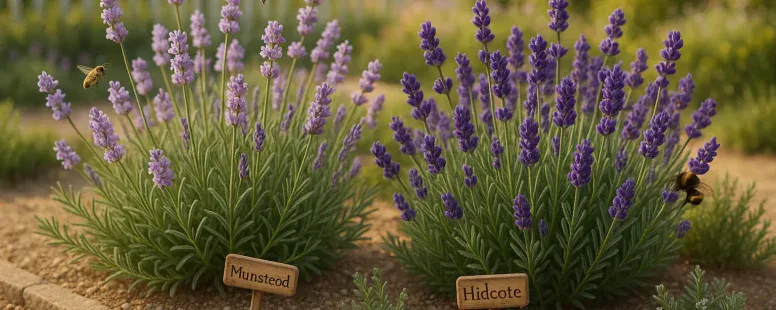
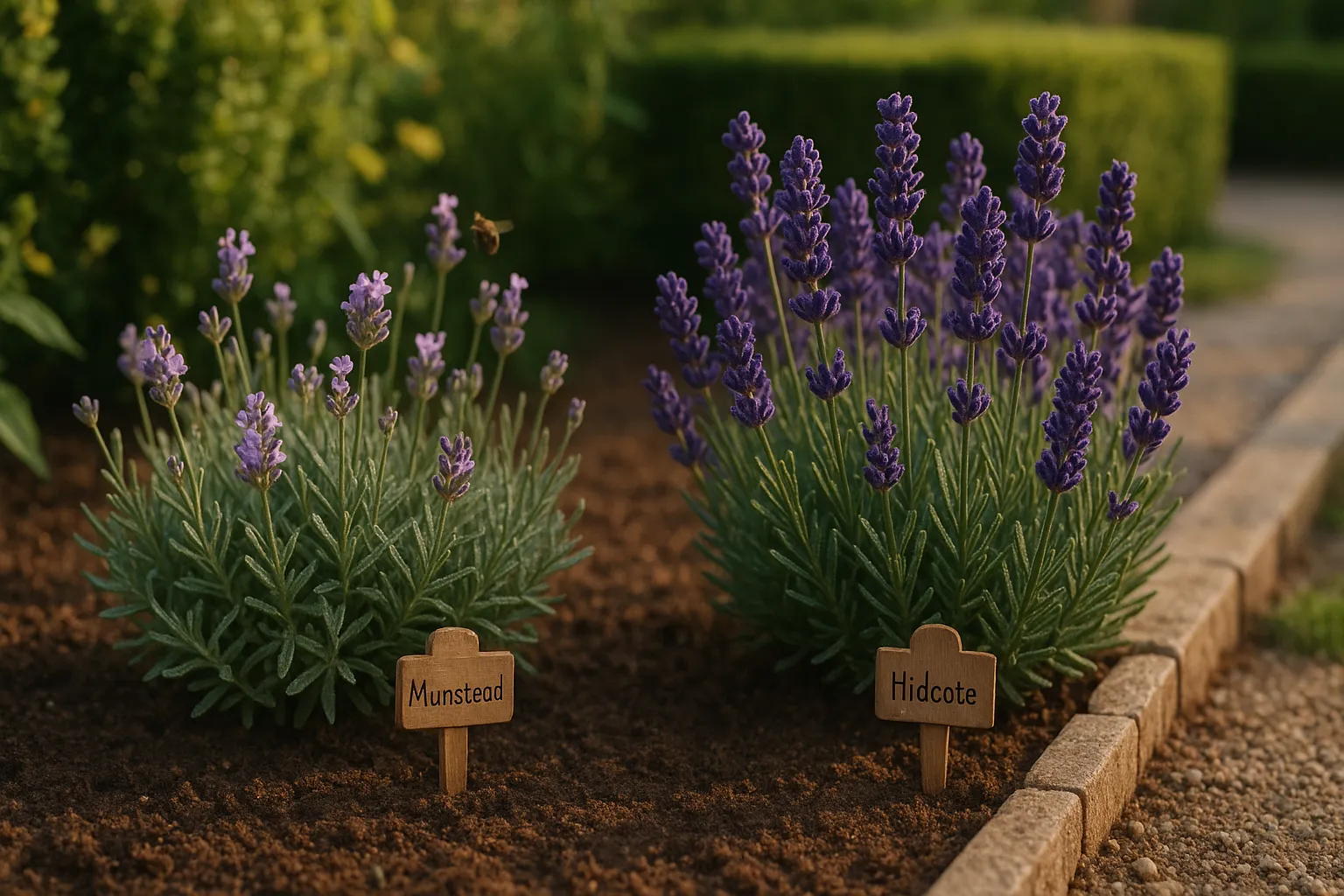
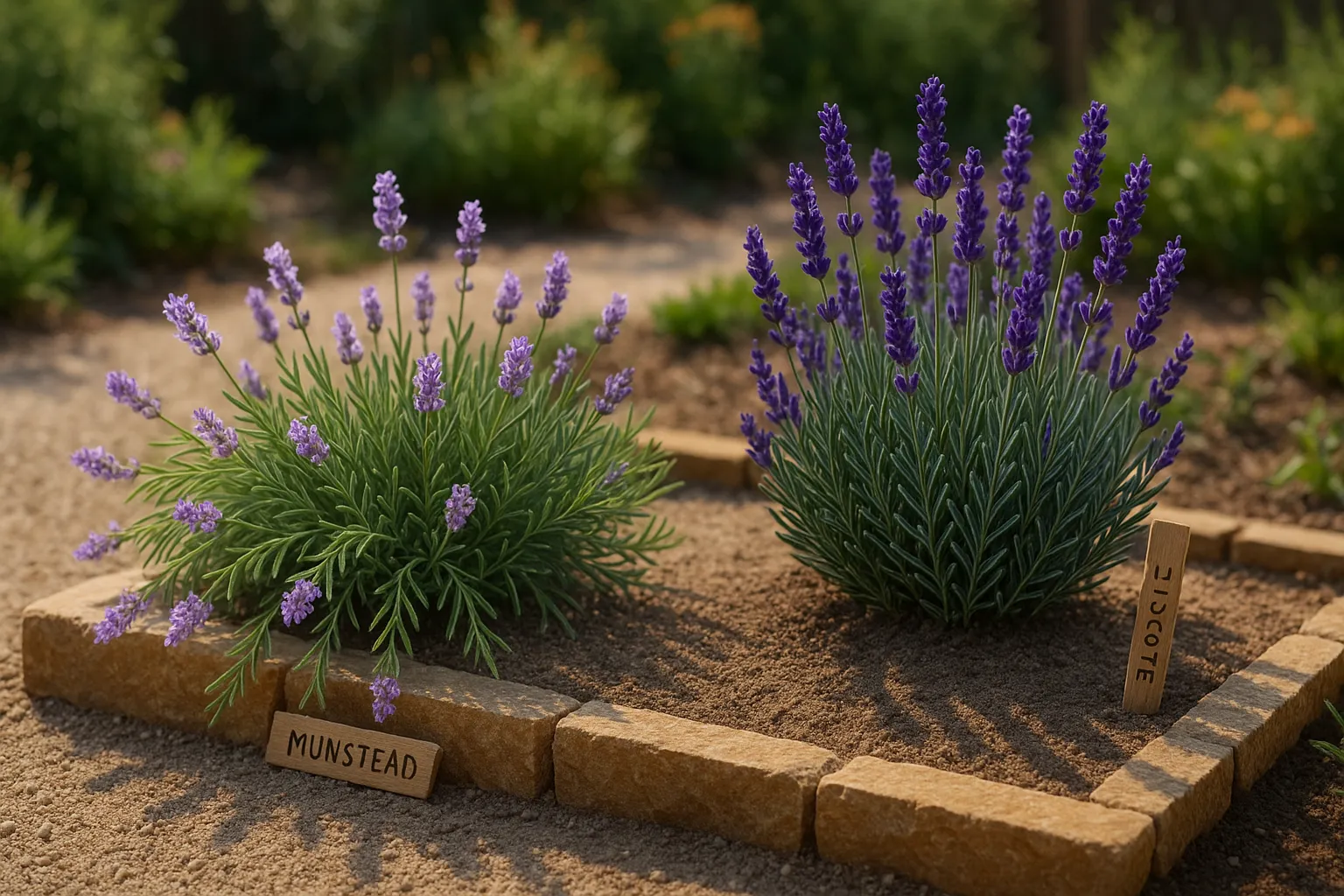
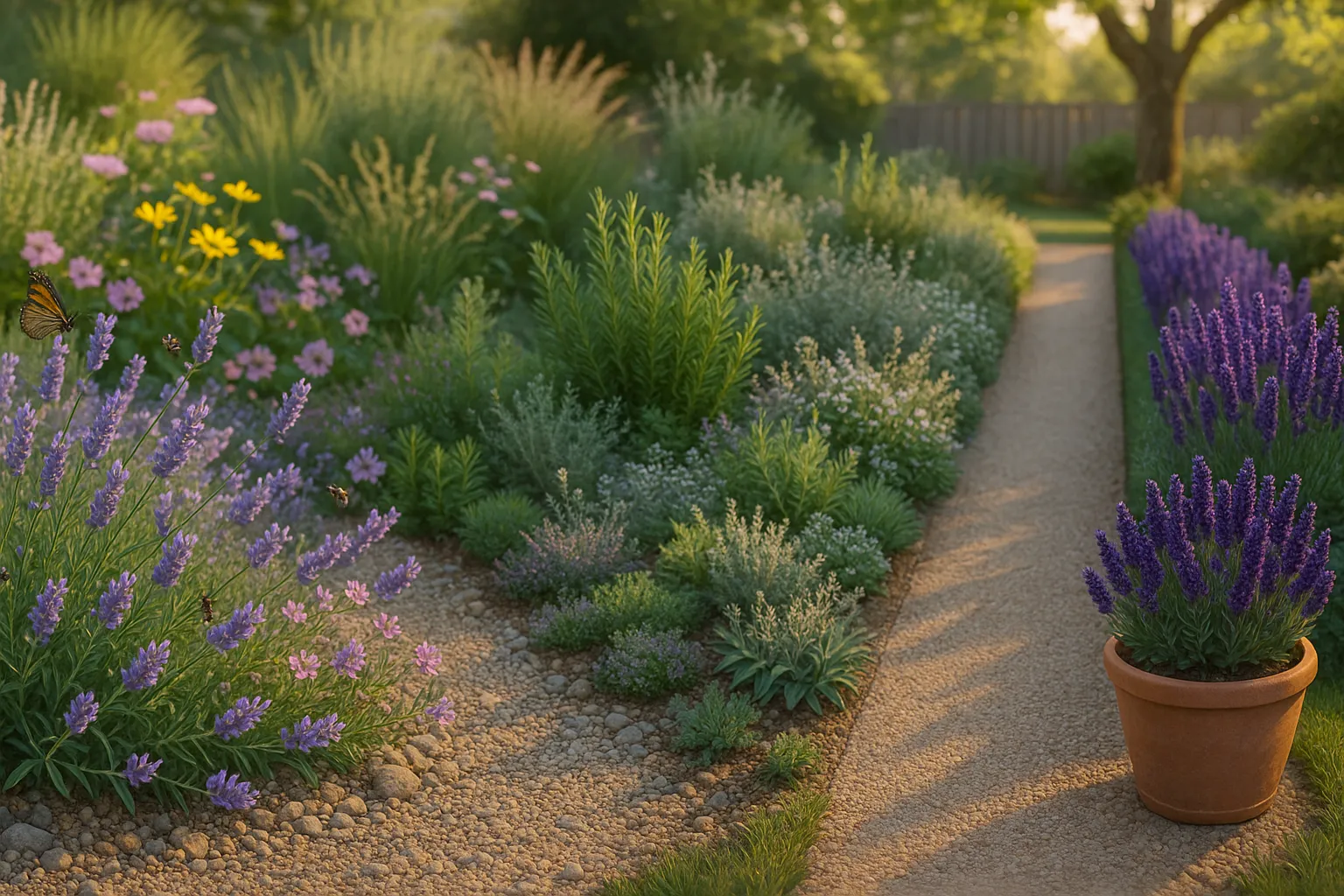
You can pick lavender for scent, for structure, or for a bee-friendly patch that hums in July. Munstead and Hidcote are two of the most planted garden lavenders, yet they behave differently in your bed. One tends to form a soft, rolling mound with pale-lilac blooms and a relaxed attitude: the other makes a tight, dark-purple button that reads like punctuation in a border. This comparison lets you see the practical differences at a glance, growth, bloom, care, and problems, so you can choose the right lavender for your garden’s story and season.
At-A-Glance Comparison: Key Traits Side-By-Side
Fact: Munstead and Hidcote are both cultivars of Lavandula angustifolia with distinct traits you can use to match to sites and uses.
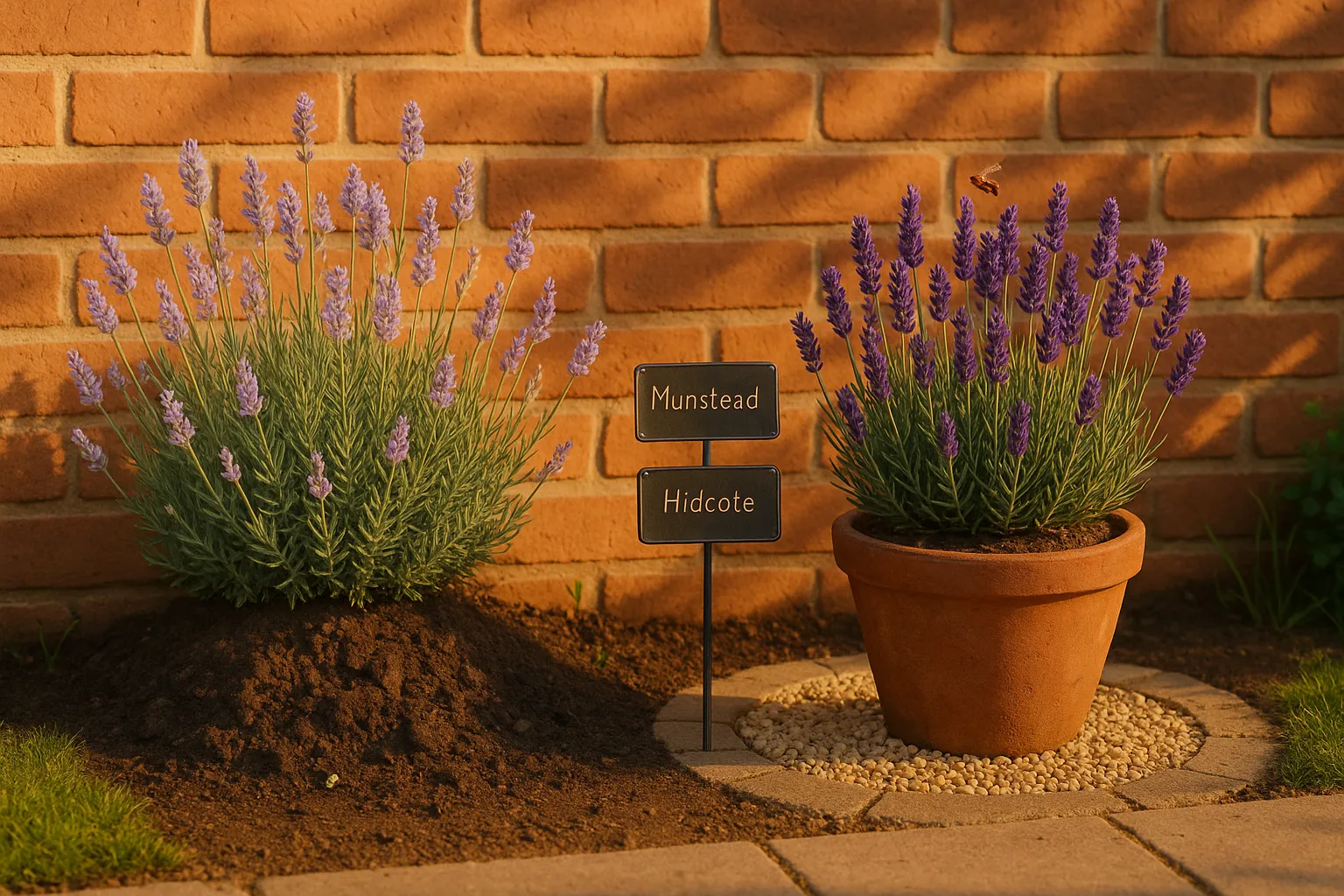
Munstead (Lavandula angustifolia ‘Munstead’), Height: 12–18 in (30–45 cm). Habit: relaxed mound. Flower: soft lilac to light purple. Fragrance: sweet, floral, somewhat soft. Best for: informal borders, pollinator patches, low hedging. USDA hardiness: generally zones 5–9.
Hidcote (Lavandula angustifolia ‘Hidcote’), Height: 16–24 in (40–60 cm). Habit: compact, dense, almost clipped. Flower: deep violet-purple. Fragrance: strong, slightly camphorous. Best for: formal edging, scented pots, structured designs. USDA hardiness: generally zones 5–9.
Quick decision cue: choose Munstead when you want a softer, spreading look and earlier scent: choose Hidcote when you want dense form and intense color. This lets you match plant to purpose quickly, without trial-and-error.
Botanical Characteristics And Growth Habit
Fact: both cultivars are true English lavenders (Lavandula angustifolia), but their growth habits differ in ways that affect planting and pruning.
Size, Form, And Foliage
Munstead forms a low mound with arching branches and narrow grey-green leaves. Leaves feel slightly softer to the touch. Hidcote holds a tighter crown with more upright stems and slightly darker foliage. You will notice Hidcote keeps edge lines better after winter: Munstead will spill into paths if you let it.
Flowering Time, Color, And Fragrance
Munstead typically starts flowering in late spring to early summer and will often give a second, lighter flush in late summer if you deadhead. Its color runs from pale lavender to medium lilac. Hidcote flowers a touch later and longer, with richer violet tones that stand out at the back of a border. Fragrance: Munstead offers a gentle floral note good for sachets: Hidcote gives a stronger aromatic hit that works well for essential oil or drying.
Hardiness, Climate Adaptability, And Soil Preferences
Both cultivars are hardy across USDA zones 5–9. They prefer full sun, and neutral to alkaline, well-drained soil. Munstead tolerates slightly heavier soils than Hidcote, but neither likes constant wet feet. In humid summers you may need to place them in dryer microclimates or raised beds to avoid fungal issues.
Cultural Care: Planting, Watering, And Maintenance
Fact: good drainage and full sun are the single most important cultural requirements for both Munstead and Hidcote.
Planting Location, Spacing, And Soil Preparation
Place plants in full sun with at least six hours of direct light. Use a gritty, free-draining mix or add coarse sand and small gravel to native soil. Space Munstead 12–18 inches apart: space Hidcote 16–20 inches apart to maintain airflow and the intended shape. If your soil is heavy clay, plant on a raised berm or in a mound and mix in compost and grit for drainage.
Watering, Feeding, And Winter Care
Water newly planted lavenders weekly in the first season, then reduce to deep, infrequent soakings. Both cultivars dislike overwatering: you should let the top inch of soil dry before rewatering. Feed lightly with a low-nitrogen fertilizer in spring, too much nitrogen makes leggy growth. In winter, protect young plants from prolonged wet and ice by improving drainage and avoiding mulch against the crown.
Pruning, Propagation, And Longevity
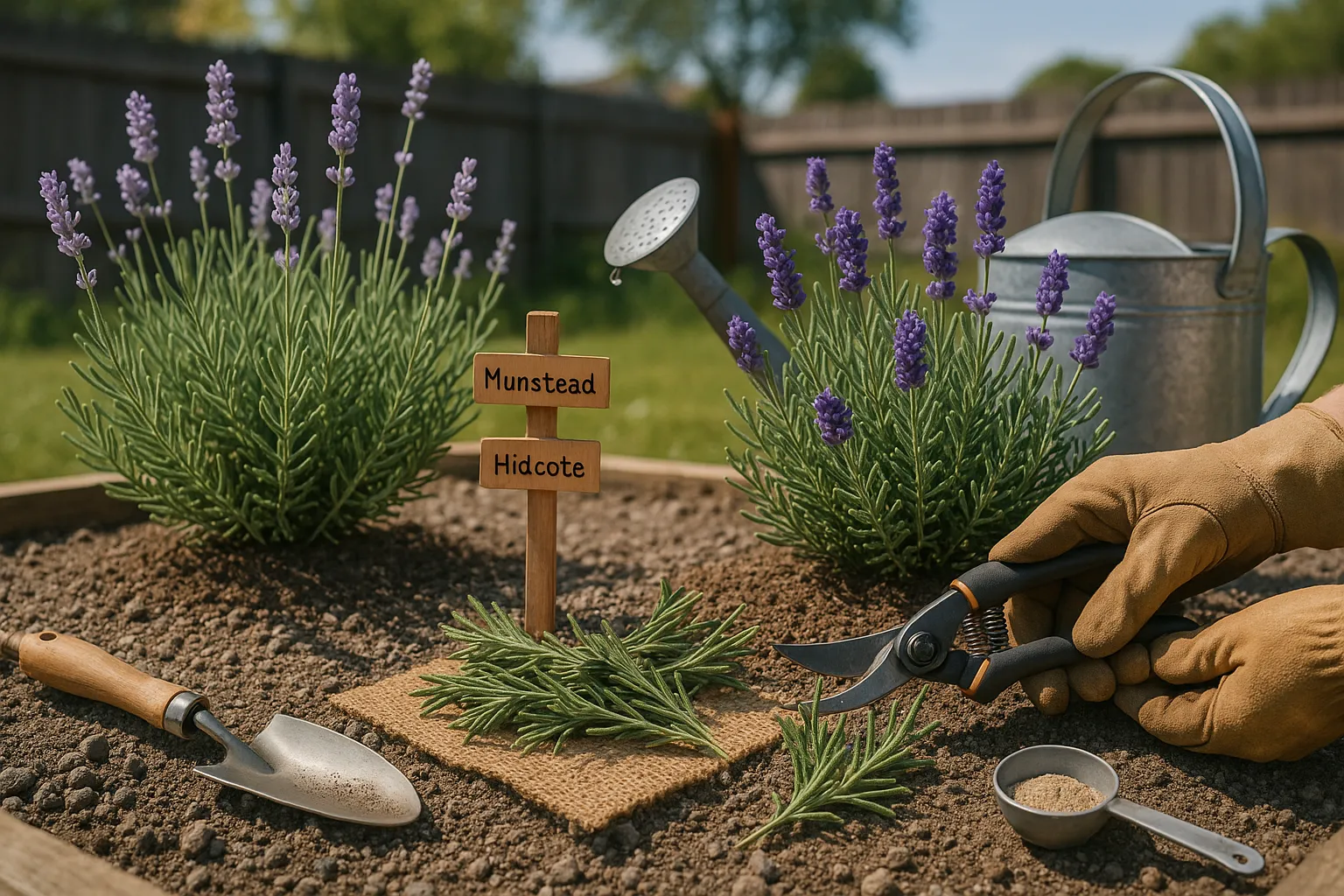
Prune after the main bloom to keep shape: cut about one-third off the flowered stems, trimming back into green growth. Avoid cutting into old, woody wood that lacks green buds. Propagate by softwood cuttings in late spring or semi-ripe cuttings in summer: both take root readily in a well-drained cutting mix. With care, plants can live 8–15 years: replacement may be simpler than repeated severe rejuvenation.
Landscape Uses And Design Considerations
Fact: Munstead suits relaxed designs, Hidcote suits formal structure, and both are great for pollinators.
Borders, Hedges, And Low Screens
Use Munstead for soft borders and cottage-style plantings where plants can mingle. Its lower height makes it ideal for the front of mixed borders. Hidcote excels where you need a clear, clipped edge or a low, scented hedge pathway. Plant Hidcote closer together for a continuous purple ribbon effect.
Containers, Rock Gardens, And Pollinator Plantings
Hidcote thrives in containers because its compact habit stays tidy and concentrated. Munstead does well in rock gardens and larger containers where it can spread. Both cultivars attract bees and butterflies: a patch planted in drifts will amplify pollinator visits. If you grow for cut bunches or sachets, Munstead’s earlier bloom can give you harvest flexibility, while Hidcote offers visually stronger bunches.
Companion Plants And Color Schemes
Pair both lavenders with Mediterranean herbs: rosemary (Salvia rosmarinus), thyme (Thymus), and oregano (Origanum) for a drought-tolerant palette. Combine Hidcote with silver-leafed plants and white-flowering perennials to make the purple pop. Pair Munstead with soft pinks, warm yellows, and grasses for textural contrast. Avoid high-nitrogen companions that will push leafy growth at the expense of blooms.
Choosing Between Munstead And Hidcote: Decision Guide
Fact: match plant form to garden role and microclimate for the best results.
Which To Choose Based On Climate And Zone
In cooler, wind-exposed sites both do well, but choose Munstead on wetter sites where you can improve drainage because it tolerates slightly heavier soils. In hot, dry climates both excel, but Hidcote’s compact form holds up better under reflected heat near walls. For USDA zone 5 cold pockets, tuck both near a south-facing wall for additional winter protection.
Selecting For Size, Shape, And Garden Role
Choose Munstead when you want a softer border edge or more spreading habit. Choose Hidcote when you want formal lines, container impact, or intense color focal points. If you want both scent and structure, plant Hidcote as an edge and Munstead behind it for a layered effect.
Prioritizing Fragrance, Bloom Time, Or Ease Of Care
If fragrance strength is the priority, pick Hidcote for a punchier scent. If early bloom and easy establishment are more important, Munstead is often quicker to flower and less fussy about slightly heavier soils. For lowest maintenance, both are good: Munstead may forgive minor cultural slip-ups a bit more than Hidcote will.
Common Problems, Pests, And Troubleshooting Specific To Each
Fact: drainage problems cause most lavender failures: pests and diseases are secondary but manageable.
Root Rot, Overwatering, And Soil Drainage Issues
Root rot (often Phytophthora or Pythium in waterlogged soils) kills lavender quickly. Both Munstead and Hidcote show yellowing, wilting, and dieback when roots suffocate. Remedy: lift the plant, inspect roots (brown mushy roots confirm rot), and replant into raised, gritty soil or discard and replace with better drainage. Do not replant in the same spot without improving drainage.
Pests, Diseases, And How To Manage Them Organically
Common pests include aphids, spittlebugs, and leafhoppers. Control: use strong water sprays, insecticidal soap, or neem oil and encourage predators like lady beetles. Fungal leaf spots and botrytis can appear in humid summers: improve airflow, avoid overhead watering, and remove affected foliage. For organic fungal control, apply copper or Bacillus subtilis products sparingly and only when needed. Monitor regularly, early action prevents bigger losses. Beware of deer and rabbits in some regions: Hidcote’s stronger scent sometimes deters browsers slightly more than Munstead, but protection may still be necessary.
Quick Care Checklist And Planting Timeline
Fact: a seasonal checklist keeps both cultivars healthy and productive with minimal fuss.
Seasonal To-Do List For Munstead
Spring: Plant in well-drained beds. Prune lightly if winter dieback occurred. Feed with a low-nitrogen fertilizer.
Early Summer: Harvest stems for drying just as buds open. Deadhead to encourage a second flush.
Late Summer: Reduce watering as growth slows: prepare for winter by improving drainage if needed.
Winter: Inspect crowns: protect very young plants from prolonged wet and ice.
Seasonal To-Do List For Hidcote
Spring: Plant in full sun with gritty soil. Shape lightly after new growth appears.
Early to Mid-Summer: Cut fresh flowers for arrangements when fully colored: leave some for pollinators.
Late Summer: Prune spent flower stems back to a neat crown, but avoid cutting into old wood.
Winter: Ensure soil is dry and not compacted: add a shallow gravel mulch for frost protection if you get heavy freezes.
Action: pick one cultivar for the role you need and calendar the pruning and harvest dates in your phone. Your lavender will reward you with scent, structure, and steady visits from bees, and you’ll have bunches to dry or share.
To provide the best experiences, we use technologies like cookies to store and/or access device information. Consenting to these technologies will allow us to process data such as browsing behaviour or unique IDs on this site. Not consenting or withdrawing consent, may adversely affect certain features and functions.
Functional
Always active
The technical storage or access is strictly necessary for the legitimate purpose of enabling the use of a specific service explicitly requested by the subscriber or user, or for the sole purpose of carrying out the transmission of a communication over an electronic communications network.
Preferences
The technical storage or access is necessary for the legitimate purpose of storing preferences that are not requested by the subscriber or user.
Statistics
The technical storage or access that is used exclusively for statistical purposes.The technical storage or access that is used exclusively for anonymous statistical purposes. Without a subpoena, voluntary compliance on the part of your Internet Service Provider, or additional records from a third party, information stored or retrieved for this purpose alone cannot usually be used to identify you.
Marketing
The technical storage or access is required to create user profiles to send advertising, or to track the user on a website or across several websites for similar marketing purposes.