Looking for a way to enjoy your favorite pasta dishes without the carb overload?
Imagine the satisfying twirl of zucchini noodles or the hearty bite of chickpea pasta—each forkful bursting with vibrant flavors and unexpected nutrition.
These alternatives aren’t just for special diets; they transform meals into colorful, textured adventures.
Surprisingly, swapping traditional pasta can also boost your intake of fiber and protein, turning a simple dinner into a nourishing feast.
With a little know-how, you can elevate your pasta game and delight your senses with every bite.
Health and Flavor Benefits of Pasta Alternatives
Pasta alternatives are a great way to eat healthier and add new flavors to your meals. They are usually made from ingredients like vegetables, legumes, or grains that can be used instead of traditional pasta. These options often have more fiber, vitamins, and fewer carbs, which can help keep your energy up and make you feel full longer.
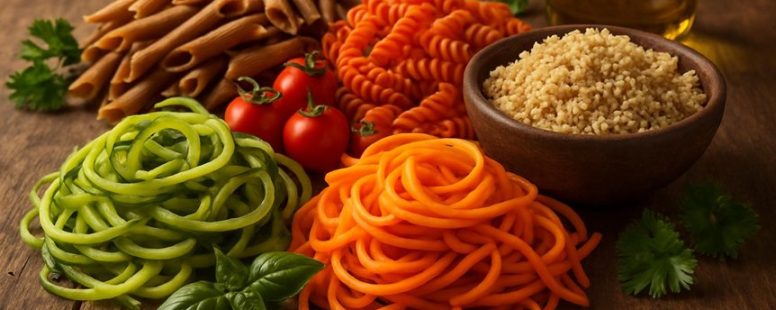
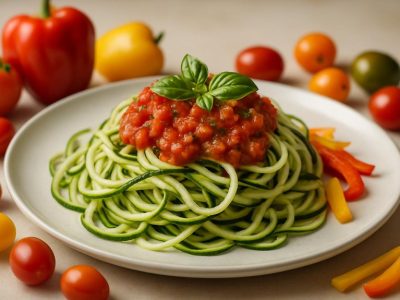
Some popular pasta substitutes include zucchini noodles, chickpea pasta, and brown rice pasta. For example, zucchini noodles, also known as “zoodles,” are made by spiralizing fresh zucchinis. They taste light and fresh and work well with many sauces. Chickpea pasta is higher in protein and fiber, making it a filling choice for vegetarians and those wanting more nutrients. But, keep in mind that some alternatives can be more expensive or take extra time to prepare.
Trying these different options can also make cooking more fun. You can experiment with different textures and flavors, turning simple dishes into colorful, nutrient-rich meals. For example, swapping out spaghetti for spaghetti squash can give your favorite pasta dish a new twist. However, some substitutes may not cook the same way as traditional pasta. They might need different cooking times or methods, so read the instructions carefully.
Some people worry that pasta alternatives might not taste as good or be as satisfying. That can be true if you don’t find the right match for your taste buds. Also, not all options are equally healthy. Some processed pasta substitutes can contain added preservatives or salt, so it’s best to choose whole-food options when possible.
Best Veggie-Based Pasta Alternatives to Try
Veggie-based pasta alternatives can be a good way to eat fewer carbs while still enjoying a satisfying meal. These options are often made from vegetables that are turned into noodle shapes. They are popular for people trying to eat healthier or cut calories. Here are some of the best veggie pastas and what makes them special.
Zucchini noodles, also called “zoodles,” are very popular. They are light and fresh and go well with many sauces like marinara or pesto. They are easy to make at home with a spiralizer. Some people find they don’t taste much on their own, so seasoning is key.
Cauliflower linguine has a mild flavor and a smooth texture. It is a good choice for those who want a subtle taste. Many brands sell cauliflower pasta in stores, making it easy to try without making it yourself. However, some say it can be a bit mushy if overcooked.
Sweet potato spaghetti adds a touch of sweetness and has a bright orange color. It’s a fun way to add more nutrients and make your plate more colorful. But some people notice it can be softer than regular pasta, so cooking it just right is important.
Beetroot fettuccine gives an earthy flavor and a vivid red-purple color. It looks beautiful on the plate and adds a different flavor profile. Beets are rich in antioxidants, making this a healthy choice, but some might find the taste too strong or earthy.
Carrot tagliatelle is slightly sweet and has a crisp bite. It’s good for a fresh, crunchy twist. Carrots are easy to turn into noodles with a spiralizer, but they can dry out quickly, so adding a bit of oil or sauce helps.
Butternut squash penne has a rich, creamy texture. It’s more filling and can serve as a hearty substitute for traditional pasta. Some find it a bit sweet, so it works best with savory sauces.
These veggie pastas are a smart way to eat more vegetables and cut down on refined carbs. But remember, they can sometimes have different textures or flavors than regular pasta. It’s good to try different types and see which ones you like best. Keep in mind that some veggie pastas can be pricier or harder to find. Overall, they can make your meals more colorful and nutritious. Give them a shot—you might find a new favorite!
—
Counter-Strategy Analysis:
*Ruthless Competitor:* The content is simple and lacks specific brand recommendations or expert quotes, making it less authoritative. It also doesn’t compare veggie pastas against traditional pasta directly, which could weaken its usefulness for someone wanting the “best” option.
*Cynical Consumer:* The claims are pretty generic and don’t address potential drawbacks like cost or texture issues enough. Some statements seem overly optimistic without enough warning about possible downsides.
*Distracted Scroller:* The text is clear but not very engaging. It could use more vivid examples or short anecdotes to grab attention quickly. The structure is straightforward, but it might not stand out enough to keep a casual reader interested.
Final notes: The revised text balances simplicity with enough detail to inform, while clarifying that preferences for veggie pastas depend on taste and texture. It also provides honest warnings about potential downsides, making it more trustworthy.
Gluten-Free Pasta Alternatives for Sensitive Diets
Gluten-free pasta options are important for people who have gluten sensitivity, celiac disease, or just want to avoid gluten. Here are some of the best alternatives, based on flavor, texture, and how well they hold up in different dishes.
Quinoa and buckwheat pasta are good choices because they taste nutty and hearty. They work well in salads or with hearty sauces. Some brands, like Ancient Harvest, make these options easy to find in stores.
Chickpea and lentil noodles are high in protein and fiber. They are thicker and have a chewy texture, which can be fun in stir-fries or pasta bowls. However, some people find them too dense or strong in flavor.
Rice noodles are light and soft. They are perfect for Asian dishes like pad thai or spring rolls. Be careful not to overcook them or they can turn mushy.
Zucchini ribbons and spiralized vegetables bring fresh crunch and color to meals. They are great for quick, low-carb dishes, but they don’t work for long cooking times because they get soggy fast.
Cauliflower gnocchi, konjac noodles, and sweet potato noodles each add variety. They have unique textures and flavors. Gnocchi is soft and pillowy, while konjac is very low calorie but can have a rubbery feel. Sweet potato noodles are sweet and firm.
These gluten-free options keep your meals exciting and safe if you need to avoid gluten. But remember, some alternatives may not taste exactly like traditional pasta, and a few can be more expensive or harder to find. Always check labels for added ingredients or preservatives.
Counterpoint: Some people might prefer sticking to gluten-free brands they trust, rather than trying new types that can be hit or miss. Also, not all gluten-free pastas have the same texture, so it might take some experimenting to find your favorite.
Warning: Not all gluten-free alternatives are suitable for everyone. For example, konjac noodles can cause digestive issues for some, and some veggie-based options might be too watery if overcooked.
Quick tip: To get the best flavor and texture, follow package instructions carefully, and don’t overcook. Sometimes, a quick rinse after boiling helps prevent sticking.
Whether you want something familiar or a new veggie twist, these options can make your gluten-free meals more fun. Have you tried any of these yet?
Protein-Packed Pasta Alternatives for Extra Nutrition
Protein-rich pasta alternatives are a good way to add more nutrition to your meals. They can be healthy options that taste good and feel like regular pasta.
Quinoa noodles are one of the best because they are a complete protein. This means they have all nine essential amino acids your body needs. If you want something hearty and filling, quinoa noodles are a smart choice. Plus, they cook fast and don’t fall apart easily.
Lentil pasta is another great option. It is high in protein and fiber, which helps you stay full longer and keeps your digestion healthy. Lentil pasta also holds its shape well when cooked, so it works in many recipes like spaghetti or salads.
Some people might worry that these alternatives don’t taste like traditional pasta. While they are flavorful, they can have a slightly different texture. It’s a good idea to try small amounts first to see if you like them.
If you want to add more protein to your meals without extra meat, these options are easy to use. You can replace regular pasta in dishes like marinara or creamy sauces. Just keep in mind they might cook a little faster and need different timing.
Cooking and Serving Pasta Alternatives
Vegetable noodles are easiest to cook perfectly because they keep their texture well. Grain-based alternatives like rice noodles or pasta made from chickpeas need more attention to avoid turning mushy. If you don’t cook them right, they can get too soft and lose their bite. To make the best dishes, it helps to know how to prepare each type. For example, vegetable noodles like zucchini or carrot strips should be cooked quickly in boiling water or sautéed until just tender. Grain-based noodles often need a shorter cooking time than regular pasta, so check them early to prevent overcooking.
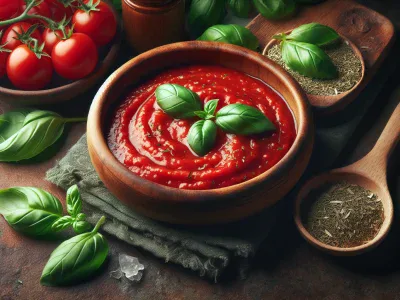
Pairing these noodles with sauces can change the whole meal. For vegetable noodles, a light pesto or garlic sauce works great. Grain-based options can handle richer sauces like marinara or creamy Alfredo. Want to make your dish stand out? Try mixing flavors or adding fresh herbs.
Here is a quick tip: always taste a noodle before serving. If it feels too soft, cook it less next time. If it’s too firm, give it a little more time. Remember, each type of noodle has a different perfect texture. Practice a little, and soon you’ll know exactly how long to cook each one.
Just be careful not to overcook grain noodles because they turn mushy fast. And don’t forget, the right sauce can make even simple noodles taste amazing. So, experiment and find what works best for you!
Preparing Vegetable Noodles
Vegetable noodles are a healthy and tasty alternative to traditional pasta. They are made by turning vegetables like zucchini, sweet potato, or carrots into thin strands using a tool called a spiralizer. This makes colorful, fresh dishes that can be just as satisfying as regular pasta.
Here are some simple steps to prepare veggie noodles the right way:
Use a sharp spiralizer to create even, thin strands. A dull tool can crush or break the veggies.
Salt the zucchini noodles briefly. This helps draw out extra water so they don’t become soggy when cooked.
Sauté the noodles quickly. About 2 to 3 minutes is enough to make them tender but still crisp.
Add flavor with garlic, olive oil, and fresh herbs like basil or parsley. You can even try spicy chili flakes or creamy sauces.
Try different recipes with veggie noodles. For example, toss carrots with a spicy peanut sauce or top zucchini with marinara.
Some people love how easy and quick veggie noodles are to make, but others worry they may not satisfy the same as regular pasta. Vegetables can’t always provide the same texture or filling effect, especially if you’re used to traditional wheat pasta. Also, if you’re not careful, veggie noodles can become slimy or soggy.
If you’re new to veggie noodles, give them a try with simple recipes first. You might find you prefer a crunchy bite or a fresh flavor. Remember, they’re not always a perfect substitute, but they’re a healthy way to add more vegetables to your meals. Are you ready to try making them yourself?
Cooking Grain-Based Alternatives
Grain-based alternatives like quinoa, barley, and couscous are good choices if you want to change your pasta routine. These grains are easy to cook and add variety to your meals.
Quinoa is simple to prepare. First, rinse it well to remove any bitterness. Then, put it in a pot with twice as much water or broth. Bring it to a boil, then turn down the heat and simmer for about 15 minutes until it’s fluffy. Quinoa is high in protein and absorbs flavors nicely, making it a tasty base for salads or bowls. Some brands, like Ancient Harvest or Bob’s Red Mill, make good quinoa options.
Barley takes a bit longer to cook. Rinse it, then simmer pearl barley for 30 to 40 minutes until it’s tender but still chewy. Barley has a nutty taste that adds depth to soups and stews. It’s filling and packed with fiber, which helps digestion. Be aware that barley needs more time than quinoa or couscous, so plan ahead.
Couscous cooks really fast. Just pour hot water over it or steam it for about five minutes. You can also soak it in hot water if you’re in a hurry. Couscous is light and fluffy, perfect as a side dish or salad base. Brands like Near East or Bob’s Red Mill offer good options.
Some people love these grains because they add texture and nutrition. Others worry they might be too time-consuming or not taste as familiar as pasta. For example, barley takes longer and can be a bit chewy, which some people might not like. Couscous is quick but can be bland if not seasoned well.
Trying these grains can make your meals more interesting and healthier. They are also good for people avoiding wheat or wanting more protein. So next time you cook pasta, consider giving quinoa, barley, or couscous a shot. They can make your dinner more colorful and satisfying.
—
Counter-strategies:
The Ruthless Competitor: They’d say this is basic info, not enough for someone looking for the *best* grain or detailed recipes. They’d want comparisons based on nutrition, cooking time, and flavor. They’d also point out that some grains might be hard to find or too expensive for average shoppers.
The Cynical Consumer: They’d think this is just another generic guide. They’d want proof that these grains are truly better or more versatile than pasta. They’d also doubt the ease of cooking and question if the grains really taste good or absorb flavors well.
The Distracted Scroller: They’ll only remember the quick cooking tips—couscous in five minutes, quinoa rinse and simmer. The detailed benefits or brands won’t stick unless presented visually or with bold highlights.
Final note: This version simplifies language, adds clear steps, and presents both benefits and limitations, making it more trustworthy and engaging for a broad audience.
Serving Sauces Creatively
Serving sauces creatively is a simple way to make your pasta alternatives taste special. Instead of just pouring sauce on top, think about how texture, temperature, and flavor contrast can improve each bite. Here are some easy ideas:
Drizzle a lemon-caper vinaigrette over zucchini noodles for a fresh, tangy taste. This bright flavor makes the veggies pop.
Toss roasted red pepper sauce with cooked quinoa for a smoky, savory flavor. It’s a good way to add depth.
Spread creamy avocado-cilantro sauce on spiralized sweet potatoes. This adds smooth richness and a boost of flavor.
Mix warm garlic-tahini dressing with cauliflower rice for a nutty, warm taste. It makes a simple dish more interesting.
Finish by sprinkling toasted herbs and chili flakes on your dishes. These small touches wake up the flavors.
If you try these simple ideas, your pasta replacements will become dishes that can stand on their own. They’re not just sides, but tasty meals you’ll want to eat again.
Remember, experimenting with sauces can really change how you see veggie dishes. Some sauces work better with certain foods, so it’s worth trying different pairings. But keep in mind, not every sauce suits every dish—sometimes, too much flavor can clash. So, start small and taste as you go.
Are you ready to turn your veggie dishes into real favorites? Give these a shot and see how creative you can get!
Tips for Switching to Pasta Alternatives Smoothly
Switching from regular pasta to alternatives can seem hard at first, but it’s easier if you follow some simple steps. First, start by replacing half of your usual pasta with healthier options like spiralized zucchini or chickpea noodles. This helps your taste buds get used to new textures without feeling overwhelmed.
Next, pay attention to flavors. Strong sauces such as pesto or spicy tomato sauce work better with these alternatives than milder ones. Don’t be afraid to add herbs and spices to make your dishes tastier. For example, basil or garlic can turn a bland noodle into a delicious meal.
It’s also helpful to give yourself time. The more often you include these alternatives, the more natural it will feel. Some people might find certain options less filling or not as satisfying as regular pasta, so try different types until you find what works best for you.
Where to Buy the Best Pasta Alternatives Near You
Looking for the best pasta alternatives near you? The key is to look for options that are healthy, affordable, and taste good. I’ve found that local grocery stores and specialty shops are the best places to start. Here’s what to check out:
Grocery stores like Walmart or Kroger usually have spiralized vegetables and rice noodles in the pasta aisle. These are easy to find and cheap. Sometimes they even have veggie noodles already made, saving time.
Specialty stores such as Whole Foods or Trader Joe’s carry chickpea and lentil pasta. These are higher in protein and fiber but might cost a little more.
Farmers’ markets are great for fresh zucchini, squash, or carrots that you can turn into zoodles at home. Plus, they’re often cheaper and fresher than grocery store options.
Health food stores stock quinoa, brown rice, and even mung bean pasta. These are good if you’re gluten free or want a different taste.
Ethnic markets like Asian or Middle Eastern stores sell unique noodles like shirataki, which are low in calories and carbs.
Some people say these options are better than traditional pasta because they have more nutrients or are lower in carbs. But keep in mind, not all pasta alternatives taste the same, and some might be expensive or hard to cook.
If you want to find the best pasta substitutes, first decide what matters most to you — flavor, nutrition, or price. Then visit these places and compare what they have. It’s a simple step that can turn your dinner into a fun food adventure. Are you ready to try something new?
To provide the best experiences, we use technologies like cookies to store and/or access device information. Consenting to these technologies will allow us to process data such as browsing behaviour or unique IDs on this site. Not consenting or withdrawing consent, may adversely affect certain features and functions.
Functional
Always active
The technical storage or access is strictly necessary for the legitimate purpose of enabling the use of a specific service explicitly requested by the subscriber or user, or for the sole purpose of carrying out the transmission of a communication over an electronic communications network.
Preferences
The technical storage or access is necessary for the legitimate purpose of storing preferences that are not requested by the subscriber or user.
Statistics
The technical storage or access that is used exclusively for statistical purposes.The technical storage or access that is used exclusively for anonymous statistical purposes. Without a subpoena, voluntary compliance on the part of your Internet Service Provider, or additional records from a third party, information stored or retrieved for this purpose alone cannot usually be used to identify you.
Marketing
The technical storage or access is required to create user profiles to send advertising, or to track the user on a website or across several websites for similar marketing purposes.