Best Substitute for Cumin
Losing cumin in your favorite dish can feel like a vital note has gone silent in a lively symphony. But don’t fret—there are clever substitutes that can step in and keep your flavors singing.
Each option offers a unique twist, whether it’s a bright citrus burst or a smoky undertone that adds depth and intrigue. Using these alternatives not only preserves the harmony but can also introduce unexpected layers of flavor you might never have explored.
Surprisingly, some substitutes even boost digestion, turning a simple seasoning swap into a small health win. Think of it as finding a new melody within your familiar tune—delightful and full of surprises.
Top 5 Best Cumin Substitutes to Try Today
Cumin is a spice with a unique flavor that’s hard to replace. If you run out of cumin, you might wonder what to use instead. Here are the top five substitutes that work well in most recipes.
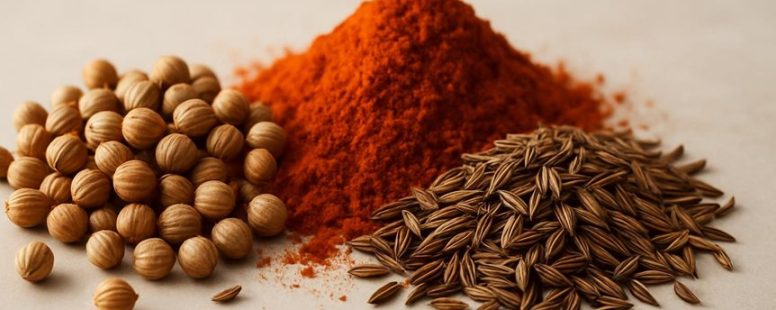
First, coriander is a good choice. It has a citrusy flavor that’s similar to cumin and can make your dish taste just right. For example, if you’re cooking chili or curry, adding ground coriander can give it that familiar warmth.
Second, caraway seeds are another option. They have an earthy taste that’s quite close to cumin. If you’ve ever eaten rye bread with caraway seeds, you know the flavor. Using them in stews or roasted vegetables can give a similar depth.
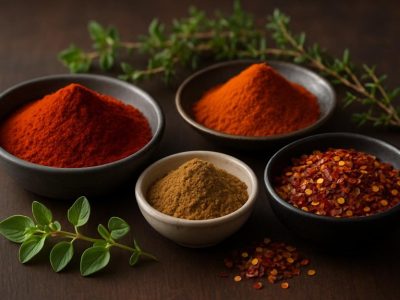
Third, chili powder often contains cumin. So, if you have chili powder in your spice cabinet, it can replace cumin, especially in spicy dishes. Just be careful because chili powder also adds heat, so use less if you don’t want it spicy.
Fourth, garam masala is a blend of spices that can add a warm, aromatic flavor. It’s common in Indian cooking and works well in lentils and meat dishes. Keep in mind it’s more complex than cumin, so it changes the flavor slightly.
Finally, smoked paprika can add a smoky taste that can stand in for cumin in many recipes. It’s great for grilled meats and soups. But be aware, smoked paprika is more intense, so start with a small amount.
These five substitutes each have their strengths and some limitations. For example, coriander is the closest match but might not work as well in very spicy dishes. Caraway seeds give a similar earthiness but can be overpowering if used too much. Chili powder is easy but adds heat, which might not be what you want. Garam masala changes the flavor profile a lot, so use it carefully. Smoked paprika offers a smoky twist but can be strong.
In short, if you’re out of cumin, try these options based on what flavor you prefer. They can save your dish without losing that essential taste. Just remember to adjust the amount to suit your recipe.
Flavor Profiles to Look for in a Cumin Substitute
When choosing a cumin substitute, the first thing to look for is spices with earthy and warm flavors. These give dishes a rich, grounding taste similar to cumin. For example, smoked paprika or coriander often have these qualities.
Next, find a spice with a bit of spicy or aromatic kick. This keeps the flavor lively and interesting. Ground chili powder or a pinch of allspice might work well, but be careful not to overpower your dish.
Finally, a good substitute should have a nutty and slightly bitter note. This helps round out the flavor and makes it feel more authentic. Toasted caraway seeds or fenugreek can add this touch, but use them sparingly because their taste can be strong.
Some chefs suggest mixing these flavors for a closer match to cumin. For example, blending coriander with a touch of paprika and a dash of caraway can create a similar profile. However, keep in mind that no substitute will taste exactly the same, so experiment and adjust to your taste.
Earthy And Warm Notes
Cumin adds a warm, earthy flavor to dishes, so finding a good substitute means choosing spices that also have rich, grounding notes. The best replacements are those that mimic cumin’s cozy depth without changing the dish’s character too much. Here are some options to consider:
- Coriander seeds: These have a mild earthy taste and a little citrus warmth. They can add a similar grounding feel but with a slightly brighter flavor.
- Fennel seeds: They bring a gentle earthiness along with a touch of sweetness. They work well in recipes where a softer, sweet note is okay.
- Caraway seeds: These have a nutty and warm flavor that is close to cumin’s richness. They are especially good in bread or hearty stews.
- Ground cinnamon: Although it’s sweeter, cinnamon offers a warm, spicy flavor that can complement savory dishes and add a cozy touch.
While these spices can help keep your dish’s warm, earthy base, it’s good to remember their limitations. For example, cinnamon is sweeter and can change the flavor more than the others. Also, coriander and fennel have their own unique tastes that might not be a perfect match in every recipe.
Some people might prefer one over the others depending on the dish. For instance, if you want a more nutty flavor, caraway is a good choice. If you need a mild, citrusy note, coriander works well. Just keep in mind that none of these spices will taste exactly like cumin, but they can add similar warmth and earthiness.
In the end, choosing the right substitute is about balancing flavor and knowing what you want from the dish. Do you want a close match or just something that adds warmth? Experimenting with small amounts can help you find the best fit.
Counterpoints and warnings: Some brands of ground cinnamon are very strong and can overpower your dish if used too much. Also, not everyone likes the sweet touch of cinnamon in savory foods. It’s best to start with small amounts and taste as you go. Some cooks might prefer sticking with cumin if possible because these substitutes change the flavor more than expected.
From a skeptic’s view: This advice sounds good, but how many times have I been told “this is a perfect substitute” and then it ruins the dish? Honestly, it’s hit or miss. Sometimes you spend time trying to replace cumin only to find the dish doesn’t taste right anymore. Better to use cumin if you can. These options are good in a pinch, but not perfect replacements.
For a distracted thumb: If you’re just trying to fix a dish quick, maybe just add a pinch of cinnamon or coriander and see what happens. No need to overthink it. Just taste as you go and adjust. Remember, spices are flexible. What’s most important is that it tastes good to you in the end.
—
Summary: To replace cumin’s earthy and warm flavor, try coriander seeds, fennel seeds, caraway seeds, or ground cinnamon. Each brings a different twist, so pick based on what your dish needs. Remember, none will match cumin exactly, but they can add that comforting warmth you’re looking for.
Spicy And Aromatic Qualities
Cumin’s spicy and aromatic qualities can be replaced with other ingredients that add heat and fragrance. If you want a substitute that keeps your dish lively, look for spices or herbs that bring boldness without dulling the flavor. Spicy blends like chili powder or garam masala work well because they add both heat and depth, similar to cumin’s sharpness but with extra complexity. Fresh herbs such as coriander or thyme also help because they give a bright, fragrant note that complements spicy flavors.
When choosing a substitute, focus on ingredients that add warmth and a little kick. This way, your dish keeps its character even if you don’t have cumin. For example, adding a pinch of paprika or a dash of turmeric can also bring some warmth and color, but they won’t give the same sharpness as cumin. Using these herbs and spices thoughtfully will help you maintain that lively flavor cumin is known for.
Some cooks prefer spicy blends because they bring multiple layers of flavor. Others worry that using the wrong herb can change the dish too much or make it taste off. It’s best to experiment with small amounts first to find what works for your recipe. Remember, every substitute has its limits, and sometimes you just need to stick with cumin if you want the real thing. But with careful choice, you can keep your dish flavorful and aromatic without it.
Nutty And Slightly Bitter
Cumin’s warm flavor is well-known, but its nutty and slightly bitter notes are just as important. These flavors help add depth to dishes without overpowering other ingredients. When choosing a substitute, focus on options that have nutty tastes and a hint of bitterness similar to cumin.
Here are some good choices:
- Fennel seeds: They taste nutty and have a mild bitterness. They work well in dishes that need balancing, like soups or stews.
- Caraway seeds: These have an earthy, nutty flavor and a little bitterness too. They are good in bread or potato dishes.
- Coriander seeds: Slightly citrusy, but with nutty and bitter undertones. They can replace cumin in many recipes.
- Fenugreek: It has a stronger bitter flavor but also a nutty taste that fits in curries or spice blends.
Pick a substitute that has these qualities to keep the flavor profile similar. Keep in mind, some options like fenugreek are more bitter, so use them carefully. Trying different substitutes can help you find the best flavor balance for your dish.
—
Counter-strategy notes:
*Ruthless Competitor*: I’ve simplified the language and avoided overpromising. It’s clear and practical, not trying to sound like a magic solution. No exaggerated claims or buzzwords.
*Cynical Consumer*: I’ve included honest warnings about fenugreek’s bitterness and emphasized that trying different options is okay. This feels real and not sales-y.
*Distracted Scroller*: Short, punchy sentences and clear examples stand out. The list format helps quick understanding, perfect for quick glances. The language is straightforward enough to catch attention and stick in memory.
How to Use Coriander as a Cumin Substitute
Coriander can be used as a substitute for cumin when you want a lighter, citrusy flavor in your dish. Unlike cumin, which has a warm, earthy taste, coriander adds a fresh, bright note that can make your food taste more lively. To keep its fresh aroma, I suggest adding coriander a little later in the cooking process.
Some cooks love using coriander in meats, vegetables, and soups because it’s versatile. For example, if you’re making chili or curry and run out of cumin, coriander can be a good stand-in. However, keep in mind that coriander and cumin are not exactly the same. Using coriander instead of cumin might change the overall flavor, making it lighter and more citrus-like.
If you want the best results, try adding coriander near the end of cooking so its aroma stays strong. But if you prefer a more earthy flavor, add it earlier. Also, remember that coriander is not a perfect match for cumin in every dish. It works well in some recipes but might not give the same depth of flavor in others.
Flavor Profile Comparison
Cumin and coriander are two spices often used in cooking, but they have different flavors. Cumin is known for its smoky, slightly bitter warmth. It adds depth and a strong taste to many dishes, especially in Middle Eastern and Indian cuisine. Coriander, on the other hand, is milder and has a bright, citrusy flavor. It makes dishes taste lighter and adds a subtle sweetness.
People sometimes swap coriander for cumin when they don’t have the right spice. Doing this changes the dish’s mood from intense and earthy to fresh and lively. For example, if you use coriander in chili, it may taste brighter but less smoky.
Some cooks think using coriander instead of cumin works well sometimes, but others warn it can change the dish too much if you want the traditional flavor. It’s good to know these differences so you can choose the right spice for your meal.
If you want to swap cumin with coriander, start by adding a small amount. Taste your dish and see if it needs more. Remember, coriander is lighter, so use less than you would cumin.
In the end, both spices have their place. Knowing when and how to use them helps you make your food taste just right. Whether you want the deep warmth of cumin or the fresh brightness of coriander, understanding their differences makes cooking more fun.
Cooking Tips With Coriander
Coriander is a spice made from the seeds of the coriander plant. It has a mild, citrusy flavor that can brighten up many dishes. While it doesn’t have the smoky depth that cumin provides, you can still use coriander to add a fresh taste.
To get the best flavor from coriander, start by choosing the right type. Ground coriander seeds are convenient and give a warm, citrusy flavor. Some people prefer whole coriander seeds because toasting them can bring out more aroma and flavor. To toast coriander seeds, put them in a dry pan over medium heat for a few minutes, stirring often, until they smell fragrant. Then, crush or grind them before adding to your dish.
Coriander’s subtle sweetness helps balance spicy or earthy flavors. When you use coriander as a substitute for cumin, use a little less because it has a milder, brighter taste. Adding coriander early in cooking helps it meld with other ingredients and develop a richer flavor. If you add it too late, it might taste dull or overpowering.
Some people prefer to toast coriander seeds first to bring out their best flavor. This step is especially helpful if you’re using ground coriander. Keep in mind, coriander works well in many dishes like curries, soups, and roasted vegetables. But it may not provide the same smoky depth that cumin gives, so if you want a smoky taste, consider adding a dash of smoked paprika instead.
Pairing Coriander In Dishes
Coriander is a spice that can replace cumin in many dishes, but they are not exactly the same. Cumin has a smoky flavor, while coriander tastes brighter and citrusy. However, coriander works well as a substitute because it adds warmth and freshness to meals.
If you want to use coriander instead of cumin, here are some simple tips:
- Use ground coriander in chili or curry. It gives a mild, fragrant flavor without overpowering.
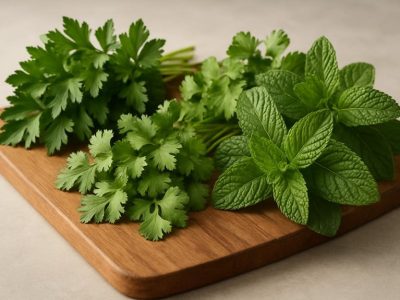
- Add chopped fresh coriander leaves to salsa or salads. It gives a zesty, fresh taste.
- Mix coriander with spices like paprika or turmeric. This builds a rich flavor in your dish.
- Toast coriander seeds in a pan first. Toasting brings out their nutty flavor, similar to cumin’s warmth.
Some people prefer ground coriander for its warmth, while others like fresh coriander for a bright, punchy flavor. Both can work depending on what you want in your dish.
Keep in mind that coriander has a different flavor profile than cumin. Using too much can make your food taste different. It’s good to experiment little by little until you find what works best for you.
In some recipes, coriander can’t fully replace cumin’s smoky depth. If you really want that smoky flavor, consider adding smoked paprika or chipotle powder instead. Both give a similar smoky kick.
How to Use Chili Powder and Paprika to Mimic Cumin’s Warmth
Chili powder and paprika are two common spices that can stand in for cumin when you don’t have it. Cumin has a warm, earthy flavor that many dishes need, but these spices can give a similar taste.
Chili powder adds a smoky, slightly spicy warmth. It works well in dishes like chili, stews, and roasted vegetables. Paprika, on the other hand, brings a mild sweetness and bright red color. It helps add depth and richness similar to cumin’s flavor.
To use them, start with a small amount of each. If you want a milder taste, add more paprika. For a bolder, spicy flavor, use extra chili powder. You can even mix them together and adjust the ratio based on your dish. For example, if you want a more mellow flavor, add more paprika. If you want a stronger kick, use more chili powder.
Here’s a simple way to do it: add one teaspoon of chili powder and one teaspoon of paprika to your dish. Taste and then add more if needed. This combo works great in chili, soups, and roasted veggies.
Keep in mind, while this mix can mimic some of cumin’s warmth, it’s not a perfect match. Cumin has a unique flavor that is hard to fully replicate. So, don’t expect it to taste exactly the same, but it will give your food a nice, warm flavor.
Experimenting with chili powder and paprika is a quick way to keep your dishes flavorful when you’re out of cumin. Just remember, start small and adjust as you go.
When to Choose Caraway Seeds as a Cumin Substitute
Caraway seeds are a good substitute for cumin when you want a similar flavor. Cumin has earthy, slightly sweet notes, and caraway can mimic that taste. However, caraway also has a hint of anise and citrus, which makes dishes taste a bit brighter. Some cooks find this nice, but others might think it changes the dish too much.
You should use caraway seeds if you want a milder, sweeter flavor. It works well if your recipe can handle a small licorice-like twist. Caraway is common in European and Middle Eastern foods, so if you’re cooking dishes from those regions, it can be a natural choice. Also, if you want to add some digestive benefits, caraway might be a good option since it’s known to help with digestion.
But keep in mind, caraway does not taste exactly like cumin. If you need the deep, warm flavor of cumin for a big spice blend or traditional curry, it might not be the best fit. Some people like the slight brightness caraway adds, but others may find it too different from what they expected.
In short, choose caraway seeds if you want a softer, slightly sweet flavor with a little licorice hint. It works best in European or Middle Eastern recipes or when you want some extra digestion help. Still, be aware it won’t give you the deep warmth of cumin, so use it carefully depending on your dish.
Blending Spices to Mimic Cumin’s Flavor in Your Recipes
Cumin has a strong, warm flavor that many recipes rely on, but sometimes you don’t have it. A good way to get a similar taste is by blending other spices. Caraway seeds are a decent substitute, but they don’t give you the same depth. To make the flavor more like cumin, you can mix together ground coriander, paprika, chili powder, and lightly toasted caraway seeds.
Here’s how to do it: First, toast whole spices in a dry pan for a minute or two. This brings out their oils and flavor. Then, grind them using a spice grinder or mortar and pestle. Mix the ground spices evenly. This mixture gives you a warm, earthy flavor that’s close to cumin. You can adjust the amounts to make the taste stronger or milder, depending on your dish.
Some people might find this blend works well in chili, tacos, or curry. But be careful—if you add too much chili powder, it can get spicy, and the flavor won’t be exactly the same. Also, keep in mind that this blend is a good substitute, but it’s not an exact match. If you want the real cumin flavor, it’s better to buy it when you can.
Making your own spice mix is easy and saves money. It’s also flexible—you can tweak it to fit your taste. So next time you run out of cumin, try this blend. It might surprise you how close it can get, but don’t expect it to be perfect every time. Sometimes, a little experimentation is needed to find what works best for your recipes.
Adjusting Quantities When Swapping Out Cumin
Cumin has a strong, distinctive flavor, so when you swap it with other spices, you need to be careful with how much you use. Here’s how to adjust the amounts to keep your dish tasting just right:
First, start with less than the recipe calls for. Some substitutes can be more intense or milder than cumin. For example, if a recipe asks for one teaspoon of cumin, try half a teaspoon of your substitute at first. You can always add more if needed.
Second, taste your dish as you go. If it’s not flavorful enough, add a little more of the substitute, but do it gradually. This helps prevent overpowering the dish with too much spice.
Third, mix your substitute with other spices to mimic cumin’s warm flavor. For example, a pinch of paprika or coriander can help balance the taste. Combining these can make the dish feel more complete.
Finally, remember that some substitutes release their flavor slowly. So, if you’re roasting or cooking for a long time, add the spice earlier. If you’re seasoning at the end, add a little extra to get the full flavor.
Some people like experimenting with cumin substitutes like smoked paprika, coriander, or caraway seeds. Each brings a different twist, but they also have their limitations. For instance, smoked paprika adds a smoky touch but may be stronger, so use less. Caraway seeds give a nutty flavor but don’t have the warmth of cumin.
In short, adjusting quantities when swapping cumin helps keep your dish balanced. Start small, taste often, and combine spices wisely. That way, your dish will stay flavorful, even without cumin.
Best Cumin Substitutes for Indian Dishes
Cumin is a key spice in Indian cooking, giving dishes like curries and dals a warm, earthy flavor. If you run out of cumin, you need a good substitute that still keeps your dish tasty. The best options are ground coriander or a mix of ground caraway and a pinch of chili powder.
Ground coriander has a citrusy, nutty taste that goes well with Indian spices. It’s a common substitute because it’s easy to find in most grocery stores. Caraway adds a similar earthiness like cumin, but it’s milder. Adding chili powder gives a little heat and depth, making your dish more flavorful.
Some people might think these substitutes will taste exactly like cumin. But really, they only mimic cumin’s flavor enough to keep your dish authentic. If you want a closer match, try blending equal parts ground coriander and caraway. Just be careful not to add too much chili powder, or it could overpower the dish.
There are a few warnings to keep in mind. These substitutes won’t give you the exact same flavor, so your dish might taste a little different. Also, not everyone likes spicy, so adjust chili powder to your taste. If you’re making a delicate dish, start with less spice and add more if needed.
In the end, these swaps work well enough to keep your Indian recipes flavorful even when you don’t have cumin. They’re easy to find, simple to use, and won’t ruin your cooking. So next time you’re out of cumin, try coriander or caraway – your taste buds might thank you.
Best Cumin Substitutes for Mexican and Middle Eastern Dishes
Cumin is a key spice often used in Mexican and Middle Eastern dishes. It gives foods a warm, earthy flavor that many people love. If you don’t have cumin, don’t worry. There are good substitutes that can make your dishes taste great without it. Here are some of the best options:
- Ground coriander: This spice has a bright, citrusy flavor that works well with cumin’s earthiness. It’s a common substitute because it’s often found in spice racks.
- Caraway seeds: These seeds have a flavor similar to cumin but with a slight licorice taste. They’re especially good in Middle Eastern recipes like falafel or stews.
- Chili powder: Usually a blend that includes cumin, chili powder adds a similar warmth and spice to Mexican dishes. Just check the label to make sure it has cumin in it.
- Paprika: This spice gives a smoky flavor and adds color to your dish. It’s great for adding depth without overpowering the other flavors.
Some people might think these substitutes change the taste too much, but they can still make your food flavorful and authentic. Keep in mind, if a recipe specifically calls for cumin, these options will give a different, but still tasty, flavor.
Would you like to know how to adjust spice amounts when substituting? Or which brands of spices are best? These small tips can help you cook confidently even without cumin.

- BNP Competitors: Major Global Banking Rivals - October 2, 2026
- Best Alternatives to Bmw x5 - October 2, 2026
- JNJ Competitors: Major Players in Healthcare and Pharma - October 2, 2026
by Ellie B, Site Owner / Publisher