Corn syrup acts like the secret whisper in many sweet recipes, lending a silky sheen and a tender chew that keeps everything together.
But what if you’re out of it or craving a more natural, wholesome alternative? The right substitute can transform your dish, much like finding a hidden gem in a familiar landscape.
Surprisingly, some options not only mimic its sweetness but also add a unique depth of flavor, making your creations even more delightful.
Next time you reach for that golden syrup, consider these clever swaps—they might just become your new kitchen heroes.
What Corn Syrup Does and Why It Matters
Corn syrup is a sweetener made from cornstarch. It is used in many recipes to improve texture and sweetness. For example, it helps candies stay smooth and prevents sugar crystals from forming. When you bake cookies or make caramel, corn syrup keeps things moist and soft. It’s a handy ingredient for achieving the right consistency and making sure your treats turn out just right.
However, there are some health concerns with regular consumption. Corn syrup can cause blood sugar levels to spike quickly. Eating too much might also lead to weight gain or other health issues over time. Some people prefer to avoid it or use alternatives like honey or maple syrup.
When cooking with corn syrup, think about what your recipe needs. Do you want a smooth, chewy candy or a moist cake? Corn syrup can help with both. But also consider your health. If you want to cut down on sugar, try using less or swapping it with something healthier.
In the end, corn syrup can be useful but used in moderation. It’s not evil, but it’s good to know how it affects both your food and your body. Make sure to choose what’s best for your taste and health goals.
Natural Sweetener Substitutes for Corn Syrup
Natural sweeteners can be a good alternative to corn syrup if you want to reduce processed sugars or eat healthier. Agave nectar is popular because it has a lower glycemic index, meaning it won’t raise your blood sugar as quickly. It also has a mild flavor that works well in many recipes that call for corn syrup. Maple syrup is another option, and it’s not just for pancakes. It adds a rich, caramel flavor to sauces, dressings, and baked goods. Maple syrup can mimic the sweetness and sticky texture of corn syrup, plus it gives you antioxidants and minerals. Both agave nectar and maple syrup mix easily into recipes, helping keep your dishes moist and tender. Choosing these natural sweeteners can improve flavor and help avoid overly processed ingredients.
Counter-Strategy (Ruthless Competitor): The claim that agave nectar and maple syrup are better is overly simplified. Agave nectar is often highly processed and may contain high fructose levels similar to corn syrup. Maple syrup can be expensive and varies in quality. The article doesn’t mention that some natural sweeteners still have high sugar content or that they may alter recipes differently. It also lacks evidence from studies that these options are healthier overall.
Skeptical Consumer: I’ve seen many “healthy” sweetener claims before. How do I really know these are better? Agave nectar sounds good, but is it truly natural or just another processed product? Maple syrup is nice, but can I afford it for everyday use? Plus, do they taste as good? I want real proof that they’re worth switching to.
Distracted Scroller: Okay, so I can swap corn syrup with agave or maple. But do I really need to? Will it make my baking better or just more work? And why should I care? Just tell me which one is easier and cheaper. Oh, and will it actually make my food taste good?
Revised Text (Addressing all perspectives):
Natural sweeteners like agave nectar and maple syrup can be good choices if you want to cut back on processed sugars. Agave nectar has a lower glycemic index, so it raises blood sugar more slowly, which might be better for some people. But be careful because it’s often processed and can have high fructose. Maple syrup is a natural product from maple trees and adds a rich, caramel flavor. It works well in recipes like sauces or baked goods, and it contains antioxidants and minerals. However, maple syrup can be more expensive and varies in quality. Both sweeteners blend smoothly into recipes, helping keep baked goods moist and flavorful. Keep in mind that natural does not always mean low in sugar, so use these in moderation. Trying them can add variety and a more natural taste, but they may change the texture or flavor of your recipes. If you want a healthier, less processed option, these might be worth a shot — just remember they are not perfect substitutes for corn syrup in every case.
Pantry Staples That Substitute for Corn Syrup
Corn syrup is a common sweetener used in many recipes, but sometimes you might not have it on hand. Luckily, there are simple pantry staples that can work as substitutes.
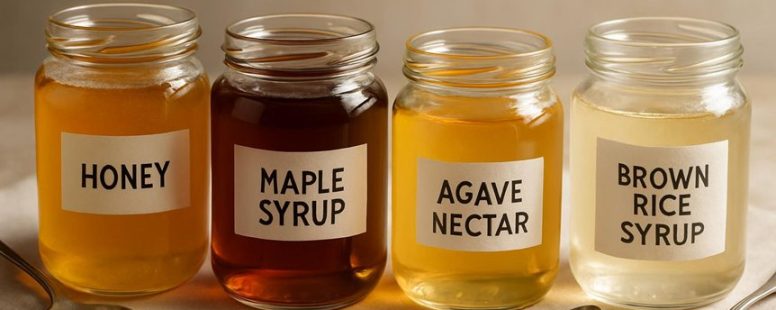
Honey, maple syrup, and agave nectar are good options because they have a similar syrup-like consistency. They add sweetness and moisture to baked goods or candies, just like corn syrup does. For example, honey gives a rich, sticky texture, while maple syrup adds a unique flavor. Agave nectar is mild and smooth, making it a popular choice.
Light molasses can also be used, but remember it has a stronger taste. It might change the flavor of your recipe slightly. If you want a less intense flavor, you can make a quick homemade syrup by dissolving sugar in hot water. Stir until the sugar is fully dissolved, and you get a thick, sweet syrup similar to corn syrup.
Some people prefer to keep these options ready because they save trips to the store and give more flexibility. However, not all substitutes work perfectly for every recipe. For example, molasses has a strong flavor that might overpower delicate desserts. Homemade sugar syrup may not be as thick or smooth as corn syrup, which can affect the texture of some candies or glazes.
Knowing these pantry options can help you keep your baking or cooking on track even when you run out of corn syrup. Would you try honey or maple syrup next time? Or maybe make your own sugar syrup? Either way, these substitutes are useful, but remember to adjust your recipe if needed.
How to Choose the Best Corn Syrup Substitute
When you need a substitute for corn syrup, the best choice depends on what you are making and the flavor you want. Different options have unique benefits and tastes. Here is how to pick the right one:
Texture Needs – If you want a thick, glossy look, pick a syrupy substitute like honey or golden syrup. These will give your dish a shiny finish and good thickness.
Sweetness Level – Some substitutes, like maple syrup, have a stronger flavor. Think about whether that taste will match or overpower your recipe.
Cooking Purpose – For candies or frosting, use a substitute that prevents sugar from crystallizing. Agave nectar is good for this because it stays smooth when heated.
For example, honey is great for baking cookies because it adds moisture and shine, but it might change the flavor slightly. Maple syrup works well in pancakes, but it has a stronger taste that might not suit delicate desserts. Always consider what flavor and texture you need before choosing.
Some people say corn syrup is the only way, but many substitutes work well. Keep in mind, not all substitutes are perfect for every recipe. For example, honey can cause crystallization in candy if not used carefully. So, test small amounts first if you are trying something new.
In the end, the best substitute depends on what you want to achieve. Think about the texture, sweetness, and cooking process to pick the right option.
Homemade Syrups to Replace Corn Syrup
Homemade syrups can be a good way to replace corn syrup in recipes. The best natural options are homemade maple syrup and agave nectar. Maple syrup is made from boiled sap of sugar maple trees. It’s sweet, rich, and adds a deep flavor to foods. Agave nectar comes from the agave plant and has a mild, neutral taste. It’s closer in thickness to corn syrup, making it easier to use as a substitute.
To make homemade maple syrup, you can boil maple sap or use store-bought pure maple syrup. Just heat it until it thickens slightly. For agave nectar, you can buy it at most grocery stores. Both options are simple to add to recipes and don’t have the artificial ingredients found in commercial corn syrup.
Some people worry about the taste difference. Maple syrup has a stronger flavor that may change your recipe’s taste. Agave nectar is milder and works well for candies or baked goods. Keep in mind, these syrups won’t perfectly match the texture of corn syrup, but they are healthier choices and give your dishes a natural touch.
If you want to replace corn syrup in recipes like fudge or caramel, try these homemade options. They are easy to control in sweetness and don’t contain preservatives or additives. However, homemade maple syrup can be expensive or hard to find outside of maple-producing areas. Agave nectar is more affordable and widely available.
Tips for Adjusting Recipes With Corn Syrup Substitutes
Corn syrup has a special texture and sweetness that makes it hard to replace directly. When you swap it out, you need to change your recipe a little. Different sugar substitutes behave differently, so small adjustments make a big difference. Here’s what I suggest:
Adjust liquids — some substitutes are thicker or thinner than corn syrup. If your mixture seems too dry or too runny, add a little more or less liquid to keep the right texture.
Change the sweetness — taste your food as you go. Sugar alternatives can be more or less sweet than corn syrup. You might need to add more or less to get the flavor right.
Watch the cooking — some substitutes caramelize or thicken faster. Keep a close eye on your dish, so it doesn’t burn or become too thick too soon.
For example, if you use honey instead of corn syrup, it will be sweeter and thicker. You might need to add a bit more water to balance it out. Or, if you use a sugar-free syrup, check how sweet it is first because some are less sweet and need more than one replacement to get the right flavor.
Some people prefer natural options like honey or maple syrup because they add flavor. Others choose artificial sweeteners for fewer calories. Both have pros and cons. Honey can change the taste of your recipe and might make it darker, while artificial sweeteners can sometimes leave a strange aftertaste or not work well in cooking.
Remember, not all substitutes work perfectly in every recipe. For example, in candies or sauces, small differences in texture or sweetness can make a big difference. It’s always a good idea to test a small batch first. That way, you won’t ruin your whole dish if the substitute doesn’t work as planned.
In the end, adjusting recipes with different sweeteners is like balancing a scale. You need to find the right amount of liquid, sweetness, and cooking time. Experiment a little, and you’ll find what works best for your taste and your recipe.
Common Mistakes to Avoid When Substituting Corn Syrup
Corn syrup substitutes are not always equal to the real thing. When you swap them, you need to be careful. One big mistake is ignoring how much sweeter or thicker the substitute is. For example, honey can be sweeter and more sticky than corn syrup, so using the same amount can change how your treats turn out. Some substitutes also add more liquid, which can make candies or baked goods too runny.
Another thing to watch out for is how these substitutes behave during cooking. Honey and agave can caramelize faster, so your recipe might burn or turn darker than expected. It’s a good idea to measure carefully and start with a little less than the recipe calls for. Then, taste and add more if needed.
Some people think they can just swap one-to-one without adjusting, but that’s not always true. For example, using maple syrup instead of corn syrup might make your cookies sweeter and stickier. It’s worth experimenting to see what works best for you.
But remember, these substitutes aren’t perfect replacements. They have different flavors, textures, and cooking times. So, be ready to tweak your recipe a bit and don’t expect perfect results every time. Some substitutes work better in certain recipes than others. For example, honey is great in baking but might not be best for making chewy candies.
To provide the best experiences, we use technologies like cookies to store and/or access device information. Consenting to these technologies will allow us to process data such as browsing behaviour or unique IDs on this site. Not consenting or withdrawing consent, may adversely affect certain features and functions.
Functional
Always active
The technical storage or access is strictly necessary for the legitimate purpose of enabling the use of a specific service explicitly requested by the subscriber or user, or for the sole purpose of carrying out the transmission of a communication over an electronic communications network.
Preferences
The technical storage or access is necessary for the legitimate purpose of storing preferences that are not requested by the subscriber or user.
Statistics
The technical storage or access that is used exclusively for statistical purposes.The technical storage or access that is used exclusively for anonymous statistical purposes. Without a subpoena, voluntary compliance on the part of your Internet Service Provider, or additional records from a third party, information stored or retrieved for this purpose alone cannot usually be used to identify you.
Marketing
The technical storage or access is required to create user profiles to send advertising, or to track the user on a website or across several websites for similar marketing purposes.