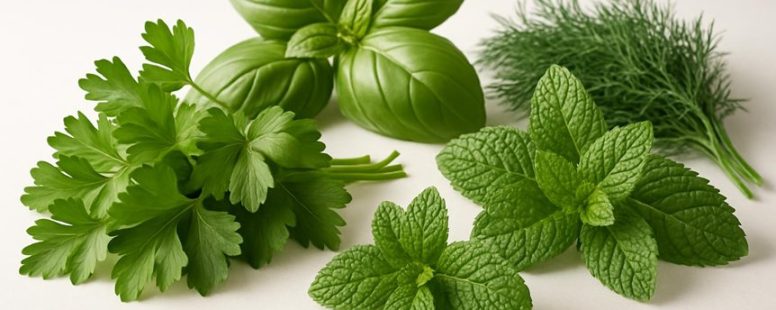
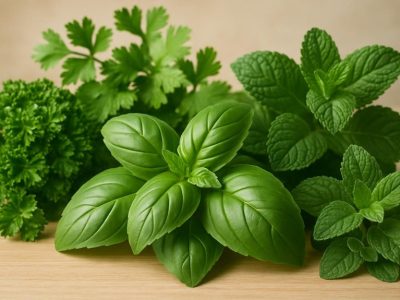
The zesty, vibrant scent of fresh cilantro can transform a dish into something extraordinary, like a burst of sunshine on your palate.
But what if your pantry is missing this green wonder, or you’re simply not a fan of its bold flavor? Choosing the right substitute is like finding the perfect dance partner—balancing flavor without losing the dish’s soul.
Interestingly, some alternatives can add a surprising twist, offering a fresh kick or a subtle herbal whisper.
With a little creativity, you can keep your recipes lively and delicious, even when cilantro is nowhere to be found.
Why You Might Need a Cilantro Substitute
A cilantro substitute is any ingredient used in place of cilantro in recipes. People often need substitutes because not everyone likes cilantro, or it might not be available. Some folks find cilantro’s flavor soapy or too strong, which can be linked to genetics. For example, some people say they dislike cilantro because it tastes like soap, while others love it. If you’re cooking and don’t have cilantro or just don’t want it, knowing good substitutes can help keep your dish tasty.
One common substitute is parsley. It has a fresh, mild flavor that works well in salads, salsas, and garnishes. Another option is basil, which adds a sweet, aromatic taste, good for Italian dishes or pesto. You can also try mint for a hint of coolness or cilantro’s cousin, culantro, if you can find it. But keep in mind, each substitute changes the flavor a little. So, if you want to keep the dish close to the original, parsley is usually the best choice. However, if you want a different taste, basil or mint can add a new twist.
Some people warn that using the wrong substitute can ruin the dish. For example, mint might overpower a delicate sauce, and parsley might not give the same bright flavor. So, I suggest trying small amounts first. Also, if you’re cooking for others, check if they like the substitute too. It’s a good idea to taste as you go.
In the end, choosing a cilantro substitute depends on what you’re making and what flavor you want. Whether you dislike cilantro, don’t have it, or want a different taste, understanding your options helps you make better choices. Just remember, not every substitute will give the same fresh zing, but they can still make your dish delicious.
What to Look for in a Cilantro Substitute
When you want to replace cilantro in a recipe, the first thing to consider is how the new herb will taste with your dish. Cilantro has a bright, citrusy flavor with a little earthiness. So, you should pick herbs that have similar tastes without taking over the dish. For example, parsley has a fresh, clean flavor that can work well in many recipes, but it lacks the citrus note. On the other hand, basil adds a sweet, slightly minty flavor that can be a good match in some dishes.
Knowing what foods herbs go well with helps you choose the right substitute. For instance, if you are making Mexican salsa or Thai curry, look for herbs that match those flavors. Mint or Thai basil might work better than rosemary or thyme in those cases.
Texture is also important. Use fresh herbs that are tender and bright. If the herb is wilted or dry, it won’t taste as good or feel right in your dish.
Some people warn that not all substitutes taste the same. For example, lemon basil can mimic the citrusy note of cilantro, but it also has a strong flavor of its own that could change the dish. Others say that using dried herbs instead of fresh won’t give the same bright flavor.
In the end, the best herb for replacing cilantro depends on what you’re making. Think about the flavor, texture, and the cuisine to pick the right one. Sometimes, a little experimentation is needed to find the perfect fit. Would you want a substitute that blends in quietly or one that stands out? Either way, choosing the right herb makes your dish taste just right.
Fresh Herb Substitutes for Cilantro
Replacing cilantro with another fresh herb depends on what flavor and texture you want in your dish. Cilantro has a bright, citrusy taste with a little peppery kick.
If you want something sweet and slightly anise-flavored, basil is a good choice. It works well in tomato sauces and salads. Mint gives a cool, fresh flavor, perfect for dishes with lamb or fruit. Dill adds a tangy, grassy note, which is great in seafood or creamy dressings.
When choosing a substitute, think about what the herb pairs with in your recipe. For example, basil goes well with tomatoes, while mint matches well with lamb or fruit. Dill is best for seafood or creamy dips.
Some people find that herbs like parsley or Thai basil can also work as cilantro substitutes, but they will change the flavor a bit. Keep in mind that no herb is exactly like cilantro, so your dish might taste a little different.
If you want to keep the same flavor profile, consider using a small amount of lime juice mixed with your chosen herb. This can mimic cilantro’s citrus note.
In the end, trying different herbs and tasting as you go helps you find what works best for your dish. Remember, there’s no perfect replacement, but with a little experimenting, you can still make a tasty meal.
Parsley as a Mild Cilantro Substitute
Parsley is a mild substitute for cilantro when you want a fresh green flavor without the strong taste. Cilantro has a bold flavor that some people find overpowering. Parsley, on the other hand, is more subtle and slightly peppery. It works well in many dishes because it doesn’t mask other flavors.
If you’re wondering how to use parsley instead of cilantro, here are some simple ideas. Add chopped parsley to salads to give a bright touch without taking over. Mix it into soups for a gentle herbal flavor. Use it as a garnish to add color and a fresh look. Stir it into marinades when you want a soft, herbaceous taste. Finally, add parsley to sauces for a light herbal lift.
Some people prefer parsley because it blends easily with other ingredients. It keeps the dish balanced without making it too strong. But note that parsley doesn’t taste exactly like cilantro. If you need a very similar flavor, parsley might not be a perfect match. It’s also less pungent, so in recipes where cilantro’s boldness is key, it may not work as well.
In the end, parsley is a good choice if you want a green, fresh flavor that’s milder than cilantro. It’s easy to find at most grocery stores and simple to use. Just remember, it’s not a perfect replacement for the bold taste of cilantro, but it can still make your dishes tasty and colorful.
Mint and Basil as Cilantro Substitutes
Cilantro is a popular herb used in many dishes, but sometimes you need a substitute. Mint and basil are good options to replace cilantro, though they don’t taste exactly the same. Mint has a bright, cool flavor that adds a fresh zing, making it great for salsas and salads. Basil has a sweet, slightly spicy taste that works well in Mediterranean and Asian recipes.
When you swap cilantro with mint or basil, think about the flavor you want to keep. Mint can be stronger and more refreshing, so use it carefully. Basil is a little sweeter and softer, which can change the dish’s flavor a bit. Both herbs add a fresh, green taste, but they also change the dish’s overall flavor.
Trying these herbs as substitutes helps you keep a lively, herby flavor in your cooking even when cilantro is not available. For example, if you’re making a tomato salad, a little mint can brighten it up, while basil adds a sweet note. Just remember, both herbs will change how the dish tastes compared to cilantro. So, it’s good to experiment and see what works best for your taste buds.
Bold Herb and Spice Substitutes for Cilantro
Cilantro can be replaced with bold herbs and spices that add strong flavor to your dishes. If you want a similar punch without cilantro, these options work well:
Cumin: It has an earthy, warm taste. Toast it lightly before using to make the flavor stronger. It’s great in chili, tacos, or roasted vegetables.
Coriander Seeds: These seeds give a citrusy flavor. Grind them into powder or use whole. They add brightness to curries and salads.
Tarragon: With a slightly anise-like taste, tarragon is fresh or dried. It works good in sauces, chicken, or egg dishes.
Chili Flakes: They add heat and spice. Use in stir-fries, marinades, or sprinkled on pizza for extra kick.
Dill: This herb tastes bright and tangy. Use it raw in dips or salads, or lightly cooked in fish or potatoes.
These substitutes let you change recipes easily and keep dishes flavorful without cilantro. Keep in mind that some herbs, like dill and tarragon, have stronger or more specific tastes, so start with small amounts and adjust to your liking. Also, cumin and coriander seeds are more intense when toasted, so they’re best when heated up first.
Some people prefer fresh herbs over dried ones for a brighter flavor, but dried can work if fresh isn’t available. Remember, experimenting is the key. Try different herbs and spices to see what suits your taste buds best.
Sources say that cumin and coriander are common substitutes in many cuisines when cilantro is missing. Still, not every herb will taste good in every dish, so use your judgment. Sometimes, a pinch of chili flakes can make a dish exciting, but too much can overpower the other flavors.
In the end, choosing the right herb depends on what you’re cooking and your personal taste. Don’t be afraid to try different options and see which ones you like best.
Dried Herbs and Spices as Cilantro Substitutes
When you don’t have fresh cilantro, dried herbs like parsley or celery leaves can be good substitutes. These herbs have milder flavors but can still add freshness to your dishes. For example, dried parsley works well in salads or soups, while celery leaves can give a hint of earthiness to stews.
Some spices also help mimic cilantro’s taste. Ground coriander and cumin have flavors that can fill in when cilantro is missing. Cumin adds a smoky, warm note, and coriander offers a citrusy, slightly spicy flavor. These spices work best in recipes like curries, chili, or marinades.
But keep in mind, dried herbs and spices don’t taste exactly like fresh cilantro. They are good options when fresh isn’t available, but they change the flavor a bit. For instance, dried parsley is less pungent, and spices might add a different aroma. So, use them in small amounts and taste as you go.
If you want the best flavor, try to find fresh cilantro whenever possible. But if you’re in a pinch, dried herbs and spices can help keep your dish flavorful. Just remember, they are not perfect swaps but useful alternatives.
Popular Dried Herb Options
Dried herbs can sometimes replace fresh cilantro when it’s not available. They can help keep the flavor in your dishes, but each has its own strength and weakness. Here are some of the best dried herbs to try:
Dried Parsley: This herb has a light, fresh taste that adds a green touch without overwhelming the dish. It’s a good option if you want something mild.
Dried Basil: With a sweet and slightly spicy flavor, dried basil works well in Italian and Mediterranean recipes. It’s stronger than parsley, so use it carefully.
Dried Mint: Mint gives a cool, refreshing flavor that can brighten up many recipes. It’s different from cilantro but can add a surprising twist.
Dried Dill: Dill has a tangy, citrusy flavor that makes dishes taste brighter. It’s especially good in salads and seafood.
Dried Oregano: This herb has an earthy, slightly bitter taste. It’s perfect for hearty meals like pizza or pasta.
Using these dried herbs can help you get close to cilantro’s flavor when you don’t have fresh leaves. Remember, dried herbs are more concentrated, so start with small amounts and taste as you go. Some people might find that dried herbs don’t quite match the fresh taste, especially for delicate dishes. So, try experimenting to see what works best for you.
Counter-strategy notes:
The Ruthless Competitor might say this is too simple and not enough for serious cooks who want exact substitutes. They could argue that dried herbs can’t truly replicate the fresh, bright flavor of cilantro in all dishes.
The Cynical Consumer might dismiss this advice, thinking it’s just generic info and not helpful if someone wants the true taste of cilantro.
The Distracted Scroller might only remember the list of herbs and forget how to use them properly or the warning about starting with small amounts.
Final tip: When in doubt, try to use a mix of dried herbs to get a flavor closer to cilantro. And if possible, keep some fresh cilantro on hand for the best flavor.
Spices Mimicking Cilantro Flavor
Cilantro has a bright, fresh flavor that’s hard to match, especially when it’s not available. Sometimes, you want to mimic its taste using spices, but it’s not always easy to get it just right. Here are some spices that can help you approximate cilantro’s flavor.
First, cumin is a good choice. It has an earthy taste that works well in many dishes like salsas or curries. Cumin adds depth and warmth, making your food taste richer. Second, coriander seeds — which come from the same plant as cilantro — bring a citrusy, warm flavor that can remind you of fresh cilantro. Using ground coriander can add brightness to your recipes.
You can also try fennel or anise seeds. They give a subtle sweetness and a slight herbal note that can resemble cilantro’s complex flavor. These spices are useful in marinades, soups, and spicy dishes where you want a herbal punch without fresh herbs.
Some cooks say these spices work well, but they aren’t exact replacements. For example, cumin and coriander can help if you can’t find fresh cilantro, but they won’t give the same bright, green flavor. Also, overusing these spices might overpower your dish or make it taste different from what you want.
Here’s a quick tip: start small. Mix a pinch of cumin, coriander, and fennel into your dish, taste, and then add more if needed. This way, you avoid losing the flavor you’re aiming for. Keep in mind, these spices can help mimic cilantro, but they won’t perfectly replace its fresh flavor — sometimes, fresh herbs are just better.
Some chefs prefer fresh cilantro for its sharpness, but if you’re in a pinch, spices like cumin and coriander can save the day. Just remember, they are a stand-in, not an identical match. If you want the best flavor, using fresh herbs is always the safest bet.
How to Adjust Recipes Without Cilantro
If you want to cook without cilantro, here’s what you should do. Cilantro gives dishes a fresh and bright flavor, but you can replace it easily. The key is to balance flavors so your dish still tastes good.
First, add a squeeze of lime or lemon juice. This gives a tangy flavor that mimics cilantro’s brightness. For example, if you make salsa, a splash of lime can make it lively even without cilantro.
Next, try using fresh parsley or basil. Parsley adds a mild, fresh taste, while basil gives a sweet, aromatic note. These herbs can help keep your dish colorful and flavorful.
You can also add a pinch of cumin or coriander. These spices give an earthy flavor that can replace cilantro’s subtle warmth. Use them sparingly so they don’t overpower the dish.
Green onions or chives are another option. They add a mild onion flavor and a bit of crunch that can make your dish feel fresh and lively.
Finally, try adding some fresh ginger or garlic. They add zest and warmth, making your food taste vibrant without cilantro.
Some cooks like to experiment and find their favorite replacements. Others worry that without cilantro, the dish might lose some brightness. Both are valid. It’s good to try different options and see what you like best.
Just remember, cooking without cilantro takes a little creativity. If you don’t have these replacements, you can still make tasty food by balancing flavors carefully. So next time you run out of cilantro, don’t worry—you can still make great meals!
Tips for Growing Cilantro Substitutes at Home
Growing herbs that can replace cilantro at home is easy if you know what they need. The best substitutes, like parsley, basil, or dill, grow best in soil that drains well, gets plenty of sunlight, and stays moist but not soaked. For example, parsley can grow in a sunny window or garden bed where water flows freely, and it’s often used in salads or pasta dishes. Basil, which loves warm weather, needs lots of sunlight and regular watering to stay healthy. Dill prefers cooler spots but also needs good drainage.
To grow these herbs, start by planting seeds in good soil, then place them somewhere they can get at least six hours of sunlight a day. Water them regularly, but don’t overdo it, because soggy roots can rot. If you want herbs faster, buy seedlings from a local nursery, which are already sprouted and ready to grow.
Some people argue that growing herbs indoors is tricky because they can get leggy or not produce enough leaves. Others say it’s simple if you use pots with holes for drainage and keep the soil moist. A warning is that herbs like basil are sensitive to cold, so if temperatures drop outside, keep them inside or in a warm spot.
If you’re short on space or want quicker results, you might consider using herb-growing kits, like those from Miracle-Gro or AeroGarden. They give you a controlled environment and make growing herbs easier. Just remember, no matter what you choose, herbs need sunlight, water, and some patience. So, are you ready to start your herb garden and enjoy fresh flavors anytime?
Ideal Growing Conditions
Growing cilantro substitutes at home is easier than many think if you provide the right conditions. First, the soil should drain well and be rich in organic matter. This helps prevent root rot, which can kill your plants. For example, mixing compost into your soil works great.
Next, cilantro needs sunlight to grow healthy. Aim for at least four to six hours of direct sunlight each day. If you don’t get enough sun, your plants may become weak or leggy. A sunny windowsill or a garden in full sun are good options.
Temperature also matters. Cilantro prefers moderate heat between 60 and 75 degrees Fahrenheit. Too hot, and it bolts or goes to seed quickly. Too cold, and it might not grow at all. If you live in a very hot place like Arizona, consider growing cilantro in partial shade during the summer.
Water your cilantro regularly but don’t overdo it. The soil should stay moist but not waterlogged. Think of it like a sponge that’s just a little damp. Too much water can drown the roots, while too little will make the plant weak.
Good air circulation is important too. If your plants sit in a crowded space or in a humid place, they might get fungal problems. Keep them spaced out and avoid crowded planting.
Some people might think growing cilantro in pots is tricky, but if you follow these tips, you can grow healthy plants at home. Remember, too much heat or too little sun can stop your plants from thriving. So always check your local weather and adjust accordingly.
Maintenance and Care Tips
Cilantro substitutes need proper care to stay healthy. The first step is choosing the right herb. For example, parsley has a mild, fresh flavor, while culantro has a stronger taste similar to cilantro. Picking the right herb depends on what flavor you want in your dish.
Once you plant your herbs, water them regularly. But be careful not to overwater, because too much water can cause roots to rot and kill the plant. Make sure they get enough sunlight—about four to six hours each day. If your herbs don’t get enough sun, they may grow weak or not taste right.
Pruning is also important. Trim your herbs often to encourage bushier growth and stop them from bolting too soon. This keeps your plants healthy and productive. Keep an eye out for pests or disease signs, like holes in leaves or strange spots. You can use natural remedies like neem oil or insecticidal soap if needed.
Some people might worry about using natural solutions or worry that their herbs won’t stay healthy. While natural remedies can help, they may not always work if pests are very bad. Also, not all herbs grow well indoors, so your environment matters.
If you follow these tips, you’ll have fresh cilantro substitutes ready to use anytime. Whether you prefer parsley or culantro, proper care makes all the difference. Do you have a favorite herb? Try these ideas and enjoy homegrown flavor in your meals.
To provide the best experiences, we use technologies like cookies to store and/or access device information. Consenting to these technologies will allow us to process data such as browsing behaviour or unique IDs on this site. Not consenting or withdrawing consent, may adversely affect certain features and functions.
Functional
Always active
The technical storage or access is strictly necessary for the legitimate purpose of enabling the use of a specific service explicitly requested by the subscriber or user, or for the sole purpose of carrying out the transmission of a communication over an electronic communications network.
Preferences
The technical storage or access is necessary for the legitimate purpose of storing preferences that are not requested by the subscriber or user.
Statistics
The technical storage or access that is used exclusively for statistical purposes.The technical storage or access that is used exclusively for anonymous statistical purposes. Without a subpoena, voluntary compliance on the part of your Internet Service Provider, or additional records from a third party, information stored or retrieved for this purpose alone cannot usually be used to identify you.
Marketing
The technical storage or access is required to create user profiles to send advertising, or to track the user on a website or across several websites for similar marketing purposes.