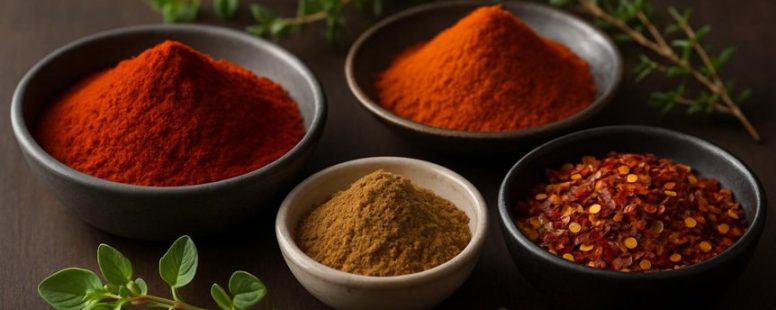
Running out of chili powder in the middle of cooking can feel like losing the secret ingredient to your favorite dish. That smoky, warm aroma that lingers on your palate is hard to replicate, yet there are clever substitutes that can step in seamlessly.
These alternatives do more than just add heat—they bring a depth of flavor that transforms your meal into a culinary masterpiece. Surprisingly, using the right substitute can even enhance the dish’s complexity, like uncovering a hidden layer of spice.
Whether you’re improvising or aiming for a milder kick, knowing these tricks can turn a kitchen mishap into a flavor adventure.
What Makes a Good Chili Powder Substitute?
A good chili powder substitute is one that gives the same bold and smoky heat as chili powder but doesn’t overpower the dish. It should have a similar flavor strength so you can adjust it if needed. The right substitute mixes warmth with hints of cumin, garlic, or paprika to imitate chili powder’s complex taste. Be careful not to use too much heat or a single spice that might dominate the flavor. Instead, it should keep the dish balanced and tasty.
Some people use ground cumin, paprika, garlic powder, or cayenne pepper as alternatives. For example, adding cumin and paprika can give a similar smoky flavor, while cayenne adds heat. You can also mix small amounts of garlic powder and oregano to match chili powder’s notes.
There are two sides to consider. Some say blending spices gives a closer match, while others warn that different brands or spice qualities can change the flavor. Also, a substitute with too much heat can ruin your dish, so start small and taste often.
While these substitutes work well most of the time, they might not perfectly mimic all the flavor layers of chili powder. Sometimes, you might need to adjust the amount or combine several spices to get the right taste.
If you’re in a hurry, just remember: think about the flavor and heat, and add small amounts first. That way, you can keep your dish tasting just right without overwhelming it.
Mix Your Own Chili Powder Substitute at Home
Making your own chili powder substitute at home is easy and gives you control over the flavor and heat. Store-bought chili powders can vary a lot, and sometimes they have added preservatives or fillers. Creating your own blend lets you pick the ingredients you like and adjust the spiciness just how you want it.
Here’s how to do it: Start with equal parts cumin and paprika. These give your chili a warm, smoky base. Then, add smaller amounts of garlic powder and onion powder for flavor. To make it spicy, sprinkle in cayenne pepper little by little until it reaches your desired heat. Mix everything well and taste it. If it’s too hot, add more paprika or cumin. If it’s not spicy enough, add more cayenne. Making your own chili powder is simple and fresh. Plus, you avoid any weird additives found in some store brands.
Some people might worry that homemade blends won’t be as flavorful as store-bought ones. That’s true if you don’t use good spices or don’t balance the ingredients well. However, making your own blend is a great way to customize the heat and flavor exactly how you like it. Just remember, a little cayenne goes a long way, so add it slowly. If you want a smoky flavor, try adding a pinch of smoked paprika instead of regular paprika.
In the end, making your own chili powder at home saves money and gives you a tasty, fresh spice mix. It’s a simple step that can make your chili taste better than any pre-made mix. Give it a try and see how much better your dishes can taste!
Best Single-Spice Chili Powder Substitutes
A single spice can stand in for chili powder if you don’t have a blend. Cumin is a good choice because it adds a warm, earthy flavor that many people enjoy in chili. Smoked paprika is another option—this spice gives your dish a rich, smoky taste that makes it feel like it’s been cooked over a fire. If your goal is to add some heat, cayenne pepper is the best substitute. Just a little bit can turn up the spice level quickly.
Some people prefer cumin because it’s versatile and not too spicy. Others like smoked paprika because it adds depth without much heat. But be careful with cayenne; too much can make your dish too hot and overpower other flavors.
A warning: these spices don’t taste exactly like chili powder. If you want the closest flavor, blending cumin, paprika, and a pinch of cayenne works well. Remember, you can always add more spice, but you can’t take it out once it’s in.
Ground Cumin Benefits
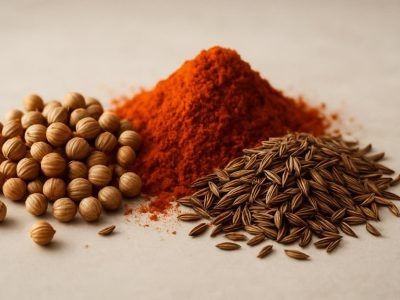
Ground cumin is a spice made from grinding the seeds of the cumin plant. It is often used in cooking to add flavor. Many spice blends, like chili powder, include ground cumin, but you can use cumin alone if you want a similar taste without extra heat.
Cumin has a warm, earthy flavor that is nutty and slightly peppery. It also has a tiny citrus note that makes dishes taste deeper and more interesting. For example, if you are making chili but don’t want it too spicy, adding just cumin can give you that rich flavor without the heat.
Besides its good taste, cumin is good for your health. It can help with digestion, boost your immune system, and reduce inflammation. Some people even use cumin to help settle their stomach after eating too much spicy food.
If you want to replace chili powder with something simpler, cumin is a good choice because it adds aroma and flavor without overpowering your dish. However, keep in mind that cumin alone won’t give you the same complexity as chili powder, which often contains other spices like paprika or garlic.
Some critics might say that relying only on cumin for flavor is plain, and it might not work in every dish. Others might worry that cumin’s health benefits are not enough to make a big difference. Still, if you want a straightforward, healthy alternative that keeps some of the flavor, cumin is a reliable option to try in your cooking.
Smoked Paprika Flavor
Smoked paprika is a spice made from dried, smoked red peppers. It adds a smoky flavor to dishes and is often used as a substitute for chili powder when you want that smoky depth. Unlike ground cumin, which gives a warm, earthy taste, smoked paprika brings a slightly sweet, smoky aroma that makes food taste richer.
If you want to replace chili powder in recipes like stews, roasted vegetables, or grilled meats, smoked paprika can be a good choice. It does not overpower the dish but adds a nice smoky layer. For example, if you’re making chili or BBQ chicken and run out of chili powder, smoked paprika can give a similar smoky kick.
If you don’t have smoked paprika, you can mix regular paprika with a pinch of cumin or chipotle powder. This mix can mimic the smoky flavor but might not be exactly the same. Be careful though, because smoked paprika has a mild heat and a very distinct aroma. Adjust the amounts to suit your taste.
Some cooks say smoked paprika is more flavorful than other substitutes, but it can be harder to find in stores, especially if you shop at small markets. Always check the label to make sure it’s smoked paprika and not just regular paprika.
Cayenne Pepper Heat
Cayenne pepper is a hot spice used to add heat to dishes. It is much spicier than jalapeño peppers. When you compare cayenne pepper to jalapeño, remember that a little cayenne goes a long way. This makes it good for controlling how spicy your food gets.
People use cayenne pepper not just for heat but also because it can help boost metabolism and aid digestion. If you want a simple fiery kick without smoky or sweet flavors, cayenne is a good choice. Just start with a small amount and add more if needed. Too much cayenne can overpower the other flavors easily, so be careful.
Some brands, like McCormick, sell pure cayenne powder, which is easy to measure. You can sprinkle it on your food or mix it into sauces. But remember, because it is so hot, it’s better to add little by little.
There are two sides to consider. Some people love cayenne because it makes their meals spicy and healthy. Others warn that it can be too intense for sensitive stomachs or if you’re not used to spicy foods.
In the end, cayenne pepper is a simple way to spice up your meals without complicated blends. It’s easy to control, healthy, and packs a punch. Just be cautious with the amount, especially if you don’t want your dish to become too fiery.
Using Smoked Paprika as a Chili Powder Substitute
Smoked paprika is a good substitute for chili powder because it has a smoky flavor that adds depth to dishes. Unlike chili powder, smoked paprika is less spicy, so you might need to use a little more of it. For example, if a recipe calls for one teaspoon of chili powder, try using one and a half teaspoons of smoked paprika. This way, your dish will still taste flavorful without being too mild.
Some people love the smoky taste of smoked paprika in chili or roasted vegetables. Others worry it might not give enough heat. If you want a spicier dish, add a pinch of cayenne pepper or hot sauce along with the smoked paprika. Be careful, though, because smoked paprika can overpower if you use too much. Start small, taste, and then add more if needed.
A quick tip is to adjust the amount based on your taste and what you’re cooking. For example, in a hearty chili, smoked paprika gives a smoky, rich flavor, but in a delicate chicken dish, it might be too strong. It’s all about balancing flavors to match your preference. Remember, smoked paprika is less spicy but more flavorful, so use it wisely.
Some cooks prefer to mix smoked paprika with other spices to get the perfect flavor. For instance, combining it with cumin and garlic powder can make a great seasoning blend. If you’re new to smoked paprika, try it in small amounts first and see how it changes your dish. You might find it becomes your new favorite spice.
Just keep in mind that smoked paprika isn’t a perfect one-to-one substitute for chili powder. It works best when you want that smoky taste and are okay with less heat. If you need more spice, add a little extra chili or cayenne. Testing small amounts first helps prevent overpowering your meal.
Flavor Profile Comparison
Smoked paprika is not as spicy as chili powder, but it has a strong smoky flavor that can make many dishes tastier. When you compare their flavors, it’s clear that smoked paprika’s milder heat changes the overall taste. Here’s what I’ve learned:
Smoked paprika gives a rich, smoky taste, while chili powder has a bold, spicy kick.
Since smoked paprika isn’t very hot, you might need to add more spices to keep the heat level you want.
It has a slight sweetness that can balance savory foods differently than chili powder, which tastes more earthy.
Knowing these differences helps you use each spice better. Smoked paprika can change recipes in a good way, but it’s not a direct replacement for chili powder’s heat. Try mixing it with other spices to get the best flavor.
Best Uses In Recipes
Smoked paprika is a great substitute for chili powder in certain dishes because it adds a smoky flavor without overpowering the food. Here are three types of dishes that benefit the most from using smoked paprika instead of chili powder:
1. Stews
Smoked paprika gives stews a gentle warmth and smoky taste. It blends well with other spices and makes the dish taste richer. If you want your stew to have a cozy, smoky flavor without changing the recipe much, adding smoked paprika is a good choice. For example, a beef stew with carrots and potatoes can get a subtle smoky kick that makes it more comforting.
2. Roasted Vegetables
When roasting vegetables like carrots, cauliflower, or sweet potatoes, smoked paprika can give them a slightly sweet, smoky flavor. It makes the natural flavors stand out more. Think of it like giving your vegetables a smoky glow that makes them more exciting. Just sprinkle a little smoked paprika before roasting, and you’ll notice a deeper flavor.
3. Grilled Meats
Smoked paprika can mimic the smoky taste of a grill. If you do not have access to a grill or want to add a smoky flavor to chicken, pork, or fish, sprinkle smoked paprika on the meat before cooking. It helps create that smoky, charred flavor that everyone loves from grilled foods.
A couple of warnings:
Smoked paprika works well most of the time, but it can be too strong if you use too much. Also, it does not replace chili powder’s heat. If your recipe needs spicy heat, you might want to add a little cayenne pepper along with smoked paprika.
Two viewpoints:
Some cooks say smoked paprika makes dishes too smoky if used excessively, while others find it adds a nice depth. It’s best to start with a small amount and taste as you go. Also, not all smoked paprika brands are the same; some are milder, some are stronger. So, check the label before using.
From the perspective of a distracted scroller:
If you’re tired and just want quick flavor, smoked paprika can be your secret weapon. Just sprinkle it on meat or veggies before cooking, and you’ll get a smoky flavor without much fuss. But remember, too much can ruin the dish, so use it with care.
In short:
Smoked paprika is a versatile spice that can replace chili powder in stews, roasted vegetables, and grilled meats. It adds smoky richness and deepens flavors but should be used carefully. Try it in small amounts first and see how your dishes turn out.
Adjusting Quantity Tips
Smoked paprika can be milder or stronger depending on the brand or type you buy. It doesn’t add much heat like chili powder does. So, you need to be careful when you use it.
Here are some simple tips to get the right amount:
Use about half as much smoked paprika as chili powder. Taste your dish and see if it’s right.
If you want some extra heat, add a tiny pinch of cayenne pepper or hot paprika. Just a little, so you don’t lose the smoky flavor.
Add the smoked paprika slowly. Keep tasting as you go to make sure the smokiness stays balanced and doesn’t overpower your dish.
Some people might like a little more heat or more smoky flavor. Remember, it’s easy to add more, but hard to take it out once it’s in. So start small and adjust little by little.
Adjust Heat Levels With Chili Powder Substitutes
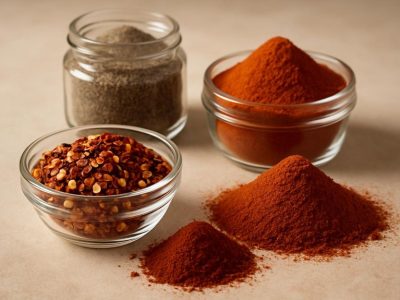
Chili powder substitutes are useful when you want to control how spicy your dish turns out. The best way to replace chili powder depends on how much heat you want. For a milder flavor, use smoked paprika or sweet paprika. These add good flavor without much heat. If you want more spice, cayenne pepper or crushed red pepper flakes are good choices. But remember, start with small amounts because they can make your dish too spicy fast. You can always add more, but it’s hard to fix a dish that’s too hot. Taste your food as you cook and adjust the amount of substitute accordingly.
Keep in mind that some substitutes also change the flavor of your dish. For example, smoked paprika gives a smoky taste, while cayenne adds heat. Think about what flavor you want along with the spice. Some people like the extra flavor, but others may find it overpowering. Also, be careful with hot spices like cayenne because a little goes a long way. Using too much can ruin your dish.
If you plan ahead, you can choose the best substitute for your recipe. For example, if you’re making chili and want to keep it mild, go with sweet paprika. If you want a spicy kick, try cayenne but add it slowly. Always taste as you go, and remember, it’s easier to add more spice than to fix a dish that’s too hot.
Some cooks prefer using these substitutes because they are easier to control. Others say that changing chili powder can change the flavor too much. So, think about what you want to achieve before you start cooking. Experiment with small amounts first and find the balance that works for your taste buds.
Chili Powder Substitutes for Different Cuisines
Chili powder is often used in many recipes, but different cuisines need specific flavors and heat levels. If you want to replace chili powder, here are some good options based on the cuisine:
Mexican food needs a smoky and spicy flavor. Mix smoked paprika, cumin, and cayenne pepper to get that taste. This blend can match the smoky heat of chili powder. For example, if you’re making tacos or chili, this mix works well. Be careful—cayenne is hot, so start with a small amount.
Italian dishes usually don’t need much heat. Instead of chili powder, use Italian seasoning. It has herbs like oregano, basil, and thyme. This adds flavor without making the dish too spicy. For pasta or pizza, Italian seasoning gives warmth and aroma without overwhelming heat.
Indian food often uses garam masala. It’s a mix of spices like cinnamon, cardamom, and cloves. Garam masala adds complex warmth and gentle heat to curries and rice dishes. If you want that authentic Indian flavor, this is a good substitute.
Some people might think these substitutes are not perfect. For instance, the smoky flavor in Mexican dishes can’t always be exactly matched, and Italian seasoning might lack the heat chili powder provides. Also, garam masala has a very different taste, so it’s best in Indian recipes.
If you’re trying to avoid heat, these options work well. But if you want the exact flavor of chili powder, it might be better to buy it. Remember, substitutes change the taste, so use them carefully.
Sources: cooking experts and spice guides suggest these replacements work well across different dishes. Keep in mind that experimenting with small amounts first helps prevent overpowering your dish. Would you try these or stick to the real chili powder?
Where to Find Ready-Made Chili Powder Substitutes
Looking for ready-made substitutes for chili powder? The good news is, you can find them easily at most grocery stores. The easiest place to look is in the spice aisle. Many stores carry blends called taco seasoning or Cajun seasoning. These mixes often work just as well as chili powder in recipes. They’re convenient and save time because you don’t have to mix your own spices.
Health food stores and specialty spice shops can also be good places to find unique chili powder alternatives. Sometimes they have special blends that add extra flavor or spice. If you prefer shopping from home, many online stores sell different chili powder substitutes. Websites like Amazon or spice specialist shops list products with detailed descriptions and customer reviews. This can help you pick the best option for your taste, whether you want something smoky, spicy, or mild.
However, keep in mind that store-bought blends may not have exactly the same flavor as homemade chili powder. Some may be milder or spicier than you like. Also, read the labels carefully because some mixes contain added salt or preservatives. If you’re on a diet or have allergies, these details matter.
Tips for Storing and Using Chili Powder Substitutes
Storing and using chili powder substitutes properly can make your meals taste better and last longer. The main goal is keeping your substitute fresh and flavorful. Here are simple tips to help you do that:
First, always store your chili powder substitute in an airtight container. Use a jar with a tight lid and keep it away from heat, sunlight, and moisture. For example, a small glass jar in your pantry works well. This keeps the spice from losing its flavor too soon.
Second, start with a small amount when adding it to your dishes. Since substitutes can vary in spiciness and taste, it’s best to taste and add more if needed. Imagine adding just a pinch at first, then tasting to see if you need more.
Third, label your container with the date you put the spice inside. Spices can lose their strength after about six months. If you notice the flavor fading, it’s time to replace it. Don’t forget, old spices can make your food taste flat.
Some people prefer to keep their chili powder substitutes in a cool, dark place to help them stay fresh longer. But be aware that some substitutes, like smoked paprika or cayenne, can lose potency faster if not stored properly.
You might think some substitutes are interchangeable. But, for example, cayenne is much hotter than paprika. Start small and taste often to avoid over-spicing your dishes.
To provide the best experiences, we use technologies like cookies to store and/or access device information. Consenting to these technologies will allow us to process data such as browsing behaviour or unique IDs on this site. Not consenting or withdrawing consent, may adversely affect certain features and functions.
Functional
Always active
The technical storage or access is strictly necessary for the legitimate purpose of enabling the use of a specific service explicitly requested by the subscriber or user, or for the sole purpose of carrying out the transmission of a communication over an electronic communications network.
Preferences
The technical storage or access is necessary for the legitimate purpose of storing preferences that are not requested by the subscriber or user.
Statistics
The technical storage or access that is used exclusively for statistical purposes.The technical storage or access that is used exclusively for anonymous statistical purposes. Without a subpoena, voluntary compliance on the part of your Internet Service Provider, or additional records from a third party, information stored or retrieved for this purpose alone cannot usually be used to identify you.
Marketing
The technical storage or access is required to create user profiles to send advertising, or to track the user on a website or across several websites for similar marketing purposes.