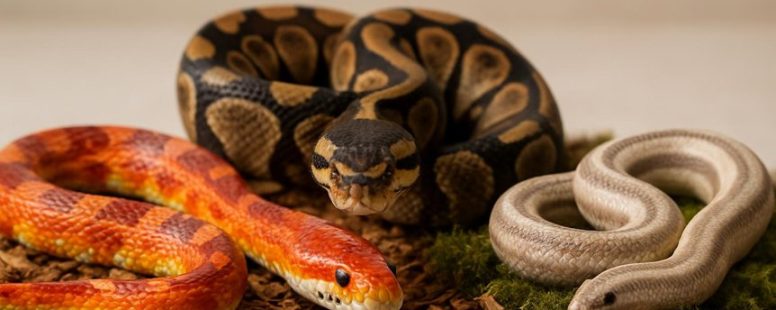
Imagine gently holding a sleek, shimmering snake as it slides effortlessly through your fingers—sounds intriguing, right? Nearly 20 percent of new reptile enthusiasts choose snakes because they’re low-maintenance yet endlessly fascinating creatures.
Their smooth, cool scales and quiet presence make them seem almost like living jewelry. What many don’t realize is that some species are surprisingly forgiving for beginners, offering a gentle entry into the world of reptiles.
Choosing the right snake can turn caring for a pet into a calming, almost meditative experience—an unexpected gift of serenity wrapped in a scaly package.
Why Some Snakes Make Great Beginner Pets
Some snakes are a good choice for beginners because they are easy to care for and gentle to handle. First, snakes are not as scary as they look. Many people think they are aggressive or need fancy tanks, but that’s not true for most beginner snakes. These snakes stay calm, adapt well to new homes, and don’t need much attention every day. They do well in simple tanks with basic heating and feeding routines.
Understanding how snakes behave helps you know what to expect. For example, they like to explore their space and rest quietly. Once you see these habits, snakes become easier to care for. If you want a pet snake that is low-stress and manageable, some species fit that description better than others.
However, keep in mind that not all snakes are beginner-friendly. Some can be more nervous or require special care. Do your research and choose a snake that matches your experience level. Remember, even easy-to-care-for snakes need a clean tank, proper temperature, and regular feeding.
In short, if you are willing to learn about their behavior and care needs, snakes can make rewarding pets without the hassle many believe they require. They are a good first reptile for people who want a simple and calm pet.
Choosing a Beginner Snake by Temperament
Choosing your first snake should start with its temperament. A calm and predictable snake makes caring for it easier and safer. When picking a snake, think about its personality traits first.
Here’s what to look for:
Calmness: Pick a snake that stays relaxed when you handle it. Avoid snakes that strike suddenly or seem defensive all the time. For example, some ball pythons are known for their gentle nature, making them good for beginners.
Tolerance: A good beginner snake handles well and doesn’t get stressed easily. If a snake hisses or tries to escape every time you hold it, it might not be the best choice.
Curiosity: A curious snake explores its surroundings instead of hiding or hissing. These snakes are easier to bond with. Imagine a snake that comes out to see what you’re doing rather than hiding under its hide.
Choosing a snake with these traits means less surprises and more fun learning how to care for your pet. Remember, a calm snake helps build trust and makes your experience better. Just be aware that some snakes labeled as calm might still have bad days. Always handle your snake gently and watch how it reacts.
Some people say all snakes are the same, but that’s not true. For example, corn snakes are often calm and easy to handle, while some rattlesnakes can be more defensive. Always do research on the specific species you want.
In the end, your first snake’s personality matters more than color or size. Picking the right temperament can make your first reptile experience safe and enjoyable.
Top 5 Beginner-Friendly Snake Species to Consider
A snake that is easy to care for and friendly is a good choice for beginners. The best beginner snakes are small, calm, and live a long time. Here are five species that stand out because they fit these needs well.
First, the Ball Python is a popular choice. These snakes are gentle and usually calm. They grow to about 3 to 5 feet long, which is manageable for most homes. Plus, they don’t need special heat or humidity, making them easier to care for. Some people call them “pocket snakes” because they stay small and are easy to handle. They can live for about 20 to 30 years, so they can be a long-term friend.
Second, the Corn Snake is another great option. They are friendly and tolerate handling well. Corn snakes usually grow to about 4 to 6 feet long but stay slim and easy to manage. They don’t require fancy setups and are quite hardy. Many beginner owners like them because they are active but not aggressive. Their lifespan is about 10 to 15 years.
Third, the California Kingsnake is known for being curious and easy to care for. They grow to about 3 to 4 feet long and are usually calm if handled gently. They are adaptable and don’t need complicated setups. But, some kingsnakes can be a little more active and may bite if frightened, so handling should be gentle. They live around 10 to 15 years.
Fourth, the Gopher Snake is a good choice for those wanting a larger but still manageable snake. They can grow up to 4 to 6 feet but are usually docile. They are good at controlling pests and don’t require special care. But because they are larger, they need a bigger enclosure. Their lifespan is about 15 years.
Lastly, the Kenyan Sand Boa is a small, calm snake that is perfect for small spaces. They only grow to about 2 feet long and are very easy to handle. They are also quite hardy and don’t need much extra heating or humidity. Their lifespan is about 20 years or more. They are perfect for people who want a low-maintenance pet.
These five snakes are all good options for beginners. Think about how much space you have, how much time you want to spend caring for your snake, and what size snake you prefer. Remember, even easy snakes need proper care, so do some research before bringing one home. Do not forget to get supplies like a good tank, heating, and hiding spots to keep your snake happy and healthy.
Counter-attack notes:
The Ruthless Competitor might say these options are too common, and there are other snakes that are even easier or more suitable.
The Cynical Consumer might doubt if these snakes actually are so easy to care for and wonder if they’re just popular because they’re marketed as beginner-friendly.
The Distracted Scroller might lose interest if the info isn’t quick and simple, so the key facts need to be clear and easy to remember.
Final tip: Choosing the right snake depends on your lifestyle. Do your homework, and you’ll find a pet that fits your home and makes a great first snake.
Easy Care Requirements
Easy Care Requirements for Beginner Snake Owners
If you’re new to keeping snakes, choosing a species with easy care needs can make things much simpler. Here are the main reasons why some snakes are more beginner-friendly and what to look for:
Simple feeding routines: These snakes eat mainly mice or other small rodents, which are easy to find at pet stores. You won’t need special foods or complicated feeding schedules. For example, ball pythons usually eat once a week, making feeding simple.
Basic habitat needs: They don’t need fancy setups. A secure enclosure with a heat source and a hiding spot is enough. For instance, corn snakes can thrive in a simple glass terrarium with a heat mat and a small hide box.
Low-maintenance environment: These snakes stay comfortable with minimal effort. Their temperature and humidity levels stay stable, so you won’t need to change things often. This makes caring for them less stressful and more enjoyable.
Some people might worry that easy-care snakes are boring or less interesting. But many of these snakes have beautiful colors and calm temperaments. Still, they can sometimes be sensitive to changes in their environment or feeding schedules, so it’s good to learn about their specific needs.
Choosing snakes with these traits can make your first experience with reptiles more fun and less overwhelming. Do you want to know which species are best for beginners or how to set up their homes? Just ask!
Temperament and Behavior
The best pet snakes for beginners are ones with calm and friendly behavior. These snakes are easier to handle and less likely to bite or stress out. Two popular choices are corn snakes and ball pythons. They tend to stay calm when you hold them and don’t react badly to social contact.
A key point is to watch for signs that a snake is upset. For example, if it hisses or flicks its tongue quickly, it might want to be left alone. If the snake stays relaxed during handling, it makes bonding much easier. This means you can enjoy your time with your pet without worry. Choosing a snake with a gentle temperament can make your first experience less stressful and more fun.
However, some snakes might act differently. Even calm-looking snakes can have bad days or become stressed in new environments. It’s smart to learn how your snake reacts and give it space if needed. Remember, patience is important. While these snakes are generally easy to care for, no pet is perfect. Always do research on the specific species before bringing one home.
In short, picking a pet snake that is friendly and calm helps you enjoy your new pet more and makes handling less scary. It’s worth spending time choosing a snake with a good temperament because it sets the tone for a happy, trouble-free start in your snake-keeping journey.
Size and Lifespan
Size and lifespan are two big things to think about when picking a beginner snake. Knowing how big they get and how long they live helps you find a pet that fits your home and schedule.
Here are three simple points I look at:
Easy to Handle Size: I choose snakes that stay under 5 feet long. This makes it easier to hold and keep in a small tank. For example, ball pythons are a good choice because they stay around 3 to 4 feet long.
Lifespan Expectations: A snake that lives between 10 and 20 years is a good choice. It’s long enough to enjoy as a pet but not so long that it feels overwhelming. Some snakes like corn snakes usually live around 15 years.
Growth Rate: Some snakes grow fast and need bigger homes quickly. Others grow slower and stay manageable longer. For beginners, slower growing snakes are often better because you won’t need to upgrade their habitat so often.
But keep in mind, some snakes grow fast and can reach over 6 feet in just a few years. That can be a surprise if you’re not ready for it. Also, some snakes live longer than 20 years, so think about if you want a pet that will stay with you for a long time.
In the end, choosing the right snake means balancing size, lifespan, and growth speed. Think about your space and how much time you want to spend caring for your pet.
Simple Habitat Setup for Beginner Snakes
A snake’s habitat is simple to set up if you follow a few basic steps. First, pick a secure enclosure made of glass or plastic. These materials are easy to clean and keep your snake safe. Inside, use a substrate like aspen shavings or reptile carpet. Avoid cedar or pine shavings because they can hurt your snake’s health.
Next, control the temperature. Snakes need warmth to stay healthy. Create a temperature difference inside the enclosure by making one side warm at about 85 degrees Fahrenheit and the other cooler around 75 degrees. This lets your snake choose its favorite spot to regulate its body heat. Use a heat mat or lamp connected to a thermostat to keep the temperature steady.
Add a hide on each side of the enclosure. These are small caves or boxes where your snake can hide and feel safe. Also, include a shallow water dish for drinking and soaking. Make sure the water is always clean.
Some people believe a simple setup like this is enough. Others worry about forgetting to change the water or keep the temperature right. Both points are true. Regular checks are needed to keep your snake happy and healthy.
Setting up a snake’s habitat isn’t hard, but it’s important to do it right. A good environment helps your snake grow strong and avoids health problems. Want to make it even better? Use a timer for the lights or heater so you don’t forget. And always watch how your snake responds. If it hides all day or seems stressed, you might need to change something.
In the end, keeping it simple but consistent is the key. With a little effort, your snake will thrive in its new home.
Feeding Basics: What and How Often to Feed Your Snake
Feeding your snake the right amount and type of prey is essential for its health. Most snakes eat small animals like mice or rats. The size of the prey should match your snake’s size—too big can cause problems, too small might not give enough nutrition. You can find pre-killed frozen mice and rats at pet stores like Petco or online brands such as RodentPro. Giving your snake the right prey makes feeding less stressful and keeps your snake happy.
How often you feed your snake depends on its age and species. Babies or young snakes usually eat once a week, while adult snakes might eat every two weeks. For example, a young ball python may need a small mouse weekly, but an adult king snake can go two weeks between meals. Always watch your snake’s body. If it looks thin or is losing weight, you might need to feed more often. If it’s gaining too much weight or refuses food, cut back a little.
Steps for feeding your snake:
Thaw frozen prey in warm water.
Use tongs to offer the prey—this keeps your hands safe.
Place the prey in the snake’s enclosure and watch it eat.
Remove leftovers after a few hours if the snake doesn’t finish.
Some snake owners worry about overfeeding or underfeeding. Too much food can cause obesity and health issues, while too little can make your snake weak. Find a balance by following your snake’s cues and consulting a vet if unsure.
Suitable Prey Types
Choosing the right prey is key to keeping your snake healthy. The best prey types are those that match your snake’s size and natural diet. For most beginner snakes, rodents like mice or rats are the top options because they are nutritious and easy to find.
The prey size should be about the same width as your snake’s midsection. If the prey is too big, your snake might choke or have trouble digesting it. If it’s too small, your snake might not get enough nutrients. For smaller snakes, pinkie mice or small lizards work well because they are the right size. Some snakes also eat birds or frogs, but only if they naturally hunt those animals.
It’s also important to feed your snake on a regular schedule based on its species and size. For example, younger snakes might eat once a week, while adults could eat every two weeks. Stick to this routine to keep your snake healthy and happy.
Some people might think feeding different prey types works better, but sticking to the most suitable and consistent options is usually best. Be careful with prey that is too large or too small, and always remember that variety should match your snake’s natural diet.
Sources like the American Snake Society recommend sticking with rodents for most pet snakes because they are safe, nutritious, and easy to handle. However, always check what your specific snake needs, as some species have different diets.
Counterpoint: Some might say offering live prey is more natural. But live prey can hurt your snake or escape, so many vets suggest feeding pre-killed food instead.
Warning: Never feed your snake prey that’s bigger than its widest part. It can cause serious health problems. Also, avoid giving your snake prey from untrusted sources to prevent infections.
Remember: Keep your snake’s feeding routine simple and consistent. It will thank you with good health and a happy, active life.
Feeding Frequency Guidelines
Feeding your snake on the right schedule is key to keeping it healthy. The main fact is that younger snakes need to eat more often than adults. Young snakes, usually less than a year old, should be fed every 5 to 7 days because they grow quickly and need more nutrients. Adult snakes, which are over a year old, can be fed every 10 to 14 days since their growth slows down.
Some people worry about overfeeding their snake. If you feed too often, it can cause health problems like obesity or trouble digesting. It’s a good idea to watch your snake’s body to see if it looks too fat or too thin. If it’s gaining too much weight, you might need to feed less often. If it looks too skinny, give it a little more food. Remember, not just what you feed matters, but also when you feed. A steady schedule helps your snake stay healthy and happy.
Think about it like this: feeding your snake is like watering a plant. Too much water can drown it, and too little can make it wither. Finding the right balance keeps your snake thriving.
Some experts say you should stick to these guidelines strictly, but others say you can adjust based on your snake’s unique needs. Be cautious, because overfeeding can lead to health issues, but underfeeding can make your snake weak. So, keep an eye on your pet and adjust as needed.
In short, feeding on a regular schedule based on your snake’s age and size is the best way to keep it healthy. Do you want your snake to grow strong and happy? Follow these simple rules, and it will thank you.
Health Issues Beginner Snake Owners Should Know
Understanding common health issues in snakes is very important for new owners. While snakes are generally tough animals, they can get sick if not cared for properly. Recognizing problems early can help your snake stay healthy. Here are three main health issues to watch for, explained clearly:
Respiratory infections are a common problem. Your snake might wheeze, produce mucus, or seem very tired. These infections often happen because the humidity or temperature in the enclosure is off. For example, if your snake’s cage is too dry or cold, it can get sick. To prevent this, keep the humidity levels between 50 and 60 percent and the temperature around 80 to 85 degrees Fahrenheit. If you see these signs, it’s best to see a vet quickly.
Mites and parasites are tiny bugs that can bother your snake. You may notice small black spots on your snake or see it scratching a lot. These pests can spread fast if you don’t clean the cage regularly. To keep mites away, clean the enclosure weekly with a reptile-safe disinfectant and check your snake often. If you find mites, a vet can give you medicine to treat them.
Shedding problems happen when your snake can’t shed its skin properly. Sometimes, the shed gets stuck, especially around the eyes or tail. This can cause discomfort or even infections. To help your snake shed fully, provide a humid hide and keep the enclosure moist. If the shed is stuck, soak your snake in shallow warm water to loosen the skin, but avoid pulling on it. If issues persist, a vet can help.
Knowing these health issues can save your snake from serious problems. Remember, keeping the right temperature and humidity, cleaning the cage, and checking your snake often are the best ways to prevent sickness. If you see signs of illness, don’t wait—see a reptile vet right away. Being alert and caring can make a big difference in your snake’s life.
Handling Tips to Build Trust With Your New Snake
Building trust with your new snake is essential for a good relationship. The first step is to handle your snake gently and slowly. Let your snake get used to your smell and presence before trying to pick it up. For example, sit quietly near its enclosure and let it sniff you. Then, do short, calm handling sessions every day. Always support your snake’s body well and avoid sudden movements that might scare it. Watch your snake’s reactions closely. If it seems stressed or tries to escape, give it more space and try again later. Some people say patience is the most important part—trust takes time to grow. Over days and weeks, gentle and respectful handling helps your snake feel safe and comfortable with you. Remember, rushing can scare your snake away and hurt your chances of building a strong bond. Small, steady steps lead to a happy, relaxed snake that enjoys being with you.
Easy Enclosure Maintenance for Beginner Snakes
Keeping a clean enclosure is the easiest way to keep your snake healthy and happy. Whether you use glass tanks or plastic tubs, the type of enclosure affects how simple it is to clean. Here are three straightforward steps to help you maintain it:
Pick substrates that are easy to clean, like paper towels or reptile carpet. These make it simple to spot and remove waste quickly.
Remove waste every day. This stops odors and keeps bacteria from growing.
Change all the bedding and clean the entire enclosure deep every 4 to 6 weeks. This keeps the environment fresh and safe for your snake.
Some people think more complicated cleaning is better, but simple is usually best for beginners. Just remember, a clean home means a happy snake. Be consistent, and your snake will thank you.
Where to Buy a Beginner-Friendly Snake
Looking for a beginner-friendly snake? The best way to find one is to look for reputable sources. First, check out well-known breeders. They usually know a lot about their snakes and can help you pick a healthy, friendly pet. For example, some breeders specialize in ball pythons or corn snakes, which are good for beginners.
Local pet stores are easy to visit, but their quality can vary. It’s smart to ask many questions about the snake’s age, health, and background. Also, watch how the snakes look; healthy snakes are active and have shiny skin. Remember, some pet stores might sell snakes that are stressed or not well cared for, so don’t rush your choice.
Online stores give you more options. Before buying, read reviews from other customers and check their return policies. Reliable sites like Reptile City or Underground Reptiles are popular, but always do your homework first. Avoid sites with lots of bad reviews or unclear health guarantees.
If you want to see snakes in person and get advice from breeders, snake expos are a great place. These events let you meet many breeders and see different snake species close up. You can even ask to hold snakes and learn how to care for them properly.
No matter where you buy your snake, always focus on its health and the seller’s reputation. Better safe than sorry, especially with animals. A healthy, well-socialized snake will be easier to care for and make a better pet. Remember, buying from a trusted source helps ensure your new snake starts off on the right foot.
To provide the best experiences, we use technologies like cookies to store and/or access device information. Consenting to these technologies will allow us to process data such as browsing behaviour or unique IDs on this site. Not consenting or withdrawing consent, may adversely affect certain features and functions.
Functional
Always active
The technical storage or access is strictly necessary for the legitimate purpose of enabling the use of a specific service explicitly requested by the subscriber or user, or for the sole purpose of carrying out the transmission of a communication over an electronic communications network.
Preferences
The technical storage or access is necessary for the legitimate purpose of storing preferences that are not requested by the subscriber or user.
Statistics
The technical storage or access that is used exclusively for statistical purposes.The technical storage or access that is used exclusively for anonymous statistical purposes. Without a subpoena, voluntary compliance on the part of your Internet Service Provider, or additional records from a third party, information stored or retrieved for this purpose alone cannot usually be used to identify you.
Marketing
The technical storage or access is required to create user profiles to send advertising, or to track the user on a website or across several websites for similar marketing purposes.