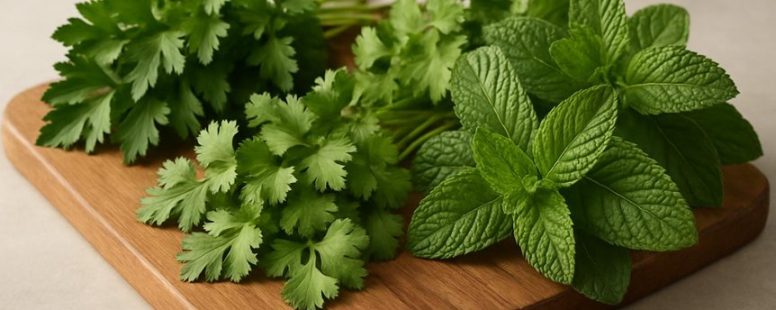
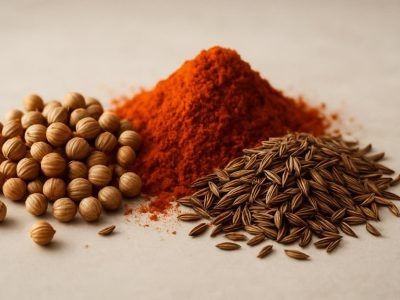
Imagine trying to capture the vibrant glow of a sunset in a jar—finding the perfect substitute for coriander can feel just as elusive. Its fresh leaves and earthy seeds bring a bright, aromatic punch that’s hard to imitate.
When you choose the wrong replacement, it’s like swapping a symphony for a solo—your dish loses its harmony. But with a few clever swaps, you can preserve that warm, spicy undertone and unlock a surprising benefit: some alternatives actually enhance other flavors in your dish, making every bite more complex.
Knowing when and how to use them transforms a simple recipe into a culinary masterpiece.
Why Coriander Tastes So Unique
Coriander, also called cilantro, is a herb with a flavor that is hard to compare. It tastes citrusy, slightly sweet, and earthy all at once. This makes it special among herbs. When I cook with coriander, I notice it makes dishes taste brighter without taking over the flavor.
There are different ways to bring out its flavor. Toast the seeds in a pan to add nuttiness, or add fresh leaves at the end for a fresh burst. Coriander goes well with ingredients like lime, cumin, and chili. These combinations make food taste well balanced and lively.
Knowing why coriander tastes so unique helps me pick good substitutes if I don’t have it. For example, parsley or basil might work in some recipes, but they don’t have the same citrusy punch. Adjusting recipes keeps the flavor vibrant without losing what makes coriander special.
Some people find coriander tastes too soapy, which is from a genetic difference. So, if you don’t like it, you might want to skip it or use different herbs. Whether you love or dislike coriander, understanding its flavor helps you decide the best way to use it in your cooking.
Best Fresh Herb Substitutes for Coriander Leaves
Coriander leaves are often used in recipes for their fresh, citrusy flavor. If you don’t have them, you might wonder what other herbs can stand in for coriander without changing your dish too much. The best substitutes depend on what you’re making, but here are some options that work well.
First, parsley is a good choice because it has a similar bright, green flavor. It won’t add the citrus note that coriander gives, but it will keep your dish fresh and colorful. For example, if you’re making a salad or salsa, chopped parsley can replace coriander nicely.
Second, basil can be a good alternative if you want a different aroma. It has a sweet smell that can bring a new twist to your dish. Basil works especially well in cooked dishes like soups or stews. Keep in mind that basil’s flavor is stronger and sweeter than coriander, so use it sparingly.
Some people also suggest using cilantro, which is another name for coriander. But if you’re out, consider mint or dill for a different flavor profile. Mint adds a cool, fresh taste, while dill has a slightly tangy flavor. These might not be perfect matches but can work in a pinch.
Remember, each herb has its own personality. For example, parsley is mild and versatile, while basil is more aromatic. When choosing a substitute, think about what flavor you want to highlight. If you’re making a dish that relies heavily on coriander’s citrus note, you might need to add a squeeze of lemon or lime instead.
A warning — using herbs that are too different from coriander can change your dish’s flavor significantly. For instance, replacing coriander with mint in a curry might not give the same effect. It’s better to pick an herb that matches the overall flavor profile of your meal.
Cilantro Leaf Alternatives
Cilantro leaf substitutes are herbs you can use instead of fresh cilantro when you don’t have it. The best substitute depends on what you need—flavor, appearance, or aroma.
Thai basil is a good option because it has a slightly sweet and peppery taste that works well in Asian dishes. It tastes different from cilantro but can still add a fresh flavor. If you want something very similar, culantro is better. It has a stronger, more intense flavor that is quite close to cilantro and is often used in Caribbean and Latin American cooking. However, culantro is less common and might be harder to find in regular grocery stores.
Lemon balm is another alternative. It adds a citrusy flavor without overpowering your dish. This herb is great if you want a fresh, lemony note but do not need the exact taste of cilantro.
When choosing a herb substitute, think about how you use cilantro in your recipe. If it is for garnish, a milder herb like lemon balm might be enough. If cilantro is a main flavor, culantro or Thai basil might be better choices.
Some people might prefer one herb over another based on personal taste or availability. For example, Thai basil is common in Asian markets, but culantro might be hard to find outside certain regions. Also, remember that each herb has its own unique flavor, so using a substitute may change the final taste of your dish.
Parsley As Coriander Substitute
Coriander leaves can be replaced with parsley when you want a fresh herb in your dish. Parsley is a common substitute because it looks similar and has a mild, green flavor. It is less citrusy than coriander but still adds a bright touch to recipes like salads, salsas, and garnishes.
Flat-leaf parsley works best for this purpose because it resembles coriander leaves more than curly parsley. The texture of parsley is tender and slightly crunchy, which helps keep your dish feeling fresh. Keep in mind that parsley does not taste exactly like coriander. If you need the citrusy flavor of coriander, parsley will only give you a similar look and a mild grassy taste.
Some people find that parsley works well in most recipes that call for coriander, but others might miss the unique flavor. It is a simple swap that can make your dishes look and taste fresh, especially when coriander is not available. Just remember, while parsley is a good substitute, it’s not a perfect match. Use it when you want a bright, green herb that won’t overpower your food.
Basil For Fresh Flavor
Basil is a fresh herb that adds a bright, slightly sweet flavor to dishes. It does not taste exactly like coriander, but it can be a good substitute in many recipes. Different types of basil, like sweet basil, Thai basil, or lemon basil, bring unique tastes that work well in various cuisines. For example, sweet basil is common in Italian pasta and pizza, while Thai basil is great in Asian dishes.
When you want to replace coriander with basil, it’s best to add the herb at the end of cooking. This helps keep its fresh flavor. Basil won’t give you the citrusy taste that coriander has, but its aroma can make salads, soups, and sauces more interesting.
Some people like to experiment with basil varieties to make their dishes more creative. However, keep in mind that basil and coriander have different flavors. Basil is more aromatic and sweet, while coriander has a citrusy tang. So, basil works best in certain recipes but may not be a perfect match in all dishes that need coriander.
If you’re trying to find a quick herb swap, basil is a versatile option. Just remember, it might change the taste a little, so taste as you go. For example, adding Thai basil to an Asian stir-fry can give it a fresh, herbal kick. But if you need the citrus flavor of coriander for a specific recipe, basil might not be the best choice.
Some chefs warn that basil can overpower delicate dishes if used too much, so use it sparingly. Others say it’s a fun way to change up recipes without going to the store. Either way, experimenting with basil can add new flavors to your cooking, even if it’s not a perfect match for coriander.
Ground Spice Substitutes for Coriander Seeds
When you’re out of ground coriander seeds, you might wonder what to use instead. Cumin, caraway, and fennel are common substitutes. Each one has a different flavor, so picking the right one depends on what you want in your dish.
Cumin is the most popular substitute. It has a warm, earthy flavor that can replace coriander well. If your recipe calls for a smoky taste, cumin works nicely. But remember, cumin’s flavor is stronger and more intense, so use a little less than the amount of coriander called for.
Caraway seeds are another option. They have a slightly bitter, nutty flavor with a hint of sweetness. They are often used in rye bread, but they can add a unique taste to stews and curries. Be careful though, because caraway can be overpowering if you use too much.
Fennel seeds are milder and sweeter than coriander. They give a fresh, slightly licorice-like flavor to dishes. Fennel works well in salads, roasted vegetables, or sausage recipes. Use fennel if you want a lighter, sweet touch.
Some cooks prefer cumin because it’s closest in warmth and depth. Others choose fennel for a softer, sweet flavor. Caraway can be good in hearty recipes but might not work well in delicate dishes. Always taste as you go to avoid overpowering your dish.
In the end, choose your substitute based on the flavor profile you want. Cumin is safest for savory, bold dishes. Fennel is better for lighter, sweet flavors. Caraway adds a nutty twist but can be strong. Experiment to find what fits your taste best.
Common Ground Spice Alternatives
Coriander seeds have a special citrusy and warm flavor that can be hard to replace. When I cook, I want substitutes that match that bright and spicy taste without changing the dish too much. Here are four common ground spice substitutes I use, but keep in mind each has its own flavor and limitations.
Cumin – Cumin has an earthy flavor with a mild bitterness. It works well in many spice blends and can stand in for coriander if you want a warm, toasted taste. But cumin is less citrusy, so it’s not a perfect match. Use a little less than the recipe calls for to avoid overpowering the dish.
Caraway seeds – These seeds have a citrusy note and a slight sweetness, making them a good stand-in for coriander. They are often found in rye bread and some European dishes. Be careful; they can be stronger than coriander, so start with a small amount.
Fennel seeds – Fennel has a sweet, licorice-like flavor that adds warmth to dishes. It works well in recipes like soups and stews needing a subtle, sweet spice. But fennel is quite distinct, so use it sparingly to avoid changing the flavor too much.
Garam masala – This is a pre-made spice blend from India that often includes coriander. If you want a quick fix, garam masala can add some of that warmth and complexity. But it is more complex and includes other spices, so it might change the taste more than you’d expect.
When I use these substitutes, I usually start with less and taste as I go. You might need to adjust the amount depending on the dish. Remember, no substitute is a perfect match, so think about what flavor you want to highlight. Sometimes, mixing two of these options can get closer to the original coriander flavor.
Counterpoints and warnings: Some people might find cumin too earthy or fennel too sweet. Garam masala can be overwhelming if you add too much. Also, if your recipe relies heavily on coriander’s citrusy note, these substitutes may not fully replicate it, so use them wisely.
Thought for the distracted scroller: If you’re in a hurry, grab some cumin or garam masala from your spice rack. But if you want that true coriander flavor, it’s better to buy fresh coriander seeds or ground coriander. Otherwise, your dish might taste off, and nobody will notice why.
In summary: Choosing the right coriander substitute depends on what flavor you want and what you have on hand. Each option has its strengths and limits, so taste as you go and adjust accordingly.
Flavor Profiles Compared
Understanding the different flavor profiles of coriander substitutes helps you pick the best one for your dish. Here is a simple guide to some common substitutes and their tastes.
Cumin has a warm, earthy flavor. It pairs well with slow-cooked dishes like roasts or stews. If your recipe needs a rich, hearty taste, cumin is a good choice. For example, it works well in chili or curry.
Caraway seeds have a slightly sweet, anise-like flavor. They are perfect when cooking dishes with cabbage or pork. If you want a subtle sweetness with a hint of licorice, try using caraway.
Fennel seeds provide a mild licorice flavor. They fit well in lighter recipes or seafood dishes. For example, fennel can add a fresh taste to fish or vegetable salads.
If you want a fresh, citrusy flavor similar to coriander, mix ground cumin with a little lemon zest. This combo can brighten up many recipes, especially salads or dressings.
Matching Coriander’s Citrus and Peppery Flavors
Coriander has a special flavor that combines citrus brightness with a peppery kick. If you want to get a similar taste without using coriander, here are some easy options.
First, lemon zest and black pepper is a simple mix. The lemon gives a fresh, citrusy taste, while black pepper adds some heat. It’s like giving your dish a bright, spicy punch.
Second, parsley with a pinch of white pepper works well. Parsley is mild and fresh, and the white pepper adds a subtle peppery flavor. This combo can make your dish feel lively without overpowering it.
Third, try celery leaves with a little cayenne. Celery leaves are crisp and slightly bitter, and cayenne adds a spicy touch. It’s like a crunchy, spicy burst that can mimic coriander’s freshness and heat.
Fourth, Thai basil with lemon zest is another good choice. Thai basil has a strong, aromatic flavor, and the lemon adds a citrusy note. This combo gives a fragrant, spicy, and citrusy flavor similar to coriander.
Keep in mind, these substitutes won’t perfectly match coriander every time. They work best in recipes where coriander is used for flavor accents. If you need the exact taste, you might be better off sticking with coriander. But for a quick fix, these options can make your dishes bright and lively without it.
Now, imagine trying to replace coriander in a curry or salad. These alternatives can help, but they each bring their own twist. So, experiment to see which one fits your taste best. Would you want a more citrusy or spicy result? That choice matters.
Some cooks warn that using too much of these substitutes could change the dish’s balance. Others say they’re not quite the same but good enough when you’re out of coriander. So, try small amounts first and adjust as needed.
In short, if you want to mimic coriander’s citrus and peppery flavor, lemon zest with black pepper or Thai basil with lemon are strong options. Just remember, no substitute is perfect, but they can make your cooking just as lively.
How Cumin and Other Spices Can Replace Coriander
Cumin and other spices can be a good substitute for coriander in cooking. They can add warmth and flavor to your dish when you don’t have coriander. Cumin is often used because it has an earthy, slightly nutty taste that works well in many recipes.
To mimic coriander’s flavor, you can mix cumin with spices like fennel seeds, turmeric, and chili powder. This combination creates a layered taste with a bit of sweetness, heat, and warmth. For example, if you’re making a curry and don’t have coriander, try adding a teaspoon of cumin, a pinch of fennel seeds, a little turmeric, and chili powder. These spices will help keep your dish flavorful even without coriander.
However, there are some limits. Cumin and these other spices do not perfectly taste like coriander. Coriander has a bright, citrusy flavor that is hard to replace exactly. So, if you want the real flavor of coriander, it’s better to use the actual spice. But if you are out or want a different twist, these spices work well in many dishes.
Some people find that cumin and similar spices might overpower the dish if used too much. So, start with small amounts and taste as you go. Also, not all recipes will taste right without coriander, especially those that rely heavily on its unique citrus aroma.
In the end, cumin and friends can help you get close to coriander’s flavor but won’t replace it perfectly. Experiment with these spices to find what you like best. They are easy to mix, and you might even discover a new favorite flavor combo.
Should You Use Parsley or Cilantro Instead of Coriander Leaves?
Coriander leaves are often replaced with parsley or cilantro in recipes, but they are not exactly the same. Here is what you need to know to choose between them.
First, parsley is milder and less citrusy. If you want a subtle green flavor that brightens your dish without overpowering it, parsley is a good choice. For example, adding parsley to pasta or salads can give a fresh look without changing the taste too much.
Second, cilantro, also called coriander leaves in many places, has a bright, slightly peppery flavor. It is a closer match to coriander leaves used in Mexican, Asian, and Indian foods. If your recipe calls for coriander, cilantro can often replace it well, especially in salsas, curries, or stir-fries.
Third, some people dislike cilantro because it can taste soapy or bitter. If you are sensitive to this, parsley is a safer option. It’s accepted more widely and won’t give you that strange flavor.
Fourth, using cilantro instead of coriander leaves works best in dishes where the fresh herb is a key flavor. But in some recipes, especially baked goods or cooked dishes where the herb is mixed in early, the flavor can change. So, think about how the herb will be used.
In the end, the choice depends on your taste and what dish you’re making. If you want something close to coriander’s original flavor, cilantro is better. But if you prefer a milder, more neutral flavor, parsley works well. Keep in mind that neither is a perfect match, but they can work in a pinch.
Counter to some claims, neither herb is a perfect substitute for coriander leaves in every dish. Their flavors differ, and using them might change the final taste. Also, some brands of cilantro or parsley can taste different depending on freshness and origin. So, taste test if you can before adding it to your dish.
How to Adjust Recipes When Swapping Out Coriander
Coriander leaves are often replaced with parsley or cilantro in recipes. The key is knowing how to adjust your dish so it still tastes good.
First, cilantro has a strong, citrusy flavor. When you swap it for coriander, you should use less because its taste can be overpowering. Adding cilantro at the end of cooking helps keep its fresh flavor. If the dish is too acidic, try reducing the amount of lemon or vinegar. For example, if a recipe calls for a tablespoon of coriander, start with half that amount of cilantro.
Parsley has a milder flavor. When using it instead of coriander, you might want to add a little more herbs or squeeze some lemon juice to brighten the flavor. If your recipe calls for a lot of coriander, increase the parsley slightly but be careful not to overdo it. A good trick is to taste the dish as you go, adjusting herbs and acidity.
Some cooks also recommend paying attention to the amount. Using too much of a strong herb can ruin the dish, so start small and add more if needed. For example, if you’re making a curry or salad, adding fresh herbs at the end keeps their flavor vibrant.
There are two main points to keep in mind. One, cilantro and parsley don’t always work equally well as substitutes. Two, adjusting the amount and when you add herbs makes a big difference in keeping the dish tasting right.
Some people might find that cilantro’s citrus flavor clashes with certain ingredients, while others love the bright punch it gives. So, it depends on your taste and the dish.
In short, when swapping coriander, think about the flavor strength and timing. Use less cilantro and add it at the end, or add a bit more parsley and lemon to keep the dish balanced. Remember, small adjustments can save a recipe from tasting off.
This advice works for most recipes, but always trust your taste buds. If a flavor feels off, don’t be afraid to tweak again. Just like cooking, adjusting is part of making a dish perfect for you.
Where to Buy Coriander Substitutes
Looking for good substitutes for coriander? Here are some simple options to try. These can help you keep your dishes flavorful even if you don’t have coriander on hand.
Local Farmers’ Markets – You can find fresh herbs like parsley or cilantro here. These are great for adding a fresh, green flavor right away. Sometimes, a quick visit to the farmers’ market can surprise you with a new herb that works well as a coriander substitute.
Specialty Grocery Stores – Stores that sell international foods often stock spices like cumin or caraway. These spices have flavors that can mimic coriander, especially in stews and curry dishes. But be careful because cumin has a stronger, earthier taste, so use less than you’d use of coriander.
Online Retailers – Websites like Amazon or specialty spice shops offer dried herbs and spices. You can find less common options like ground fennel or even coriander seeds themselves, if you want to grind your own. Buying online makes it easy to compare prices and read reviews before choosing.
Health Food Stores – These stores often carry organic and fresh herbs. If you want a natural, chemical-free option, look here. Sometimes, they have fresh coriander or other herbs that can work as a quick replacement.
Some folks prefer to avoid certain substitutes because they can change the flavor of your dish. For example, cumin is a common choice but can be stronger and more pungent. Always start with a small amount and taste as you go to avoid overpowering your meal.
In the end, trying out different substitutes can help you learn which flavors you like best. Whether you choose fresh herbs from the market or spice blends from online, you can keep your dishes tasty without coriander. Just remember, each substitute has its own personality, so experiment to see which one fits your recipe best.
Growing Your Own Coriander: A Simple Guide
Growing your own coriander is a simple way to get fresh herbs for cooking. Coriander is a herb with leaves and seeds that add flavor to many dishes. To grow it successfully, start by choosing a sunny spot in your yard or balcony. The soil should drain well so water doesn’t sit around the roots.
First, plant coriander seeds directly into the soil about a quarter inch deep. Space the seeds six to eight inches apart so they have room to grow. Keep the soil moist but not soaked. If the soil stays too wet, the roots can rot. Coriander likes cooler weather, so avoid planting it during the hottest days of summer. If it gets too hot, the plant might bolt or produce flowers too early, which makes the leaves bitter.
For pest control, keep an eye out for aphids and caterpillars. You can remove pests by hand or use natural soaps made for plants. Regularly trim the leaves to encourage the plant to grow bushier and stop it from flowering too soon. When coriander flowers, it produces seeds instead of leaves, so trimming helps keep your herb healthy and flavorful.
Some people say growing coriander is easy, but others warn it can be tricky in very hot climates or if pests attack. If you want a constant supply, consider planting new seeds every few weeks. That way, you won’t run out when one batch stops growing. Growing your own herbs takes patience, but it’s worth it when you taste fresh coriander right from your garden.
Sources: University of California Agriculture and Natural Resources, Home Guides
To provide the best experiences, we use technologies like cookies to store and/or access device information. Consenting to these technologies will allow us to process data such as browsing behaviour or unique IDs on this site. Not consenting or withdrawing consent, may adversely affect certain features and functions.
Functional
Always active
The technical storage or access is strictly necessary for the legitimate purpose of enabling the use of a specific service explicitly requested by the subscriber or user, or for the sole purpose of carrying out the transmission of a communication over an electronic communications network.
Preferences
The technical storage or access is necessary for the legitimate purpose of storing preferences that are not requested by the subscriber or user.
Statistics
The technical storage or access that is used exclusively for statistical purposes.The technical storage or access that is used exclusively for anonymous statistical purposes. Without a subpoena, voluntary compliance on the part of your Internet Service Provider, or additional records from a third party, information stored or retrieved for this purpose alone cannot usually be used to identify you.
Marketing
The technical storage or access is required to create user profiles to send advertising, or to track the user on a website or across several websites for similar marketing purposes.