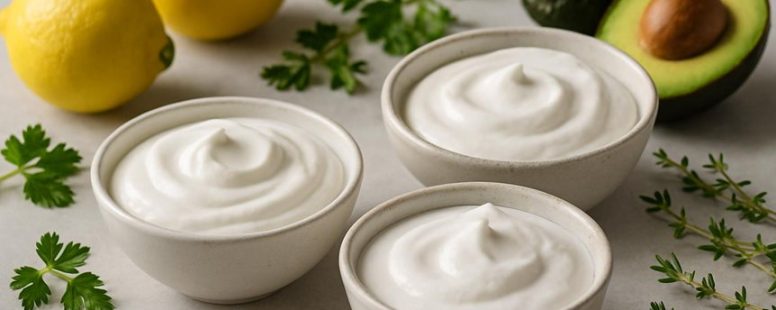
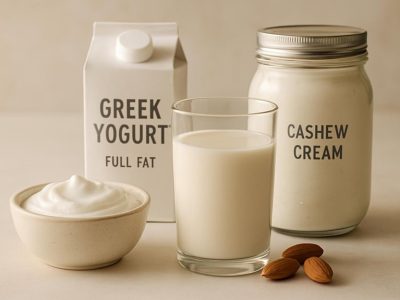
Imagine stirring a rich, tangy sauce only to realize your crème fraîche has vanished into thin air. That moment of culinary panic can feel like hitting a dead end.
Luckily, there are clever substitutes that preserve the creamy, tangy magic without sacrificing flavor or texture. Not only do these alternatives save your dish, but some also bring unexpected benefits—like a boost of richness or a touch of acidity that enhances every bite.
Think of it as your secret weapon in the kitchen, turning a potential disaster into a delightful triumph.
Choosing the Best Crème Fraîche Substitute for Your Recipe
Crème fraîche is a thick, tangy cultured cream used in many dishes. When you need a substitute, choosing the right one depends on what your recipe needs—whether it’s creaminess, tang, or heat stability.
Sour cream is a common alternative because it has a similar tang. But it’s usually thinner, so it works best in cold dishes like dips or toppings. Greek yogurt is another choice. It’s thicker and adds creaminess but has less tang. If you want a substitute that can handle cooking without curdling, crème fraîche is better because it stays smooth when heated. Some people use buttermilk or heavy cream mixed with lemon, but these may change the flavor or texture.
Think about what matters most in your dish. If you want a mild, thick addition for a sauce, Greek yogurt might be enough. But if you need that rich, tangy flavor that holds up in hot recipes, crème fraîche’s stability is unmatched. Both options have limitations—sour cream might be too thin, and yogurt less rich. Knowing these details helps you pick the right substitute so your dish turns out just right.
For example, if you’re making a tangy sauce, sour cream is quick and easy. But if you’re baking or cooking a creamy dish, crème fraîche or a stable substitute like heavy cream with a splash of lemon can save the day. Remember, not all substitutes work perfectly in every recipe. Sometimes, you might need to experiment to find what works best for you.
What Makes Crème Fraîche Unique in Flavor and Texture
Crème fraîche is a special type of dairy product that has a thick, smooth texture and a mild, tangy flavor. It is different from regular sour cream because it’s richer and less tangy, with a slight nutty taste. When you taste it, the cream melts easily in your mouth, feeling silky and luxurious. Its flavor isn’t overpowering, so it works well in many dishes. You can add it to sauces, soups, or salads to make them creamier and more flavorful. It also makes desserts richer with just a touch of tang.
Many chefs love crème fraîche because of its versatility. It can be used in both savory and sweet recipes without taking over the other flavors. Some brands, like Saint Andre or President, are popular options you might find in grocery stores. Knowing what makes crème fraîche special helps you see why it’s more than just thick cream. It’s a flexible ingredient that can make your cooking taste better and feel more luxurious.
Some people might worry that crème fraîche is too rich or that it could spoil quickly. While it’s delicious, it’s best used in moderation and kept refrigerated. Also, not all brands have the same tang or creaminess, so you might need to try a few to find your favorite. Whether you’re making a creamy pasta sauce or topping a fruit tart, crème fraîche can add a unique flavor and texture that you won’t find in regular cream or sour cream.
Using Sour Cream as a Crème Fraîche Substitute
Sour cream can be used as a substitute for crème fraîche in many recipes. Crème fraîche is a creamy dairy product with a tangy flavor, but if you don’t have it, sour cream is a good alternative. It has a similar tang and creamy texture that works well in both cold dishes like dips and dressings, and warm dishes.
However, sour cream is thicker and less smooth than crème fraîche. To make it more like crème fraîche, you can thin it with a little milk or cream. Be careful when heating sour cream, because it can curdle if it gets too hot. Some people prefer using sour cream because it adds richness without changing the taste too much.
But, there are a few downsides. Sour cream can sometimes be too tangy or thick, and it might not hold up well in high heat recipes. If you need a very close match to crème fraîche, some brands like Daisy or Breakstone’s offer options that are closer in texture and flavor.
In short, sour cream is a convenient and affordable substitute, but it’s not a perfect match. It works best in recipes where the slight tang and creaminess are okay, but avoid using it in dishes that need to be cooked at high heat for a long time.
Would you try this substitute for a specific dish? Or are you looking for the best way to replace crème fraîche in baking or sauces? Knowing your goal can help you decide if sour cream is the right choice.
Yogurt Options That Work Like Crème Fraîche
Yogurt can work as a substitute for crème fraîche in many recipes. Crème fraîche is a thick, creamy dairy product often used in sauces and desserts. While yogurt isn’t exactly the same, full-fat Greek yogurt is a good alternative because it’s thick and smooth.
When picking yogurt, look for plain, full-fat options. Flavored yogurts can change the taste of your dish, so plain is better unless you want a little tang. If you like a slight tang but want it milder than sour cream, mild-flavored yogurt is a good choice. Some brands, like Chobani or Fage, offer very thick yogurts that can stand in for crème fraîche.
Yogurt has benefits too. It has probiotics, which are good for digestion, and it generally has less fat than crème fraîche. However, keep in mind that yogurt is not suitable for high heat cooking because it can curdle or separate. To avoid this, add yogurt at lower temperatures or off the heat.
There are two sides to using yogurt as a substitute. On one hand, it’s healthier and easier to find at most stores. On the other hand, it might not give you the same richness or flavor as crème fraîche. So if you want the authentic taste, real crème fraîche is better. But if you need a quick fix, yogurt can do the job.
DIY Crème Fraîche Substitute With Heavy Cream and Buttermilk
Crème fraîche is a rich, tangy cream often used in cooking and as a topping. If you don’t have any or want a simple homemade version, you can make a good substitute with just heavy cream and buttermilk.
To do this, mix about 1 cup of heavy cream with 2 tablespoons of buttermilk. Stir well until combined. Then, leave the mixture at room temperature for 12 to 24 hours. During this time, the bacteria in the buttermilk will thicken the cream and give it a tangy flavor, similar to store-bought crème fraîche. After it thickens, put it in the fridge to slow down the fermentation process.
This homemade version works well in recipes or as a topping on baked potatoes or fruit. Some people might find it not as thick or tangy as the real thing, but it’s a quick and easy substitute. Just remember, the key is getting the right ratio and patience for it to thicken properly.
If you want a closer match, you might need to experiment with the ratios or fermentation time. Some brands of buttermilk are more cultured than others, which can affect the flavor. Also, keep in mind that this homemade version won’t last as long as store-bought crème fraîche. Use it within a week for best results.
Coconut Cream and Non-Dairy Crème Fraîche Alternatives
Coconut cream is a popular non-dairy substitute for crème fraîche because it’s thick, creamy, and has a mild sweetness. It’s a good choice if you want a rich texture without dairy. Some brands like Thai Kitchen or So Delicious offer coconut creams that work well in recipes.
Besides coconut cream, there are other plant-based options that can give you a similar tangy flavor and creamy texture. For example, cashew-based creams or soy-based products can be good swaps. These might not be as rich as coconut cream but can work in sauces or desserts.
To use these alternatives in your cooking, start by replacing crème fraîche with the same amount of coconut cream or your chosen substitute. If you want the tangy flavor, add a small splash of lemon juice or vinegar. For instance, if a recipe calls for one cup of crème fraîche, use one cup of coconut cream or a similar amount of cashew cream.
One thing to keep in mind is that coconut cream can be quite thick and sweet, so you might want to whisk it well or thin it out with a little water or plant-based milk. Also, some people might find coconut flavor overpowering, so try a small amount first.
Some folks prefer the taste of dairy crème fraîche for its tang, but if you’re avoiding dairy, these plant-based options can be good. Just remember they might not taste exactly the same. Coconut cream is more readily available and usually cheaper, but alternatives like cashew or soy creams can give you more flavor options.
If you want to get really fancy, you can make your own non-dairy crème fraîche by fermenting plant-based milk or cream with a bit of probiotic starter. It takes some time but can give you a tangy homemade substitute.
In summary, coconut cream is a top non-dairy choice for its richness, but other plant-based options exist. Always taste as you go and adjust with lemon or vinegar for that tangy flavor. These substitutes are good for cooking, but they might not match dairy crème fraîche perfectly. If you’re not careful, some options can be too sweet or too strong in coconut flavor.
Sources: Plant-based creams are widely available at grocery stores like Whole Foods and Trader Joe’s. Homemade recipes are shared by food blogs like Minimalist Baker.
Coconut Cream Benefits
Coconut cream is a dairy-free alternative that works well in many recipes. It is made from the thick, rich part of coconut meat and is known for its smooth, creamy texture. Unlike heavy cream or crème fraîche, coconut cream is naturally high in healthy fats and vitamins, making it a nutritious choice. Many people use it to replace dairy products because it is lactose free and suitable for vegans.
Some folks find coconut cream very versatile. You can use it in sweet dishes like puddings and desserts, or in savory dishes such as sauces and curries. It can even be whipped like traditional cream, which makes it a good substitute for topping fruit or desserts. For example, if you want a dairy-free whipped topping, coconut cream can be a quick and tasty option.
However, there are some things to keep in mind. Coconut cream has a strong coconut flavor that might not suit every dish. Also, it is quite high in fat, so if you are watching your fat intake, you should use it in moderation. Some brands may be thicker or more flavorful than others, so it’s worth trying a few to find your favorite.
Non-Dairy Crème Fraîche Options
Non-dairy crème fraîche is a good alternative for people who can’t or don’t want to eat dairy. It’s made from ingredients like coconut cream or nuts and can be used just like regular crème fraîche. These options are not only creamy but also give you some healthy fats and vitamins, especially from coconut or nuts.
For example, coconut cream adds a slight tropical flavor, which can be fun in both sweet and savory dishes. Cashew-based versions are milder and won’t change the taste much. You can use non-dairy crème fraîche in soups, sauces, or desserts just as you would the traditional kind.
When choosing a non-dairy option, think about the flavor you want. If you like a hint of coconut, coconut cream is a good choice. If you prefer a neutral taste, try a cashew or almond-based product.
Some brands like So Delicious or Silk offer reliable plant-based options. But keep in mind, these non-dairy versions might not be as thick or tangy as dairy crème fraîche. They work well in most recipes but may need some adjusting.
When to Use Cream Cheese or Mascarpone as Substitutes
Cream cheese and mascarpone are both soft cheeses often used in recipes like dips and desserts. To decide which one to use as a substitute for crème fraîche, it helps to look at their texture and flavor.
Cream cheese is thicker and has a tangy taste. It’s slightly denser and holds its shape well. If you want a creamier, slightly sharper flavor, cream cheese works good. But be careful—its tanginess can change the taste of your dish.
Mascarpone is smoother and richer. It’s silkier and less tangy than cream cheese. If you want a milder, creamier result, mascarpone is the better choice. It’s great in desserts like tiramisu or cheesecakes.
Some people say you can swap them easily, but that’s not always true. For example, in a cheese dip, cream cheese might give you a firmer texture, while mascarpone makes it super soft. Think about what you want from your dish—richer or tangier—before choosing.
A warning: cream cheese can be too tangy for some recipes, and mascarpone might be too rich if you want a lighter flavor. Both can work, but knowing their differences helps you pick the best one.
In the end, if you’re after a tangier taste and firmer texture, go with cream cheese. If you prefer a milder flavor and silky feel, choose mascarpone. Testing a small amount first can help you see which one suits your recipe better.
Texture Comparison Overview
Cream cheese and mascarpone are different in texture, and knowing this helps you pick the right one for your recipe. Cream cheese is thicker and firmer, so it works well in dips or spreads that need to hold their shape. Mascarpone is softer and silkier, making it better for sauces or desserts where you want a smooth, creamy feel.
If you want a product that keeps its form well and gives a sturdy base, cream cheese is the best choice. But if you prefer a light, melt-in-your-mouth texture, mascarpone is the way to go. For example, when making a cheesecake, cream cheese helps the dessert stay firm. For a creamy pasta sauce, mascarpone blends easily and creates a silky finish.
Some people might think these cheeses are interchangeable, but they aren’t always. Cream cheese holds up better in baking, while mascarpone can turn runny if heated too much. If you’re unsure, test small amounts first or read the recipe carefully. It’s good to remember that mascarpone is more delicate, so it might not work for recipes needing a firm cheese base.
In the end, understanding these differences helps me decide whether I want a thick, stable ingredient or a soft, luscious touch. Comparing their textures guides me to choose the best substitute, whether for a quick snack or a fancy dessert.
Flavor Profile Differences
Cream cheese and mascarpone are both creamy cheeses that can replace creme fraiche, but they have different flavors. Knowing these differences helps you pick the best one for your dish.
Cream cheese has a tangy and slightly sharp taste. It adds a bright, noticeable flavor that can make your dish taste more lively. For example, if you want a tangy kick in your dip or spread, cream cheese is a good choice. It also has a texture similar to creme fraiche, so it blends well.
Mascarpone is milder and sweeter. It is rich and buttery, making it perfect for delicate recipes like desserts or creamy sauces that need a smooth, luscious feel. If you want a subtle, sweet flavor without the tang, mascarpone works better.
When choosing between them, consider how the flavor will affect your dish. If you need acidity that mimics creme fraiche more closely, go with cream cheese. But if you want a richer, milder taste, try mascarpone.
Both cheeses are creamy in texture, but their flavors are very different. Cream cheese is tangy, while mascarpone is sweet and buttery. Think about what flavor your recipe needs before you decide.
Some people might think either cheese will work the same, but the flavor can change the whole dish. For example, using cream cheese in a sweet dessert might make it too tangy. On the other hand, mascarpone might be too mild for a savory dish. So, always pick the one that matches your flavor goal.
In all, knowing these flavor differences helps you pick the right substitute for creme fraiche without changing your recipe’s taste too much.
Best Culinary Applications
Cream cheese and mascarpone are both soft cheeses, but they have different uses in cooking. Knowing which one to pick depends on what kind of dish you are making.
Cream cheese is best for savory dishes like dips, spreads, and baked foods. It has a tangy flavor and a firm texture that stays in place when cooked. For example, if you want to make a cheesy casserole or a creamy dip, cream cheese is a good choice. It can also be used in sauces because it holds up well during cooking. Some brands like Philadelphia are popular when making bagel spreads or cheesecake.
Mascarpone is very rich and creamy with a slightly sweet taste. It works well in desserts like tiramisu or cheesecake. It adds a smooth, luxurious feel without being overwhelming. Mascarpone is also good in creamy soups or delicate sauces where you want a soft texture. Since it is more delicate than cream cheese, it might not hold up as well in very hot dishes or baking.
Some cooks prefer cream cheese because it’s more versatile and easier to cook with. Others like mascarpone for its rich flavor and smoothness in desserts. If you want a dish to have a tangy, firm texture, go with cream cheese. If you need a silky, sweet touch, mascarpone is the better option.
But beware. Cream cheese can sometimes be too tangy for sweet recipes, and mascarpone might melt or lose shape if cooked at too high a heat. So, it’s good to understand their strengths and limits before choosing. For example, using mascarpone in a hot casserole might cause it to break down, while cream cheese might not give enough richness in a dessert.
How to Adjust Flavors and Textures When Using Crème Fraîche Substitutes
Crème fraîche is a creamy, tangy dairy product often used in cooking and baking. If you don’t have it, you can use substitutes, but you’ll need to adjust the flavors and textures to make it close to the real thing. Here are simple steps to do that.
First, taste your substitute. This helps you decide what to add or change. For example, if it tastes flat, try adding a little lemon juice or vinegar to give it that tangy flavor. If it’s too thin, stir in some heavy cream or yogurt to make it thicker and creamier.
Next, blend the mixture if it feels grainy. Using a blender or whisk can help smooth it out. Then, chill it in the refrigerator for about 30 minutes. This not only helps it thicken but also makes the flavors blend better, giving you that rich, tangy taste similar to crème fraîche.
Some people prefer using sour cream or Greek yogurt as substitutes because they are naturally tart and thick. However, keep in mind that these options can be more sour or tangy than crème fraîche, so you might need to balance that with a little sugar or more cream.
Two viewpoints to consider: If you want an authentic taste, sticking closer to the original ingredients is best. But, if you’re in a hurry or on a budget, using simple adjustments can still give you a tasty result. Just remember, substitutions won’t always match perfectly, especially in delicate recipes like sauces or desserts.
Always taste as you go when adjusting. Too much vinegar or lemon can overpower the dish, while too little might leave it bland. Remember, small changes make a big difference.
To provide the best experiences, we use technologies like cookies to store and/or access device information. Consenting to these technologies will allow us to process data such as browsing behaviour or unique IDs on this site. Not consenting or withdrawing consent, may adversely affect certain features and functions.
Functional
Always active
The technical storage or access is strictly necessary for the legitimate purpose of enabling the use of a specific service explicitly requested by the subscriber or user, or for the sole purpose of carrying out the transmission of a communication over an electronic communications network.
Preferences
The technical storage or access is necessary for the legitimate purpose of storing preferences that are not requested by the subscriber or user.
Statistics
The technical storage or access that is used exclusively for statistical purposes.The technical storage or access that is used exclusively for anonymous statistical purposes. Without a subpoena, voluntary compliance on the part of your Internet Service Provider, or additional records from a third party, information stored or retrieved for this purpose alone cannot usually be used to identify you.
Marketing
The technical storage or access is required to create user profiles to send advertising, or to track the user on a website or across several websites for similar marketing purposes.