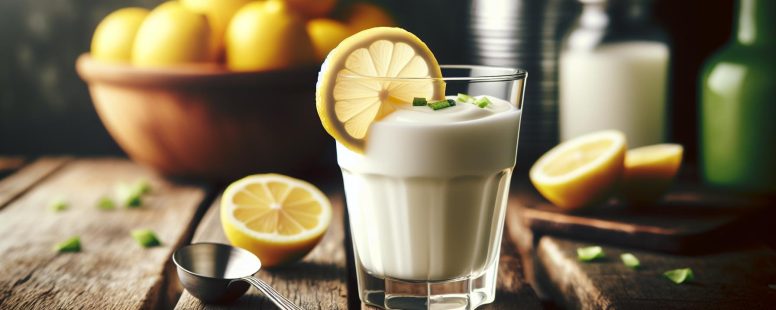
Your recipe calls for buttermilk, but there’s none in sight—what now? Don’t let this ingredient derail your culinary plans. Whether you’re whipping up fluffy pancakes or tender biscuits, you can easily recreate the tangy magic of buttermilk with simple substitutes already in your kitchen.
Picture transforming everyday staples like milk, yogurt, or even lemon juice into a perfect stand-in that delivers the same creamy texture and zesty flavor. These alternatives not only save the day but might surprise you with their versatility and ease of use. Ready to discover how to keep your dishes delicious without missing a beat?
What Is Buttermilk?
Buttermilk is a fermented dairy product known for its tangy flavor and slightly thick consistency. It’s traditionally created as a by-product when butter is churned from cultured cream.
Traditional Uses Of Buttermilk
You often find buttermilk used in baking to tenderize cakes, muffins, and biscuits. Its acidity reacts with baking soda, helping baked goods rise while adding moisture. Many savory recipes, like fried chicken marinades or creamy dressings, also rely on buttermilk for enhanced flavor and texture. In some cuisines, it’s consumed directly as a refreshing drink or mixed with spices.
Why Look For Alternatives?
Substituting buttermilk becomes necessary if you lack it at home or follow dietary restrictions such as lactose intolerance or veganism. Using alternatives like non-dairy milk combined with acidic agents (e.g., vinegar) allows you to replicate the taste without compromising your recipe’s outcome.
Popular Alternatives To Buttermilk
There are several effective substitutes for buttermilk that maintain its tangy flavor and creamy consistency. These options work well in baking, marinades, and other recipes requiring buttermilk.
Yogurt And Milk Mixture
Mix equal parts plain yogurt and milk to create a similar texture and taste to buttermilk. For example, use 1/2 cup yogurt with 1/2 cup milk as a substitute for 1 cup of buttermilk. This combination works best in pancakes or muffins where acidity enhances leavening.
Plant-Based Milks With Vinegar Or Lemon
Combine plant-based milks like almond, soy, or oat milk with an acidic agent such as vinegar or lemon juice. Add 1 tablespoon of vinegar or lemon juice per cup of non-dairy milk, stir it well, then let it sit for five minutes before using. This vegan-friendly alternative suits recipes like cornbread or salad dressings.
Sour Cream And Water Combo
Thin sour cream with water to replicate the consistency of buttermilk. Mix 3/4 cup sour cream with 1/4 cup water for each cup needed. This option is ideal for baked goods like cakes where richness complements the flavors.
Crème Fraîche Or Heavy Cream
Use crème fraîche or heavy cream mixed with an acid like lemon juice as a luxurious alternative to buttermilk. Stir 1 teaspoon of lemon juice into 1 cup of heavy cream for best results in dishes such as biscuits or scones.
Apple Cider Vinegar And Milk
Add apple cider vinegar to regular milk at a ratio of 1 tablespoon per cup. Let the mixture rest until it curdles slightly before incorporating it into your recipe. It’s particularly effective in savory preparations like fried chicken batter due to its balanced tanginess.
How To Choose The Best Alternative
Selecting a buttermilk substitute depends on your specific needs, such as dietary restrictions, flavor preferences, and nutritional goals. Evaluating these factors ensures the chosen alternative fits seamlessly into your recipe.
Dietary Restrictions And Preferences
Identify dietary requirements before choosing an option. For vegan diets, plant-based milks like almond or soy combined with vinegar or lemon juice work well. If you’re lactose-intolerant, consider lactose-free milk with an acidifier like apple cider vinegar. Gluten-sensitive individuals can safely use yogurt-based alternatives since they don’t contain gluten.
Cultural preferences also play a role in selection. In Mediterranean-style dishes, plain yogurt thinned with water maintains authenticity better than other substitutes.
Flavor And Texture Considerations
Choose substitutes that mimic buttermilk’s tangy flavor and creamy texture to maintain recipe integrity. For baking recipes like muffins or pancakes, opt for milk mixed with lemon juice for a similar acidity level. Use sour cream diluted with water when creating rich batters for cakes or scones.
If preserving tanginess isn’t crucial—for example, in savory marinades—plain heavy cream might be suitable even though its neutral taste profile.
Health Benefits And Nutrition
Assess nutritional content to align the substitute with your health goals. Non-dairy options often have fewer calories than traditional buttermilk while offering added nutrients depending on the base ingredient (e.g., almond milk provides vitamin E). Yogurt-based alternatives bring probiotics beneficial for gut health.
To increase protein intake without altering consistency significantly, Greek yogurt diluted slightly can replace standard buttermilk effectively in various dishes.
Tips For Substituting Buttermilk In Recipes
Substituting buttermilk in recipes ensures you maintain flavor and texture without disrupting your cooking process. Use these tips to adapt effectively across various culinary applications.
Baking Applications
In baking, a buttermilk substitute must mimic its acidity to activate leavening agents like baking soda. Combine 1 cup of milk with 1 tablespoon of lemon juice or white vinegar for cakes or muffins requiring a light, fluffy texture. For denser baked goods, such as scones, use yogurt diluted with water at a 3:1 ratio.
When preparing pancakes, plant-based milk (e.g., almond or soy) mixed with an acid like apple cider vinegar works well in vegan recipes. Ensure the mixture sits for about five minutes before incorporating it into the batter to achieve proper curdling and tanginess.
Savory Dishes
Savory dishes depend on buttermilk’s tangy flavor and tenderizing properties. Replace it with sour cream thinned by water for marinades or dressings; this enhances richness while maintaining consistency. For soups or curries, stir in coconut milk combined with lime juice as a dairy-free alternative that balances flavors without overpowering them.
Try crème fraîche mixed with lemon juice for casseroles or gratins where you need both creaminess and acidity. For fried chicken coatings, regular milk plus hot sauce creates an effective brine that adds both spice and moisture retention.
Adjusting Measurements For Substitutions
When substituting buttermilk, adjust liquids proportionally to prevent altering recipe balance. If your chosen alternative is thicker—like Greek yogurt—reduce other liquid ingredients slightly to avoid overly dense results. Alternatively, when using thinner substitutes such as almond milk mixtures, decrease their volume by 10-15% if the original recipe relies heavily on moisture content.
Taste-test acidic substitutes like vinegar-mixed milks gradually during preparation since excess acidity can affect overall dish flavor profiles subtly yet significantly.
Conclusion
Finding the best alternative to buttermilk doesn’t have to be complicated. With a little creativity and the right ingredients, you can replicate its tangy flavor and creamy texture in any recipe. Whether you’re baking fluffy muffins or preparing savory marinades, there’s an option that suits your needs.
By considering dietary preferences, flavor profiles, and recipe requirements, you can confidently choose a substitute that works seamlessly. These alternatives ensure your dishes turn out just as delicious without compromising on quality or taste.
Next time you’re out of buttermilk or need a dairy-free option, rest assured—you’ve got plenty of versatile solutions at your fingertips!
To provide the best experiences, we use technologies like cookies to store and/or access device information. Consenting to these technologies will allow us to process data such as browsing behaviour or unique IDs on this site. Not consenting or withdrawing consent, may adversely affect certain features and functions.
Functional
Always active
The technical storage or access is strictly necessary for the legitimate purpose of enabling the use of a specific service explicitly requested by the subscriber or user, or for the sole purpose of carrying out the transmission of a communication over an electronic communications network.
Preferences
The technical storage or access is necessary for the legitimate purpose of storing preferences that are not requested by the subscriber or user.
Statistics
The technical storage or access that is used exclusively for statistical purposes.The technical storage or access that is used exclusively for anonymous statistical purposes. Without a subpoena, voluntary compliance on the part of your Internet Service Provider, or additional records from a third party, information stored or retrieved for this purpose alone cannot usually be used to identify you.
Marketing
The technical storage or access is required to create user profiles to send advertising, or to track the user on a website or across several websites for similar marketing purposes.