Heavy whipping cream transforms dishes into indulgent masterpieces, lending velvety richness and a silky texture that feels like a warm, comforting hug.
But what happens when your kitchen runs dry and you’re caught in a culinary pinch? Don’t worry—there are clever substitutes that can mimic its creamy charm without sacrificing flavor.
Remarkably, some options even add a touch of nutrition or a surprising twist to your favorite recipes.
Think of it as a treasure hunt—finding that perfect creamy stand-in that turns your cooking into a delightful surprise.
Why Heavy Cream Is Special in Recipes
Heavy cream is a special ingredient used in many recipes because it can do things other ingredients can’t. It is a thick, rich dairy product that can be whipped, used to thicken sauces, and add a smooth texture. Unlike milk, heavy cream has a high fat content, usually around 36%, which helps it stand out. When whipped, it becomes fluffy and light, making it perfect for toppings on pies or coffee. In cooking, heavy cream can turn a simple sauce into something creamy and luxurious without curdling, even when heated. This makes it very versatile in both sweet and savory dishes.
Some people love heavy cream because it adds depth and richness. For example, adding heavy cream to a tomato sauce makes it thicker and smoother. Others like it for desserts, like whipped cream or ice cream. But be careful—if you overheat it or don’t use it properly, it can split or curdle. Also, since heavy cream is high in fat, using too much can make a dish overly rich or greasy.
There are two sides to consider. Some cooks swear by heavy cream for its ability to create a creamy texture easily. Others warn that its high fat content can be a problem if you are watching your calories or cholesterol. Plus, not all recipes need it; sometimes milk or half-and-half can work just as well, especially if you want a lighter dish.
In short, heavy cream is valued for its thickening power, ability to whip into soft peaks, and smooth texture. It makes dishes feel richer and more indulgent. Whether you’re making a silky sauce or fluffy whipped topping, heavy cream often delivers better results than substitutes. Just remember, a little goes a long way, and it’s not always the best choice if you want to cut calories.
Choosing the Right Heavy Cream Substitute
What is a heavy cream substitute?
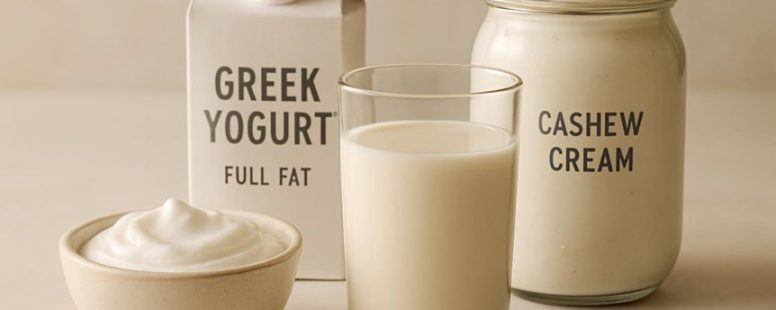
A heavy cream substitute is a replacement for heavy cream used in recipes like sauces, soups, or desserts. It can be dairy-based, like evaporated milk or Greek yogurt, or non-dairy, such as coconut milk or cashew cream. The goal is to match the texture and flavor as closely as possible.
How to choose the right substitute?
First, decide if you want a dairy or non-dairy option. Dairy substitutes like evaporated milk are good if you want a similar richness but less fat. Non-dairy options like coconut milk work well for a creamy texture and are suitable for vegans or those who are lactose intolerant.
Next, think about what you’re making. For cooking dishes like creamy pasta or soups, a thinner substitute might work. For baking, you might need a thicker alternative that can hold its shape. For example, Greek yogurt adds tang and thickness, but it might change the flavor slightly.
Finally, consider the limitations. Some substitutes, like almond milk, are much thinner and won’t give the same richness as heavy cream. Coconut milk is thicker but adds a coconut flavor to your dish. It’s smart to test small amounts first, especially if you’re trying a new substitute for the first time.
Two viewpoints to consider:
Some people swear by using evaporated milk because it’s easy and inexpensive. Others prefer coconut milk because it’s dairy-free and adds a tropical flavor. Both work well, but neither can perfectly replace heavy cream in every recipe. Be aware of their limitations.
Quick tips:
If you want creaminess without dairy, coconut milk or cashew cream are good options.
For baking, Greek yogurt can add moisture and tang but might alter the flavor.
Always check the recipe and think about what qualities are most important—fat, thickness, flavor.
Choosing the right heavy cream substitute takes a little trial and error. Don’t be discouraged if your first try isn’t perfect. Sometimes, a mix of options can work better. Remember, the best substitute depends on what you’re cooking and your dietary needs.
Dairy-Based Cream Alternatives
Dairy-based cream alternatives are good options when you want to replace heavy whipping cream in recipes. Heavy cream is known for its richness and smooth texture, but sometimes you need a substitute.
One simple choice is half-and-half or a mix of whole milk and butter. These can mimic the thickness of cream. For example, mixing one cup of milk with two tablespoons of melted butter can give you a similar feel. Half-and-half is lighter but still adds some creaminess. Milk with butter is richer and closer to the original flavor. Keep in mind, these won’t whip up like heavy cream, so they work best in sauces, soups, or casseroles.
Another good option is sour cream or crème fraîche. They add a tangy flavor and are thick enough for many recipes. These work well in baked dishes or dips. But be aware, they are tangier and won’t give you the same fluffy texture as whipped cream.
Some people also like to use evaporated milk or canned coconut milk as substitutes. They are less rich but can work in cooking. Coconut milk especially adds a slight sweetness and tropical flavor, which might change your dish’s taste.
Here are two viewpoints to consider. Some cooks prefer using commercial cream substitutes like dairy-free creams from brands such as Silk or Nuttelex. They often come in cartons and are easy to use. But some may find they don’t match the flavor or texture of real cream. Others believe that sticking to natural dairy options keeps the dish tasting authentic.
There are also limits. These substitutes won’t whip up like real heavy cream, so they’re not good for making whipped toppings. Plus, if you’re allergic to dairy or watching your fat intake, some options might not be suitable.
Non-Dairy Cream Options
Non-dairy cream options are a good choice if you want a creamy texture without using milk from animals. These alternatives come in different types, each with its own strengths and weaknesses.
Coconut cream is known for its rich and thick texture. It’s great for making desserts like pies and puddings, or adding flavor to sauces. The downside is that coconut cream has a strong coconut taste that might not work in every dish.
Nut-based creams like cashew and almond milk are smooth and mild. Cashew cream, for example, can be blended into a creamy sauce or used in smoothies. Almond milk has a lighter flavor and is often used in coffee or cereal. Keep in mind that nut creams can be high in calories and may cause allergies in some people.
Soy cream is a popular choice because it is versatile and easy to find. It works well in cooking and baking, and has a neutral taste. However, some people worry about soy allergies or GMOs, so they may avoid it.
Oat cream is gaining popularity for its neutral flavor and good thickness. It is a good all-rounder and can be used in coffee, soups, or sauces. Oat cream is often less fatty than coconut or nut creams and is usually affordable.
Lighter options like rice milk, hemp milk, flax cream, and pea milk are less heavy but still give a creamy feel. Rice milk is thin but works in light recipes. Hemp milk has a nutty flavor, while flax cream can add some thickness when blended. Pea milk is rich in protein and often used in smoothies or cereals.
Each non-dairy cream varies in how thick it is and what flavor it adds. Some may be too thin for certain recipes, and others might have a strong taste you don’t want. The best choice depends on what you’re cooking and what flavor you like. Trying different options is a good way to see what works best for you.
Just remember, not all non-dairy creams will work perfectly in every dish. Coconut can be too strong, and nut creams might cause allergies. It’s a good idea to read labels and test small amounts first. With some experimenting, you can enjoy creamy textures without dairy.
Cooking and Baking Uses
Choosing the best heavy cream substitute depends on what you need it for in your recipe. If you want a substitute that works well in cooking and baking, look for one with similar fat content and texture. For creamy sauces, options like evaporated milk or full-fat coconut milk work because they have enough fat to prevent curdling. If you are baking and want to keep your baked goods moist and fluffy, avoid watery substitutes like skim milk. Instead, use heavy cream alternatives that add richness without thinning your batter, such as Greek yogurt or cream cheese.
Here are some tips:
For sauces that need to be thick and creamy, choose high-fat options.
For baking, pick substitutes that add moisture and richness without making your batter runny.
If you want to keep cakes or muffins fluffy, avoid substitutes that are watery and can make them dense.
Some people say you can use milk mixed with butter to mimic heavy cream, but this might not work well in all recipes. On the other hand, coconut milk gives a rich flavor but might change the taste of your dish.
Keep in mind, not all substitutes are perfect for every recipe. For example, using cream cheese might work in a cake but not in a sauce. Also, some substitutes might change the flavor or texture, so always think about what your dish needs most.
In the end, choosing the right substitute is about understanding how it behaves in your recipe. Sometimes, experimenting is the best way to find what works for you.
Dairy-Based Heavy Cream Substitutes: Milk, Butter, and More
A dairy-based heavy cream substitute is a mix that mimics the rich, thick texture of actual heavy cream. The easiest way is to combine milk and butter. For example, mixing 3/4 cup of milk with 1/4 cup of melted butter makes a good replacement for heavy cream in most recipes. This works because the butter adds fat, which makes the mixture creamy. Whole milk is best because it gives a richer taste, but 2% milk can work if you add a little more butter.
Here’s how to make it: melt the butter first, then mix it into the milk slowly. Stir until it’s smooth. Use this mixture just like you would use heavy cream in cooking or baking. It’s a simple and cheap way to keep your dishes creamy without buying real heavy cream.
But keep in mind, this substitute isn’t perfect for every use. For example, in whipped cream or sauces that need to hold their shape, real heavy cream works better. Also, if you need a very thick or stable cream, this mix might not do the job. Always test it first to see if it fits your recipe. Give this trick a try next time you’re out of heavy cream and don’t want to run to the store.
Dairy-Free Heavy Cream Alternatives: Coconut Milk and Others
Dairy-free heavy cream options are a great choice if you want to avoid dairy or have allergies. Coconut milk is the most popular because it’s thick, creamy, and works well in desserts and sauces. It’s like coconut flavor in a can, and it can sometimes be a little sweet, so watch out if you don’t want that taste.
Other good options include almond cream and cashew cream. These are made by blending almonds or cashews with water until smooth. They add thickness and a nutty flavor that can make your dishes taste richer. For example, cashew cream is often used in vegan cheese or creamy soups.
Oat milk and soy cream are milder choices. They don’t add much flavor, so they’re good if you want a neutral base for your recipes. Oat milk is nice because it’s naturally sweet and creamy, but it’s not as thick as coconut or nut creams. Soy cream can sometimes have a stronger flavor, so it’s best in savory dishes.
For lighter recipes, rice milk and hemp milk can be used. They are easier to find and less rich, but they don’t give that heavy cream texture. They’re better for drinks or lighter sauces.
Aquafaba is a clever alternative made from chickpea liquid. When whipped, it can be used as a topping that looks and acts like whipped cream. It’s a good plant-based option if you want something fluffy.
Every alternative has its pros and cons. Coconut milk is rich but can overpower delicate flavors. Nut creams are thick but might not suit people with nut allergies. Milks like rice or hemp are light but don’t give the same creaminess. Aquafaba is fun but takes some effort to whip into peaks.
In the end, choosing the best dairy-free heavy cream depends on what you’re cooking. Want richness? Go for coconut or cashew cream. Need something neutral? Try oat or soy. Want to keep it light? Rice or hemp milk work fine. Just remember, each has its limits and might not work perfectly in every recipe.
Using Cream Cheese and Sour Cream as Heavy Cream Alternatives
Cream cheese and sour cream are good substitutes for heavy whipping cream in many recipes. Here is what you need to know about using them.
Cream cheese is a soft, mild cheese that adds richness and creaminess without thinning out your dish. When softened, it blends smoothly into sauces, soups, or dips. For example, if you want a creamy pasta sauce, mixing softened cream cheese works well. Just keep in mind, cream cheese is thick, so you might need to thin it with a little milk or water to get the right consistency.
Sour cream is another option. It has a tangy flavor and a thick texture, making it perfect for both sweet and savory dishes. For example, you can use sour cream in baked potatoes, dips, or even some cakes. Like cream cheese, sour cream is thicker than heavy cream, so adding a splash of milk or water helps make it easier to mix in recipes.
Some people prefer these substitutes because they add unique flavors or are easier to find than heavy cream. However, they do have limits. Cream cheese and sour cream are thicker and tangier, so they change the taste and texture of your dish. Also, they don’t whip like heavy cream, so they are not good for recipes that need whipped toppings.
You might want to try these alternatives if you want a different flavor or need a quick fix. Just remember, you may need to adjust the amount of liquid in your recipe to get the right texture. Both are handy options, but they are not always perfect substitutes. It’s best to experiment a little first to see how they work in your favorite dishes.
When to Use Half-and-Half or Evaporated Milk Instead of Heavy Cream
Half-and-half and evaporated milk are not the same as heavy cream. Heavy cream has a high fat content, making it thick and rich. Half-and-half is a mix of milk and cream, and evaporated milk is milk that has been heated to remove water, which makes it thicker but less creamy than heavy cream.
You should use half-and-half or evaporated milk instead of heavy cream when you want a lighter texture and milder flavor. For example, in soups or sauces where you don’t need the dish to be super creamy or whipped, these options work well. They are good if you want some creaminess but don’t want the heaviness that comes with heavy cream.
However, keep in mind that these substitutes won’t whip up like heavy cream. If your recipe needs whipped topping or very thick texture, heavy cream is the best choice. Also, evaporated milk can taste a little different because of the heating process, so it might change the flavor slightly.
In some recipes, using half-and-half or evaporated milk can save money or calories. But if you want the richest, creamiest result, stick with heavy cream. Think about what your dish needs and choose the best option accordingly.
Texture Differences Explained
Heavy whipping cream is thick and rich. When you don’t have it, choosing between half-and-half and evaporated milk depends on what texture you want in your dish.
Half-and-half is almost like light cream. It’s thicker and smoother, good for sauces, coffee, or recipes that need a creamier feel. If you want your dish to stay rich but not too heavy, this is a good choice. For example, if you’re making a creamy pasta or coffee, half-and-half gives a nice, smooth texture without thinning out too much.
Evaporated milk is more concentrated but thinner than heavy cream. It’s lighter and works well in baked goods or soups. If you want a little creaminess but not too heavy, evaporated milk is better. It adds moisture and flavor without making your dish too thick. For instance, in a cake or a hearty soup, evaporated milk can give a nice, subtle creaminess.
Some people prefer half-and-half because it gets closer to the mouthfeel of heavy cream. Others like evaporated milk because it’s lighter and doesn’t make dishes feel heavy.
But beware. Half-and-half can sometimes make sauces too thick if you’re not careful. Evaporated milk might thin out in some recipes, so you might need to adjust or add more. Both options have limits.
If you want something close to real heavy cream, go with half-and-half. If you want a lighter touch, evaporated milk works fine. Just remember, neither is exactly like heavy cream, so it’s good to taste as you go.
In the end, it’s about what texture you prefer and what recipe needs. Both can work, but knowing their differences helps you pick the best substitute.
Flavor Impact Comparison
What is the flavor difference between half-and-half, evaporated milk, and heavy cream?
Half-and-half and evaporated milk can both replace heavy cream in recipes, but they each have unique flavors that affect your dish differently. Knowing these differences helps you choose the best option.
Half-and-half has a mild, creamy flavor. It’s made from equal parts milk and cream. This makes it good when you want to add some richness without overwhelming lighter ingredients. For example, in a coffee or a creamy soup, it keeps the dish smooth without adding too much flavor.
Evaporated milk has a slightly caramelized, cooked taste. It is milk that has been heated until some water evaporates, giving it a richer, deeper flavor. This can add a nice depth to recipes like custards or sauces, but it might clash with delicate flavors like fish or light vegetables.
Heavy cream has a high fat content and a rich, intense flavor. It’s what makes whipped cream fluffy and adds a bold creaminess to dishes. When swapping it with other ingredients, remember they won’t have the same richness. For example, using evaporated milk instead of heavy cream in a whipped topping might not work well.
Two viewpoints to consider:
Some cooks prefer half-and-half because it’s lighter and easier to work with, especially in baking or coffee. Others choose evaporated milk for its richer taste and longer shelf life. However, both aren’t perfect substitutes for heavy cream in every recipe, especially where high fat content is key.
Warnings:
Using evaporated milk may change the flavor of your dish, making it taste more cooked or sweet. And half-and-half might not thicken as well as heavy cream. So, it’s best to test small amounts first.
In short:
Choose half-and-half for a milder, creamier flavor. Pick evaporated milk if you want added depth but be cautious of its caramelized taste. Keep in mind, neither will give you the same richness as heavy cream. Picking the right substitute depends on what flavor and texture your recipe needs.
Best Cooking Applications
Heavy cream isn’t always easy to find or the best choice for every recipe. Two good alternatives are half-and-half and evaporated milk.
Half-and-half is a mix of milk and cream. It works well when you want some creaminess without making the dish too rich. For example, in coffee or soups, it adds smoothness but keeps the sauce from getting too thick. It’s a good choice if you want a lighter, creamy texture but still want some richness.
Evaporated milk is canned milk with about 60% of the water removed. It has a slightly caramel flavor and a thinner consistency than heavy cream. It’s best for baked dishes and casseroles. When you cook with it, it stays smooth and doesn’t break apart easily. For example, if you’re making a cheesy casserole or a creamy baked dish, evaporated milk can be a good substitute.
Both options are useful, but they have limits. Half-and-half is less rich than heavy cream, so it might not work well if you need a very thick or super creamy sauce. Evaporated milk is lighter and can become a little caramelized when heated, so it might change the flavor of some dishes.
How to Use Heavy Cream Substitutes in Sauces and Soups
Heavy cream substitutes are useful when you want to make sauces or soups but don’t have or want to use real heavy cream. Here’s what you need to know:
First, coconut milk is a good option. It gives a creamy feel and a little sweetness. It works well in curries or tomato sauces. Just use it in the same amount as heavy cream, but taste as you go to avoid overpowering the dish with coconut flavor.
Second, silken tofu is a great vegan choice. Blend it until smooth to thicken soups without changing the flavor much. It adds creaminess but keeps the dish neutral, so it’s good if you want the other flavors to shine.
Third, cashew cream is another alternative. Soak cashews in water for a few hours, then blend them until smooth. It creates a rich, velvety texture that works well with savory dishes like pasta or gravy. Be careful not to add too much, or it might make the dish too thick.
When using these substitutes, add them slowly and taste often. This helps you control how thick the sauce or soup gets and makes sure the flavor stays right. Some people find that these swaps work just as well as heavy cream, but they might change the taste or texture slightly. For example, coconut milk has a hint of sweetness, which might not fit every dish, and tofu can be bland if not seasoned properly.
In the end, these options give you flexibility in cooking, especially if you’re looking for dairy-free or lower-fat choices. But remember, they aren’t perfect replacements in every recipe. Sometimes, they might make the dish a little different than what you expect. Keep experimenting to find what works best for you.
Best Heavy Cream Replacements for Baking and Desserts
Heavy cream replacements for baking and desserts are important because texture and thickness really matter in these recipes. The best substitutes should mimic the richness and ability to whip or thicken.
Coconut cream is a top choice. It’s thick, creamy, and can be whipped just like heavy cream. Full-fat Greek yogurt is another good option. It adds creaminess and works well for frostings or mousses, but it may not whip as stiff as heavy cream. Cashew cream is also popular. It’s made by blending soaked cashews with water until smooth. It gives a nutty flavor and thickens nicely, but it might change the taste slightly.
Some people prefer using evaporated milk or milk with added butter as substitutes. These options can work for sauces or filling but may not hold up well in whipped desserts. Keep in mind that each substitute can change the final texture or flavor a little. For example, coconut cream gives a tropical taste, while Greek yogurt makes it tangy.
If you want to replace heavy cream in a recipe that needs to be whipped, choose options that can be whipped or thicken properly. For baked goods or creamy desserts, pick a substitute that matches the texture and consistency you want. For example, coconut cream is great for vegan recipes, but it may add a different flavor.
Some bakers say these substitutes work perfectly, but others warn they may not always give the same fluffy or smooth results. It’s a good idea to try small batches first. Remember, no substitute is exactly like heavy cream, but they can still make your desserts delicious.
Tips for Adjusting Texture and Flavor With Heavy Cream Substitutes
Heavy cream substitutes can change how your recipe turns out, but you can still fix the texture and flavor to get closer to what you want. First, use a little less of the substitute than the recipe calls for. Then, add more if needed, but be careful not to make your dish too thin. To make the dish richer, try mixing in a small amount of butter or coconut oil. This adds creaminess without changing the flavor too much.
Here are some simple tips to help you adjust:
Whisk the substitute well to make it thicker, similar to heavy cream.
Mix in a small spoonful of milk powder to give your dish more body.
Add flavor enhancers like a pinch of salt or vanilla to balance the taste.
Remember, these tricks work best if you start with less substitute and add gradually. Sometimes, substitutes won’t perfectly mimic heavy cream, especially in recipes like sauces or whipped toppings. If you need a very close match, using actual heavy cream is best, but these tips can help when you’re in a pinch.
Would you like to try making a creamy sauce with almond milk or coconut milk? Just be aware that some substitutes may not whip like real cream, so always test small amounts first.
To provide the best experiences, we use technologies like cookies to store and/or access device information. Consenting to these technologies will allow us to process data such as browsing behaviour or unique IDs on this site. Not consenting or withdrawing consent, may adversely affect certain features and functions.
Functional
Always active
The technical storage or access is strictly necessary for the legitimate purpose of enabling the use of a specific service explicitly requested by the subscriber or user, or for the sole purpose of carrying out the transmission of a communication over an electronic communications network.
Preferences
The technical storage or access is necessary for the legitimate purpose of storing preferences that are not requested by the subscriber or user.
Statistics
The technical storage or access that is used exclusively for statistical purposes.The technical storage or access that is used exclusively for anonymous statistical purposes. Without a subpoena, voluntary compliance on the part of your Internet Service Provider, or additional records from a third party, information stored or retrieved for this purpose alone cannot usually be used to identify you.
Marketing
The technical storage or access is required to create user profiles to send advertising, or to track the user on a website or across several websites for similar marketing purposes.