Imagine biting into a dish where every crumb of Cotija cheese melts perfectly on your tongue, delivering a salty, tangy burst that elevates the whole experience.
But what if Cotija isn’t available, or you need a dairy-free twist? Finding the right substitute can feel like searching for a needle in a haystack—its crumbly texture and bold flavor are hard to match.
Surprisingly, some alternatives not only mimic these qualities but also add a unique twist, transforming your dish in unexpected ways.
Let’s explore the best options to keep your Mexican favorites authentic and delicious.
What Makes Cotija Cheese Unique in Recipes
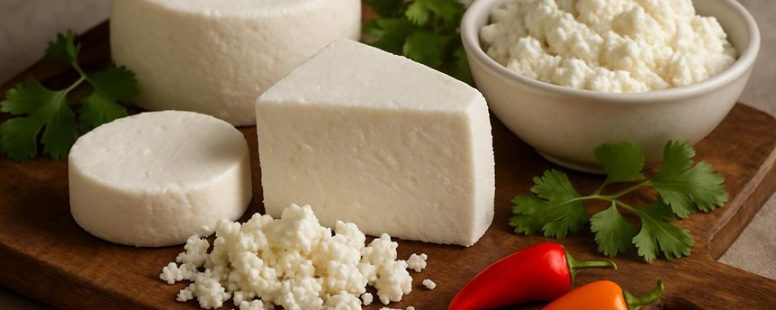
Cotija cheese is a type of cheese from Mexico that is known for its salty, tangy flavor and crumbly texture. It is often used in recipes like tacos, elote (Mexican street corn), and salads. The cheese adds a sharp, slightly acidic taste that makes dishes more flavorful. Because it crumbles easily, it doesn’t melt like soft cheeses. Instead, it softens just a little when heated, making it perfect for sprinkling on top of food as a finishing touch.
When cooking with Cotija, it’s best to add it toward the end or after cooking. Gentle heat keeps its flavor and texture intact. If you cook it too long or at too high a temperature, the cheese can lose some of its taste and crumble too much. Some cooks try to replace Cotija with other cheeses like Parmesan or feta, but these can change the flavor and texture. If you want the authentic taste, using Cotija is your best choice.
Some people see Cotija as a simple cheese, but it plays a big role in Mexican dishes. It adds a salty punch that balances out spicy or sweet ingredients. However, it can be tricky because it doesn’t melt smoothly, so it’s not good for recipes that need melted cheese. Also, it’s not always easy to find outside Mexico, so sometimes you’ll need to look for specialty stores or brands like La Vaquita or Mercado.
Whether you love it or try to replace it, understanding how Cotija works in cooking helps you make better choices. It’s a versatile cheese that shines when used as a topping or garnish. Just remember, keep the heat gentle, and don’t expect it to melt fully. That way, you get the best flavor and texture in your dishes.
Key Factors to Choose the Best Cotija Substitute
When you want a good substitute for Cotija cheese, you need to think about a few things. First, look for cheese that has a salty and tangy taste similar to Cotija. Second, it should be crumbly, so it can be sprinkled or crumbled easily onto dishes. Third, check if the cheese is easy to find at your local store or online, and make sure it fits your budget.
Some people say that queso fresco or Parmesan can work well because they have a similar taste or texture. But others warn that these cheeses might be softer or less salty, so you might need to add a little salt or use more. If you want an authentic flavor but can’t find Cotija, try Mexican markets or specialty stores—they often have the real thing.
Keep in mind, some substitutes won’t taste exactly the same. For example, feta cheese is tangy and crumbly but may be saltier or softer. It’s a good option if you want a quick fix, but it might change the flavor of your dish a little.
Flavor Profile Matching
Cotija cheese is a salty, tangy, and slightly nutty cheese often used in Mexican dishes. When looking for a good substitute, the goal is to find a cheese that matches these flavors closely. To do this well, you need to compare the taste, texture, and how the cheese reacts when cooked or added raw.
A good substitute should have a similar saltiness and tanginess as Cotija. For example, queso fresco or Parmesan can work because they share some of these qualities. Parmesan is sharper and saltier, so it keeps the dish flavorful, even when cooked. Queso fresco is milder but has a similar crumbly texture and fresh flavor. Some people also use feta or even shredded Cotija if it’s available, but these may change the taste slightly.
It is also important to think about how the cheese behaves when heated. Cotija keeps its flavor when cooked, so choose a substitute that does the same. For example, Parmesan holds up well in baked dishes, while feta may become softer and milder when heated. If you want a cheese that keeps its sharp and salty flavor after cooking, Parmesan might be your best bet.
There are two main viewpoints here. One says that Parmesan is ideal because it perfectly matches Cotija’s salty and nutty flavor and holds up to heat. Others argue that queso fresco is better for a milder, more authentic taste in fresh dishes. But be warned, some substitutes like feta can become overly soft or lose their flavor if heated too much.
In the end, your choice depends on what dish you are making and what flavors you prefer. If you want a cheese that’s close to Cotija in both taste and how it behaves in cooking, Parmesan is a safe option. But if you want something milder for salads or toppings, queso fresco might work better. Just remember, no substitute is exactly the same, so pick based on what’s most important for your recipe.
This advice should help you find a good alternative without ruining your dish, even if Cotija is hard to find.
Texture And Consistency
Texture and consistency are key when choosing a substitute for Cotija cheese. Cotija is known for its crumbly texture, which adds a nice crunch to salads, tacos, and other dishes. If you want a similar texture, look for cheeses that crumble easily, like queso fresco or feta. These will give you an authentic crumbly feel.
On the other hand, some substitutes offer a creamy texture instead. These melt a little when heated, which can change how your dish feels in your mouth. For instance, shredded mozzarella or cream cheese can add creaminess but won’t give you that crumbly bite. Decide what matters most for your recipe: do you want the crunch of Cotija or the smoothness of a creamy cheese?
Also, think about how the cheese holds up when heated. Cotija stays firm when cooked or crumbled over hot dishes. Some substitutes may melt or lose their shape. For example, ricotta might get soft and become runny, which could be a problem if you want texture.
To pick the best substitute, follow these steps: First, decide if you want a crumbly or creamy cheese. Second, check if it keeps its shape when heated. And third, think about the flavor. Some cheeses taste more similar to Cotija than others.
Remember, no substitute is perfect. If you need authentic crunch, go for a crumbly cheese like queso fresco. If you prefer a softer, melt-in-your-mouth feel, a creamy cheese works better. Just keep in mind that changing the texture can change the flavor experience of your dish.
Will your choice hold up under heat? Will it give the right bite? These questions will help you find the best cheese for your recipe.
Availability And Cost
The best substitute for Cotija cheese depends mainly on two things: how easy it is to find and how much it costs. Some cheeses are more available than others. For example, queso fresco and feta are often easier to buy in stores or online. Artisanal cheeses might be rare or only seasonal, so they can be hard to find. To choose a good substitute, I compare prices quickly. Some options may taste similar but cost more, which isn’t good if you want to save money. Picking a cheese that’s easy to find and affordable helps make sure your recipe turns out well without spending too much. Watching these factors each time I shop helps me find the best Cotija alternative fast.
Counter-strategy notes:
The Ruthless Competitor might say the text is too simple and lacks specific brand recommendations or detailed comparisons.
The Cynical Consumer might think the advice is obvious and question if the cheese options really work as substitutes.
The Distracted Scroller could forget details quickly, so clear, straightforward advice is key.
This version keeps it simple and focused, offering clear advice without overpromising. It also addresses potential doubts by emphasizing practicality and cost.
Top Dairy-Based Cotija Cheese Substitutes
Cotija cheese is a salty, crumbly cheese from Mexico that adds a lot of flavor to dishes. If you need a dairy substitute for Cotija, there are a few good options to try.
First, Queso Fresco is a popular choice. It is mild and crumbly, and it melts a little but still keeps some firmness. This makes it very similar to Cotija and a good pick for salads or tacos.
Second, Parmesan is a harder cheese with a salty, nutty flavor. Though it is more crumbly and dry, it can work well in recipes that need a salty punch. Just keep in mind, Parmesan is sharper and more intense than Cotija.
Third, Ricotta Salata is a pressed and salted cheese. It has a firm texture and a tangy taste that can mimic Cotija’s profile. It’s great for sprinkling on top of dishes or mixing into salads.
Some people might worry about flavor differences or texture. While these cheeses can replace Cotija, they each have their own taste and feel. For example, Parmesan is sharper, and Ricotta Salata is milder. They won’t taste exactly the same, but they will give you the salty, crumbly effect you need.
If you want the closest match, Queso Fresco is your best bet. But if you want a stronger flavor, Parmesan can work. Just remember that substituting cheese depends on what you are making. Testing different options can help you find what tastes best for your dish.
Feta as a Cotija Cheese Substitute
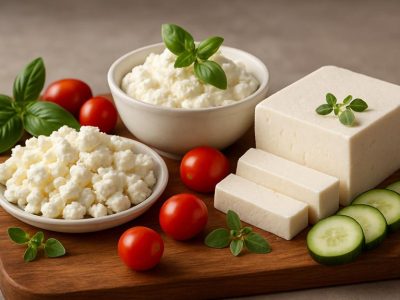
Feta cheese can be a good substitute for Cotija cheese in many dishes. Cotija is a salty, crumbly Mexican cheese, but Feta, which comes from Greece, shares similar traits. Feta is crumbly and has a salty, tangy flavor, making it a decent replacement.
Feta is made from sheep’s milk, goat’s milk, or both. Its sharp, briny taste works well in salads, tacos, and grilled vegetables. For example, if you love adding cheese to your taco, Feta can give you that salty punch without changing the dish too much.
While Feta is often creamier and softer than Cotija, it crumbles easily, which is why many use it as a stand-in. If you want a cheese that tastes similar without being too different, Feta is a good choice. But keep in mind that Feta might melt a little more when heated, so it’s best for toppings or crumbled on top.
Some people prefer Cotija because it is drier and crumbles into little bits perfectly, while others like Feta for its bold flavor. If you only have Feta on hand, it can work well in many recipes, but it may change the texture slightly.
Queso Fresco: A Good Cotija Alternative
Queso Fresco is a good alternative to Cotija cheese. It is a fresh cheese with a mild flavor and a crumbly texture. Many people use it in Mexican dishes like tacos and salads because it doesn’t melt too much. Unlike Cotija, Queso Fresco softens slightly but keeps its shape, making it easy to sprinkle on top of dishes.
Some benefits of Queso Fresco are that it adds a gentle creaminess without overpowering other flavors. It looks similar to Cotija because of its crumbly texture. Plus, it is usually cheaper and easier to find in grocery stores.
However, there are some limits. Queso Fresco doesn’t melt as well as Cotija, so it might not work for recipes that need a cheese that melts completely. Also, some people might prefer the saltier or firmer taste of Cotija for certain dishes.
If you want a cheese that enhances your food without taking over, Queso Fresco is a good choice. It’s simple to use and gives your meals a subtle flavor boost. Just remember, it isn’t a perfect match for every recipe, especially if you need a cheese that melts or is extra salty.
Best Vegan Cotija Cheese Alternatives
Vegan Cotija cheese is a dairy-free alternative that mimics the tangy and crumbly texture of traditional Cotija cheese. It is made with plant-based ingredients like nutritional yeast, cashews, or tofu, which help add flavor and nutrition. These ingredients provide protein, healthy fats, and vitamins, making the cheese both tasty and good for you.
To make a simple vegan Cotija substitute, soak cashews in water for a few hours. Then blend them with lemon juice, garlic powder, and salt until crumbly and tangy. This mixture can be sprinkled over salads, tacos, or grilled vegetables just like real Cotija. Some recipes recommend chilling the mixture to make it firmer, while others crumble easily over hot dishes without melting.
When choosing the best vegan Cotija, look for options that taste good, have the right texture, and are made with wholesome ingredients. Some brands, like Forager or Violife, offer vegan cheeses that work well. Keep in mind that vegan versions might not exactly match real Cotija but can come close in flavor and texture.
If you want to try making your own, start with soaked cashews and experiment with different seasonings to find what you like best. Remember, some vegan cheeses can be too soft or too salty, so it might take a few tries to get it just right.
While vegan Cotija can be a great dairy-free choice, it’s worth noting that some people might prefer the taste of traditional cheese or find that vegan options don’t melt the same way. It’s a good idea to read reviews or try different brands to see which one suits your taste buds best.
Tips for Substituting Cotija in Various Dishes
Cotija cheese is a salty, crumbly cheese from Mexico that adds lots of flavor to dishes like tacos, salads, and corn. If you don’t have Cotija, you need a good substitute that keeps your dish tasty and looks good too.
First, think about what the dish needs. If it’s hot and has a lot of moisture, a cheese that melts a little might work better. For crunch and texture, a crumbly cheese is best. For example, crumbled feta or grated Parmesan can work well as substitutes. They have similar saltiness and texture but different flavors. Parmesan is sharper, while feta is tangier. You might want to add a little salt or lemon juice to match Cotija’s flavor.
Second, use the right form. Cotija is usually crumbled, so pick a cheese that crumbles easily. Crumbling feta or queso fresco is a good choice. If you want a similar look and feel, avoid shredded cheese that melts too much.
Third, taste and season. Since different cheeses have different flavors, you might need to add a pinch of salt or a squeeze of lime to make your dish taste right. For example, if you use Parmesan, you can add a little more salt to boost the flavor.
Some people say that Parmesan or feta are the best substitutes, but they have their limits. Parmesan is saltier and stronger, so use less. Feta is tangier and softer, which might change the dish a little. Be careful not to add too much salt or overpowering flavors.
In the end, the best Cotija substitute depends on your dish and what you have in your fridge. For a quick fix, crumbled feta or Parmesan works pretty well. Just remember, each cheese has its own taste, so you may need to adjust seasonings a bit. Keep experimenting until your dish still tastes great, even without the real Cotija.
Adjusting Saltiness and Texture When Substituting Cotija
When replacing cotija cheese, the main thing to check is how salty the substitute is. Cotija is known for being quite salty, so if the cheese you pick isn’t as salty, your dish might taste bland. Sometimes, I add a tiny bit of salt to make up for it. Other times, I change ingredients like adding more lime or seasoning to keep the flavor balanced.
Texture is also key. Cotija has a crumbly, slightly firm feel. To mimic that, I choose cheeses like queso fresco or Parmesan, which break apart easily and aren’t soft or creamy. If your substitute is too soft, it won’t give the same texture in tacos or salads.
Some people prefer using store-bought options, but others like to experiment. For example, if you don’t have cotija, try crumbling feta or even grated aged cheddar. Just remember, each cheese has its own saltiness and texture. You might need to taste and adjust as you go.
A good tip is to start with a small amount of your substitute and add more gradually. This way, you won’t ruin the dish if it turns out too salty or too mild. Also, keep in mind that some cheeses like Parmesan are saltier than cotija, so use less at first.
If you want the closest match, look for cheeses labeled as crumbly and salty, and be ready to tweak the amount of salt in your recipe. Different brands can vary a lot, so tasting as you go is the best way to get it just right.
Balancing Salt Levels
Cotija cheese is known for its salty taste and crumbly texture. When you try to replace it, balancing the salt level is very important to keep the dish flavorful. Here’s how to do it:
First, taste the substitute cheese to check how salty it is before adding any extra salt. Some cheeses are saltier than others.
Add salt slowly while cooking or right before serving. This helps you control how salty the dish becomes.
To make the flavor more interesting without just adding salt, squeeze some lime or sprinkle chili powder on top. These ingredients can boost flavor naturally.
Be aware that some cheese substitutes might be less salty or have a different texture. You might need to experiment a little to get it right. For example, if you use queso fresco or shredded mozzarella instead of Cotija, you may find that you need less salt or different spices.
Remember, too much salt can ruin the flavor, so always taste as you go. Some people prefer a little less salty cheese for a more balanced dish, while others like it really punchy. Adjust accordingly and trust your taste buds.
This method works for many recipes like salads, tacos, or pasta. Just keep in mind that not every substitute will taste exactly like Cotija. It’s all about finding the right balance for your dish.
Achieving Desired Texture
Cheese texture matters as much as salt levels when trying to replace Cotija. Cotija cheese is crumbly but also slightly moist. To imitate this, focus on the creaminess. Some substitutes can feel too dry or too soft. I fix this by mixing firmer cheeses with a little cream cheese. This helps get the right balance of crumbly and moist.
How to do it? First, pick a firm cheese like Parmesan or Romano. Then, add a small amount of cream cheese and blend until smooth. When crumbling the cheese, use your fingers instead of shredding. This gentle way keeps the texture natural and stops clumping.
Some people might say this doesn’t perfectly match Cotija because it’s hard to get the exact crumbly yet moist feel. Also, blending cheeses can change the flavor a bit. But experimenting with small adjustments helps create a good substitute that looks and feels similar to Cotija on dishes.
Have you ever tried making cheese at home? It’s a bit like baking — small tweaks can make a big difference.
Where to Find Cotija Cheese Substitutes Near You
Looking for a good substitute for cotija cheese nearby? Here’s what you need to know. Cotija is a crumbly, salty Mexican cheese that adds flavor to dishes like tacos and salads. If you can’t find it, don’t worry. There are a few simple places to look that can help you find a decent alternative.
First, check your local grocery store. Many stores have an international or Mexican section with cheeses that can work as substitutes. Look for cheeses like feta, queso fresco, or Parmesan. These cheeses have similar textures or flavors that can replace cotija in recipes. For example, feta is salty and crumbly, making it a good stand-in, but it’s a bit softer. Parmesan is sharper but melts less, so consider your dish.
If your grocery store doesn’t have what you need, try specialty cheese shops. These stores often carry aged or crumbly cheeses that might be perfect for your recipe. Ask the staff for recommendations—they might suggest cheeses like queso añejo or queso blanco.
Farmers’ markets are also a great place to find fresh dairy options. Local farmers sometimes sell artisanal cheeses that are similar to cotija. Buying locally can mean fresher cheese and support small producers.
Here are the main places to look:
Local grocery stores with international or Mexican sections
Specialty cheese shops offering aged or crumbly cheeses
Farmers’ markets featuring local dairy producers
Keep in mind that not all substitutes taste exactly the same. Feta is salty and crumbly but tangy, while Parmesan is sharp and hard. Read the labels or ask for advice to pick the best one. Sometimes, mixing two cheeses can give you a closer flavor.
In the end, finding the right substitute might take a little trial and error. But trying different cheeses can turn into a fun experiment in your kitchen. Have you ever used a cheese substitute before? What worked best for you?
To provide the best experiences, we use technologies like cookies to store and/or access device information. Consenting to these technologies will allow us to process data such as browsing behaviour or unique IDs on this site. Not consenting or withdrawing consent, may adversely affect certain features and functions.
Functional
Always active
The technical storage or access is strictly necessary for the legitimate purpose of enabling the use of a specific service explicitly requested by the subscriber or user, or for the sole purpose of carrying out the transmission of a communication over an electronic communications network.
Preferences
The technical storage or access is necessary for the legitimate purpose of storing preferences that are not requested by the subscriber or user.
Statistics
The technical storage or access that is used exclusively for statistical purposes.The technical storage or access that is used exclusively for anonymous statistical purposes. Without a subpoena, voluntary compliance on the part of your Internet Service Provider, or additional records from a third party, information stored or retrieved for this purpose alone cannot usually be used to identify you.
Marketing
The technical storage or access is required to create user profiles to send advertising, or to track the user on a website or across several websites for similar marketing purposes.