When you reach for cream cheese and realize it’s missing from your pantry, the scramble begins. Finding the perfect substitute isn’t just a matter of swapping ingredients; it’s about capturing the creamy richness and subtle tang that can make or break your dish.
Imagine trying to recreate a silky, melt-in-your-mouth texture that dances on your palate—like a whisper of velvet in every bite. Different recipes demand different qualities, so understanding what you want from your alternative can unlock unexpected benefits.
For instance, some substitutes not only mimic the flavor but also add a surprising boost of tang or creaminess that elevates your culinary creation to new heights.
What to Look for in a Cream Cheese Substitute
A cream cheese substitute is anything that can replace real cream cheese in recipes. The main things to look for are texture, flavor, and how it works in your dish. Cream cheese is creamy, slightly tangy, and smooth. When choosing a substitute, ask if it can match that creamy and tangy feel. Some alternatives might be thicker or grainier, which can change how your dish feels in your mouth.
Flavor is also key. Some substitutes are too mild and don’t add enough flavor, while others are too strong and might overpower your dish. Think about what you are making. Will you spread it on a bagel, bake it into a cake, or mix it into a dip? Some options hold up better when heated or baked, while others are best in cold dishes.
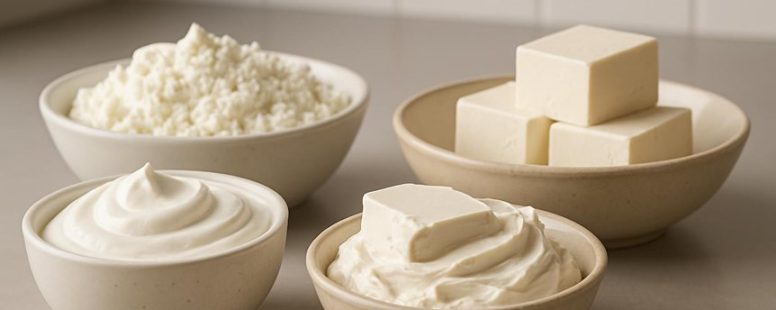
Popular cream cheese substitutes include Greek yogurt, cottage cheese, or vegan options like cashew cheese. For example, Greek yogurt is tangy and creamy but thinner than real cream cheese. Cottage cheese is grainy and may need blending to smooth it out. Vegan cream cheese made from nuts can mimic the flavor and texture well but can be more expensive.
Some people like to experiment with different options to see what works best for them. Keep in mind, not every substitute will be perfect in every recipe. For example, if you want a smooth spread, Greek yogurt might work but may need to be thickened. If you bake a cheesecake, look for options that can handle heat without breaking down.
In the end, picking the best substitute depends on your dish and taste. Think about how the alternative will affect the texture and flavor. Sometimes, a substitute might not be exactly like cream cheese but still works fine. Just be sure to check how it reacts in cooking or baking before you start.
Top Dairy Cream Cheese Substitutes
Dairy cream cheese substitutes are helpful when you want similar flavors and textures but can’t or don’t want to use regular cream cheese. These options can often be swapped in recipes with little fuss. For example, mascarpone is a rich, smooth cheese that works well as a frosting or dip. Ricotta cheese is slightly grainy but good for baked dishes or spreads. Greek yogurt, especially when strained to remove excess liquid, adds a tangy flavor and thick texture, making it a versatile choice. For people avoiding dairy, almond or cashew-based cream cheeses mimic the creaminess and are good for spreads or sauces.
Some brands like Kite Hill and Daiya offer dairy-free cream cheese options that taste close enough to traditional cream cheese, but be aware they might have different melting or spreading qualities. These substitutes keep your recipes similar to the original, but they might not always perfectly mimic the exact flavor or texture. For example, ricotta is softer and grainier, so it may change the feel of a dish, while dairy-free options can sometimes be thinner or less creamy.
If you want to swap in these alternatives, try it first in small batches. For baked goods or dips, mascarpone or strained Greek yogurt are usually easiest. For spreads, almond or cashew cheese works well. Just keep in mind that some substitutes may affect taste or consistency, so it’s good to experiment.
In the end, these options are a great way to make recipes that taste good without using real cream cheese. Just remember that not all substitutes are perfect, so adjusting your recipe slightly might be necessary. Would you like tips on how to make your own dairy-free cream cheese at home?
Cottage Cheese as a Cream Cheese Substitute
Cottage cheese can be used as a substitute for cream cheese, but there are some things to keep in mind. It is a good option if you want a healthier choice because it has more protein and less fat than traditional cream cheese. However, the texture is different. Cottage cheese is chunkier and less smooth, which might change how your dish looks and feels. The flavor is milder and a bit tangy, so it can affect the taste of your recipe.
Some people like this swap because it’s easy and inexpensive. If you want to try it, blend the cottage cheese first until it’s smoother, or mash it well with a fork. This can help make it less chunky. But remember, it won’t be exactly like cream cheese. It works best in recipes like dips or spreads, not in cheesecakes or baked goods where a creamy texture is key.
On the other hand, some folks might find the tangy flavor and chunkier texture off-putting. Plus, blending can take extra time, and the result might not be as smooth as real cream cheese. If you’re picky about texture or flavor, sticking with the traditional might be better.
In short, cottage cheese is a decent substitute if you’re okay with some texture and flavor differences, and you want a healthier option. Just know it’s not a perfect match and might not work for all recipes.
Texture Comparison
Cottage cheese and cream cheese are quite different in texture, even though they both come from dairy. Cream cheese is smooth and creamy, while cottage cheese has small curds that make it chunkier. If you want a silky texture for recipes like cheesecakes or frosting, cream cheese is usually the best choice. Cottage cheese can feel grainy or chunky if you use it straight from the container.
However, you can make cottage cheese creamier by blending it. This process smooths out the curds and makes it closer to cream cheese’s silky feel. Still, it rarely becomes as dense and spreadable as real cream cheese. So, if your recipe really needs a smooth texture, like a cheesecake or a frosting, you might need to process cottage cheese more or find another substitute.
Some people prefer cottage cheese because it is lower in fat and calories. But, be warned—if you are looking for perfect smoothness, cottage cheese might not be the best option without extra work. Understanding these differences can help you decide if cottage cheese can stand in for cream cheese in your cooking.
Flavor Profile
Cottage cheese is a good substitute for cream cheese if you want a milder flavor. It has less tang and a softer taste. This makes it a good choice when you want something not too sharp or overpowering. Cottage cheese adds a light, creamy texture that mixes well with herbs or spices. It doesn’t have the strong richness or bite that traditional cream cheese has. Instead, it keeps a neutral flavor that lets other ingredients stand out more.
Some people prefer cottage cheese because it is lower in fat and calories. But, it can be a little grainy compared to smooth cream cheese. If you like a very smooth spread, you might need to blend it well or mash it first.
You can use cottage cheese in savory spreads, dips, or sandwiches. It’s a versatile option, but it may not work well if you want a very thick or firm consistency. Some brands, like Daisy or Breakstone’s, make good cottage cheese options.
In the end, if you want a mild, light flavor that won’t overpower your dish, cottage cheese is a decent choice. Just remember, it’s not as thick or smooth as cream cheese, and it has a slightly different texture. So, it’s best to try it out first before making a big batch.
Nutritional Benefits
Cottage cheese is a healthier alternative to cream cheese because of its nutritional benefits. First, it has fewer calories. This makes it a good choice if you want to eat lighter but still enjoy your meals. For example, a half-cup of cottage cheese often has about 80 calories, while the same amount of cream cheese has around 200 calories.
Second, cottage cheese has more protein. Protein helps build muscles and keeps you full longer. If you want a snack that keeps hunger away, cottage cheese can be better than cream cheese. Some people like to add fruit or herbs to make it tastier.
But there are some limits too. Cottage cheese can be salty or watery, which some people don’t like. Also, if you’re trying to avoid dairy, cottage cheese might not be the best choice.
Both options have their good and bad points. If you want a creamy spread with more protein, cottage cheese is a good pick. But if you prefer a richer, smoother taste, cream cheese might still work for you.
Greek Yogurt as a Cream Cheese Substitute
Greek yogurt is a good choice if you want a healthier alternative to cream cheese. It is a thick, creamy yogurt that can be spread or mixed into recipes just like cream cheese. Many people like it because it has more protein and probiotics, which are good for digestion. It’s also lighter and has fewer calories, so it can help you feel better about eating spreads or dips.
To use Greek yogurt as a substitute, you can strain it a little to make it thicker, so it looks more like cream cheese. This is especially helpful when making spreads or frosting. Greek yogurt has a tangy flavor that works well in both savory dishes and desserts, making it a versatile option.
But keep in mind, Greek yogurt may not work perfectly in every recipe. It is tangier than cream cheese, so it might change the flavor. Also, if you are baking or making a cheese cake, the texture may be slightly different. Some brands like Chobani or Fage make thicker Greek yogurt that needs less straining.
Top Non-Dairy and Plant-Based Cream Cheese Substitutes
Non-dairy cream cheese substitutes are a good choice if you want to avoid dairy, follow a plant-based diet, or have lactose intolerance. These alternatives are often made from nuts like cashews or almonds. They have a creamy texture and a tangy flavor similar to traditional cream cheese. Nut-based spreads are very versatile and work well in both savory and sweet recipes. For example, you can use them on bagels or in cheesecakes.
Compared to regular cream cheese, these plant-based options usually contain fewer additives and offer healthy fats and some protein. However, not all brands taste the same, so trying different ones is helpful. Some vegan cheese brands, such as Kite Hill and Daiya, are popular choices.
Keep in mind that some nut spreads may be too rich or salty for certain tastes. Also, some people are allergic to nuts and should avoid these options. If you are new to plant-based cream cheese, start with small amounts to see if you like the flavor and texture.
Tofu and Other Plant-Based Cream Cheese Substitutes
Tofu is a popular plant-based alternative to cream cheese because it has a smooth texture and a mild taste. Silken tofu is best for recipes since it’s creamy and easy to blend. Firm tofu can also work if you blend it until it’s smooth. Trying different types of tofu can help you find the flavor and texture you like best. For example, adding lemon juice or nutritional yeast can give tofu a tangy taste similar to cream cheese. Tofu is very versatile and can be used in spreads, dips, or even baked goods.
Besides tofu, other plant-based options like cashew or almond creams also work well for making dairy-free cheese substitutes. These nut-based creams are usually richer and can give your recipes a more indulgent feel. However, some people find nut-based options too heavy or expensive. It’s good to experiment with different ingredients to see what suits your taste and budget.
Keep in mind, tofu and nut-based creams are not perfect substitutes for real cream cheese. They can taste different and may not melt or spread exactly like dairy cheese. Some brands, like Kite Hill or Treeline, offer plant-based cheeses that taste closer to the real thing, but they can be pricier. Trying different options helps you find what works best for your recipes and taste buds.
Adjusting Recipes for Cream Cheese Substitutes
Cream cheese substitutes are useful when you want to make a dish dairy-free, healthier, or just don’t have the real thing. The key is knowing how they differ from regular cream cheese. Some substitutes, like plant-based options, have more water and less fat. This can make your recipe turn out runnier or less creamy if you don’t adjust.
When replacing cream cheese, start by using the same amount the recipe calls for. For example, if a cheesecake needs one cup of cream cheese, use one cup of the substitute. Then, see how it feels and tastes as you mix it in. If the mixture seems too watery, you might need to add a little more thickener, like cornstarch or extra cream cheese substitute. If it’s too thick, add a splash of milk or plant-based milk to loosen it up.
Some people find they need to tweak other ingredients too. For example, if the substitute is less fatty, your baked goods might turn out less rich. You might want to add a tiny bit of oil or vegan butter for more moisture and flavor.
One good tip is to take notes on what you change each time you try a new substitute. That way, next time you can adjust faster. Remember, different brands like Tofutti or Kite Hill have different moisture and fat levels. So, what works with one might not work with another.
There are two main views on using substitutes. Some say it’s easy to just swap and get a good result. Others warn that not all substitutes behave the same and your dish might not turn out perfect. If you’re new to plant-based or dairy-free cooking, expect some trial and error.
In the end, adjusting recipes when using cream cheese substitutes takes some practice. It’s like tuning a recipe to fit what you have on hand. Be patient, take notes, and don’t be afraid to experiment. That way, you’ll get better at making tasty dishes even without traditional cream cheese.
Tips to Match Cream Cheese Flavor and Texture
Cream cheese is known for its smooth, creamy texture and slightly tangy flavor. If you want to replace it with something else, here are simple tips to match its taste and feel.
First, to get the flavor right, mix plain Greek yogurt with a little lemon juice. Greek yogurt adds creaminess, and lemon gives it that mild tang similar to cream cheese. Some people also add a small pinch of salt or a splash of vanilla to improve the flavor, depending on what you’re making.
Next, to get the texture just right, whip the mixture until it’s smooth. If it’s still too thin, you can add a tiny bit of softened butter or coconut oil. This helps make it rich and creamy like the real thing. Think of it like adding a dollop of butter to make a dish more luxurious.
Some people prefer using soft cheeses like mascarpone or cream cheese spreads from brands like Philadelphia as a quick substitute. Others might try blending silken tofu or cream cheese alternatives from brands like Daiya or Tofutti. Both can work well but may change the taste slightly.
Remember, there are two sides to this. Using Greek yogurt or tofu is healthier and lower in fat but might have a tangier or different flavor. On the other hand, real cream cheese or processed spreads give a more authentic taste but are higher in calories. So, choose what fits your needs best.
Beware that some substitutes might not work well in all recipes. For example, Greek yogurt might be too tangy for a cheesecake but perfect for a savory dip. Also, whipping or blending well is key to avoiding lumps.
In the end, you can usually find a good replacement by experimenting a little. Whether you want a healthier option or just don’t have cream cheese handy, these tips can help you get close enough. Just remember, no substitute is perfect, but with a few adjustments, no one will notice the difference.
To provide the best experiences, we use technologies like cookies to store and/or access device information. Consenting to these technologies will allow us to process data such as browsing behaviour or unique IDs on this site. Not consenting or withdrawing consent, may adversely affect certain features and functions.
Functional
Always active
The technical storage or access is strictly necessary for the legitimate purpose of enabling the use of a specific service explicitly requested by the subscriber or user, or for the sole purpose of carrying out the transmission of a communication over an electronic communications network.
Preferences
The technical storage or access is necessary for the legitimate purpose of storing preferences that are not requested by the subscriber or user.
Statistics
The technical storage or access that is used exclusively for statistical purposes.The technical storage or access that is used exclusively for anonymous statistical purposes. Without a subpoena, voluntary compliance on the part of your Internet Service Provider, or additional records from a third party, information stored or retrieved for this purpose alone cannot usually be used to identify you.
Marketing
The technical storage or access is required to create user profiles to send advertising, or to track the user on a website or across several websites for similar marketing purposes.