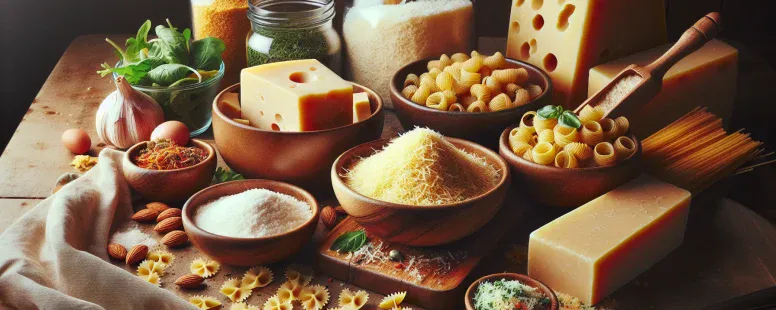
Picture the rich, nutty flavor of Parmesan cheese elevating your favorite pasta dish or sprinkling over a fresh salad. But what happens when you’re out of this beloved ingredient or need a dairy-free option? Don’t worry—you’re not stuck with bland meals. There are plenty of creative and delicious substitutes that can deliver the same savory punch without missing a beat.
What Is Parmesan Cheese And Why Substitute It?
Parmesan cheese, known as Parmigiano-Reggiano in Italy, is a hard, aged cheese made from cow’s milk. Its nutty and salty flavor adds depth to dishes like pasta, risotto, and Caesar salads. Aged for at least 12 months, its granular texture makes it easy to grate or shave over meals. The protected designation of origin (PDO) status ensures authentic Parmesan comes only from specific Italian regions.
Substituting Parmesan arises for several reasons. Dietary restrictions like lactose intolerance or vegan lifestyles may prevent its consumption. Allergies to dairy proteins also make finding alternatives necessary. You might need a substitute if you’ve run out unexpectedly while cooking or want a different flavor profile that complements your dish better.
Several substitutes closely mimic Parmesan’s umami taste and crumbly texture. For example, Pecorino Romano offers sharper notes with a saltier finish due to sheep’s milk origins. Nutritional yeast provides a plant-based option with cheesy undertones ideal for vegans or those avoiding dairy entirely.
Understanding why you’re substituting helps identify the best alternative tailored to dietary needs and culinary preferences.
Best Substitute For Parmesan Cheese
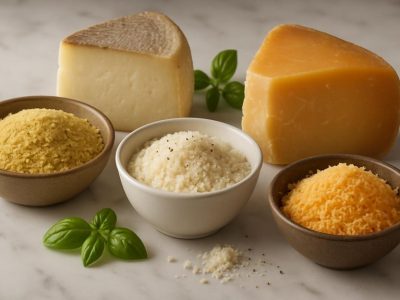
When you’re out of Parmesan cheese or require a dairy-free option, there are several great substitutes that match its nutty flavor and savory profile. Choose alternatives based on your dietary needs and the dish you’re preparing.
Nutritional Yeast
Nutritional yeast offers a cheesy, umami-rich flavor ideal for vegans or those avoiding dairy. It’s deactivated yeast, typically sold in flakes or powder form. Sprinkle it over pasta, popcorn, or salads to replicate Parmesan’s taste. It’s also rich in B vitamins and protein, making it nutritious as well as flavorful.
Pecorino Romano
Pecorino Romano is a hard Italian cheese made from sheep’s milk. It has a sharper and saltier flavor compared to Parmesan but works excellently in similar recipes like risottos or Caesar salads. Its crumbly texture makes it suitable for grating over dishes where you’d traditionally use Parmesan.
Grana Padano
Grana Padano resembles Parmesan closely in taste and texture but is slightly milder due to shorter aging (9–20 months). Its nutty aroma complements pasta sauces, soups, or baked dishes seamlessly. Although it’s less expensive than Parmigiano-Reggiano, it still delivers high-quality flavor for culinary uses.
Dairy-Free And Vegan Alternatives
Dairy-free and vegan substitutes for Parmesan cheese offer flavorful solutions for those with dietary restrictions or preferences. These alternatives replicate the savory, umami qualities of Parmesan without using animal products.
Cashew Cheese
Cashew cheese provides a creamy, nut-based alternative to Parmesan. Ground cashews mixed with nutritional yeast, garlic powder, and salt create a rich flavor profile. This blend mimics the nuttiness of Parmesan while being completely plant-based.
Sprinkle cashew cheese over pasta dishes or use it in pesto recipes as a direct replacement. It’s versatile and can also enhance roasted vegetables or baked casseroles.
Almond Parmesan
Almond parmesan combines ground almonds with nutritional yeast to deliver a crumbly texture and cheesy taste. The natural sweetness of almonds balances the salty, umami-rich notes from nutritional yeast.
Use almond parmesan on pizzas, soups, or salads where you’d traditionally add grated Parmesan. It stores well in airtight containers, making it convenient for multiple uses throughout the week.
Budget-Friendly Options
Affordable substitutes for Parmesan cheese can offer great flavor without straining your budget. These options work well in various dishes, adding depth and richness similar to Parmesan.
Asiago Cheese
Asiago cheese, a semi-hard Italian cheese, provides a nutty and creamy flavor that’s comparable to Parmesan. It comes in two main varieties: fresh (Asiago Pressato) and aged (Asiago d’Allevo). Aged Asiago has a firmer texture and sharper taste, making it ideal for grating over pasta or soups. Fresh Asiago is softer with a milder profile, suitable for melting into sauces or atop flatbreads.
For instance, if you’re preparing a risotto or Alfredo sauce but lack Parmesan, grated aged Asiago can seamlessly replace it while maintaining the dish’s savory character. This cheese is often more affordable than Parmigiano-Reggiano due to its shorter aging period of 6–12 months.
Cotija Cheese
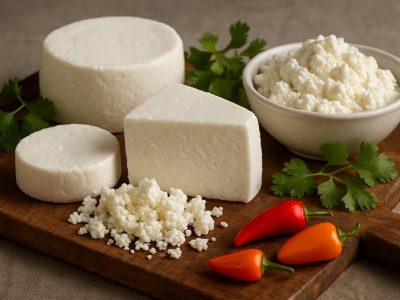
Cotija cheese originates from Mexico and offers a crumbly texture with a salty punch. While it’s not identical to Parmesan in taste, its bold saltiness pairs well as an alternative topping for salads, roasted vegetables, or baked casseroles.
Crumbled Cotija complements Mexican-inspired dishes like elote (grilled corn), where its savory notes enhance the overall flavor profile. Although traditionally used in Latin cuisine, this versatile ingredient crosses culinary boundaries when sprinkled onto pizzas or mixed into pasta bakes.
Both cheeses provide cost-effective solutions that adapt across cuisines while delivering satisfying flavors akin to Parmesan’s umami essence.
Tips For Choosing The Right Substitute
Focus on flavor compatibility. When selecting a Parmesan substitute, consider the dish’s overall flavor profile. For example, if you’re preparing a creamy pasta sauce, Grana Padano’s milder taste complements it well. In contrast, Pecorino Romano’s sharper and saltier flavor enhances robust dishes like soups or stews.
Evaluate dietary needs. If you follow a vegan diet or require dairy-free options, nutritional yeast and cashew cheese offer excellent alternatives. Nutritional yeast mimics Parmesan’s umami essence in sauces and dressings, while cashew cheese works well in baked casseroles and pesto recipes.
Consider texture requirements. Parmesan’s crumbly texture is essential for many recipes like Caesar salads or risottos. Use almond-based substitutes such as Almond Parmesan to replicate this characteristic in plant-based dishes or opt for Cotija cheese when exploring global flavors with similar textures.
Think about cost-effectiveness. Substitutes like Asiago provide high-quality results without exceeding your budget. Aged Asiago can be grated over pizzas or pasta, delivering nutty notes akin to Parmesan at a lower price point.
Adapt substitution based on cuisine type. Mexican-inspired dishes pair beautifully with Cotija cheese due to its bold saltiness and crumbly consistency, while Italian classics benefit from hard cheeses like Grana Padano that mirror the traditional Parmigiano-Reggiano experience effortlessly.
Conclusion
Whether you’re looking for a plant-based alternative or simply exploring other options, there are plenty of substitutes that capture Parmesan’s signature taste and texture. Each option brings its own unique qualities to your dishes, allowing you to experiment while meeting your dietary needs or budget.
By understanding the flavor profiles and uses of these alternatives, you can confidently enhance your favorite recipes without missing out on that savory, umami-rich essence. The right choice depends on what works best for your kitchen and preferences—so don’t hesitate to get creative!
To provide the best experiences, we use technologies like cookies to store and/or access device information. Consenting to these technologies will allow us to process data such as browsing behaviour or unique IDs on this site. Not consenting or withdrawing consent, may adversely affect certain features and functions.
Functional
Always active
The technical storage or access is strictly necessary for the legitimate purpose of enabling the use of a specific service explicitly requested by the subscriber or user, or for the sole purpose of carrying out the transmission of a communication over an electronic communications network.
Preferences
The technical storage or access is necessary for the legitimate purpose of storing preferences that are not requested by the subscriber or user.
Statistics
The technical storage or access that is used exclusively for statistical purposes.The technical storage or access that is used exclusively for anonymous statistical purposes. Without a subpoena, voluntary compliance on the part of your Internet Service Provider, or additional records from a third party, information stored or retrieved for this purpose alone cannot usually be used to identify you.
Marketing
The technical storage or access is required to create user profiles to send advertising, or to track the user on a website or across several websites for similar marketing purposes.