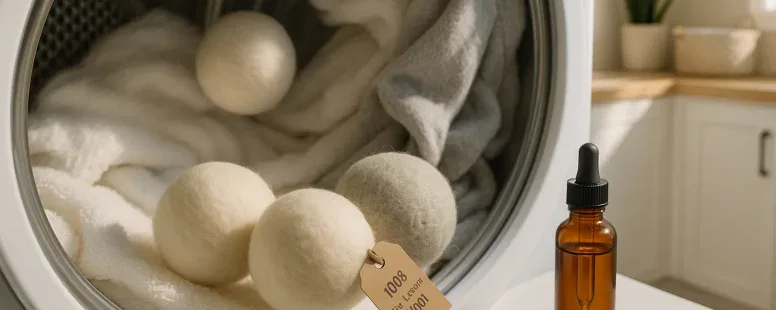
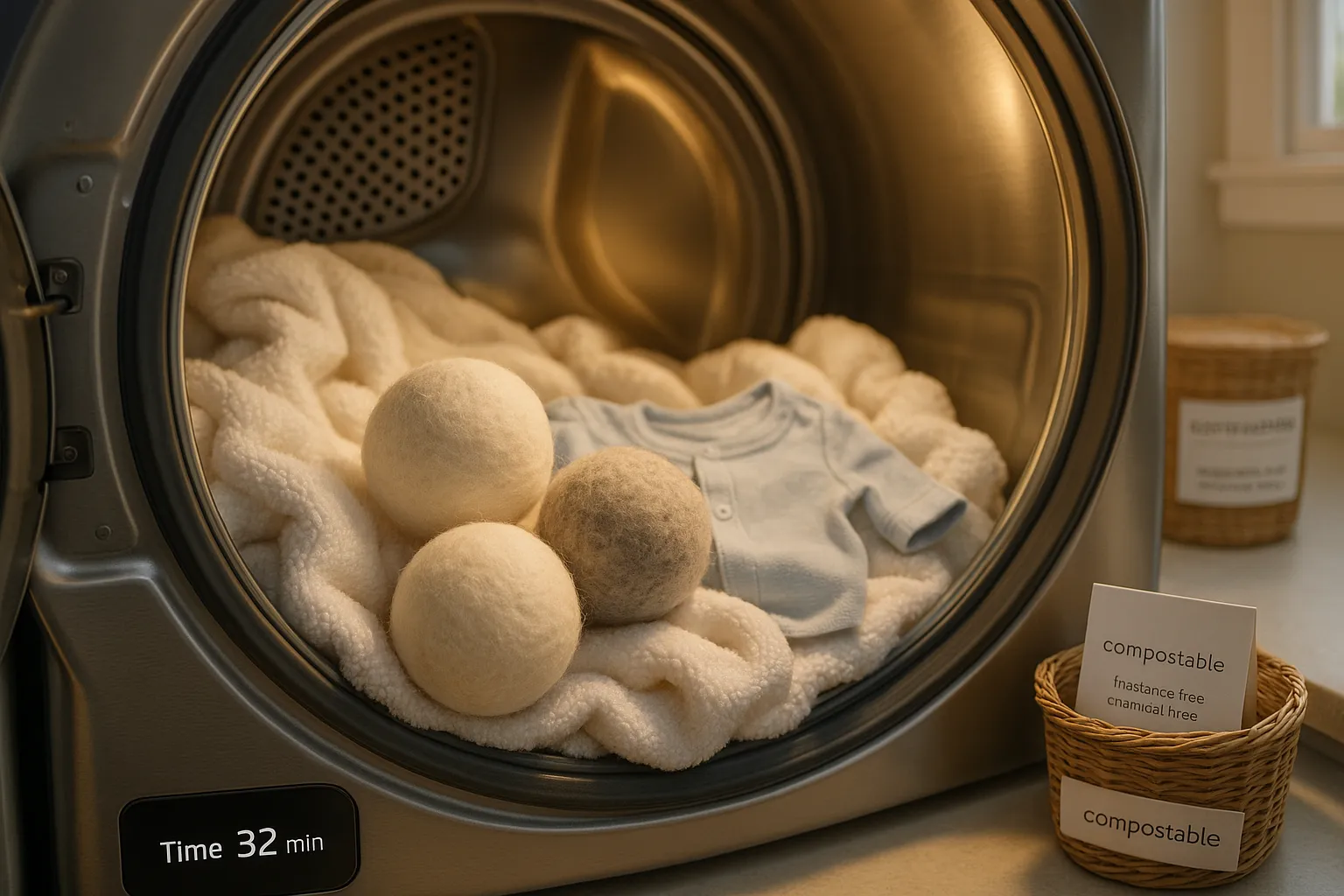
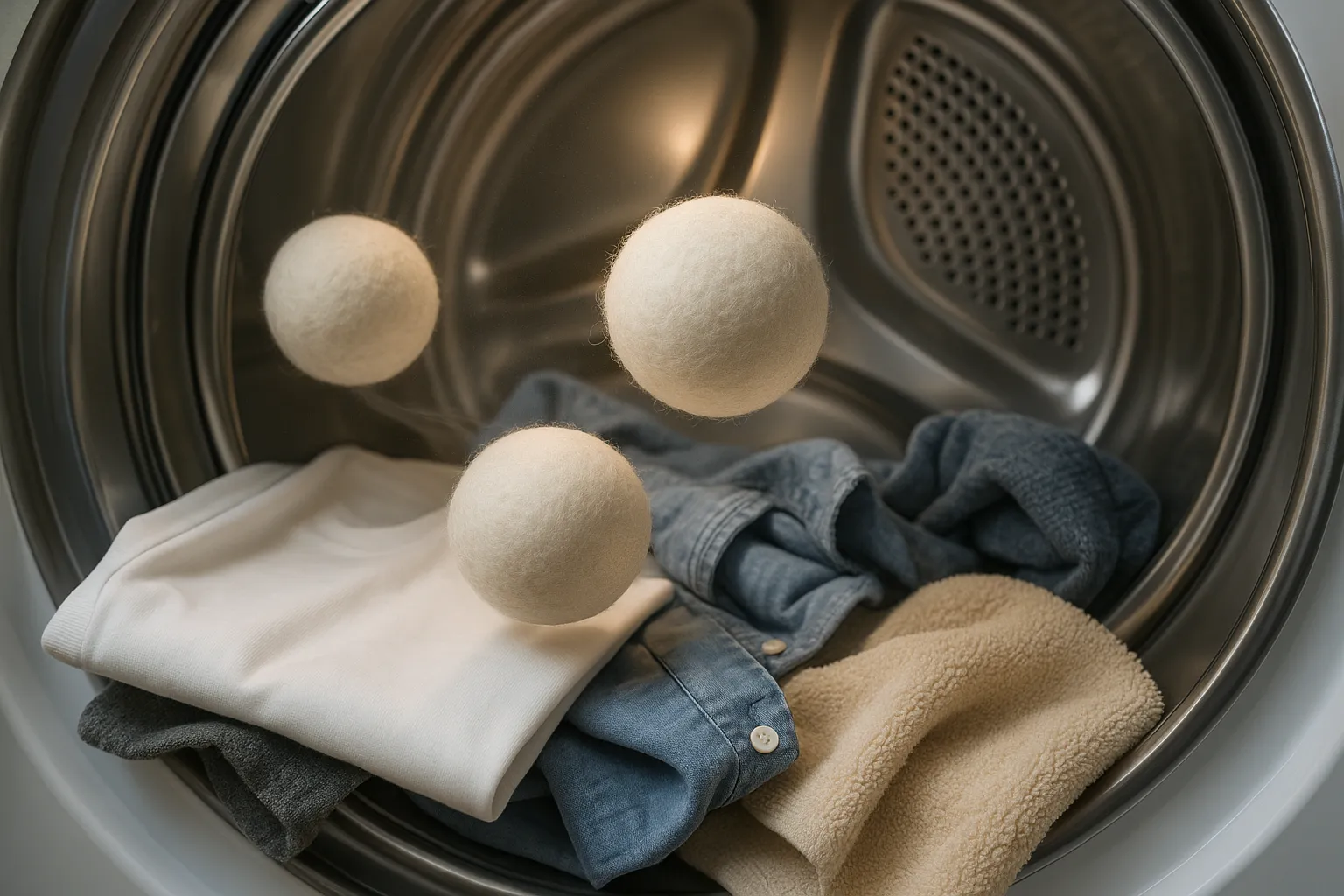
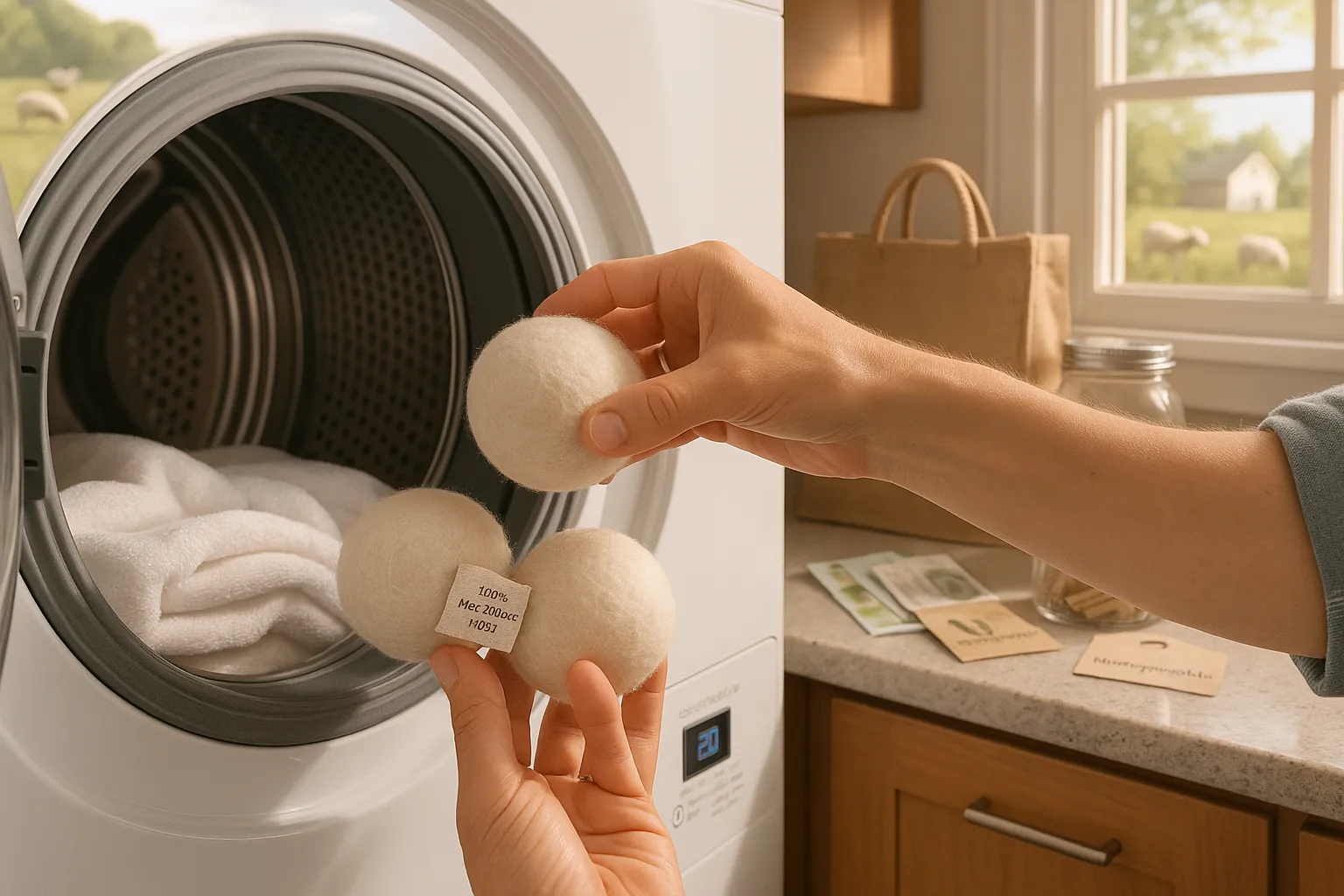
You can cut chemicals from your laundry routine and still get soft, static-free clothes. Wool dryer balls offer a simple swap for liquid fabric softener: they reduce drying time, soften fibers, and lower static without synthetic fragrances or conditioners. Picture the sound of three felted balls thumping in a warm drum while your towels finish faster and smell fresh from a single drop of essential oil. That quiet change saves money, reduces waste, and often improves sensitive-skin outcomes, benefits many people miss until they try them.
Why Choose Wool Dryer Balls Over Liquid Fabric Softener
Fact: Wool dryer balls soften clothes without added chemicals. Liquid fabric softeners and dryer sheets coat fibers with cationic surfactants and fragrances. Those chemicals can reduce absorbency in towels and irritate sensitive skin. You get a chemical-free softening effect with wool balls.
Wool balls work mechanically. They beat and separate items in the dryer, which prevents clumping and flattens fibers in a gentle way. As a result, fabrics feel softer and fluffier. You also lower your laundry cost: a set of quality wool balls usually pays for itself within months because they cut dry time by 10–25% on average. Many users report saving 20–30% on energy when they consistently use wool balls for mixed loads.
If you have allergies or use baby laundry, this choice reduces exposure to synthetic fragrances. Brands such as Seventh Generation and Method make fragrance-free products, yet they still rely on chemical softeners. Wool balls sidestep that entirely. They are compostable when worn out and create less single-use waste compared with dryer sheets and plastic bottles.
How Wool Dryer Balls Work To Soften Clothes And Reduce Static
Insight: Wool dryer balls soften clothes by physically separating and agitating garments. The mechanism is simple and physical. Balls bounce among items in the drum, creating small air pockets that speed moisture evaporation. That reduces friction and prevents fabrics from matting together.
Static forms when dry fabrics exchange electrons and cling. Wool holds moisture better than plastic, so it maintains micro-humidity in the drum and reduces charge buildup. In effect, wool acts like a miniature moisture reservoir. When you want extra static control, add a damp washcloth or use one more ball: that raises humidity and reduces shocks.
Dependency grammar note: subject (wool balls) -> verb (separate) -> object (garments) is the core relation here. You observe that simpler sentences explain the chain of cause-and-effect : balls separate garments: separation increases airflow: airflow reduces drying time and static.
Benefits And Environmental Impact
Fact: Wool dryer balls reduce energy use and waste. You lower dryer runtime, cut plastic waste from single-use dryer sheets, and avoid chemical runoff from liquid softeners. Wool is renewable when sourced from responsible suppliers like small-scale farms or certified brands. A single set of wool balls often lasts 2–5 years, depending on use.
Environmental benefits include fewer microplastics. Dryer sheets and many softeners contain plastic-based compounds that can release micro-particles. Wool is natural and biodegradable. When balls finally wear out, you can repurpose them as insulation, pet toys, or compost them.
Practical benefits include durability and low maintenance. You avoid building up residue on towels and athletic wear. Many athletes choose wool balls because fabrics retain moisture-wicking abilities better than when treated with conditioners. You also enjoy lower grocery and utility bills, a small, recurring saving.
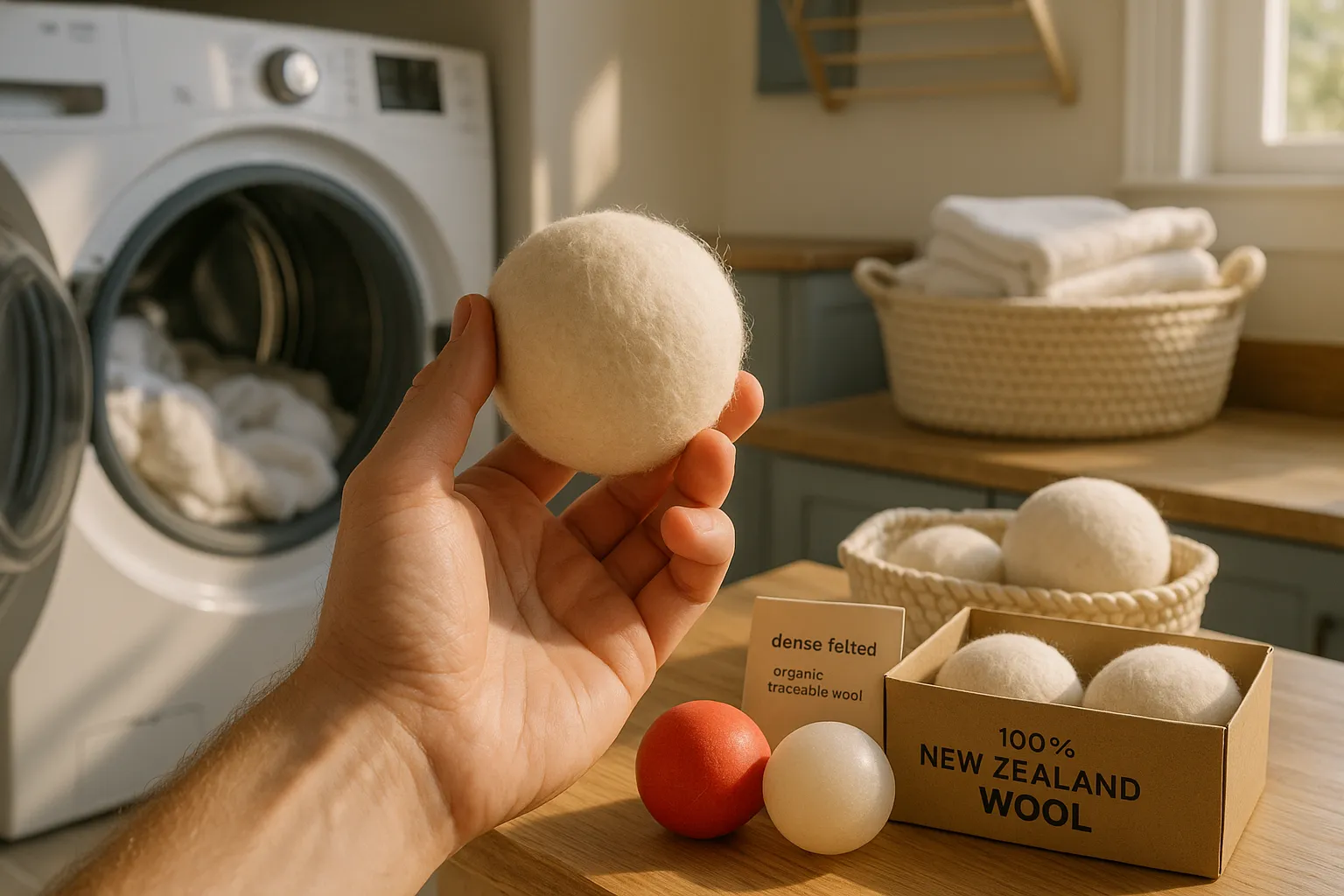
Warning: Not all wool is equal. Cheap balls may contain dyes or blends with synthetic fibers that limit biodegradability. Look for 100% New Zealand wool or brands that disclose origin.
Types Of Dryer Balls: Wool, Rubber, And Plastic — Which Is Best?
Answer: Wool dryer balls generally provide the best balance of softness, static control, and environmental benefit. Rubber balls add bounce but may not soften as well. Plastic or silicone balls are durable and lightweight, but they carry the same microplastic risks as other synthetic laundry products.
Wool
Wool softens and reduces static by retaining small amounts of moisture. It is biodegradable and quiet. High-quality wool balls are denser and last longer.
Rubber
Rubber balls increase tumbling and can shorten drying time a little more in some cases. They are often louder and can hold smells from previous loads.
Plastic
Plastic or silicone balls last long and resist mildew. They can scratch delicate items and add microplastics to waste streams.
How To Choose High-Quality Wool Dryer Balls
Fact: High-quality wool dryer balls are 100% wool and tightly felted. Check packaging for “100% New Zealand wool” or similar claims. Denser balls last longer and feel heavier for their size. Avoid balls with visible seams or loose fibers. Certified organic or traceable wool adds transparency.
You should test a brand by weight and sound: a good ball feels compact and makes a muffled thump rather than a hollow rattle. Trusted brands include Smart Sheep, Life Around 2 Angels, and Etee, they disclose wool origin and felting method.
How Many Dryer Balls Do You Need Per Load
Answer: Use 3–6 balls per medium load. For small loads, 2–3 balls work. For large or bulky loads like bedding, use 6–8. More balls increase air separation and speed drying: diminishing returns start around eight balls in most machines.
How To Use Wool Dryer Balls Effectively
Fact: Add dryer balls to the dryer with wet clothes, then select your usual heat setting. The timing matters: balls work best when they tumble with wet fabrics, not when added later.
Preparing New Dryer Balls (Washing, Fluffing, And Sizing)
Answer: Wash new wool balls once in hot water and dry them on high before first use. That helps felt loose fibers and shrink the balls to a denser shape. If balls feel too large, you can hand-felt them by adding heat, soap, and agitation, or shrink them further in the dryer. If they shed small fibers initially, a quick rinse and dry usually stops it.
Adding Scent Without Synthetic Softeners (Essential Oils And Methods)
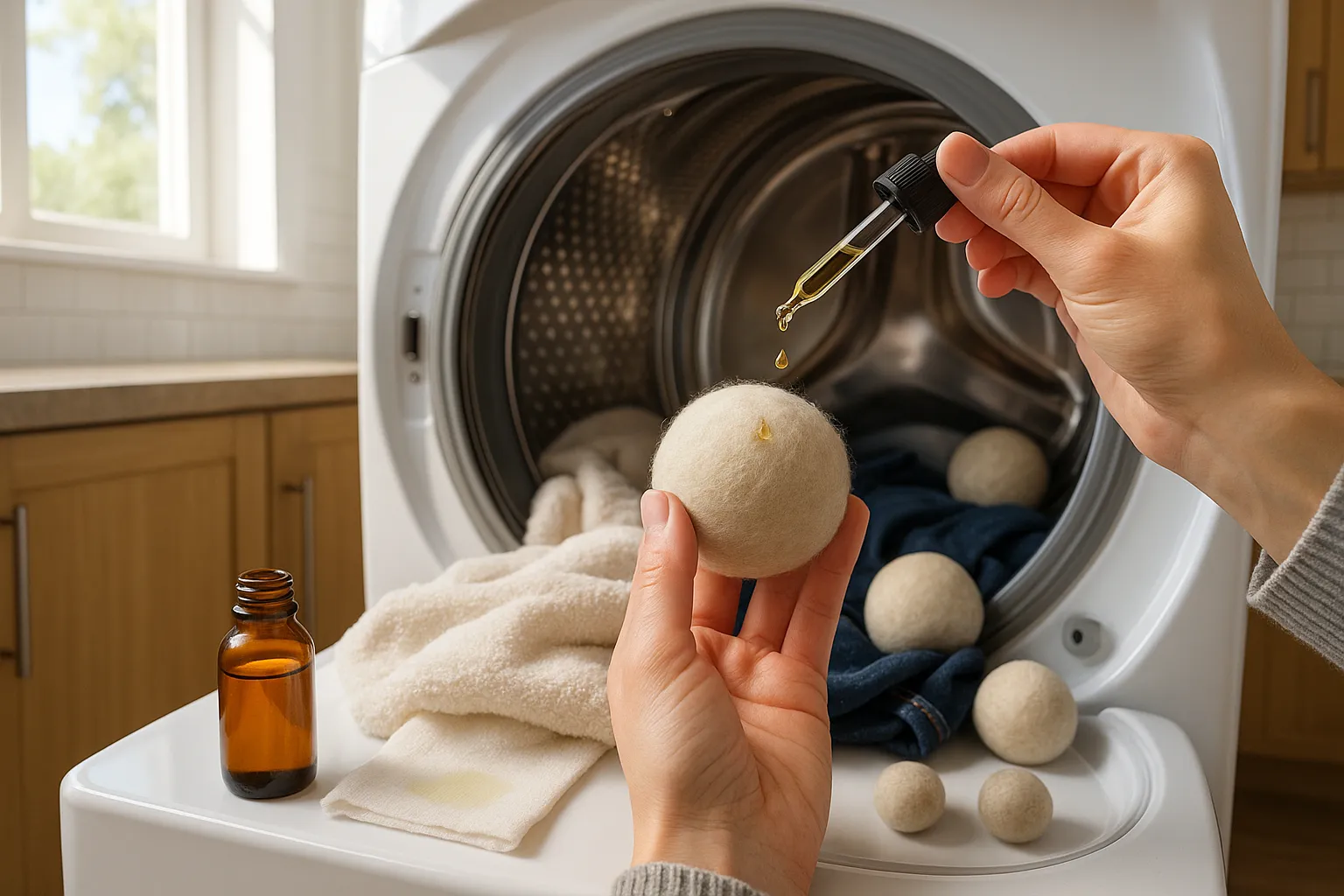
Answer: Use 2–4 drops of essential oil per ball to scent loads. Apply oil to the ball’s surface and let it dry before starting the dryer to avoid oil spots. Lavender, lemon, and eucalyptus work well. For a subtler scent, place the oil on a small cotton scrap and toss it with the balls.
Caution: Do not add undiluted perfume or carrier oils that might stain delicate fabrics.
Tips For Different Fabrics And Load Sizes
Fact: Adjust ball count and heat by fabric type. Use fewer balls and low heat for delicates. Use more balls and medium-high heat for towels and bedding. For mixed loads, choose the highest safe heat for the most durable item and use three to six balls. For heavy items like jeans, add 1–2 extra balls to keep things separated.
DIY Wool Dryer Balls Vs. Store-Bought: Pros And Cons
Insight: Homemade balls are cheap and customizable: store-bought balls offer consistent quality and longevity.
DIY pros: You can recycle wool sweaters and control size and scent. DIY balls cost near-zero if you already have wool. They teach you basic felting skills and let you make larger or smaller sizes.
DIY cons: Homemade balls usually shed more and wear faster. They may not be as dense, so they lose effectiveness quickly. If you value convenience, store-bought is better.
Store-bought pros: Professional felting yields dense, long-lasting balls with uniform size. Many brands guarantee low shedding and multiple years of use. They often provide clear care instructions.
Store-bought cons: They cost more up front. Low-quality commercial balls may still contain blends or dyes you prefer to avoid.
Real-life example: A household I know switched after two months of DIY attempts because towels stayed damp longer: a $20 set of certified wool balls restored faster drying and lasted two years.
Common Problems And Troubleshooting (Lint, Noise, Wear)
Fact: Common issues are lint accumulation, increased noise, and gradual wear. Lint appears if balls shed or if you over-dry linty clothes. To reduce lint, run balls with a lint-catching dryer sheet once (or add a damp microfibre cloth that traps lint) and clean the dryer trap regularly.
Noise occurs when balls hit the dryer drum or when they’re hollowed from wear. Replace noisy balls that have become hollow or misshapen. For temporary noise control, wrap a thin scrap of wool around each ball.
Wear shows as flat spots or persistent shedding. If shedding continues after a few uses, discard or recycle the balls. Typically, well-made wool balls last 2–5 years under normal use.
Comparing Performance: Wool Dryer Balls Versus Other Fabric-Softening Alternatives
Answer: Wool balls outperform dryer sheets for longevity and environmental impact. Dryer sheets may feel softer at first but lose effectiveness over multiple loads and leave residue on fabrics. Liquid softeners coat fibers and reduce towel absorbency. Rubber and plastic balls may beat wool slightly for drying speed but lose on softness and biodegradability.
You should test alternatives in your routine: measure dry time with and without wool balls for the same load and record towel absorbency afterward. That objective test often reveals wool’s practical advantage.
Maintenance And Lifespan: When To Replace Dryer Balls
Fact: Replace wool dryer balls when they lose shape or shed consistently. Typical lifespan is 2–5 years. Check them every 6 months for pilling, flatness, or persistent lint.
Maintenance steps: wash occasionally in hot water and dry on high to re-felt loose fibers. Trim small pills with scissors to prevent further wear. Store balls in a breathable bag between uses to avoid mildew.
When you retire them, repurpose old balls as household odor absorbers, use them as dryer fire starters for crafts, or compost them if they are 100% wool. That keeps waste low and closes the product life loop.
Call-to-action: Try a set of three to six wool dryer balls on your next laundry day: measure dry time and notice how your fabrics feel. You might find they replace your fabric softener for good, save you money, and simplify your routine.
To provide the best experiences, we use technologies like cookies to store and/or access device information. Consenting to these technologies will allow us to process data such as browsing behaviour or unique IDs on this site. Not consenting or withdrawing consent, may adversely affect certain features and functions.
Functional
Always active
The technical storage or access is strictly necessary for the legitimate purpose of enabling the use of a specific service explicitly requested by the subscriber or user, or for the sole purpose of carrying out the transmission of a communication over an electronic communications network.
Preferences
The technical storage or access is necessary for the legitimate purpose of storing preferences that are not requested by the subscriber or user.
Statistics
The technical storage or access that is used exclusively for statistical purposes.The technical storage or access that is used exclusively for anonymous statistical purposes. Without a subpoena, voluntary compliance on the part of your Internet Service Provider, or additional records from a third party, information stored or retrieved for this purpose alone cannot usually be used to identify you.
Marketing
The technical storage or access is required to create user profiles to send advertising, or to track the user on a website or across several websites for similar marketing purposes.