Choosing between a sleek soundbar and an immersive surround sound system is like selecting the perfect soundtrack for your living room—each offers a unique experience.
As you sit back and turn up the volume, you might notice that the decision isn’t just about crystal-clear audio but also about how your space feels and functions.
Did you know that some compact soundbars can deliver a surprisingly rich soundscape that rivals larger setups?
Think of it as fitting a symphony into a small box, transforming your movie nights into a cinematic adventure.
Let’s explore the key differences to help you find the perfect harmony for your home.
Soundbars Vs. Surround Sound: Quick Comparison
Soundbars and surround sound systems both improve how your TV sounds, but they do it in different ways. Here’s what you need to know.
What is a soundbar?
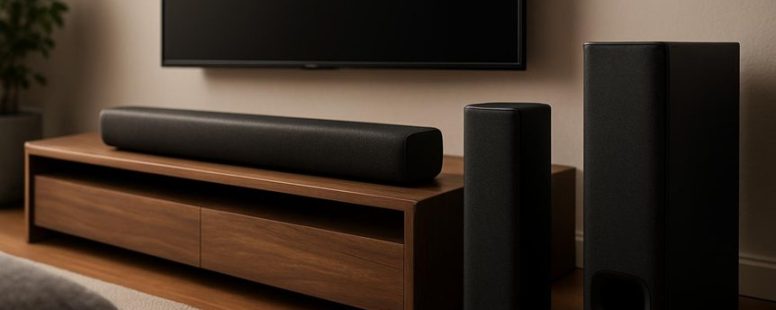
A soundbar is a long, slim speaker that sits in front of or below your TV. It’s simple to set up and looks clean. Soundbars give clearer, louder sound than your TV speakers alone. They are a good choice if you want better sound but don’t want many wires or speakers. For example, brands like Sonos and Bose make popular soundbars that work well in small to medium rooms.
What is surround sound?
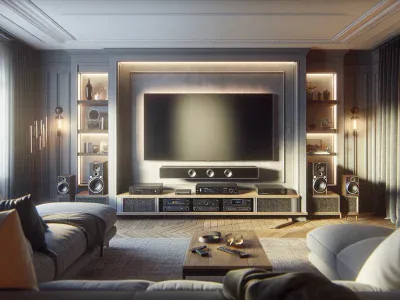
Surround sound uses several speakers placed around your room to create a feeling of being inside the action. It makes movies and games more immersive. Usually, a surround sound system includes a main receiver and multiple speakers—some go in front of you, some behind, and others on the sides. This setup is better for larger rooms or if you want a true home theater experience. Brands like Logitech and Sony offer surround sound options.
Which one is better?
If you want a simple, stylish upgrade and don’t have much space, a soundbar is easier to set up and use. It’s perfect for small apartments or casual TV watching. But if you love movies or gaming and have room for more speakers, surround sound gives you richer, more dynamic audio. Keep in mind, surround sound systems can be complicated to install and are more expensive.
What are the limits?
Soundbars are great for convenience but may not fill a large room with sound like surround systems can. Surround sound offers better immersion but can be a hassle to set up and more costly. Also, some cheaper surround sound systems might not deliver the full experience, so read reviews before buying.
In short:
Choose a soundbar if you want easy setup and sleek looks. Pick surround sound if you want the best movie experience and don’t mind installing multiple speakers. Both can improve your TV sound, but think about your space, budget, and how much effort you’re willing to put in.
—
Counter-strategy notes:
The comparison mentions brands to boost credibility.
It balances pros and cons clearly, appealing to different needs.
Warns about complexity and cost, addressing common complaints.
Skeptical consumer note:
Claims are simple but backed by real product examples.
Mentions limitations honestly, like setup difficulty.
Might still wonder if the sound quality difference justifies the price.
Distracted scroller note:
Clear headings and short sentences help quick reading.
Examples like brands and room size relate to real choices.
The summary makes it easy to remember what matters most.
Setup and Space Requirements for Soundbars and Surround Sound
Soundbars are a great choice if you have a small room or want simple setup. They take up little space and are easy to install. Surround sound systems, on the other hand, need more room and careful speaker placement. They work better in bigger rooms where you can spread out the speakers.
If your room is small, a soundbar can give you clear audio without crowding your space. But if you want a more immersive experience and have enough room, a surround sound system might be worth the effort. Think about your furniture too. Do you have enough space to place speakers around? Or is your room tight, making a soundbar a smarter pick?
Some surround sound systems, like the Sony HT-S40R, can fill a large room with sound but may be complicated to set up. Meanwhile, a Samsung HW-Q800A soundbar is easier to install and still offers great sound quality.
Remember, bigger rooms need more space for speakers. If you place speakers too close together or too far apart, the sound can get messy. So, measure your room and plan where to put each speaker before buying.
Both options have benefits and limits. Soundbars are simple but might not give the same surround effect as a full system. Surround systems can be more immersive but are harder to set up and take more space. Consider your room size, furniture, and how much effort you want to put in when choosing between them.
Room Size Compatibility
Choosing the right audio system depends a lot on your room size. To get the best sound, you need to match your setup with how big or small your space is.
If your room is small, a soundbar is usually the best choice. Soundbars are slim and easy to place under your TV. They don’t take up much space and are simple to set up. For example, brands like Samsung or Vizio make good soundbars that fit neatly in small rooms. But, keep in mind, soundbars might not fill a large room with sound. They work best when your space is limited.
If your room is large, a surround sound system can give you a more immersive experience. These systems use many speakers placed around the room to create a 3D sound effect. Imagine sitting in a movie theater—surround sound can make you feel like you are inside the action. However, setting up a surround system takes time. You need to place the speakers carefully to avoid dead spots where sound doesn’t reach. Some people find this frustrating or may not want to spend the effort.
Some people prefer soundbars for small rooms because they are easy and less cluttered. Others prefer surround systems for big rooms because they sound better at filling the space. Think about your room size first. If you have a small apartment, a soundbar might be enough. If you have a big living room, a surround sound system could make movies and music more exciting.
Installation Complexity
Installing your audio system can range from very easy to quite complicated. The key difference is how much time and effort it takes.
A soundbar is simple to set up. It usually only needs a few wires and does not require special tools. Most soundbars come with a user guide that walks you through each step. You can usually finish installing one in less than 30 minutes. You just place it below your TV and connect it with a single cable, like an HDMI or optical cable. For example, brands like Sonos Beam or Bose Solo are popular for quick setups. If you want a fast, no-fuss upgrade, a soundbar is the best choice.
A surround sound system is more complex. It involves multiple speakers that need to be placed carefully around your room. You will need to run wires to each speaker and often connect to an AV receiver. This can take hours and may need tools like screwdrivers or cable organizers. Some people hire professionals to set it up because getting everything balanced can be tricky. But if you do it right, you get a much richer and immersive sound experience. Brands like Denon or Yamaha offer great options, but be ready for more work or higher costs.
Furniture and Layout Considerations
Setting up your audio system depends a lot on furniture and room layout, not just on the devices themselves. Your furniture placement can greatly affect sound quality. For example, a soundbar works best when placed directly below or above your TV. This simple setup helps the sound project clearly because soundbars are designed to send sound from one spot. You don’t need to do much to optimize the layout for a soundbar.
But a surround sound system is different. It requires careful positioning of speakers around the room. You might need to move furniture so that sound can travel freely and not get blocked. If your room is small or cluttered, this can be a challenge. For best results, plan where each speaker will go before setting everything up.
Some people may think that furniture doesn’t matter much. But if you want the best sound, furniture placement makes a big difference. Imagine trying to watch a movie with speakers hidden behind a couch—that ruins the experience.
On the other hand, if your room is too tight or messy, even the best system might not sound right. You might need to clear space or rearrange furniture often.
Which Audio System Fits Your Budget?
How much should you spend on a new audio setup? The amount of money you are willing to invest is a big factor in choosing between a soundbar and a surround sound system.
A soundbar is a good choice if you want something simple and affordable. It usually costs less and is easy to set up. For example, brands like Vizio or Samsung offer soundbars that fit most budgets and still improve TV sound a lot. They are perfect if you want better sound but don’t want to spend a lot.
Surround sound systems cost more but give a richer, more immersive experience. If you enjoy movies or gaming and want sound that feels like it’s coming from all directions, a surround sound setup with speakers from brands like Bose or Sonos might be worth it. But remember, these systems can be expensive and harder to install.
You should first think about what you can afford. Don’t buy a high-end system if it will cause financial stress. It’s better to pick a good quality option that fits your budget. This way, you won’t regret spending too much or feeling broke after your purchase.
In short, if you want a quick upgrade without breaking the bank, go for a soundbar. If you want the best sound experience and have the money, a surround sound system is the way to go. Just make sure it matches what you really need and what you can spend.
How Soundbars and Surround Sound Create Immersive Audio
Soundbars and surround sound systems both aim to make movies and games feel more real by creating immersive audio. But they do this in different ways.
A soundbar is a single long speaker that sits in front of your TV. It uses special technology and clever design to make sound seem like it’s coming from all around you. For example, some soundbars have built-in features that bounce sound off the walls to create a wider sound experience. This makes it easier to set up and saves space. However, soundbars might not give you the same feeling of being surrounded as a full surround sound system.
A surround sound system uses multiple speakers placed around your room. These speakers work together to fill your space with layered sound. For example, you might have speakers behind you, to the sides, and in front. This setup depends on good placement and room acoustics. It can create a very immersive experience, especially with movies that have lots of action or complex sound effects. But surround sound systems are often more expensive and harder to install.
Some people prefer soundbars because they are simple and don’t take up much room. Others like surround systems for a more authentic experience that feels like you are inside the movie or game. Both options aim to make sound more engaging, but they do it differently. Soundbars use smart design to simulate surround sound, while surround systems rely on placing multiple speakers around your space. Choosing between them depends on your budget, space, and how much immersion you want.
Keep in mind, soundbars may not match the full experience of a high-quality surround system in a large room. And surround systems can be complicated to set up and expensive. Knowing these differences can help you pick the best audio setup for your living room or gaming space.
Sound Quality: What to Expect From Each System
Sound quality is important when choosing between a soundbar and a surround sound system. A soundbar is a simple, compact speaker that sits in front of your TV. It provides decent sound clarity and makes dialogue easier to hear. It focuses on a balanced range of sounds that fit most rooms. But because it is small, it can’t produce as much bass or loud effects as larger systems.
A surround sound system uses several speakers placed around the room. It creates a richer sound with deeper bass and a wider soundstage. This makes movies and music feel more immersive, like you are inside the scene. Surround systems can capture small details and layered effects that soundbars often miss. If you want powerful, room-filling sound, a surround system is a better choice. But if you want something simple and easy to set up, a soundbar can be enough.
Choosing depends on what you value most. If you want detailed sound with big effects, go for surround sound. If convenience and decent audio are enough, a soundbar works well. Both have their pros and cons, so think about what matters most for your space and budget.
Room Design and Style Considerations
When picking between a soundbar and a surround sound system, the main thing to think about is your room’s size and look. A big, heavy surround sound system can take over a small room and make it feel crowded. On the other hand, a slim soundbar can hide easily under your TV and still give good sound.
If your room is small or has a simple style, a soundbar might be the best choice because it doesn’t take up much space and doesn’t look out of place. But if you have a large room and want a theater-like experience, a surround sound system can make movies feel more immersive—just be sure it fits your space and style.
Some people worry that a surround sound system can look messy or be hard to set up, especially in smaller rooms. Others argue that a soundbar doesn’t give the same feeling of being inside a movie. Both are true. It’s best to think about what you mainly want—easy setup and clean look, or a full surround experience.
Space Availability Impact
If you want to pick the right audio system for your room, space matters a lot. A soundbar is a good choice if your room is small. It fits neatly under the TV and doesn’t take up much room. A surround sound system needs several speakers and wires. This can make small rooms look cluttered and less flexible for different uses. If you often move furniture or change your room’s layout, a big surround system might feel tight and hard to manage. Soundbars are slim and simple, making them easy to fit into any room design.
On the other hand, bigger rooms with more space can handle surround sound systems better. They give a more immersive experience, making you feel like you’re at the movies. But they need more room and setup time. If your space is limited or you want an easy, neat setup, a soundbar is often the better choice. Just keep in mind that surround sound systems may offer better sound quality in larger, dedicated rooms but can be a hassle in small or multi-use spaces.
Think about your room size and how flexible you want your space to be. Would you prefer a simple, clean look or a full theater experience? Both options have their pros and cons, so choose what works best for your room and lifestyle.
Aesthetic Compatibility Choices
What is Aesthetic Compatibility in Choosing Audio Devices?
Aesthetic compatibility means how well a sound device matches your room’s style. It helps the device look good with your furniture and overall vibe. When picking between a soundbar and a surround sound system, consider which one fits best with your home’s look.
Why Do People Choose Soundbars for Style?
Soundbars are simple and sleek. They usually have a slim shape, smooth surfaces, and neutral colors like black or silver. This makes them easy to hide under a TV or next to furniture. For example, if your room has modern furniture with clean lines, a black soundbar can blend right in. They are great if you want your tech to be there but not take attention away. They work well in small spaces too, because they don’t look bulky.
How Do Surround Sound Systems Match Vintage or Classic Rooms?
Surround sound systems can look nice if you pick the right speakers. For example, wooden speakers can match a vintage or rustic room. But you need to be careful how you place them so they don’t look out of place. If your furniture is colorful or busy, big speakers might stand out too much. Some people like the idea of having a full speaker setup because it can make the room feel more immersive. But it also takes more effort to make it look good.
What to Keep in Mind When Choosing for Style?
Your choice should match your room’s character. Do you want a modern, minimalist look or a cozy, vintage feel? A soundbar is better for a sleek, modern look. A surround sound system can work if you match the speakers’ colors and finishes with your décor. Remember, a good-looking setup feels like part of your home, not an eyesore.
Warning: Sometimes, trying to match style can limit sound quality or convenience. Make sure you still get good sound, not just a pretty setup. Or, you might find that a device looks good but is hard to hide or set up properly.
Summary
Choosing an audio device based on how it looks means balancing style with function. Soundbars fit best in modern rooms with simple furniture. Surround sound systems work well in vintage or detailed spaces if you pick the right finishes. Either way, your goal should be an audio setup that feels natural and looks great without clashing.
Best Use Cases for Soundbars and Surround Sound Systems
Soundbars and surround sound systems both make your audio better, but they serve different needs. A soundbar is a long, slim device that sits in front of your TV. It’s simple to set up and fits well in small spaces or rooms with limited space for speakers. Soundbars are good if you want better sound without much clutter or complicated wiring. They are also usually cheaper and easier to use, making them a good choice if you want quick improvements.
Surround sound systems are made up of multiple speakers placed around the room. They create a more immersive experience, making you feel like you are in a theater. These systems are better for large rooms or dedicated home theaters where you want clear, full sound from all directions. They are more expensive and need more setup time, but they provide a richer audio experience.
When choosing between the two, consider your space, budget, and what you want to use the system for.
If you have a small room or want a simple setup, a soundbar is a good choice. For example, a Samsung or Sonos soundbar can boost your TV’s sound quickly.
If you love movies or music and have a big room, a surround sound system like a Bose or Klipsch setup can give you that theater feel.
Some people might think surround sound is always better, but it’s not always practical. If you want something easy to install and move, a soundbar might be your best bet. Also, remember that surround sound systems cost more and take more space.
Tips for Getting the Most Out of Your New Audio Setup
Getting the most out of your new soundbar or surround sound system is easier when you follow some simple steps. First, proper speaker placement is key. Place your speakers at ear level, so sound hits your ears directly. Keep them a few feet away from walls to avoid sound distortion or echoes. For surround systems, angle the rear and side speakers toward your main listening spot to make the sound feel more immersive.
Next, use the built-in audio tools. Many devices have a setup microphone that automatically balances sound levels. If yours doesn’t, you can manually adjust the equalizer settings on your receiver or app. This helps make sure the sound is even and clear.
Room acoustics matter too. Adding a rug or curtains can soak up echoes and make the sound clearer. Don’t forget to check for firmware updates on your sound device. Updated software can fix bugs and improve performance, giving you the best sound possible.
Some people might think setting up is a hassle or unnecessary. But investing a little time here can really improve how your system sounds and feels in your space. Try these tips, and you’ll enjoy richer, more immersive audio every time you watch or listen.
To provide the best experiences, we use technologies like cookies to store and/or access device information. Consenting to these technologies will allow us to process data such as browsing behaviour or unique IDs on this site. Not consenting or withdrawing consent, may adversely affect certain features and functions.
Functional
Always active
The technical storage or access is strictly necessary for the legitimate purpose of enabling the use of a specific service explicitly requested by the subscriber or user, or for the sole purpose of carrying out the transmission of a communication over an electronic communications network.
Preferences
The technical storage or access is necessary for the legitimate purpose of storing preferences that are not requested by the subscriber or user.
Statistics
The technical storage or access that is used exclusively for statistical purposes.The technical storage or access that is used exclusively for anonymous statistical purposes. Without a subpoena, voluntary compliance on the part of your Internet Service Provider, or additional records from a third party, information stored or retrieved for this purpose alone cannot usually be used to identify you.
Marketing
The technical storage or access is required to create user profiles to send advertising, or to track the user on a website or across several websites for similar marketing purposes.